
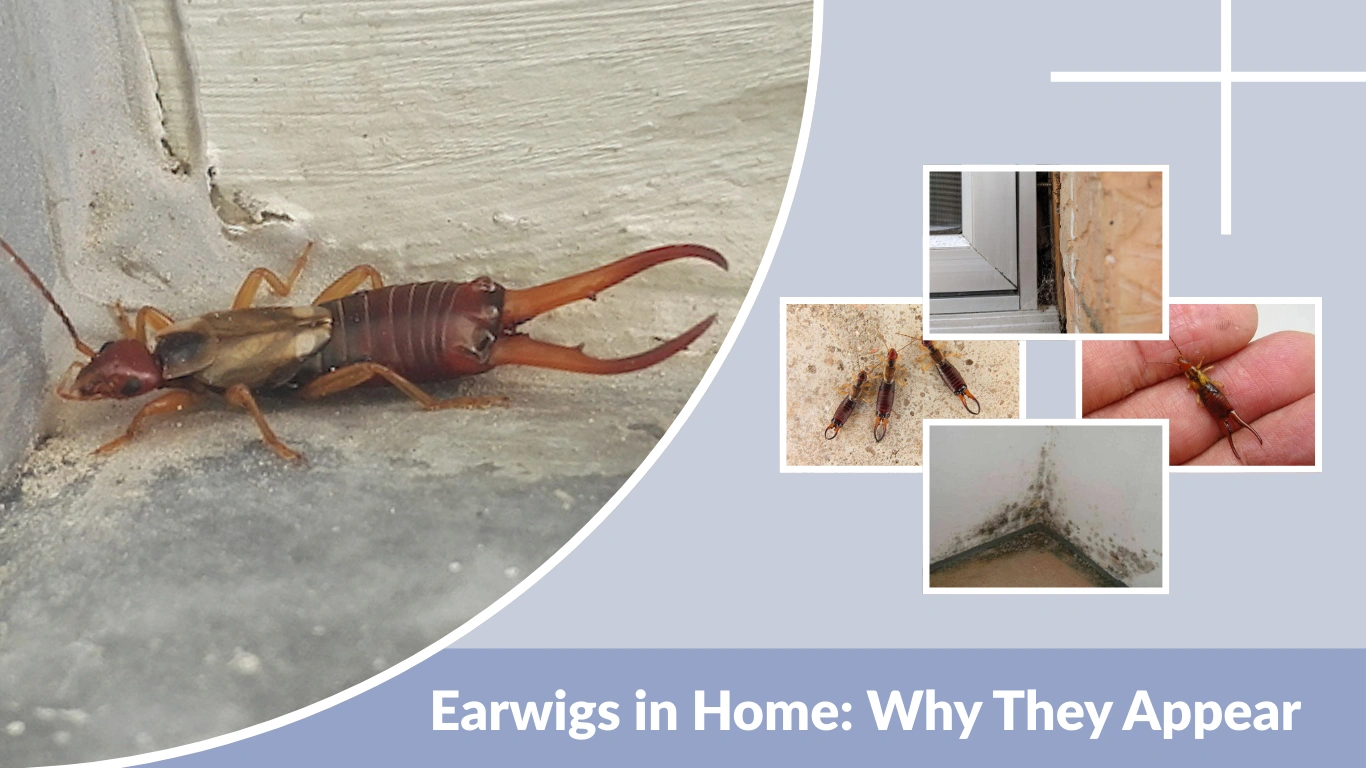
Finding earwigs inside your home can be surprising and sometimes unsettling. These small insects are easily recognized by the pincers at the end of their bodies. While earwigs may look intimidating, they are generally harmless to humans. However, their presence indoors often indicates that certain conditions are attracting them. Earwigs usually enter homes while searching for moisture, food, or shelter. Understanding why earwigs appear in homes and how they behave can help homeowners remove them and prevent future infestations.
What Are Earwigs?
Earwigs are insects that belong to the order Dermaptera, a group known for their elongated bodies and pincer-like appendages called cerci. There are more than 2,000 species of earwigs worldwide, and many of them live in gardens, forests, and other outdoor environments.
Most earwigs prefer dark, damp places where they can hide during the day. They are nocturnal insects, meaning they are most active at night when they search for food. During daylight hours, earwigs usually hide under rocks, wood, mulch, or other sheltered areas.
Although earwigs are commonly found outdoors, they may sometimes wander into homes, especially when environmental conditions outside become unfavorable.
Scientific Classification
Earwigs belong to the insect order Dermaptera, which includes insects characterized by their forceps-like pincers and flexible bodies. Their name comes from Greek words meaning “skin wings,” referring to the thin wings that fold beneath their short outer wing covers.
The European earwig (Forficula auricularia) is one of the most widespread species and is often responsible for earwig sightings in homes and gardens.
Why Earwigs Are Common Household Pests
Earwigs are not typically considered serious household pests, but they can become a nuisance when they appear indoors in large numbers. They are attracted to environments that provide moisture, shelter, and food.
When conditions outside become too dry, too wet, or too cold, earwigs may enter homes to find better living conditions. Once inside, they often hide in damp areas such as basements, bathrooms, or kitchens.
Because earwigs reproduce outdoors and usually do not establish large indoor colonies, their presence indoors often reflects outdoor conditions rather than an indoor infestation.
Why Are Earwigs in Your Home?
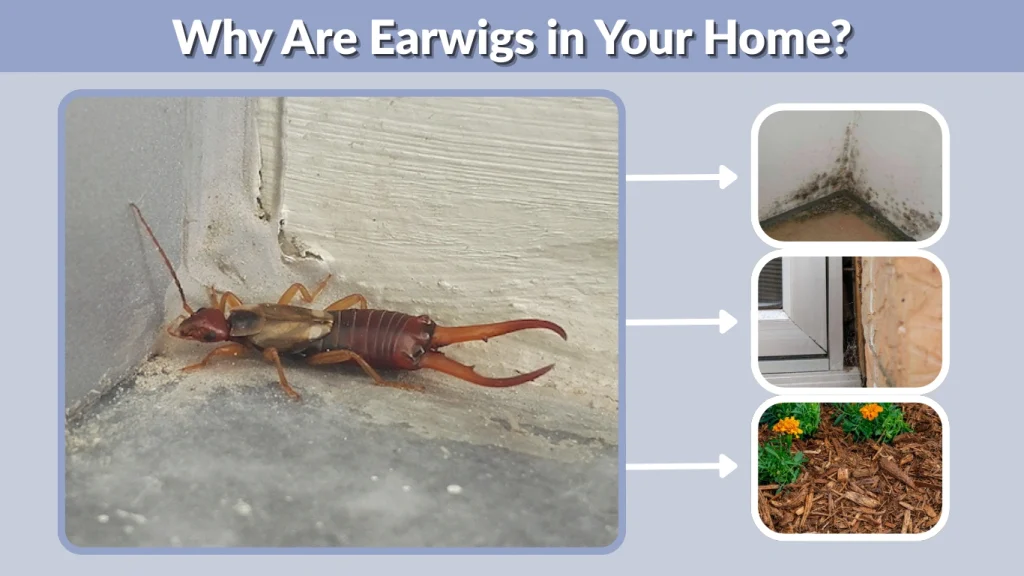
Earwigs usually enter homes accidentally while searching for favorable environments. Several factors can attract them indoors.
Attraction to Moisture and Damp Areas
One of the main reasons earwigs enter homes is moisture. These insects prefer humid environments and may move indoors if outdoor conditions become too dry or if there is heavy rainfall.
Inside homes, earwigs are often found in damp areas such as bathrooms, kitchens, laundry rooms, and basements. Leaking pipes, standing water, or poor ventilation can create conditions that attract them.
Searching for Shelter During Weather Changes
Sudden changes in weather can also drive earwigs indoors. During hot summers, they may search for cooler environments. Similarly, heavy rain or flooding may force them to leave their outdoor hiding places.
Homes provide protected areas where earwigs can hide until conditions outside improve.
Outdoor Populations Moving Indoors
Sometimes earwigs enter homes simply because they live nearby outdoors. Gardens, mulch beds, compost piles, and piles of leaves can provide ideal habitats for earwigs.
If these areas are located close to a house, earwigs may occasionally wander indoors through doors, windows, or small cracks in the foundation.
Common Entry Points Into Homes
Earwigs are small and flexible, which allows them to squeeze through tiny openings. Common entry points include:
- Cracks in walls or foundations
- Gaps around windows and doors
- Open vents or drains
- Spaces around pipes or utility lines
Once inside, earwigs usually look for dark hiding places where they can remain undisturbed during the day.
Where Do Earwigs Hide in Homes?
After entering a home, earwigs typically seek out places that resemble their natural outdoor habitats. They prefer areas that are dark, cool, and slightly moist.
Bathrooms and Laundry Rooms
Bathrooms and laundry rooms are common places to find earwigs because these areas often have high humidity. They may hide under sinks, behind toilets, or near drains where moisture is present.
Kitchens and Food Storage Areas
Earwigs sometimes appear in kitchens, especially if crumbs or food debris are available. They may hide behind appliances, inside cabinets, or near trash bins where food sources are accessible.
Basements and Crawl Spaces
Basements and crawl spaces are ideal environments for earwigs because they tend to be cool and damp. These areas often provide many hiding places, such as boxes, stored items, or cracks in walls.
Cracks and Hidden Spaces
Earwigs may also hide in small cracks, crevices, and gaps throughout the home. Behind baseboards, under furniture, and inside wall voids are common hiding places during the daytime.
Because they are nocturnal, earwigs may remain hidden during the day and become more visible at night when they come out to search for food.
What Do Earwigs Look Like?
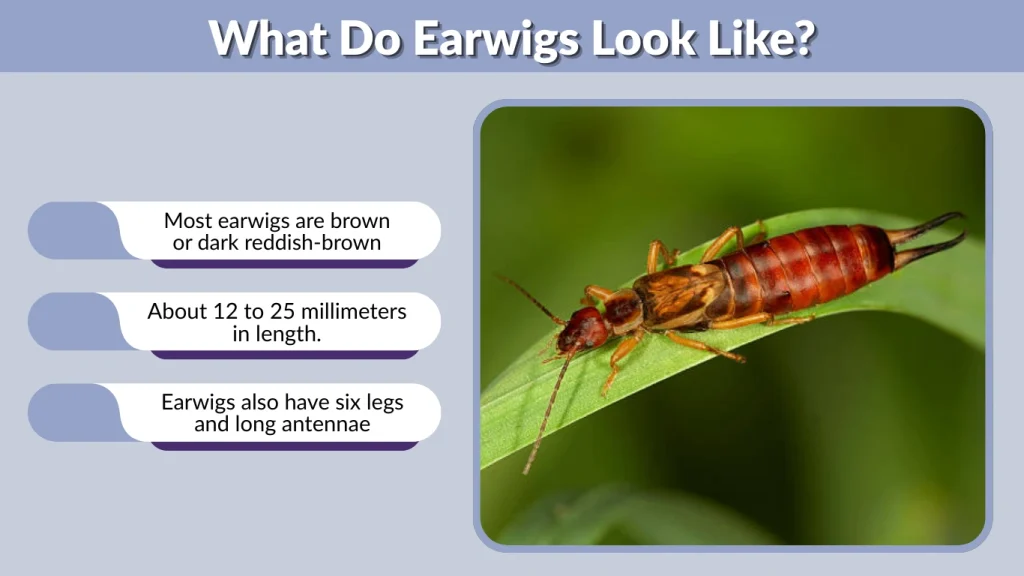
Earwigs have a very distinctive appearance that makes them relatively easy to identify. Most earwigs have long, narrow bodies that are slightly flattened, allowing them to squeeze into tight spaces.
They are usually brown or reddish-brown in color and measure about 12 to 25 millimeters in length. Their bodies include six legs and long antennae that help them detect their surroundings.
The most recognizable feature of earwigs is the pair of pincer-like appendages at the end of their abdomen. These pincers, known as cerci, are used for defense, capturing prey, and interacting with other earwigs.
Key Physical Features
The most distinctive feature of an earwig is its pair of curved pincers located at the end of its abdomen. These pincers are called cerci and are used for defense, capturing prey, and sometimes during mating. In many species, male earwigs have larger and more curved pincers than females.
Earwigs also have long antennae that help them detect food and navigate their environment. Their bodies are flexible, which allows them to move easily through narrow cracks and hidden spaces inside homes.
How to Identify Earwigs Indoors
If you see a small brown insect with a long body and noticeable pincers at the rear, it is most likely an earwig. They usually move quickly when disturbed and may hide under objects or inside dark corners.
Because earwigs prefer darkness, you are more likely to see them at night or in dimly lit areas. Finding one or two earwigs indoors is common, especially during humid seasons.
Are Earwigs in the Home Dangerous?
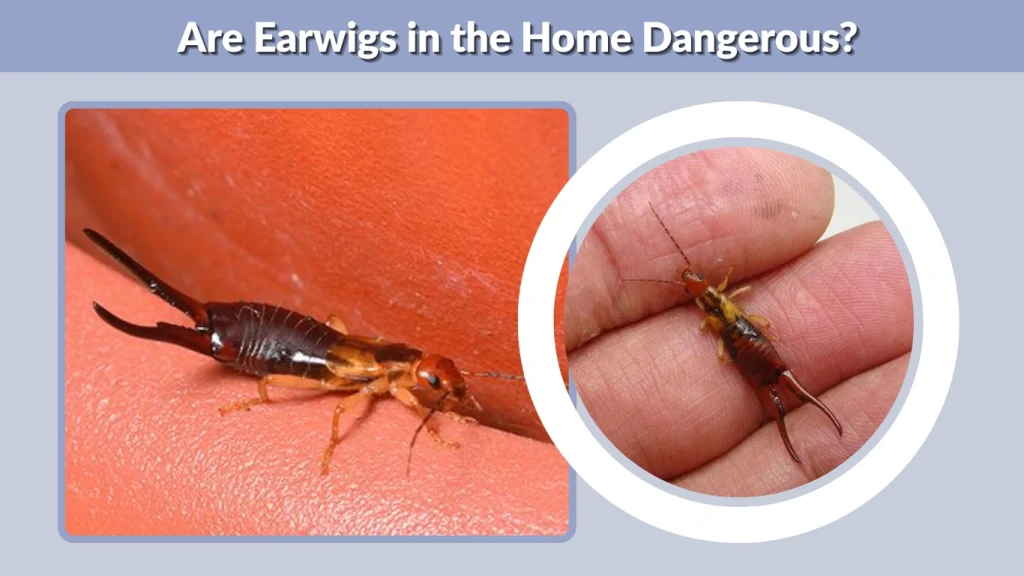
Although earwigs may look intimidating, they are generally not dangerous to humans. Most of the fear surrounding these insects comes from myths and misunderstandings about their behavior.
Do Earwigs Bite or Pinch Humans?
Earwigs do not bite or sting people. However, they can use their pincers to pinch if they feel threatened or are handled. This pinch is usually mild and rarely breaks the skin.
Earwigs mainly use their pincers for defense against predators or when interacting with other earwigs.
Are Earwigs Harmful to Pets?
Earwigs are also harmless to most household pets. They do not produce venom and are not known to spread diseases. Pets that encounter earwigs are unlikely to be harmed.
Do Earwigs Damage Furniture or Food?
Unlike some other household pests, earwigs typically do not damage furniture, fabrics, or wooden structures. Indoors, they usually feed on small crumbs, organic debris, or decaying materials.
Their presence is usually more of a nuisance than a serious problem.
Signs of an Earwig Infestation in the Home
Seeing an occasional earwig indoors does not necessarily mean you have an infestation. However, frequent sightings may indicate that earwigs are living nearby outdoors or finding suitable conditions inside the home.
Seeing Earwigs at Night
Because earwigs are nocturnal, they are most active during nighttime. If you notice them crawling across floors or walls after dark, it may indicate that they are searching for food or moisture.
Earwigs Appearing in Damp Areas
If earwigs repeatedly appear in bathrooms, basements, or kitchens, it may be a sign that these areas provide the moisture they need to survive.
Frequent Sightings Near Doors or Windows
Earwigs often enter homes through small openings. Seeing them near windows, doors, or entryways may indicate that they are coming from outdoor areas nearby.
How to Get Rid of Earwigs in Home
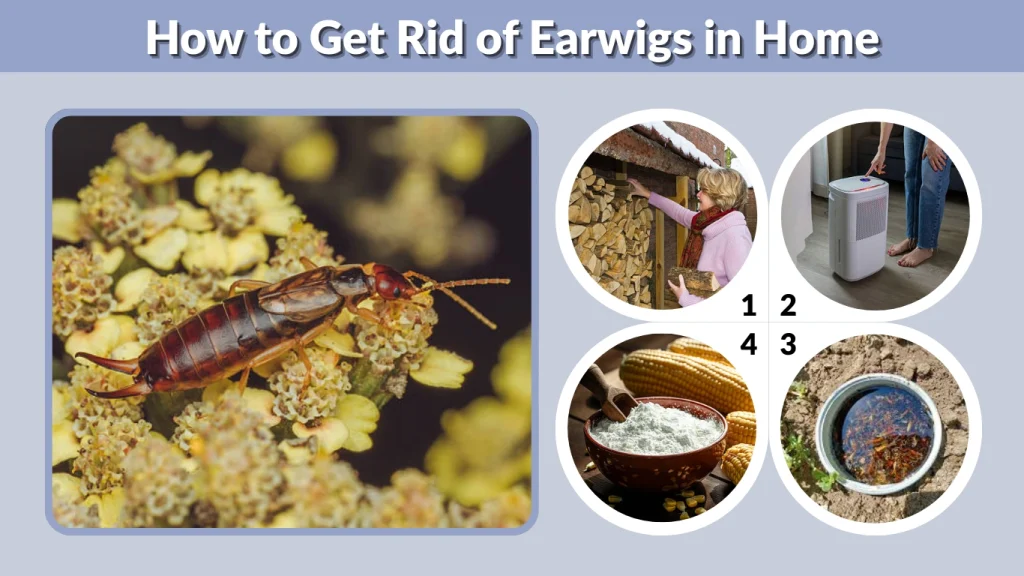
If earwigs become a nuisance inside your home, there are several simple steps you can take to remove them and prevent them from returning.
Remove Moisture Sources
Since earwigs are attracted to damp environments, reducing indoor moisture can make your home less appealing to them. Fix leaking pipes, improve ventilation in bathrooms, and consider using a dehumidifier in damp areas such as basements.
Clean and Declutter Indoor Areas
Keeping your home clean can reduce the chances of earwigs finding food or shelter. Regularly vacuum floors, wipe kitchen surfaces, and remove clutter where insects might hide.
Use Natural Traps
Simple traps can help reduce earwig numbers. For example, placing a shallow container filled with vegetable oil and soy sauce can attract earwigs and trap them overnight.
Vacuuming and Physical Removal
If you see earwigs inside your home, you can remove them easily by vacuuming or sweeping them up. Dispose of them outside or in a sealed bag.
Seal Entry Points
Preventing earwigs from entering is one of the most effective control methods. Seal cracks around doors, windows, and foundations, and install weather stripping where necessary.
How to Prevent Earwigs From Entering Your Home
Prevention is the best way to keep earwigs from becoming a problem indoors.
Reduce Outdoor Hiding Places
Remove piles of leaves, mulch, or wood that may provide shelter for earwigs near your home. Keeping these materials away from the foundation reduces the chance of insects entering.
Improve Drainage Around the House
Good drainage helps reduce moisture levels around the foundation of your home. Proper landscaping and gutter maintenance can help prevent water buildup.
Keep Food Properly Stored
Store food in sealed containers and clean up crumbs or spills promptly. This reduces the chance of attracting insects indoors.
Conclusion
Earwigs in the home can be unsettling, but they are usually harmless insects that enter houses while searching for moisture or shelter. Understanding why earwigs appear indoors and where they hide can help homeowners manage them effectively. By reducing moisture, sealing entry points, and maintaining a clean environment, it is possible to prevent earwigs from becoming a nuisance. With proper prevention and simple control methods, homes can remain comfortable and free of unwanted insect visitors.
