
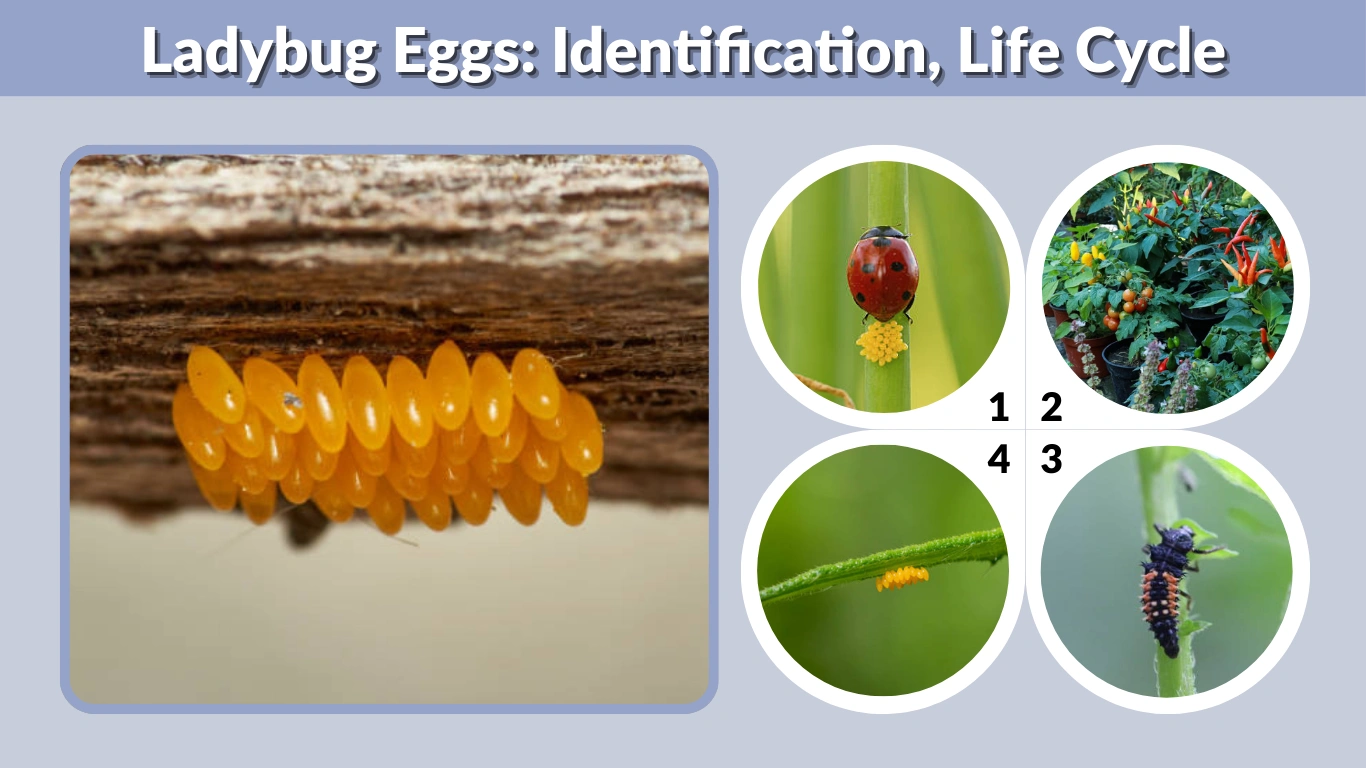
Ladybug eggs are the first stage in the life cycle of ladybugs, also known as lady beetles. These tiny eggs are often found on the underside of plant leaves, especially near colonies of aphids and other small insects. Although they are small and easy to overlook, they play an important role in garden ecosystems. When the eggs hatch, the larvae emerge and begin feeding on harmful pests. Understanding how to identify ladybug eggs and where they appear can help gardeners protect these beneficial insects and support natural pest control.
What Are Ladybug Eggs?
Ladybug eggs are the earliest stage in the development of ladybugs. Female ladybugs lay these eggs on plants where food will be available for the larvae after hatching. The strategy ensures that the young insects can immediately begin feeding and growing.
Ladybugs belong to the insect family Coccinellidae, which includes thousands of species worldwide. Most species share similar reproductive habits. After mating, a female ladybug searches for a location that contains a good supply of prey, particularly aphids. Once she finds a suitable spot, she lays clusters of eggs directly on leaves or stems.
The egg stage is short but crucial for the survival of the species. During this stage, the developing insect remains protected inside the egg while its body forms and prepares for the larval phase. Environmental conditions such as temperature and food availability influence how quickly the eggs develop.
Another interesting feature of ladybug reproduction is that females may lay both fertile and infertile eggs. The infertile eggs can serve as a food source for newly hatched larvae if prey is scarce, increasing their chances of survival during the early stages of life.
What Do Ladybug Eggs Look Like?
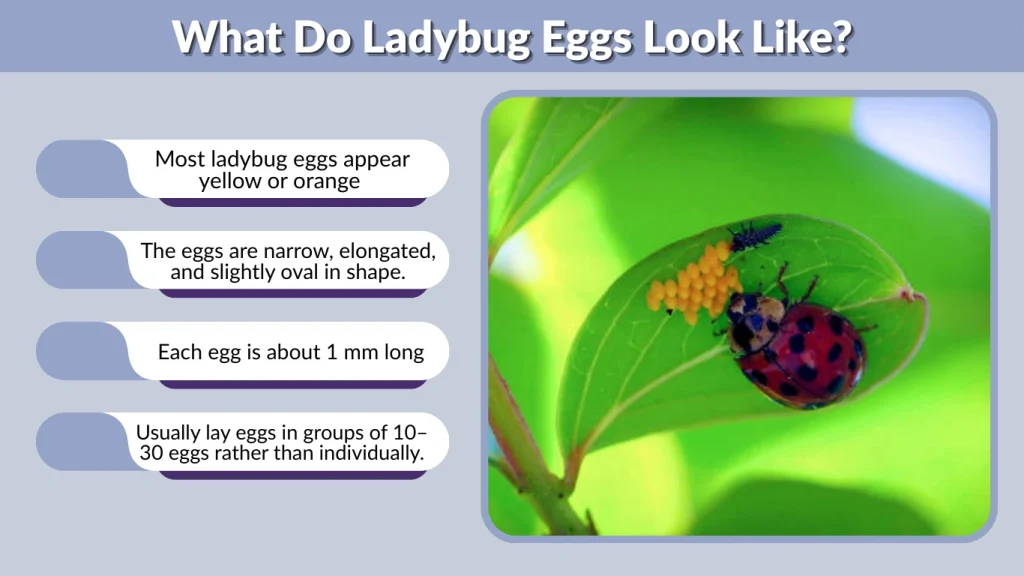
Ladybug eggs are small but easy to recognize once you know their key features. These eggs are usually laid in clusters on plant leaves, especially near aphid colonies where newly hatched larvae will find food. Their bright color and grouped arrangement help distinguish them from many other insect eggs commonly found in gardens.
Here are the main characteristics of ladybug eggs:
- Bright Yellow or Orange Color – Most ladybug eggs appear yellow or orange, making them visible against green leaves.
- Small Oval Shape – The eggs are narrow, elongated, and slightly oval in shape.
- Tiny Size – Each egg is about 1 mm long, so they are very small but still visible to the naked eye.
- Clustered Arrangement – Ladybugs usually lay eggs in groups of 10–30 eggs rather than individually.
- Upright Position – The eggs stand upright on the surface of leaves or stems.
- Located Under Leaves – They are commonly found on the underside of leaves, which protects them from predators and weather.
Because of these unique features, ladybug eggs can often be identified quickly by gardeners who regularly inspect their plants. Recognizing them helps ensure that these beneficial insects are protected and allowed to develop naturally.
Where Do Ladybugs Lay Eggs?
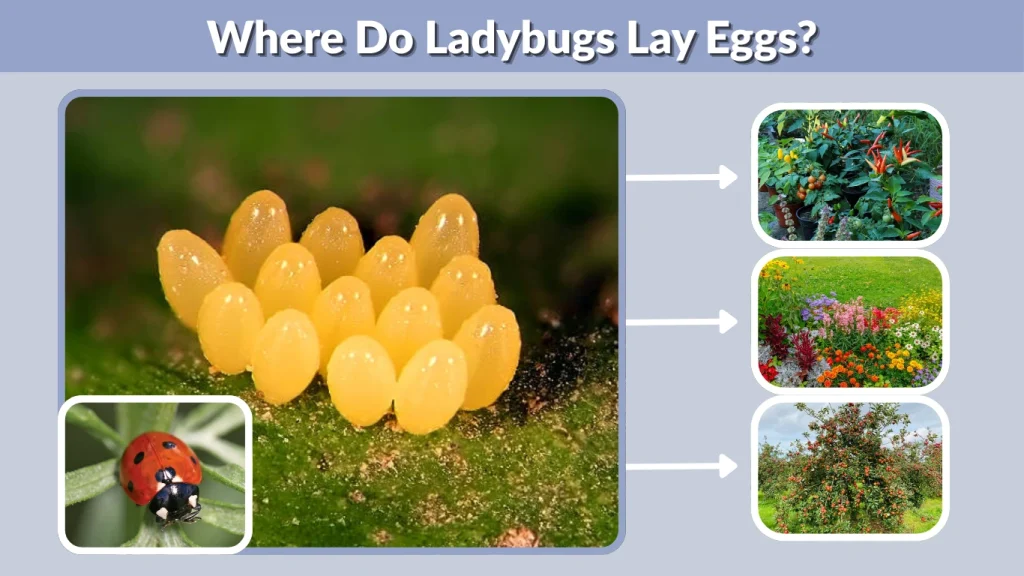
Ladybugs carefully choose locations that provide the best chance of survival for their offspring. Most species lay their eggs on plants where food is plentiful. The presence of aphids or other small insects often determines where egg clusters will appear.
One of the most common locations for ladybug eggs is the underside of leaves. This area offers protection from sunlight, rain, and predators. It also keeps the eggs hidden from many insects that might otherwise feed on them.
Ladybug eggs can be found on a wide variety of plants, including:
- Vegetable plants such as tomatoes, peppers, and beans
- Flowering garden plants
- Fruit trees and shrubs
- Wild plants that host aphids
In gardens, ladybugs are particularly attracted to plants that frequently experience aphid infestations. By laying eggs near these pests, the adult ladybugs ensure that their larvae will have an immediate food supply.
Season also plays an important role in egg-laying behavior. Most ladybugs reproduce during spring and early summer, when insect populations increase and food is abundant. During this time, gardeners are more likely to notice clusters of yellow eggs on plant leaves.
In warm climates, ladybugs may produce multiple generations each year. This means eggs can appear several times throughout the growing season, especially in areas where prey insects remain available.
Ladybug Egg Life Cycle

The egg stage is only the beginning of a fascinating transformation. Ladybugs undergo complete metamorphosis, which means they pass through four distinct stages of development: egg, larva, pupa, and adult.
Egg Stage Duration
Ladybug eggs usually hatch within three to ten days, depending on environmental conditions such as temperature and humidity. Warmer temperatures generally speed up development, while cooler weather can slow it down.
During this time, the embryo inside the egg grows and forms the structures needed for the larval stage. Although the eggs appear still and inactive from the outside, important biological changes are taking place inside.
Transition to the Larval Stage
When the eggs hatch, tiny larvae emerge and immediately begin searching for food. These larvae look very different from adult ladybugs. Instead of having a round body and bright colors, they have an elongated, dark body with small orange or yellow markings.
The larvae are extremely active predators. From the moment they hatch, they begin feeding on aphids and other small insects found on the plant.
Early Feeding Behavior
Because the eggs are laid near prey populations, the newly hatched larvae usually do not have to travel far to find food. This early feeding stage is critical for their growth and survival, as it provides the energy needed to develop into the next stage of their life cycle.
How Many Eggs Do Ladybugs Lay?
Ladybugs are capable of laying a large number of eggs during their lifetime, which helps ensure that at least some offspring survive to adulthood. The number of eggs laid depends on the species, environmental conditions, and the availability of food sources such as aphids.
Typically, a female ladybug lays 10 to 30 eggs in a single cluster. These clusters are carefully placed near areas where prey insects are abundant. Over time, a female may produce several clusters, especially if the environment provides enough food for the future larvae.
In total, a single female ladybug can lay several hundred eggs during her lifetime, and in some cases the number may exceed 1,000 eggs. This high reproductive rate is important because many eggs and larvae may not survive due to predators, weather conditions, or lack of food.
Several factors influence how many eggs a ladybug lays, including:
- Food availability: A large population of aphids encourages more egg-laying.
- Temperature: Warm temperatures often increase reproduction.
- Environmental conditions: Healthy plants and suitable habitats support ladybug populations.
By laying eggs in multiple clusters over time, ladybugs increase the chances that at least some larvae will successfully develop into adult beetles.
Are Ladybug Eggs Good for Gardens?
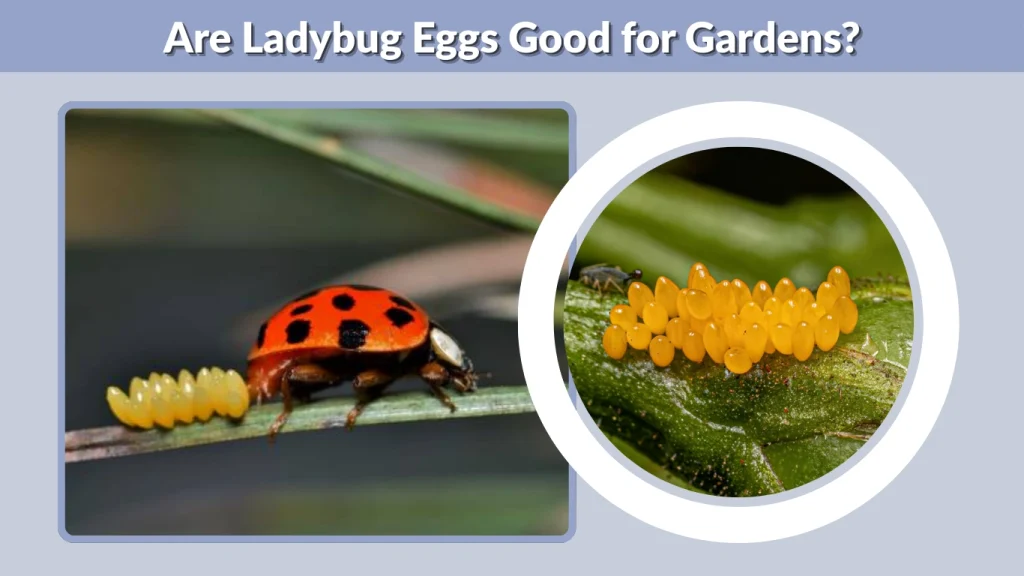
Ladybug eggs are a positive sign in any garden because they indicate the presence of beneficial insects. When the eggs hatch, the larvae quickly begin feeding on pests that can damage plants.
One of the most important garden pests controlled by ladybugs is the aphid. Aphids reproduce rapidly and can weaken plants by sucking sap from leaves and stems. When ladybug larvae emerge from eggs near aphid colonies, they begin reducing the pest population almost immediately.
The presence of ladybug eggs also signals that the garden ecosystem is healthy enough to attract natural predators. Gardens that avoid excessive pesticide use are more likely to support beneficial insects such as ladybugs.
For organic gardeners, ladybug eggs are especially valuable because they represent a natural form of pest control. Instead of using chemicals to eliminate pests, gardeners can rely on these insects to help maintain balance in the garden.
Protecting ladybug eggs allows more larvae to hatch, which increases the number of pest-eating insects available to protect plants.
How to Identify Ladybug Eggs in Your Garden
Identifying ladybug eggs correctly is important because they can sometimes be confused with the eggs of other insects. Fortunately, several characteristics make them easier to recognize.
One of the most noticeable features is their bright yellow or orange color. These colors stand out against green leaves, especially when the eggs are grouped together in clusters.
Ladybug eggs also have a narrow, oval shape and usually stand upright on the surface of the leaf. The eggs are arranged closely together in small groups, often in neat rows or clusters.
When looking for ladybug eggs, gardeners should check areas where aphids are present. Since ladybugs lay their eggs near food sources for their larvae, plants with aphid colonies are the most likely places to find them.
Common places to check include:
- The underside of leaves
- Stems of plants with aphids
- Vegetable plants such as tomatoes and beans
- Flowering plants that attract insects
Observing the eggs over several days can also help with identification. If the eggs are indeed from ladybugs, they will eventually hatch into small, dark larvae that begin moving around the plant while hunting pests.
Should You Protect Ladybug Eggs?
Protecting ladybug eggs is beneficial for maintaining a healthy garden ecosystem. When these eggs are allowed to hatch, they produce larvae that feed on many common plant pests.
One of the best ways to protect ladybug eggs is to avoid using chemical pesticides. Many pesticides kill both harmful and beneficial insects, including ladybug eggs and larvae. Reducing or eliminating pesticide use allows natural predators to thrive.
Gardeners can also support ladybugs by creating an environment that attracts them. Planting a variety of flowers and herbs can provide nectar and pollen for adult ladybugs, encouraging them to remain in the area and lay eggs.
Some helpful plants that attract ladybugs include:
- Dill
- Fennel
- Marigolds
- Yarrow
- Calendula
Maintaining diverse plant life and a balanced ecosystem helps ensure that ladybugs have both food and shelter. When adult ladybugs feel safe in a garden, they are more likely to reproduce and lay eggs nearby.
Ladybug Eggs vs Other Garden Insect Eggs
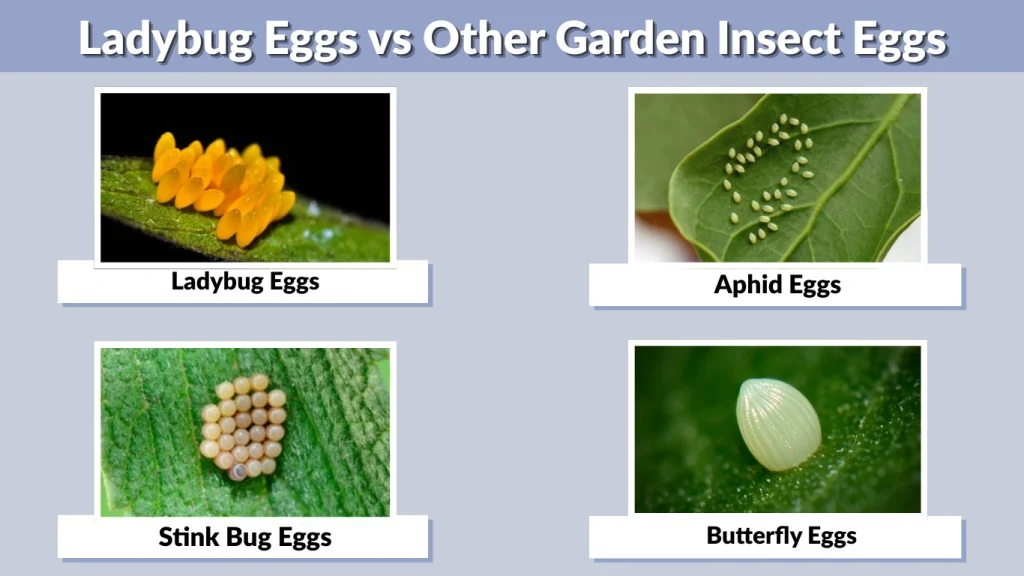
Because many insects lay eggs on plant leaves, it is possible to confuse ladybug eggs with those of other species. Knowing the differences can help gardeners avoid accidentally removing beneficial insects.
Ladybug Eggs vs Aphid Eggs
Aphid eggs are usually smaller and darker than ladybug eggs. They may appear black or brown and are often laid individually rather than in upright clusters. Aphid eggs are typically found on plant stems or bark rather than on leaf surfaces.
Ladybug Eggs vs Stink Bug Eggs
Stink bug eggs are often arranged in tight clusters that resemble tiny barrels. They are usually pale green or light-colored and have a distinctive shape with a flat top. In contrast, ladybug eggs are elongated and more oval in appearance.
Ladybug Eggs vs Butterfly Eggs
Butterfly eggs are typically laid one at a time and often have intricate patterns or ridges. Ladybug eggs are usually grouped together in clusters and have a smoother surface.
Understanding these differences helps gardeners recognize which insects are beneficial and which may cause plant damage.
Common Myths About Ladybug Eggs
There are several misconceptions about ladybug eggs that sometimes lead people to remove them from plants.
Myth: Ladybug Eggs Harm Plants
Ladybug eggs do not damage plants. They simply remain attached to the leaf surface until they hatch.
Myth: Yellow Egg Clusters Are Always Pests
While some insects lay yellow eggs, many clusters found near aphid colonies are actually from ladybugs. Removing them may eliminate beneficial predators that help control pests.
Myth: Ladybug Eggs Should Be Removed from Leaves
Some gardeners believe that removing insect eggs will protect their plants. In reality, removing ladybug eggs can reduce the number of beneficial insects that help control pests naturally.
FAQs
How long do ladybug eggs take to hatch?
Ladybug eggs typically hatch within three to ten days, depending on temperature and environmental conditions.
What color are ladybug eggs?
Most ladybug eggs are bright yellow or orange, which helps make them easier to identify on green plant leaves.
Can you move ladybug eggs to another plant?
It is possible to carefully move them, but it is usually best to leave them where they are. The eggs are typically placed near food sources for the larvae.
Do all ladybug eggs survive?
Not all eggs survive due to predators, weather conditions, or limited food supply. However, laying eggs in clusters increases the chances that some will successfully develop into adult ladybugs.
