

Cockroaches are one of the most unwanted pests in any home. Whether you’re seeing small cockroaches in the kitchen or large ones crawling at night, these insects can quickly become a big problem.
In this guide, you’ll learn how to identify house cockroaches, what causes them to invade your space, and effective ways to get rid of them—and keep them out for good.
Small Cockroaches in the House
1. German Cockroach

The German cockroach is one of the most common small house cockroaches. It prefers warm and humid places inside homes, especially in kitchens and bathrooms. Even though it’s small, it causes big trouble once it spreads.
Identification:
- Light brown or tan color
- Two dark stripes running down the back
- About ½ inch in size
- Long antennae
- Flat body, fast runner
Habitat:
German cockroaches usually hide in tight cracks, behind stoves, refrigerators, and under sinks. They are drawn to areas with food, grease, and moisture.
Behavior:
These small house cockroaches are mostly active at night. They hide during the day and quickly scatter when the lights come on. They breed fast and can multiply in a short time.
Risks & Signs:
They leave behind small dark droppings that look like coffee grounds. You may also notice egg cases, shed skins, or a bad odor in infested areas.
2. Brown-Banded Cockroach
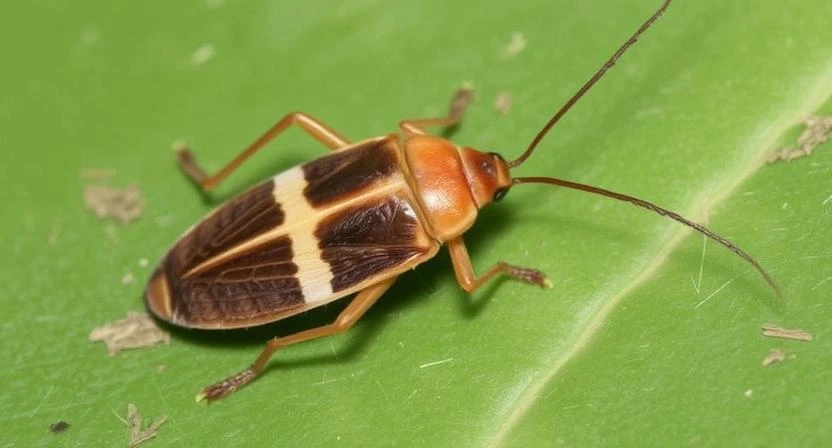
The brown-banded cockroach is another small house cockroach that hides in unusual spots. Unlike others, it doesn’t need much moisture and is often found in dry areas like bedrooms or closets.
Identification:
- Light brown with two lighter bands across wings and abdomen
- About ½ inch long
- Males have full wings; females have shorter wings
- Moves quickly when disturbed
- Small and flat body
Habitat:
They hide in high places like ceilings, behind picture frames, furniture, and electronics. They avoid water and prefer warm, dry spots.
Behavior:
This type of small house cockroach is mostly active at night. They jump or fly short distances and can be hard to catch. They lay egg cases in hidden areas far from food sources.
Risks & Signs:
Droppings are tiny and dark, usually found on shelves or behind furniture. You may also find their yellowish egg capsules glued to surfaces.
3. Asian Cockroach

The Asian cockroach looks like the German cockroach but behaves differently. It’s a small house cockroach that is attracted to light and can even fly into homes through open windows or doors.
Identification:
- Light brown with two dark stripes on the back
- Around ½ inch long
- Wings are slightly longer than the body
- Often mistaken for German cockroach
- Capable of flight
Habitat:
They often live outdoors in mulch, grass, and leaf piles but can enter homes through lighted areas. Once inside, they may rest on curtains, walls, or lamps.
Behavior:
Unlike most cockroaches, they are drawn to light. They fly toward TV screens, lamps, or porch lights at night and may enter homes in large numbers.
Risks & Signs:
Though not harmful like other cockroaches, their presence indoors can be annoying. You might spot them flying toward light or resting on walls.
4. Pennsylvania Wood Cockroach (Juvenile)

Juvenile Pennsylvania wood cockroaches are small and sometimes wander indoors by mistake. Though mostly outdoor insects, young ones may become a nuisance inside homes, especially near wooded areas.
Identification:
- Brown body with a rough, flat appearance
- About ½ inch or smaller in juvenile stage
- No wings (in young ones)
- Long antennae
- Moves slowly compared to other roaches
Habitat:
These cockroaches live in firewood piles, under loose bark, or around wooded structures. Juveniles may enter homes through firewood brought inside.
Behavior:
They are not true indoor pests but may appear during spring. They don’t breed indoors and usually die off if not returned outdoors.
Risks & Signs:
Not dangerous, but can alarm people when found indoors. No droppings or egg cases like other house cockroaches.
5. Surinam Cockroach

Surinam cockroaches are small to medium-sized and more common in tropical climates. They often hide in potted plants and may be brought indoors unintentionally.
Identification:
- Light brown to dark brown
- About ¾ inch long
- Smooth body with shiny wings (in adults)
- Females have rounded backs
- Small nymphs are wingless and darker
Habitat:
They are often found in moist soil of houseplants, greenhouses, and basements. These roaches like humidity and warmth.
Behavior:
Surinam cockroaches don’t usually infest homes heavily but can become a problem if indoor plants are overwatered. Females carry eggs inside their bodies and give birth to live young.
Risks & Signs:
They may be seen crawling around plant pots or coming out at night. Infested soil may contain young cockroaches or egg cases.
Large Cockroaches in House
1. American Cockroach
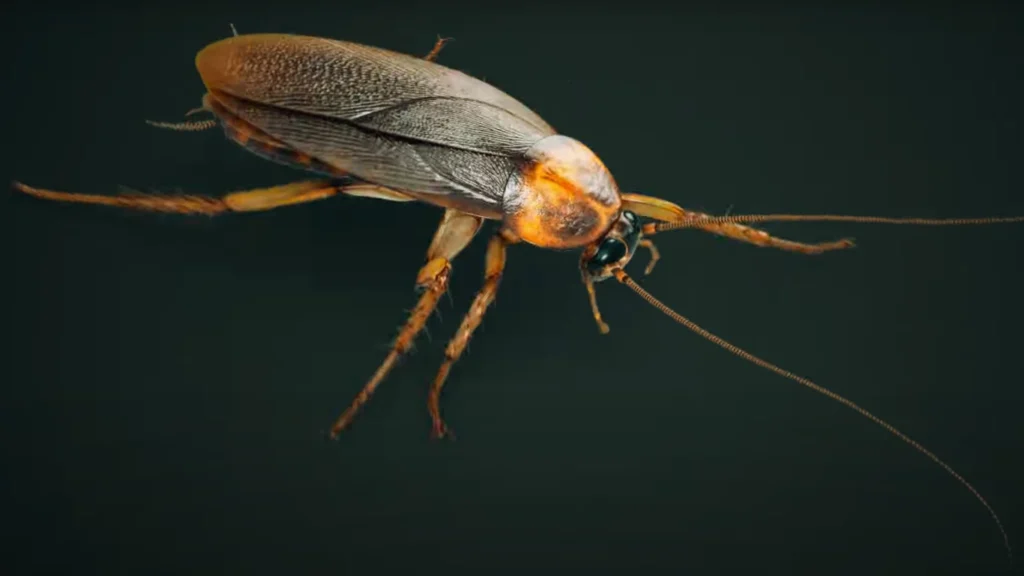
The American cockroach is one of the biggest house cockroaches. It can grow over 2 inches long and is often found in basements, bathrooms, and sewer-connected areas of the house.
Identification:
- Reddish-brown body
- Around 1.5 to 2 inches long
- Yellowish figure-eight pattern behind the head
- Long wings, capable of gliding
- Long antennae
Habitat:
They live in warm, damp places such as basements, crawl spaces, laundry rooms, and near drains. They can also move through pipes and sewer lines.
Behavior:
These large house cockroaches are mostly active at night. They feed on crumbs, garbage, and even paper. They’re fast and can glide when startled.
Risks & Signs:
They can spread bacteria from dirty places into your home. You may notice a strong, musty odor or see them crawling in bathrooms and kitchens at night.
2. Oriental Cockroach
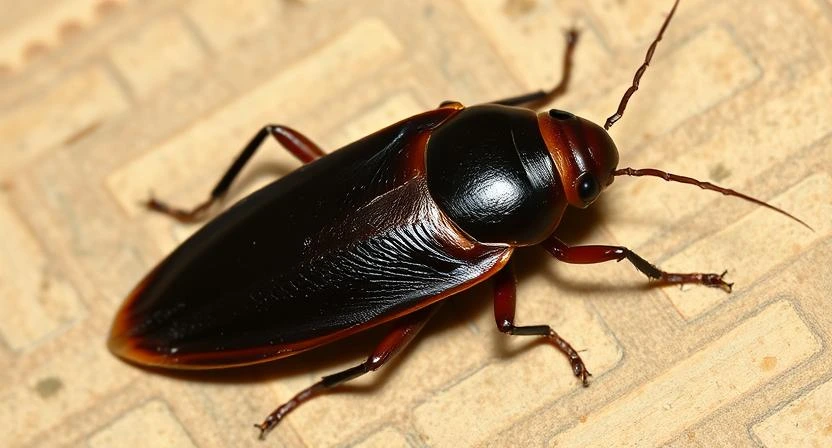
The Oriental cockroach is a large, dark-colored cockroach often found in cool, damp areas of the house. It’s slower than other cockroaches and gives off a strong smell when present in large numbers.
Identification:
- Shiny dark brown or almost black
- Around 1 to 1.25 inches long
- Males have short wings; females have tiny wing pads
- Broad, flat body
- Slow-moving
Habitat:
They prefer basements, crawl spaces, drains, and other moist places. You might also find them in laundry rooms or under sinks.
Behavior:
These cockroaches are not good climbers and usually stay near ground level. They feed on decaying matter and garbage, making them common in trash areas.
Risks & Signs:
They produce a strong, musty odor. You may spot them near drains or see dark droppings and shed skins in damp places.
3. Smokybrown Cockroach

The smokybrown cockroach is a flying, large house cockroach often attracted to lights. It commonly enters homes from trees or gutters and is more active in humid areas.
Identification:
- Dark brown or mahogany-colored
- Around 1 to 1.5 inches long
- Wings are longer than the body
- Shiny and uniform in color
- Strong flyer
Habitat:
Often found in attics, crawl spaces, garages, and wall voids. Outdoors, they live in trees, gutters, and woodpiles.
Behavior:
They are attracted to lights and may fly indoors through open windows or vents. Unlike some cockroaches, they need lots of moisture to survive.
Risks & Signs:
You might see them near light sources at night or find dead ones in sinks and bathrooms. They can also spread germs from outdoor areas into your home.
4. Florida Woods Cockroach

The Florida woods cockroach is a big, slow-moving cockroach that can sometimes wander into homes near wooded or garden areas. It’s also known as the “stinking cockroach” due to the strong odor it releases.
Identification:
- Dark reddish-brown to black
- About 1.5 to 2 inches long
- Very wide, flat body
- Wingless or very short wings
- Thick and heavy build
Habitat:
Usually lives outdoors under logs, mulch, or leaf litter, but may enter homes near wooded yards or gardens. Inside, they’re seen near doors or garages.
Behavior:
This cockroach is not fast and doesn’t climb well. It relies on hiding rather than running. When threatened, it releases a strong smell as a defense.
Risks & Signs:
Though not aggressive indoors, its size and odor can be disturbing. May appear in ground-level rooms near open doors or firewood piles.
5. Australian Cockroach
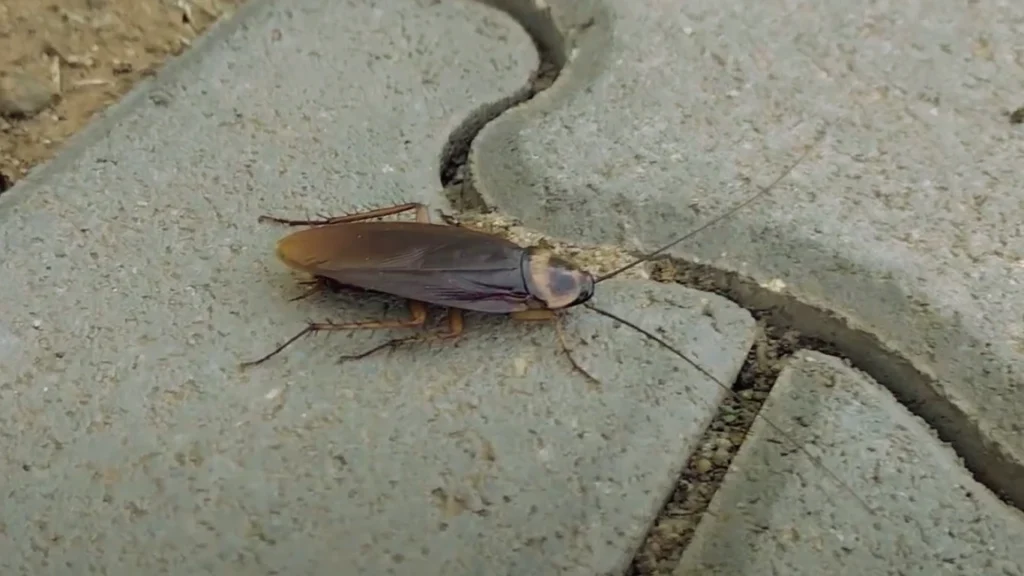
The Australian cockroach is a large flying cockroach that looks similar to the American cockroach but has noticeable yellow markings. It usually comes indoors looking for food and water.
Identification:
- Reddish-brown body
- About 1.25 to 1.5 inches long
- Yellow edges on thorax and wings
- Long wings and strong flier
- Slender body compared to other large roaches
Habitat:
They live outside in gardens, greenhouses, and mulch beds. Inside the house, they are drawn to kitchens, bathrooms, and laundry rooms.
Behavior:
Active at night, they can fly indoors through windows or vents. They feed on plant matter, food crumbs, and even pet food.
Risks & Signs:
You may spot them flying toward lights or crawling around sinks. Their droppings and egg cases may be found near water sources.
What Causes Cockroaches in the House?
Cockroaches enter homes looking for food, water, and shelter. Crumbs, dirty dishes, or open trash can quickly attract small house cockroaches. Leaky pipes and damp areas also provide perfect conditions, especially for larger species. Cluttered spaces and cardboard boxes offer hiding spots.
Even clean homes can get roaches if there are entry points like cracks, vents, or open windows. Living near gardens or woodpiles increases the chance of cockroaches finding their way inside.
How Do Cockroaches Get in the House?
Cockroaches can squeeze through the tiniest cracks, gaps, or holes around windows, doors, and walls. They may enter through vents, drains, or even open doors, especially at night when lights attract flying types like the smokybrown cockroach.
Some cockroaches get inside through groceries, cardboard boxes, or secondhand furniture. They hide during transport and come out once indoors. This is a common way small house cockroaches like the German cockroach spread quickly.
In apartments or connected buildings, cockroaches can travel from house to house through shared plumbing or walls. One infested unit can easily spread pests to others.
How to Get Rid of Cockroaches in the House (Step-by-Step)
Getting rid of cockroaches takes patience and consistency. Whether you’re dealing with small or large house cockroaches, follow these steps to control and remove them from your home:
Step 1: Clean Up All Food and Water Sources
- Wipe kitchen counters and floors daily
- Store food in sealed containers
- Don’t leave pet food out overnight
- Fix leaking taps and wipe up standing water
Step 2: Declutter and Remove Hiding Spots
- Throw away unused boxes, papers, and bags
- Clean behind furniture and appliances
- Keep cabinets and drawers organized
Step 3: Set Traps and Use Baits
- Place gel bait or cockroach bait stations near sinks, behind stoves, and in dark corners
- Use sticky traps to monitor activity and reduce numbers
Step 4: Use Natural Repellents (Optional)
- Sprinkle diatomaceous earth along baseboards
- Mix water and peppermint oil or vinegar to spray entry points
- Keep bay leaves or cucumber slices in problem areas
Step 5: Seal Entry Points
- Use caulk to seal cracks and gaps around walls, windows, and pipes
- Cover sink and tub drains overnight with stoppers
Step 6: Empty Trash and Deep Clean Weekly
- Take out the garbage daily
- Clean behind the fridge, oven, and under the sink weekly
- Vacuum regularly to remove crumbs and eggs
Step 7: Call Pest Control (If Needed)
- If the infestation continues after trying these steps, a professional exterminator can use stronger, targeted treatments to eliminate them completely.
How to Keep Cockroaches Out of Your House
Keeping your house cockroach-free is all about routine and sealing off entry points. Once you remove them, follow these tips to prevent them from coming back.
1. Seal Entry Points
Use caulk to close cracks in walls, gaps under doors, and holes around pipes. Install door sweeps and repair broken window screens.
2. Keep the House Clean
Wipe down kitchen counters, sweep floors, and wash dishes daily. Store food in sealed containers and keep pet food covered.
3. Fix Moisture Issues
Cockroaches need water, so fix leaks under sinks, around toilets, and in basements. Use a dehumidifier if needed.
4. Take Out Trash Daily
Use a trash bin with a tight lid and empty it regularly. Clean the bin weekly to remove residue.
5. Maintain Outdoor Areas
Trim bushes away from the house, remove leaf piles, and keep gutters clean. These steps stop roaches from gathering outside and sneaking in.
House Centipede vs Cockroach:
| Feature | House Centipede | Cockroach |
| Appearance | Long body with many legs (15 pairs) | Flat body, 6 legs, with antennae |
| Size | 1 to 1.5 inches | Varies – small (½ inch) to large (2 inches) |
| Speed | Very fast | Fast, especially small types |
| Diet | Eats insects like cockroaches, ants | Eats crumbs, garbage, paper, glue |
| Behavior | Hides in damp places, hunts at night | Hides in dark places, scavenges at night |
| Danger to Humans | Not harmful; rarely bites | Can spread bacteria, trigger allergies |
| Pest or Predator? | Natural predator – helpful in control | Household pest – needs removal |
| Seen in Homes | Bathrooms, basements, under sinks | Kitchens, bathrooms, behind appliances |
