

Bed bug bites can be a frustrating and uncomfortable experience, often leaving people wondering how long they will last. These tiny, reddish-brown insects feed on human blood, typically at night, causing itchy, red welts on the skin. While bed bug bites are not known to transmit diseases, they can be highly irritating and sometimes lead to complications like secondary infections or allergic reactions.
If you have been bitten by bed bugs, you might be curious about the healing process and ways to relieve discomfort. In this article, we’ll explore how long bed bug bites last, factors that influence healing time, and effective treatment options to speed up recovery.
What Do Bed Bug Bites Look Like?
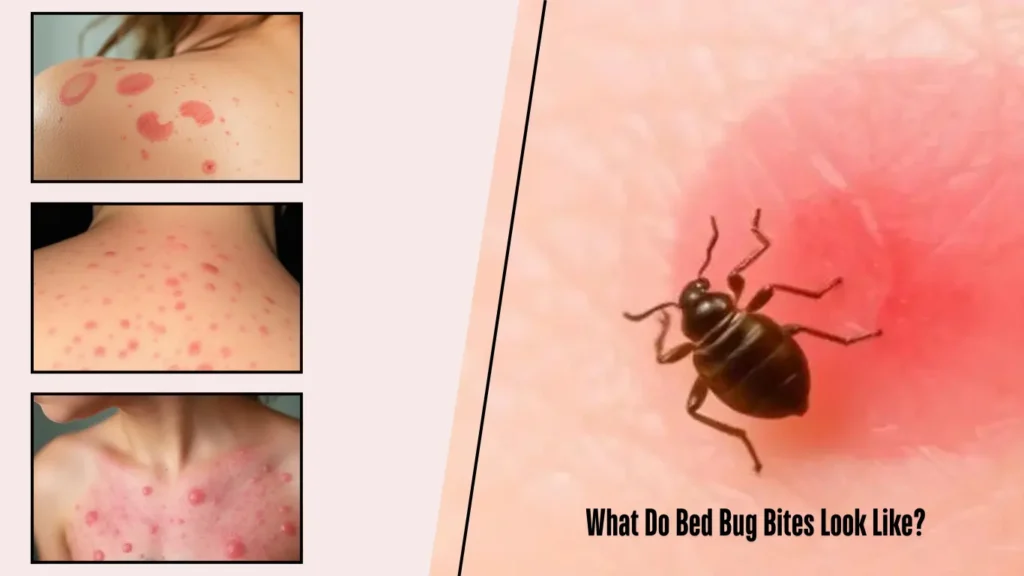
Before discussing the duration of bed bug bites, it’s essential to identify them correctly. Bed bug bites typically appear as red, swollen, and itchy bumps. They often occur in clusters or a line on exposed skin and are commonly found on the face, arms, neck, hands, and legs. These bites resemble mosquito or flea bites but may have a darker center.
Some people may not react to bed bug bites at all, while others may develop more severe symptoms, including blisters or hives. Proper identification is crucial because mistaking them for other insect bites could delay appropriate treatment.
How Long Do Bed Bug Bites Last?

The duration of bed bug bites varies from person to person. Mild cases typically last between three to seven days, while moderate cases may persist for one to two weeks. In severe cases, particularly for individuals with sensitive skin or allergies, bed bug bites can last up to three weeks or more.
The healing process largely depends on the individual’s immune response, skin sensitivity, and whether the bites are scratched or infected. If left alone, most bed bug bites will fade naturally without causing long-term skin damage.
Stages of Healing
Bed bug bites follow a typical healing process.
- Day 1–3: Initial redness, swelling, and itching occur as the body reacts to the bite. Some people may experience mild pain or discomfort.
- Day 4–7: The irritation may peak, with some individuals developing blisters or experiencing heightened itching.
- Day 8–14: Symptoms gradually fade, and the affected area begins to heal. Some people may notice dark spots or hyperpigmentation.
Factors That Influence Healing Time
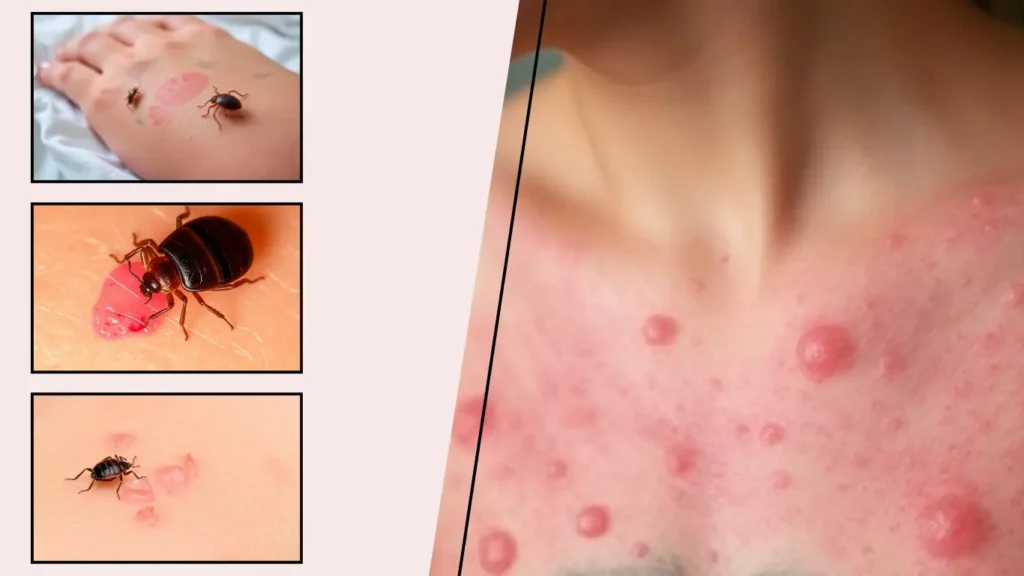
Several factors affect how quickly bed bug bites heal. People with sensitive skin may experience prolonged irritation, while those with a strong immune system tend to recover faster. Scratching the bites can lead to secondary infections, delaying healing. Additionally, using proper treatment methods can speed up the recovery process and reduce discomfort.
How to Treat Bed Bug Bites for Faster Healing
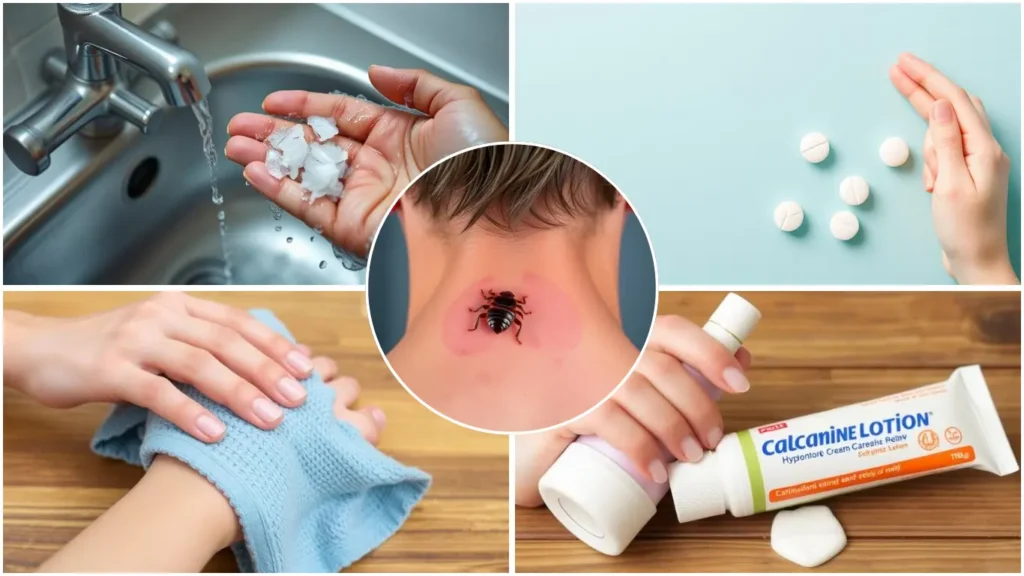
There are several ways to alleviate discomfort and speed up the recovery process.
- Immediate care: Washing the affected area with mild soap and warm water can prevent infections and reduce irritation.
- Home remedies: Applying ice packs, aloe vera, or baking soda paste can soothe itching and inflammation.
- Over-the-counter treatments: Using antihistamines, hydrocortisone cream, or calamine lotion can help relieve swelling and discomfort.
- When to see a doctor: If the bites become infected, show severe swelling, or persist beyond three weeks, medical attention may be necessary.
How to Prevent Future Bed Bug Bites
The best way to avoid dealing with bed bug bites is to prevent infestations in the first place.
- Identifying bed bugs in your home: Look for rust-colored stains on sheets and mattresses, inspect mattress seams and furniture crevices, and use a flashlight to examine dark corners and cracks.
- Cleaning and decluttering: Keeping your home clean and clutter-free reduces hiding spots for bed bugs.
- Using protective covers: Encasements for mattresses and pillows can help prevent infestations.
- Professional extermination: If an infestation is severe, hiring pest control experts may be necessary.
When to Seek Medical Help
While bed bug bites are usually harmless, medical attention is needed in certain situations.
- Signs of an allergic reaction: Severe itching, hives, or difficulty breathing require immediate medical care.
- Severe swelling or pain: Excessive swelling or persistent pain could indicate an infection or a more severe reaction.
- Infection symptoms: If the bite site develops pus, extreme redness, or a fever accompanies the bites, seek medical advice.
Conclusion
Bed bug bites typically last between three days and two weeks, with severe cases taking longer to heal. The healing time depends on skin sensitivity, immune response, and treatment methods. While bed bug bites are not dangerous, they can be itchy and uncomfortable, so proper care is essential to avoid complications.
Preventing bed bug infestations is the best way to avoid bites altogether. Regular home inspections, cleanliness, and professional extermination when necessary can help keep these pests away.
If you’re struggling with persistent bites, excessive itching, or signs of infection, consider consulting a doctor for further advice. With proper care, you can recover quickly and prevent future infestations from becoming a recurring issue.
