
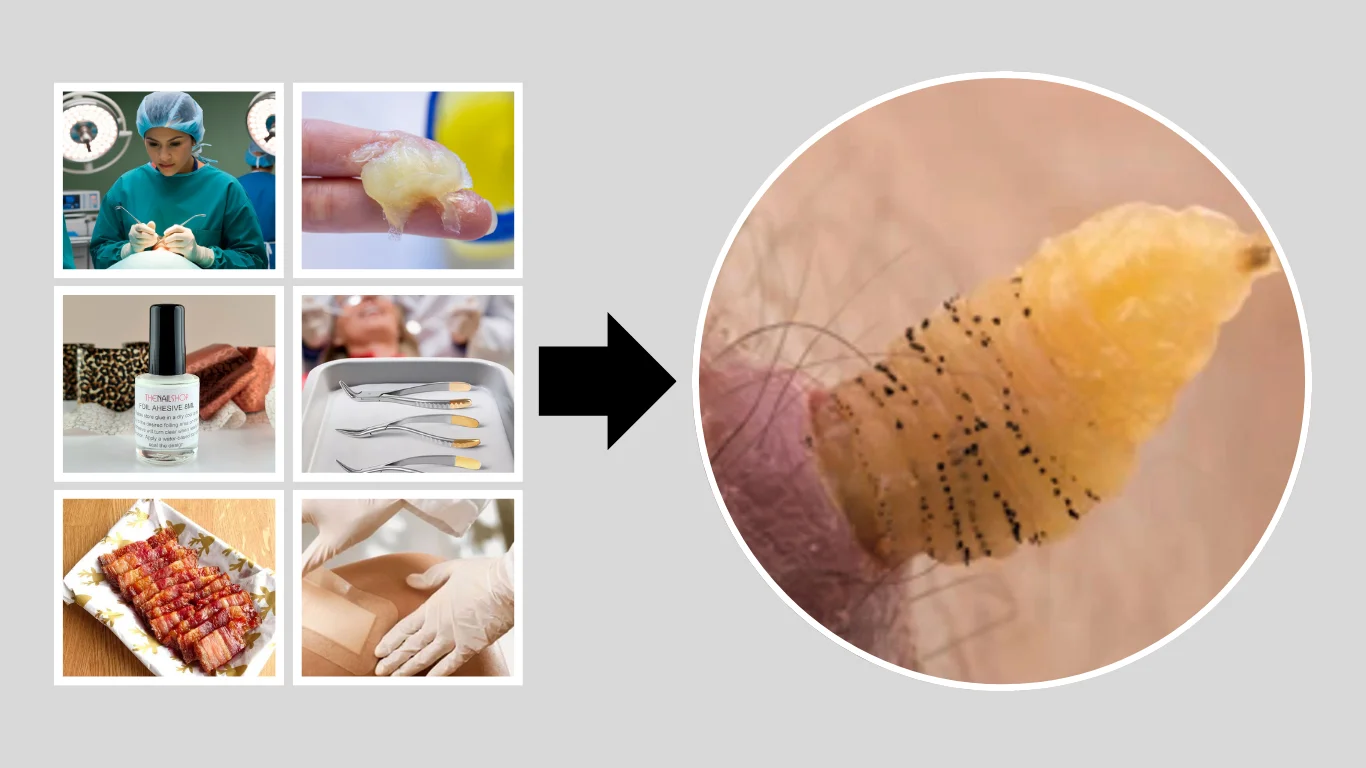
Botflies are parasitic insects known for their disturbing habit of laying eggs that develop into larvae under the skin of humans or animals. Once embedded, these larvae can cause painful swelling, itching, and even infection if not properly removed. Whether you’re dealing with a human case or trying to help a pet, botfly removal requires care and the right method to avoid complications. In this article, I’ll walk you through 10 effective botfly removal techniques—ranging from medical procedures to home remedies—so you can choose the safest and most suitable approach. Always consult a healthcare professional before attempting any removal on your own.
1. Surgical Extraction by a Medical Professional
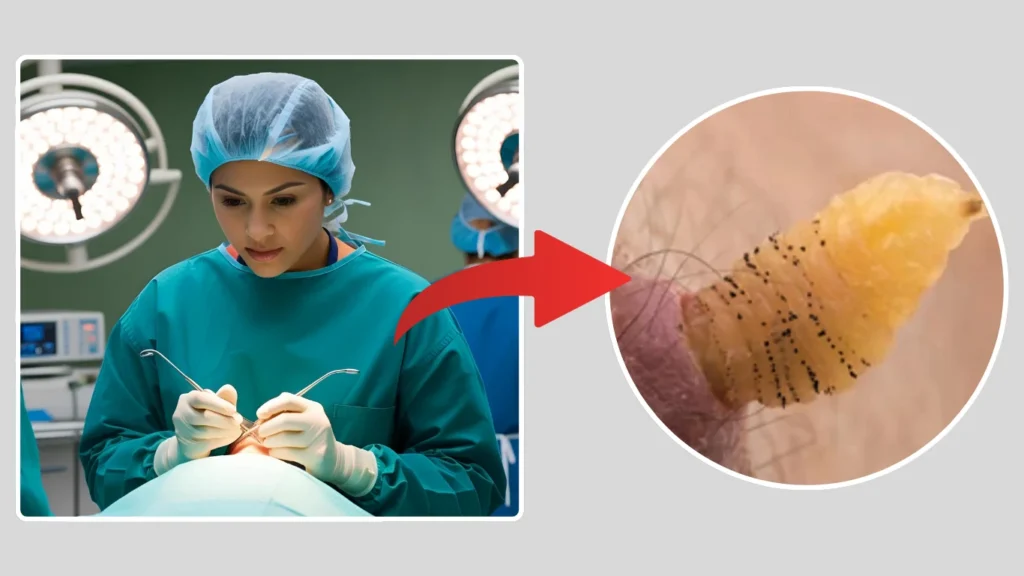
Surgical extraction is considered the most reliable and safest method for removing a botfly larva, especially in cases where the larva is deeply embedded or has caused significant irritation. This method is typically performed by a doctor or trained healthcare provider in a clean, sterile environment to minimize risks of infection and ensure the complete removal of the larva.
How It Works
A small incision is made over the lump where the larva resides. The doctor then uses sterile tools, such as forceps, to gently extract the larva in one piece. The wound is cleaned thoroughly afterward and may be stitched or bandaged, depending on its size.
When to Use It
- When the larva is too deep to be removed safely at home
- If there are signs of infection like pus, swelling, or fever
- When previous removal attempts have failed
- In sensitive or dangerous locations like the eyelid, scalp, or genital area
Pros and Cons
Pros:
- High success rate with minimal complications
- Professional handling reduces infection risk
- Immediate relief and proper wound care
Cons:
- May require local anesthesia
- Can be costly without insurance
- Might leave a small scar
Medical Recommendation
Doctors typically recommend surgical removal for larger infestations or when the larva cannot be coaxed out through non-invasive methods. It’s also the preferred method for removing botfly larvae in pets, especially if they’re showing signs of discomfort or infection. Always seek professional help if you’re unsure about the depth or type of infestation.
2. Petroleum Jelly Suffocation Method
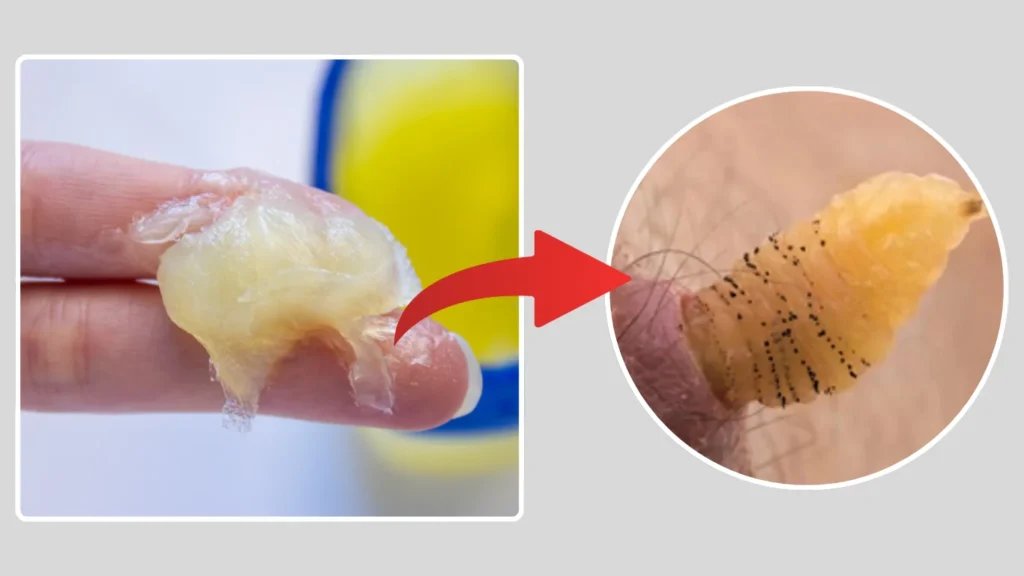
This is one of the most common home remedies used to remove botfly larvae. The principle behind this method is simple: by cutting off the larva’s air supply, it will eventually emerge from the skin to breathe, making it easier to extract without force.
How It Works
The larva breathes through a small hole it maintains in the skin. Covering this hole with a thick layer of petroleum jelly (like Vaseline) blocks the oxygen, causing the larva to move upward seeking air. Once it partially emerges, it can be gently pulled out with sterilized tweezers.
Steps to Apply
- Clean the area with warm water and mild soap.
- Apply a thick layer of petroleum jelly over the breathing hole.
- Cover the area with a clean bandage or gauze.
- Wait several hours or overnight.
- Check if the larva has emerged and use sterilized tweezers to pull it out.
Expected Time for Larva Exit
Typically, the larva may try to emerge within 3–12 hours. However, success may vary depending on how long it has been inside the skin and how deep it is embedded.
Safety Notes
- Do not squeeze the lump forcefully
- Ensure the entire larva is removed to avoid infection
- Clean the area thoroughly after removal
- Seek medical help if irritation worsens
3. Bacon Strip Technique
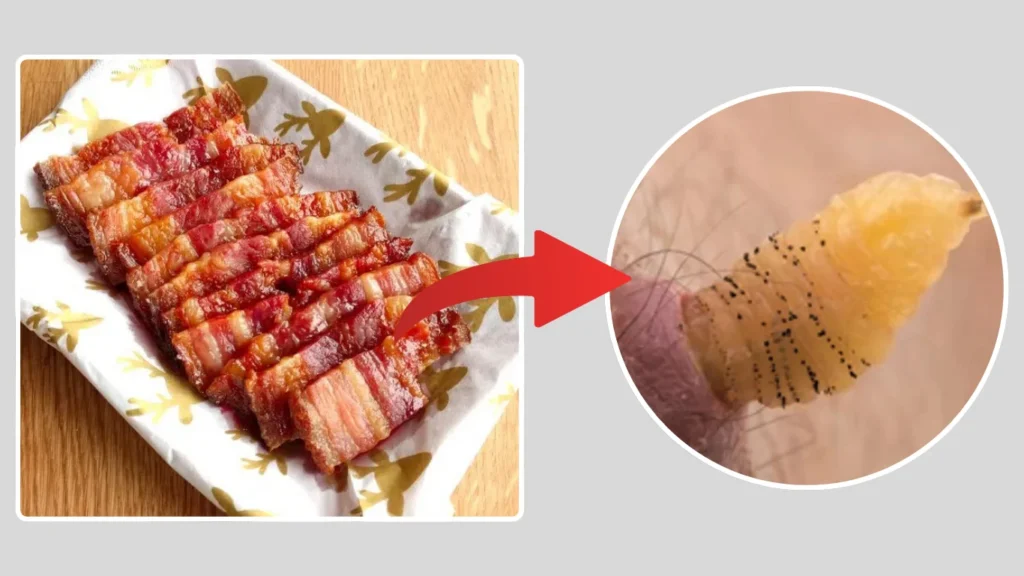
Though unusual, the bacon strip technique is a time-tested folk remedy used in some rural areas to lure the larva out using a piece of fatty meat.
How It Works
The fatty scent and texture of the bacon are thought to attract the larva, which then crawls upward into the meat. The strip essentially acts as bait, pulling the larva out of the skin over time.
Materials Needed
- One small, raw bacon strip
- Gauze or bandage to hold it in place
- Antiseptic for cleaning before and after
Step-by-Step Process
- Clean the affected skin gently
- Place the raw bacon directly over the breathing hole
- Tape or bandage it securely
- Leave it in place for 8–12 hours
- Remove the bacon and inspect for larval presence
- If visible, gently extract with tweezers
Effectiveness and Drawbacks
Effectiveness:
- Can work for shallow larvae
- Non-invasive alternative to surgery
Drawbacks:
- Risk of bacterial contamination from raw meat
- May not be effective for deeper infestations
- Can irritate sensitive skin
Note: Use this method only if other options are unavailable and follow up with proper wound cleaning and monitoring.
4. Nail Polish or Glue Sealing
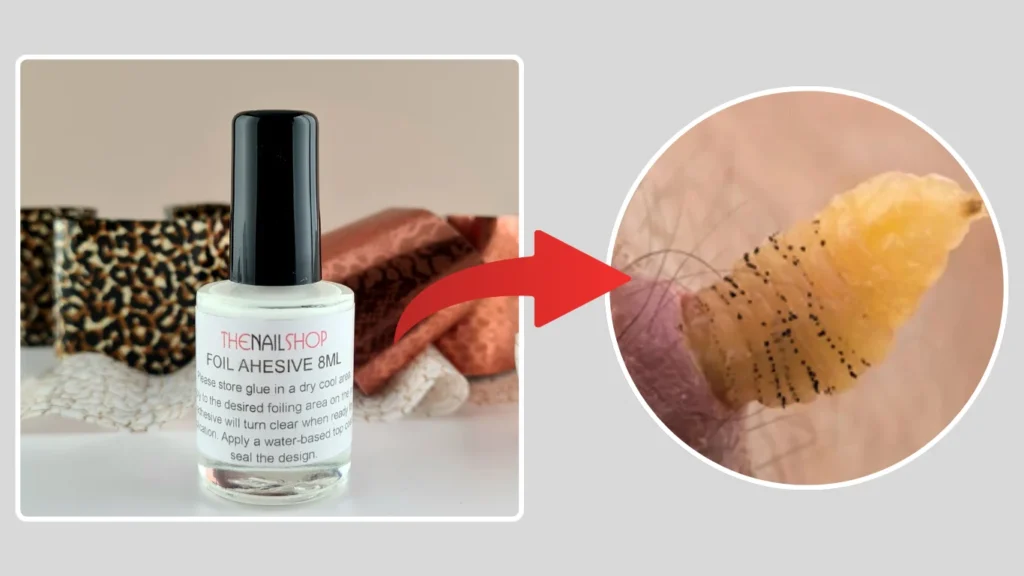
This method works similarly to the petroleum jelly technique, aiming to suffocate the larva by sealing its breathing hole. People often use clear nail polish or non-toxic school glue as a quick household solution.
How It Works
By applying a layer of glue or nail polish directly over the larva’s breathing hole, oxygen is blocked. As a result, the botfly larva becomes distressed and attempts to move upward for air, partially emerging from the skin.
How to Apply It Properly
- Clean the skin with soap and warm water.
- Apply a thick layer of clear nail polish or glue over the breathing pore.
- Allow it to dry and keep the area covered with gauze if needed.
- After several hours, check for larva movement.
- Gently remove the covering and pull out the exposed larva with sterilized tweezers.
What to Expect
This method may take several hours to work. Patience is key, and more than one application might be needed if the larva is unresponsive.
When Not to Use This Method
- If you have sensitive or broken skin
- If allergic to any chemicals in the glue or polish
- If the larva is embedded too deep
5. Tweezers Extraction

This is a direct but risky method. It involves using tweezers to pull the botfly larva out of the skin without prior suffocation or coaxing. It should only be attempted if the larva is clearly visible and close to the surface.
How It Works
With the larva exposed (either naturally or by suffocation), tweezers are used to grab the visible part and pull it out slowly and steadily to avoid tearing it.
Dangers of Incomplete Removal
- Larval body may break, leaving parts behind
- Risk of severe infection
- Inflammation or abscess may occur
Sterilization Tips
- Use alcohol or boiling water to sterilize metal tweezers
- Wear clean gloves or wash hands thoroughly
- Clean the wound immediately after removal with antiseptic
When to Avoid It
- If the larva is not visible
- If there’s swelling, infection, or pus
- If you feel unsure or unsteady about the removal
Always consult a medical professional if removal seems difficult or if complications arise after extraction.
6. Occlusive Tape Method
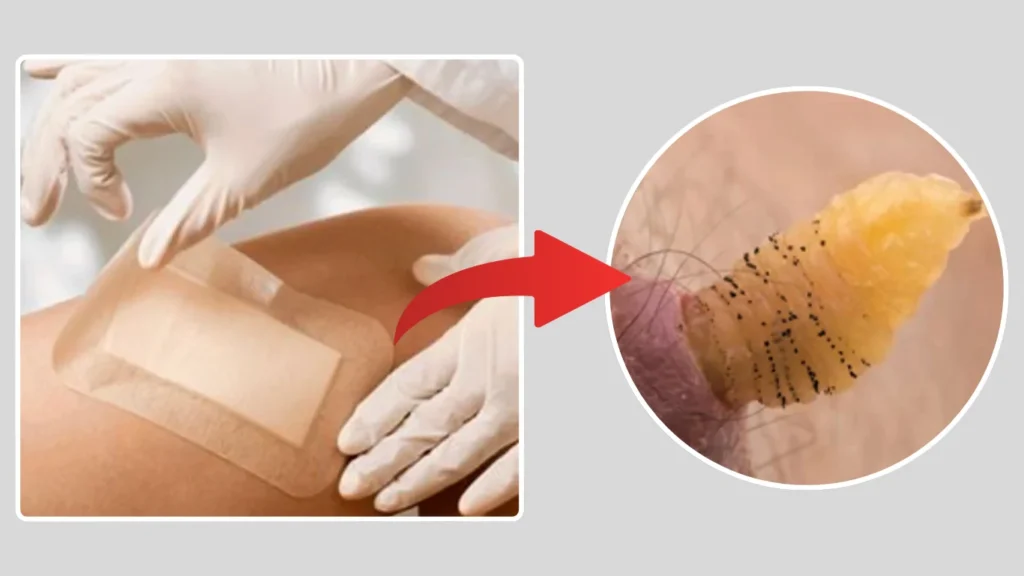
The occlusive tape method involves sealing the larva’s breathing hole with strong adhesive tape to suffocate it. This approach is similar in principle to the petroleum jelly or glue methods but uses physical blockage instead of a gel or liquid.
How It Works
By covering the botfly’s breathing pore with airtight tape, oxygen is blocked, prompting the larva to migrate upward seeking air. Once it reaches the surface, it can be manually extracted.
Timeframe for Removal
- The process can take 12 to 24 hours depending on the larva’s depth and reaction
- Tape should be checked periodically to see if the larva is emerging
Common Mistakes
- Using weak or porous tape that doesn’t fully block air
- Pulling the tape off too soon before the larva emerges
- Applying tape to irritated or broken skin
Tape Type and Skin Sensitivity
- Use medical-grade adhesive tape or duct tape
- Avoid if you have sensitive skin or allergies to adhesives
- Clean the skin before and after use to prevent infections
This method can be effective but requires careful monitoring to avoid skin damage or partial larva removal.
7. Turpentine or Camphor Oil Application
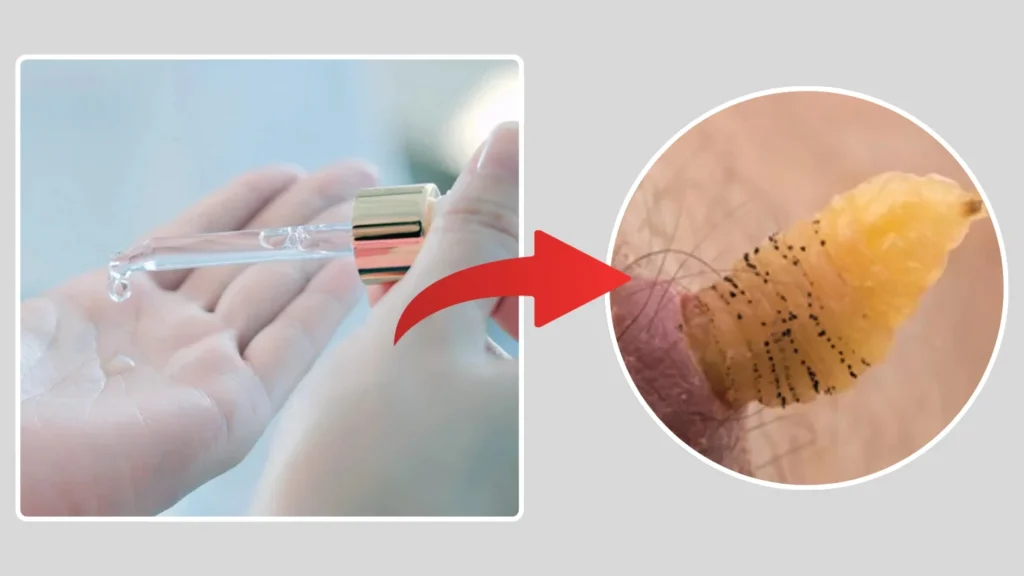
This traditional remedy uses strong-smelling substances like turpentine or camphor oil to irritate or suffocate the botfly larva. These substances are applied topically to force the larva to the surface.
How It Works
The pungent smell and chemical irritation disturb the larva’s environment, driving it to the surface or killing it. This reaction allows easier extraction using tweezers or medical tools.
Application Caution
- Apply a small amount directly to the breathing hole
- Cover the area with gauze after application
- Leave on for 2–4 hours and inspect for larva movement
- Repeat if necessary, but avoid overuse
Traditional Use vs. Modern Opinion
Traditional: Widely used in rural regions due to lack of medical access
Modern: Less recommended due to potential skin damage and allergic reactions
Skin Reactions
- Burning or stinging sensation
- Possible allergic response
- Always do a patch test on healthy skin before using
8. Lidocaine Injection and Squeeze

Lidocaine is a local anesthetic that can be injected by medical professionals to numb the area and help push the larva out with gentle pressure.
How It Works
Once lidocaine is injected around the lump, it reduces pain and swelling. The doctor then applies slow, steady pressure to squeeze the larva through the breathing hole without damaging surrounding tissue.
Performed by Professionals Only
This method should only be done in a clinical setting. Improper injection or pressure can cause tissue damage or incomplete removal.
Numbing and Pushing Out
- Lidocaine numbs the site
- Doctor uses fingers or a sterile device to press around the edges
- The larva is coaxed out fully and removed with sterile forceps
Risks of Infection
- Must be done with sterile tools and gloves
- Requires wound cleaning and aftercare
- Antibiotics may be prescribed to prevent infection
This method is quick and effective when done by trained hands and minimizes discomfort during the removal process.
9. Hydraulic Expulsion (Saline Injection)
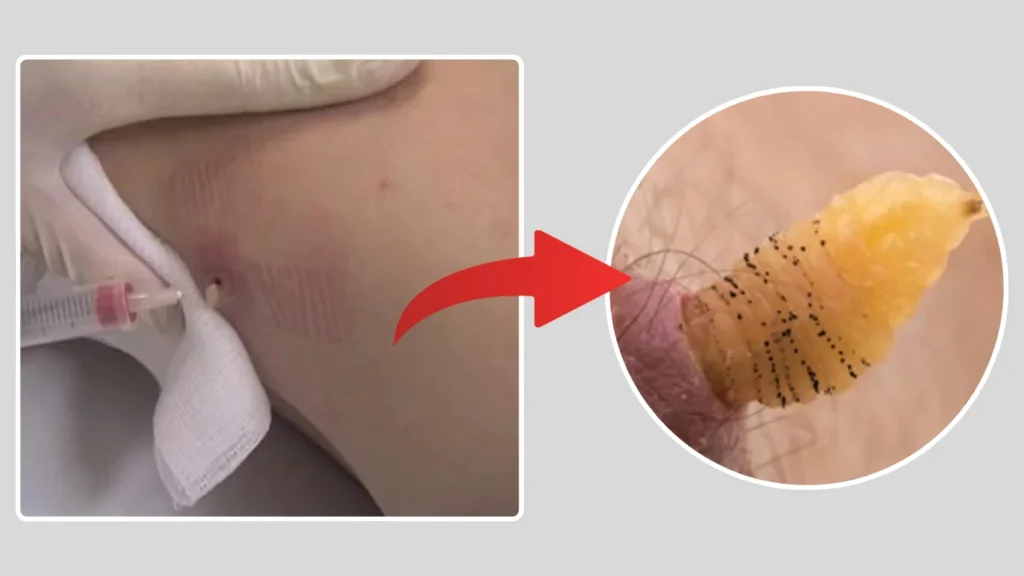
Hydraulic expulsion is a clinical method where sterile saline solution is injected beneath the botfly larva to force it out through hydraulic pressure. This technique is minimally invasive and particularly useful when the larva is not responding to external suffocation methods.
How It Works
A medical professional injects a small volume of sterile saline beneath or beside the larva’s location. The fluid builds pressure, dislodging the larva and pushing it upward through the breathing hole or incision.
Used in Clinics
- Requires proper training and sterile equipment
- Often used when other extraction methods are unsuccessful
- Ideal for deep or stubborn larvae
Comparison to Other Methods
- More effective than tweezers or home remedies in difficult cases
- Less painful than squeezing or surgical incisions
- Reduces the chance of breaking the larva during removal
Success Rate
- High success rate with minimal trauma to the surrounding tissue
- Often followed by wound cleaning and monitoring for infection
10. Natural Emergence Method

This method involves letting the botfly larva complete its development cycle and emerge on its own. While this avoids forced removal, it comes with several risks and is generally not recommended unless under medical supervision.
What It Involves
The larva stays in the skin for up to 6–12 weeks before emerging naturally. During this time, it feeds on host tissue and causes noticeable swelling and discomfort.
Duration
- Typically 1–2 months
- Exit hole enlarges as the larva prepares to leave
- The larva falls out on its own or during bathing
Risk of Infection
- High risk if the larva dies inside the skin
- Dead larvae can trigger abscesses or inflammation
- Open wounds can attract secondary bacterial infections
Monitoring Tips
- Keep the area clean and dry
- Avoid scratching or squeezing
- Seek immediate care if pain or pus appears
Letting the larva emerge naturally should only be considered when access to medical care is limited or the larva is already close to the surface.
Summary
Botfly removal can be performed using various methods depending on the depth of the larva, severity of symptoms, and access to medical care. The safest and most effective technique is surgical extraction by a healthcare professional. Home remedies like petroleum jelly, bacon strips, and glue sealing may work for shallow infestations, but they carry risks if done improperly. Clinical procedures like saline injection and lidocaine-assisted removal offer faster and cleaner results. No matter the method, proper wound care and hygiene are crucial to prevent infection. When in doubt, always consult a medical professional.
