

It started with a soft crunch under my feet. I thought it was just some sawdust from a quick DIY fix I’d done in the corner of my bedroom. But over the next week, I began noticing tiny piles of what looked like coffee grounds beneath the window frame. I swept them up, only for them to reappear a few days later. That’s when I decided to take a closer look—and what I found changed everything. I wasn’t just dealing with dust or dirt. It was termite poop—a silent sign that something destructive was happening inside my home.
If you’re seeing similar signs, it’s time to learn what termite droppings actually look like, what risks they pose, and how termite poison can help you eliminate the problem before it becomes a major repair job.
What Does Termite Poop Look Like?

Most people don’t realize they’re dealing with termites until they spot signs like damaged wood or swarmers near windows. But termite poop—also known as frass—can be an early and unmistakable clue, especially if drywood termites are involved.
Drywood Termite Droppings
Drywood termites live inside wooden structures and push out their droppings through tiny holes. These droppings build up over time and appear in little piles that look like:
- Tiny pellets
- About 1mm long
- Dry and hard
- Varying in color (light brown, dark brown, or black), depending on the wood they’ve consumed
They often look like fine sawdust or black pepper sprinkled in corners or under wooden furniture.
Where You’ll Find It
These poop piles are most often found:
- Below baseboards or window sills
- Under wooden beams or ceiling trims
- Near doors or wooden flooring
- Behind furniture that rests against walls
In my case, it was an untouched corner of a wooden window frame where the poop kept reappearing. And that was all the warning I needed.
How to Tell It Apart: Cricket Poop vs. Termite Poop

Some people confuse termite frass with other types of insect droppings, especially crickets. But here’s how to tell the difference:
| Feature | Termite Poop | Cricket Poop |
| Shape | Hard, hexagonal pellets | Softer, round droppings |
| Texture | Dry and gritty | Moist or sticky at times |
| Color | Varies with wood consumed | Usually black or dark brown |
| Location | Near wooden structures | Random places, not specific to wood |
If it’s near wood and consistently comes back after cleaning, it’s likely termite-related.
Is Termite Poop Dangerous?

Here’s the truth: termite poop is not toxic to humans or pets. But that doesn’t mean it’s entirely safe to ignore.
Health Risks
- The dust can become airborne, especially during cleaning.
- It may irritate asthma or allergy symptoms in sensitive individuals.
- If there’s a large buildup, mold and bacteria may also become an issue.
The Bigger Danger
The presence of termite poop means one thing: an active infestation. While the frass itself won’t hurt you, the colony that left it behind could be silently eating through your walls, floors, or ceilings.
So, while it’s not poisonous—it’s still very dangerous.
Termite Poison: What Works and Where to Get It

Once you’ve confirmed termites, the next question is: how do you get rid of them?
There are several types of termite poison available for DIY use, and you can also turn to professional solutions if the problem is advanced.
Over-the-Counter Termite Poison (Available at Home Depot and Similar Stores)
Here are common products you can find:
- Termite Bait Systems
These stations are placed around the home’s perimeter. Termites feed on the bait and carry poison back to the colony. Effective for both drywood and subterranean termites. - Liquid Termiticides
Sprayed around the foundation or injected into the soil to create a chemical barrier. These are powerful and long-lasting but require careful application. - Foam Poison or Dust
Injected directly into wood, cracks, or wall voids. Great for treating localized drywood infestations where frass is found. - Wood Treatments
Borate-based products can be sprayed or painted onto wood to repel termites before they infest.
Pro Tip: Always wear gloves and a mask when using these products and follow label instructions carefully.
When DIY Isn’t Enough: Professional Termite Treatment
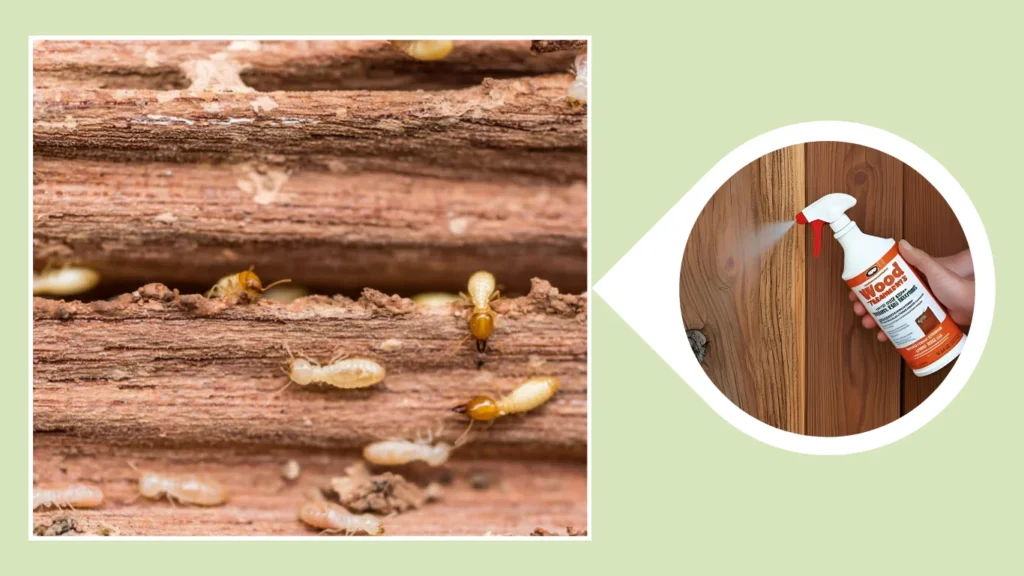
If you see repeated piles of poop, hear hollow-sounding wood, or spot flying termites inside the house, it’s time to call in professionals.
A licensed pest control service can:
- Conduct a full inspection
- Use advanced tools like moisture meters or infrared imaging
- Apply soil treatments, foam, or even fumigation if necessary
The cost is higher—but often far cheaper than replacing a damaged wall, roof beam, or floor.
What About “Termite Pods”?
You might have heard people mention “termite pods”, but it’s not a scientific term. Most likely, they’re referring to:
- Mud tubes made by subterranean termites
- Frass pellets from drywood termites
- Carton nests built inside walls or trees
If you hear the term “pods,” ask for clarification—people may be mistaking frass piles or nests for something else.
Real Images Help: Termite Poop Pictures

To help spot the signs early, always refer to real termite poop images. You’ll find:
- Pellet size and color variations
- Comparison photos of cricket vs. termite droppings
- Frass buildup near baseboards, furniture, or attic beams
These pictures can help you take action faster and with confidence.
FAQs About Termite Poop and Poison
What color is termite poop?
It ranges from light tan to dark brown or even black, depending on the type of wood being eaten.
Is termite poop toxic?
No, but it can trigger allergies and signals serious structural issues if left untreated.
How do I know if the frass is old or new?
f it keeps appearing after cleaning, that’s a sign of an active colony.
Can I treat termite poop with spray alone?
Spraying only kills visible termites. If you’re seeing poop, the nest is likely hidden and needs deeper treatment.
What termite poison should I start with?
Bait stations or foam injections are good starting points. If in doubt, consult a pest control specialist.
Conclusion
Discovering termite poop isn’t just a dirty inconvenience—it’s a red flag. These tiny pellets tell a much bigger story about what’s happening behind your walls. Whether you’re dealing with drywood termites in a window frame or a larger subterranean threat, knowing what frass looks like and how to respond can save your home—and your wallet.
