
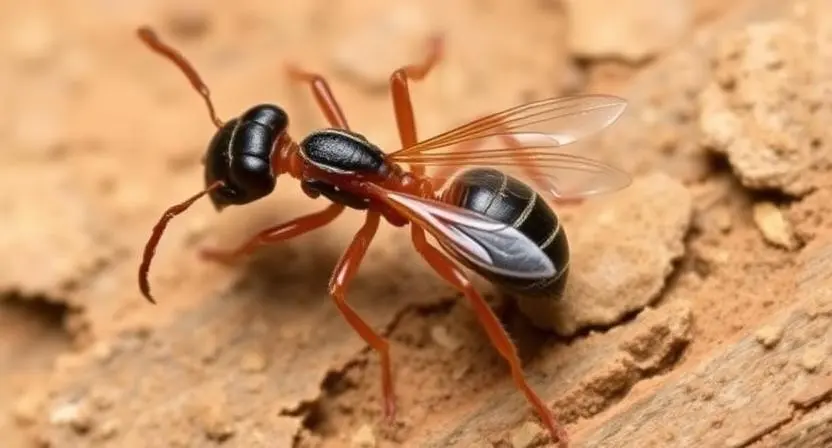
Carpenter ants are common household pests known for their ability to damage wooden structures. While many people are familiar with these large black ants, some may be surprised to see them with wings. If you’ve ever noticed carpenter ants with wings in your home or yard, you might wonder if all carpenter ants have wings and what it means when they do. In this article, we’ll explore the different roles of winged carpenter ants, how to identify them, and what to do if you find them in your home.
Do Carpenter Ants Have Wings?
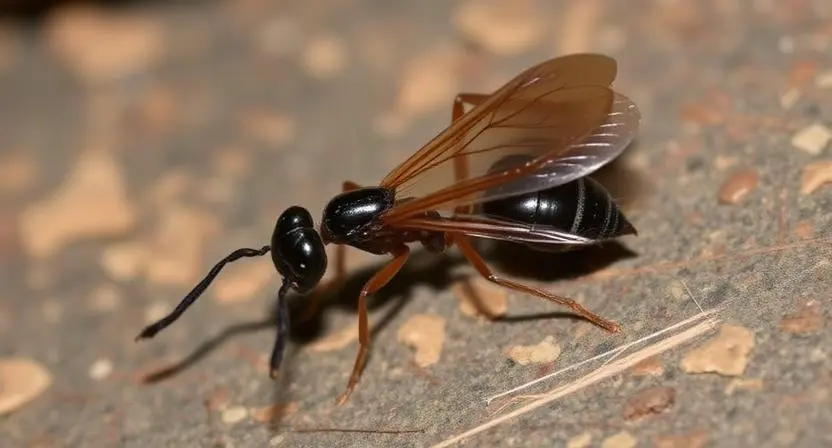
Yes, carpenter ants can have wings, but not all of them do. Only certain members of a carpenter ant colony develop wings, and they are usually part of the reproductive caste. These winged carpenter ants, also known as swarmers or alates, are responsible for reproduction and establishing new colonies.
Winged carpenter ants typically emerge in large numbers during warm seasons, especially in spring and early summer. Their primary purpose is to mate and form new colonies. Once they mate, the males die, and the fertilized queens search for suitable locations to start a new colony.
Can Carpenter Ants Have Wings?
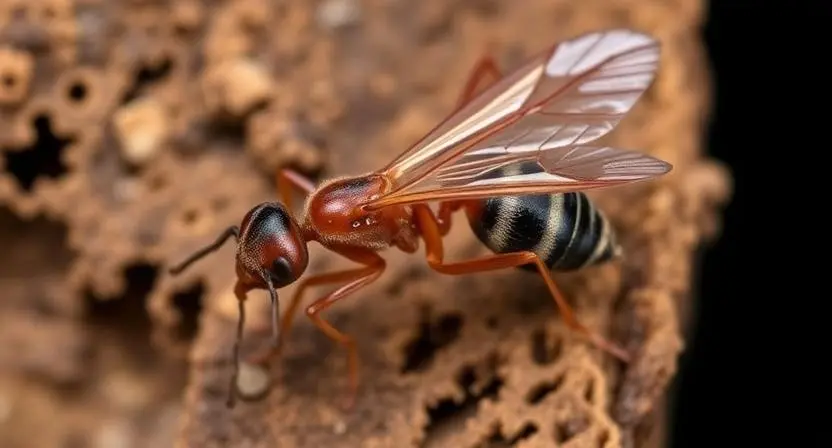
Carpenter ants can indeed have wings, but only during specific life stages. These ants develop wings as they prepare for their reproductive phase. If you see winged carpenter ants indoors, it may indicate an established colony nearby, possibly inside wooden structures, walls, or furniture.
Winged carpenter ants should not be confused with termites, which also swarm with wings. The main differences include:
- Carpenter ants have a pinched waist, while termites have a straight body.
- Carpenter ants have elbowed antennae, whereas termite antennae are straight.
- Carpenter ants’ wings are uneven in size (front wings longer than back wings), while termite wings are equal in size.
Do All Carpenter Ants Have Wings?
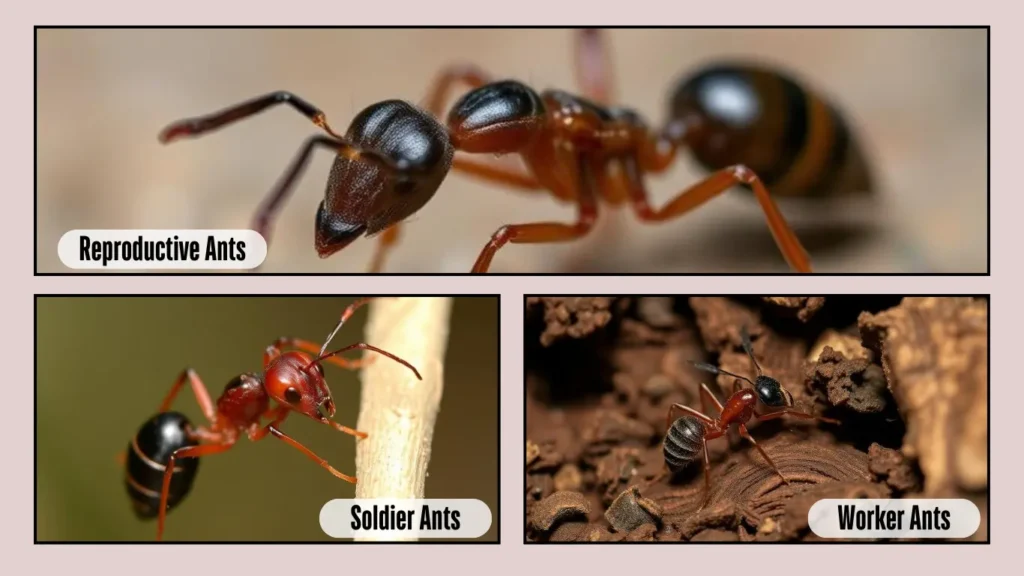
No, not all carpenter ants have wings. Carpenter ant colonies consist of different castes, and only certain members develop wings:
- Worker Ants – Wingless and responsible for foraging, caring for the colony, and excavating wood.
- Soldier Ants – Larger, wingless ants that protect the colony.
- Reproductive Ants (Alates) – Winged ants that leave the colony to mate and establish new colonies.
Winged ants are only present in a colony during the reproductive season. After mating, the queens shed their wings, while males die shortly after.
Black Carpenter Ants with Wings
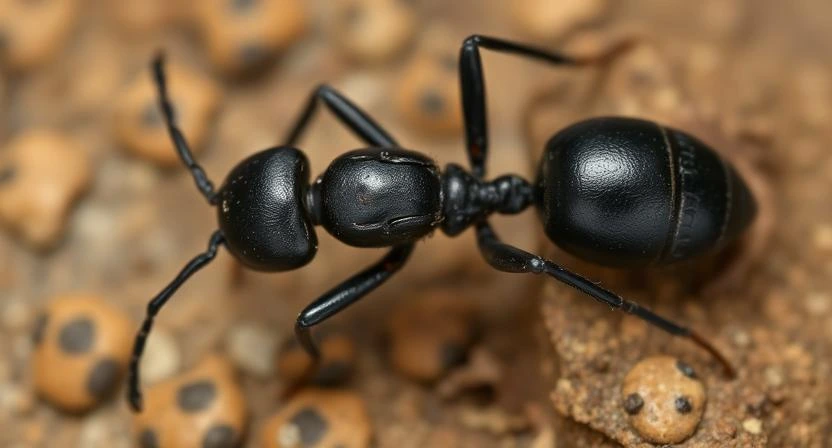
The most common type of carpenter ants that people encounter are black carpenter ants (Camponotus pennsylvanicus). These large, dark-colored ants can grow up to ½ inch long, and their winged reproductives can be even larger.
Key identification features of black carpenter ants with wings:
- Dark black body with a shiny exoskeleton.
- Large size compared to other ants.
- Uneven-sized wings (front wings longer than hind wings).
- Elbowed antennae.
Where Do Black Carpenter Ants with Wings Come From?
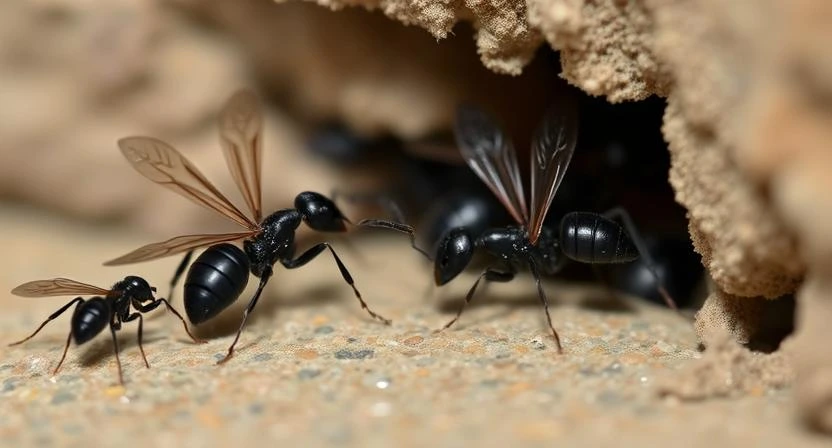
If you see black carpenter ants with wings inside your home, it likely means a mature colony exists nearby. They often nest in:
- Decaying wood
- Moist areas (attics, basements, crawl spaces)
- Hollow doors, walls, or wooden beams
Queen Carpenter Ant with Wings

The queen carpenter ant is the most important member of the colony. She is larger than the workers and soldiers and has wings before mating. Once she mates, she will shed her wings and search for a place to establish a new colony.
How to Identify a Queen Carpenter Ant?
- Larger than other carpenter ants (up to ¾ inch long).
- Initially has wings but sheds them after mating.
- Produces eggs to start a new colony.
- Can live for many years, producing thousands of offspring.
After she establishes a colony, the queen remains hidden and rarely comes out. If you find a carpenter ant with wings but no colony nearby, it might be a queen searching for a nesting site.
Winged Carpenter Ants vs. Termites – How to Tell the Difference

Since both carpenter ants and termites swarm in the spring, it’s easy to mistake one for the other. Here’s how to tell them apart:
| Feature | Carpenter Ants | Termites |
| Body Shape | Pinched waist | Straight waist |
| Antennae | Bent (elbowed) | Straight |
| Wings | Front wings longer than back wings | All wings equal in size |
| Color | Black or dark brown | Light brown or creamy white |
If you’re unsure whether you have carpenter ants or termites, a professional inspection is recommended.
What to Do If You See Carpenter Ants with Wings?
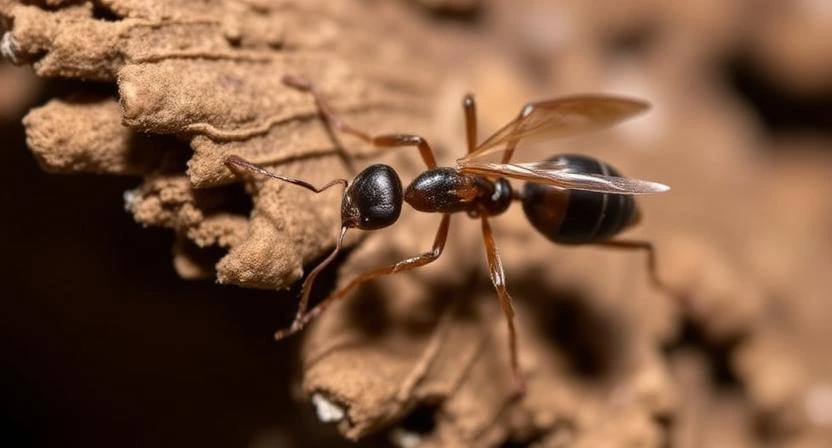
Seeing winged carpenter ants in your home is often a sign of a larger problem. Here’s what you should do:
1. Locate the Nest
- Check for wood damage, sawdust-like debris, and hollow-sounding wood.
- Look in damp areas like basements, attics, and behind walls.
2. Remove Moisture Sources
- Carpenter ants prefer damp wood, so fix any leaks or humidity issues.
- Keep firewood and wooden debris away from your home’s foundation.
3. Use Baits or Sprays
- Ant baits can help eliminate a colony over time.
- Insecticide sprays may kill visible ants but won’t destroy the main colony.
4. Call a Pest Control Professional
- If you suspect an infestation inside your home, professional extermination is the best option.
- Experts can locate hidden nests and apply targeted treatments.
Conclusion
Carpenter ants with wings are a natural part of their life cycle, but if you see them in your home, it could signal an infestation. Not all carpenter ants have wings—only the reproductive ants (swarmers) do. These ants play a crucial role in colony expansion, and their presence indoors means a colony might already exist.
