
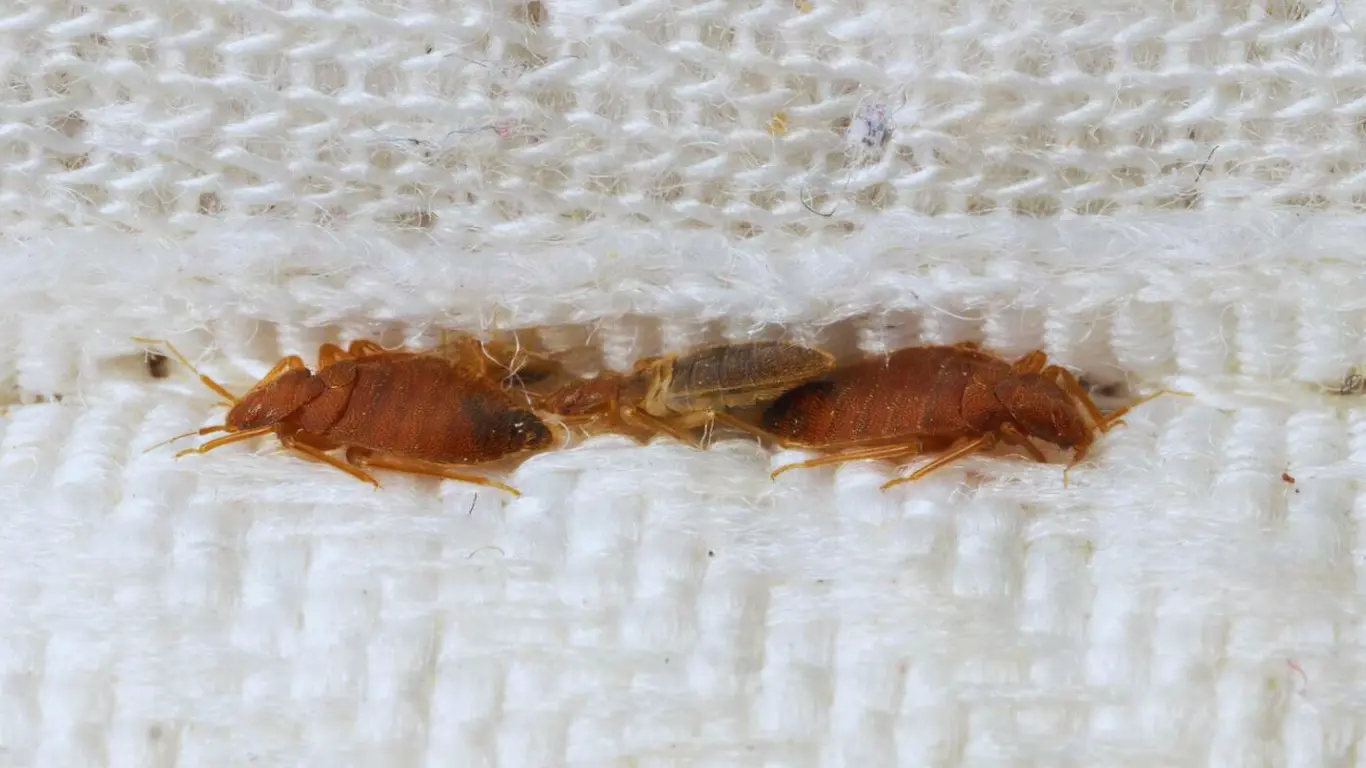
Bed bugs are small, reddish-brown insects that feed on human blood, usually at night. They are skilled at hiding, making detection difficult until the infestation worsens. Early identification is crucial for quick treatment and prevention. This guide explores the key signs of bed bugs, where to inspect, and what steps to take if you find them.
Common Signs of Bed Bugs in Your Home
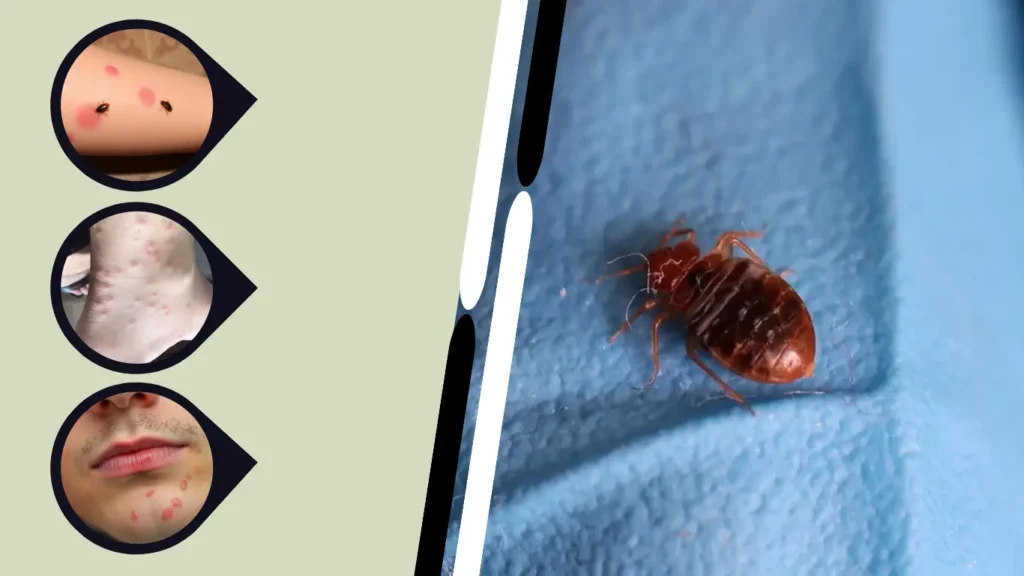
One of the first signs of bed bugs is waking up with bite marks. These bites often appear in clusters or straight lines on exposed skin, such as the arms, legs, face, and hands. Unlike mosquito bites, bed bug bites are small, red, and extremely itchy. However, some people do not react to bites, making other signs more important to check.
Blood stains on sheets and pillowcases are another warning sign. These small, reddish-brown stains may appear if you crush bed bugs while sleeping. Additionally, dark spots on your bedding, furniture, and walls may indicate bed bug feces. These spots often appear along mattress seams, headboards, and baseboards.
Other signs of an infestation include:
- Shed skins – Light tan or translucent exoskeletons left behind as bed bugs grow.
- Eggs – Tiny, white eggs found in mattress seams, fabric folds, and furniture cracks.
Where to Look for Bed Bugs

Bed bugs hide in small cracks and crevices near sleeping areas. The most common places to check include:
- Mattresses and box springs – Inspect seams, edges, and underneath covers.
- Headboards and bed frames – Check cracks, corners, and behind upholstery.
- Furniture – Sofas, chairs, and cushions may harbor bed bugs in seams and folds.
- Cracks in walls and baseboards – Bed bugs use these areas to move between rooms.
- Luggage and clothing – If you’ve traveled recently, carefully inspect and wash items before bringing them inside.
How to Confirm a Bed Bug Infestation
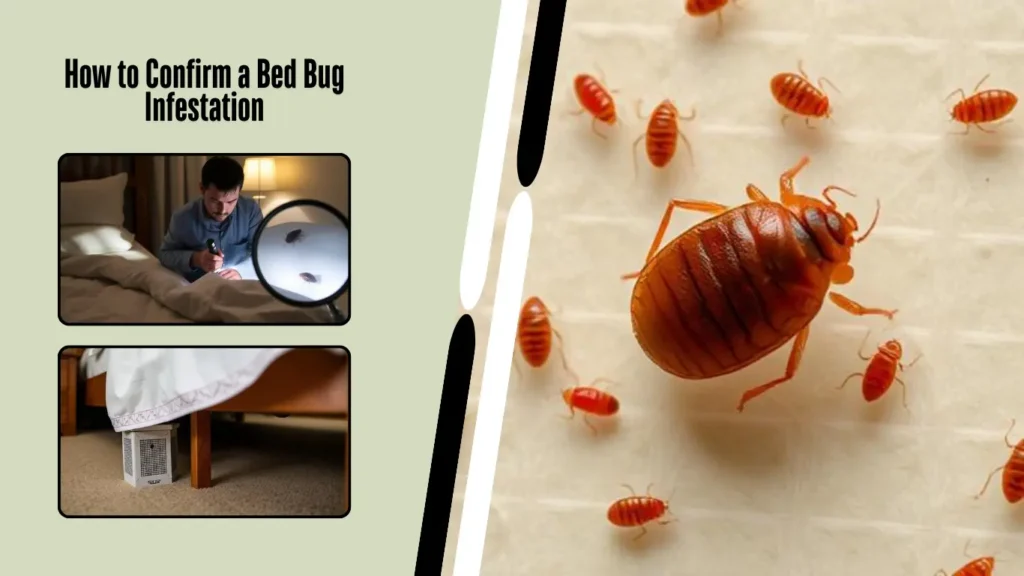
A thorough inspection is necessary if you suspect bed bugs. Use a flashlight and magnifying glass to check bedding, furniture, and dark corners. Look for moving bed bugs, fecal spots, or eggs.
Bed bug traps and interceptors can be placed under bed legs to capture insects trying to climb up or down. For an accurate assessment, consider hiring a professional pest control expert. They use specialized tools, including bed bug-sniffing dogs and heat detection, to confirm infestations.
Other Possible Causes of Similar Symptoms
Before assuming you have bed bugs, rule out other causes. Flea bites are often mistaken for bed bug bites but typically appear around the ankles and lower legs. If you have pets, check them for fleas.
Mosquito bites appear randomly on the body and do not follow a pattern. Allergic reactions to detergents, fabric softeners, or new bedding can also cause irritation similar to bed bug bites.
What to Do If You Find Bed Bugs

If you confirm bed bugs, take immediate action. Wash all bedding, curtains, and clothing in hot water and dry them on high heat. Vacuum mattresses, furniture, and carpets thoroughly. Sealing cracks and crevices in walls, furniture, and bed frames can prevent further spread.
For DIY treatment:
- Use bed bug sprays and diatomaceous earth to kill bugs naturally.
- Steam-clean furniture and mattresses to eliminate bed bugs at all life stages.
- Enclose mattresses and pillows in bed bug-proof covers to trap any remaining bugs.
If the infestation is severe, professional extermination may be necessary. Heat treatments effectively eliminate bed bugs at all life stages, while chemical treatments may be required for stubborn infestations. A follow-up inspection ensures complete removal.
To prevent future infestations, conduct regular inspections, reduce clutter, and vacuum frequently. Be cautious when bringing second-hand furniture into your home and inspect it thoroughly before use.
Conclusion
Early detection of bed bugs can prevent a more serious infestation. Regular inspections, immediate action, and professional treatment when necessary can help eliminate these pests. By keeping your home clean and clutter-free, you can reduce the risk of bed bugs and maintain a healthier living space.
