

Bed bugs are one of the most persistent pests people deal with today. They’re small, sneaky, and capable of surviving in the cracks and crevices of your home for months—often without detection. But how long do bed bugs actually live? If you’re dealing with an infestation or trying to prevent one, understanding the life expectancy and growth stages of bed bugs is crucial for long-term control. In this article, we’ll explore the full bed bug lifespan, from egg to adult, and the environmental factors that influence how long they survive.
The Complete Life Cycle of a Bed Bug
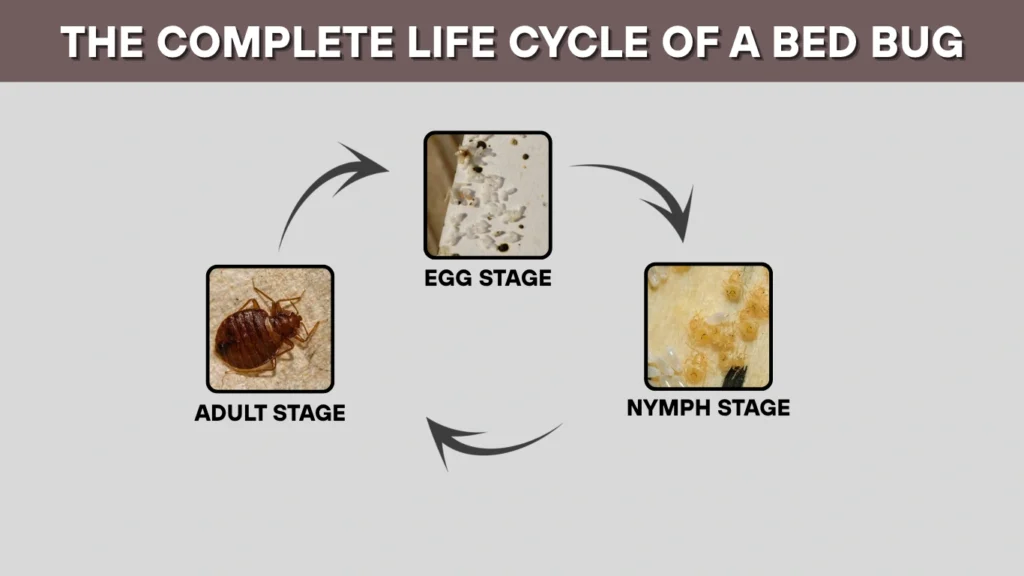
Bed bugs (Cimex lectularius) go through a gradual metamorphosis, which includes three primary stages: egg, nymph, and adult. Each stage plays a role in how long the bug will survive and how quickly an infestation can grow.
Egg Stage
A female bed bug can lay 1 to 5 eggs per day and up to 500 in her lifetime. The eggs are tiny—around 1 millimeter in size—and resemble white grains of rice. They are typically hidden in crevices, seams of mattresses, or behind baseboards. Under ideal room temperatures (70°F to 80°F), these eggs hatch in 6 to 10 days.
Nymph Stage
Once hatched, bed bugs enter the nymph stage. This is a juvenile phase where the bed bug must go through five molting stages (called instars) before becoming an adult. At each stage, the nymph requires a blood meal to grow and shed its outer skin. In warm, food-rich environments, the nymph stage lasts about 5 to 8 weeks.
If food is scarce or temperatures are lower, development can slow down dramatically, extending the nymph stage and giving the impression that the infestation is not spreading—when it actually is, just more slowly.
Adult Stage
After completing the fifth molt, the bed bug becomes a full adult. Adult bed bugs are about the size of an apple seed and reddish-brown in color. An adult can live for about 4 to 6 months under ideal conditions. However, in cooler climates or when blood meals are limited, they can survive for up to a year.
Average Lifespan of Bed Bugs
So, how long do bed bugs live in total? On average, bed bugs can live anywhere from 6 months to a year depending on their access to food, warmth, and hiding places.
Under Ideal Conditions
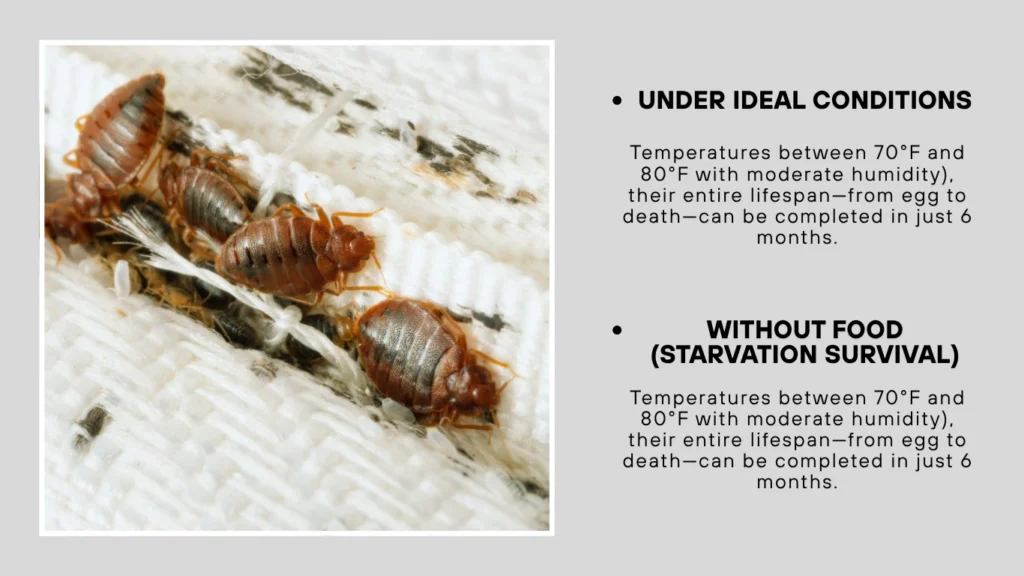
When bed bugs have regular access to blood meals and the environment is favorable (room temperatures between 70°F and 80°F with moderate humidity), their entire lifespan—from egg to death—can be completed in just 6 months. In such settings, females can lay hundreds of eggs, and generations can overlap, causing a rapid infestation.
Without Food (Starvation Survival)
What if they’re cut off from food? Even without a blood meal, adult bed bugs can live surprisingly long—usually between 3 to 6 months. Some studies show that in cooler environments, they can survive even longer, up to a full year.
Nymphs are more vulnerable and typically die sooner without feeding—often within a few weeks to a couple of months. Still, this resilience is why bed bugs can hide undetected in empty rooms or apartments for long periods, waiting for a new host to arrive.
Factors That Affect Bed Bug Lifespan

Several environmental and situational factors influence how long a bed bug can live. Knowing these helps you understand how infestations can take hold—and how to fight them.
- Temperature: Bed bugs thrive in temperatures around 70°F–80°F. At temperatures below 50°F or above 113°F, their development slows or they begin to die. Sustained heat above 118°F can kill all life stages.
- Food Availability: Frequent access to a host helps bed bugs develop faster and live longer. Without blood meals, survival time decreases significantly.
- Pesticide Exposure: Professional pest control treatments reduce the lifespan of bed bugs by disrupting their nervous system or dehydrating them.
- Shelter and Hiding Places: Bed bugs prefer tight, dark spaces to hide during the day. The more protected they are, the longer they can survive unnoticed.
How Long Do Bed Bugs Live in Different Environments?
Depending on where they are hiding, the life expectancy of bed bugs can vary significantly. Here’s how they behave in a few common environments:
In Your Home
In homes with steady temperatures and human hosts, bed bugs complete their life cycle quickly—meaning you can have a full infestation in as little as two months. Adults can live for up to 12 months if not exterminated.
In Luggage or Furniture
Bed bugs are great hitchhikers and can survive in luggage or upholstered furniture during moves or travel. If the bag is not opened or exposed to heat, they can remain hidden and alive for several months.
In Sealed Bags or Isolated Rooms
If bed bugs are trapped in sealed containers without food and at low temperatures, they eventually die—usually within 2 to 6 months. However, in moderate temperatures, some can survive nearly a year, especially adults.
Final Thoughts on Bed Bug Longevity
Understanding how long bed bugs live gives you an edge in managing and preventing infestations. These pests are not short-lived nuisances—they’re persistent survivors. A single female can lay hundreds of eggs, and her offspring can begin feeding and reproducing within a couple of months. This makes it vital to act quickly if you suspect bed bugs.
FAQs
1. How long can bed bug eggs survive without hatching?
Bed bug eggs typically hatch within 6–10 days in warm, humid environments. However, in cooler conditions (below 50°F), they can remain unhatched for up to a month or longer, delaying the infestation cycle.
2. Do bed bugs live longer in colder climates?
Yes, bed bugs tend to live longer in cooler temperatures because their metabolism slows down. This includes their development stages, so infestations may progress slower, but the bugs survive longer.
3. Can bed bugs live on pets?
Bed bugs prefer human blood and do not live on pets like fleas or ticks. However, they may bite pets if humans aren’t nearby. They tend to hide in bedding or furniture and emerge at night to feed.
4. How do bed bugs die naturally?
Without food, bed bugs eventually die of starvation—typically after 3 to 6 months. They also die from extreme heat or cold, and from chemical treatments that damage their nervous system or outer shell.
5. Does killing adult bed bugs stop the infestation?
No. Killing adult bed bugs is only part of the solution. Eggs and nymphs can remain hidden and continue the infestation if not treated properly. That’s why a complete approach that targets all life stages is essential.
