
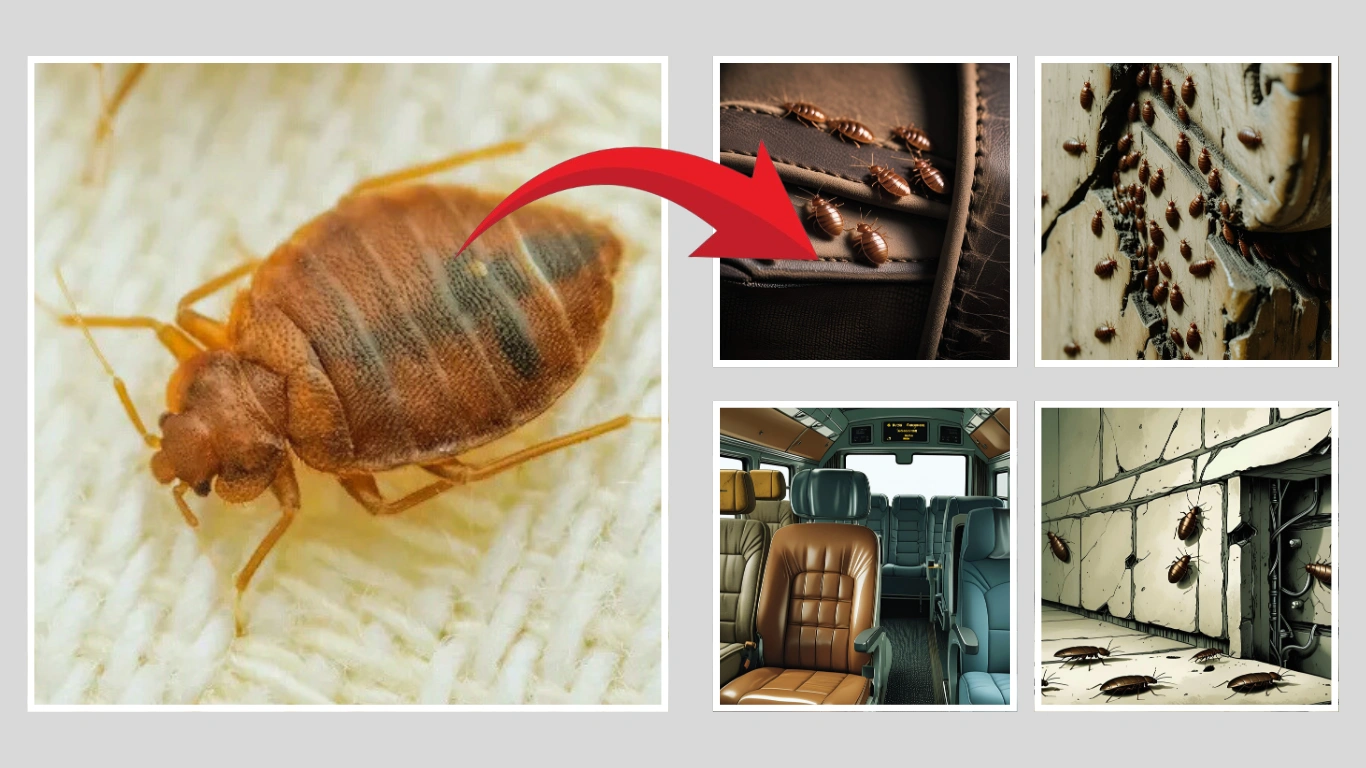
Bed bugs are small, flat, blood-sucking insects that thrive in the shadows of our lives. Despite their name, they’re not limited to beds—they can live in bags, furniture, walls, and even your shoes. One of the most alarming things about bed bugs is how easily and silently they spread from one place to another. Whether you’re a traveler, a tenant in an apartment, or just someone who bought a second-hand couch, you could unknowingly be inviting these pests into your life.
In this article, we’ll break down the exact ways bed bugs spread, their speed of infestation, and how you can protect your home and family from becoming their next target.
Can Bed Bugs Fly or Jump?
Why People Think They Can
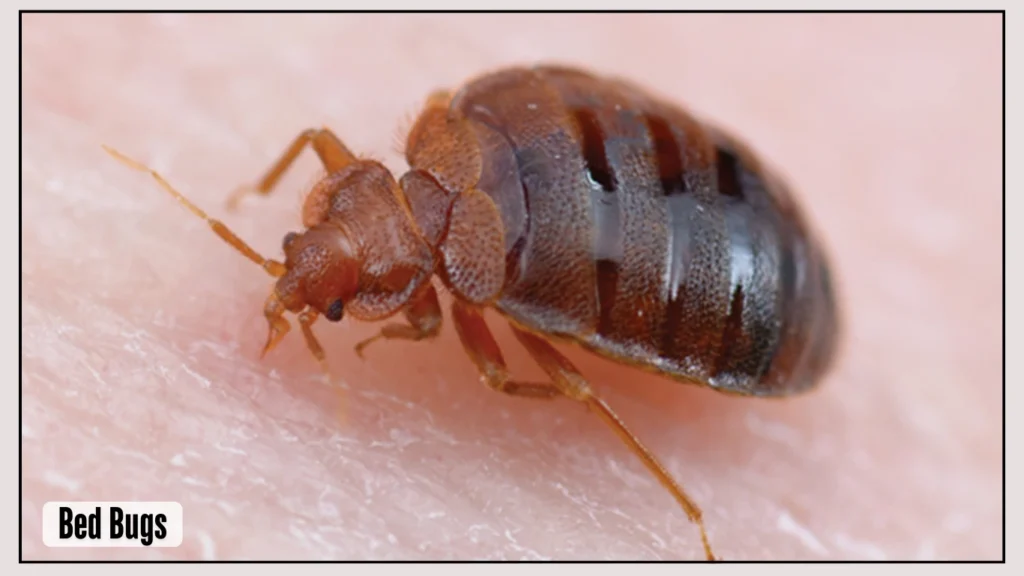
Many people assume bed bugs can fly or jump because of how quickly an infestation appears. One day everything seems fine, and the next you’re waking up with bites. But this speed is not due to flight.
Reality: Crawling Only
Bed bugs cannot fly or jump. They lack wings, and their legs aren’t built for leaping. Instead, they crawl—slowly but persistently—usually at night when you’re asleep. What makes them dangerous is their ability to hitch rides unnoticed on bags, clothes, or furniture. That’s how they truly spread.
Common Ways Bed Bugs Spread

Through Luggage and Bags
Travelers often bring bed bugs home from infested hotels or guesthouses. Bed bugs hide in luggage seams, pockets, and linings, waiting to crawl out into your bedroom once you’re back. One hotel stay is all it takes for an infestation to begin.
On Clothing and Shoes
While bed bugs don’t live on humans like lice, they can cling to your clothes or hide in your shoes. If you sit or walk in an infested area—say a movie theater or taxi—they might latch on and travel with you.
Used Furniture and Mattresses
Buying second-hand items can be risky. Bed bugs often hide deep in couches, beds, or wooden furniture cracks. If the previous owner didn’t know they were infested, you might be importing a colony into your home. Always inspect thoroughly, and when in doubt—don’t bring it in.
Public Transport and Waiting Areas
Long-distance buses, taxis, airport lounges, and train seats are all hot spots. Upholstery can hide bed bugs, and since thousands of people pass through daily, there’s a constant risk of exposure.
Visiting Infested Homes or Hosting Guests
Bed bugs can hitch a ride on guests’ bags or clothes, entering your home even if they weren’t aware of the infestation. Likewise, if you visit someone dealing with bed bugs, they might come back with you.
Through Walls and Electrical Outlets
In apartments, dorms, and hotels, bed bugs can move between rooms through electrical outlets, pipes, and wall voids. If your neighbor is battling bed bugs and fumigates one room, the bugs might flee into yours instead.
Can Bed Bugs Spread From Person to Person?

Not Like Lice or Fleas
Bed bugs are not parasitic in the same way lice or fleas are. They don’t live on your skin or in your hair. You can’t “catch” bed bugs by hugging someone. However, your belongings can become infested if they come into contact with bed bug hiding spots.
Indirect Human Role in Their Spread
People are the perfect vehicle for bed bugs—not because they live on us, but because we carry the things bed bugs hide in: suitcases, handbags, backpacks, or furniture. It’s like offering them a free ride into your home.
How Fast Do Bed Bugs Spread?

Reproduction Rate
Female bed bugs can lay about 5 eggs a day and up to 500 in their lifetime. Eggs hatch within 6 to 10 days, and nymphs (young bed bugs) begin feeding right away. They reach adulthood in 5–8 weeks under optimal conditions.
Timeline of Infestation
If left unchecked, a single female and a few eggs can turn into hundreds of bugs within a few months. Because they’re tiny and hide well, you might not notice them until the infestation becomes severe. By the time bites show up or you spot one crawling, the colony has likely already grown.
What Increases the Risk of Spreading Bed Bugs?

Travel and Tourism
Frequent flyers and hotel guests are at higher risk. Bed bugs thrive in places with a constant flow of people. Even luxury hotels are not immune.
Buying Used Items
Mattresses, bed frames, couches, carpets, and even books can harbor bed bugs. If you buy from thrift stores, flea markets, or online marketplaces, inspect every item closely.
Lack of Awareness
Many people don’t notice bed bugs until it’s too late. Others mistake the bites for mosquito bites or allergic reactions. A delay in action allows the infestation to spread further—and fast.
How to Prevent the Spread of Bed Bugs
Travel Smart
When staying at a hotel:
- Inspect the mattress seams, bed frame, and headboard for bugs or black spots (fecal matter).
- Keep your bags off the floor and bed—use a luggage rack.
- Store clothes in sealed bags if unsure.
After returning home:
- Immediately wash and dry all clothes on high heat.
- Vacuum your luggage and inspect thoroughly.
Caution with Secondhand Items
- Avoid used mattresses unless verified pest-free.
- Check seams, cushions, and under fabric layers.
- When possible, treat items with heat or bed bug sprays before bringing indoors.
Isolation and Cleaning
- If you suspect exposure, isolate bags and clothing in plastic bins.
- Wash clothing with hot water and dry on high heat for at least 30 minutes.
- Vacuum regularly, especially along baseboards and under furniture.
Building Management for Apartments
- Report infestations early to your landlord or manager.
- Seal cracks in walls, floors, and outlets to reduce migration.
- Encourage pest control treatments for multiple units, not just one room.
Final Thoughts
Bed bugs are sneaky, tough, and fast-breeding insects that spread not by flight or bite—but by clinging to our belongings and crawling through hidden paths. Their spread is not limited by hygiene or income level. Even the cleanest homes can fall victim to them. Understanding how they travel is key to prevention.
If you travel often, live in shared housing, or love secondhand furniture, stay alert. One uninspected bag or couch could be all it takes to invite a long, itchy problem into your life. Stay informed, act fast, and most importantly—don’t give them a free ride.
FAQs
1. Can bed bugs live in cars?
Yes. If bed bugs hitch a ride on clothing or bags, they can survive in car upholstery and hide in crevices, especially if you leave items inside for long periods.
2. Do pets carry bed bugs?
No, pets are not natural hosts. Bed bugs prefer human blood and do not live on animals like fleas or ticks. However, they may hide in pet bedding if near human sleeping areas.
3. Can bed bugs travel on airplanes?
Yes. Airplanes are not immune, especially on long-haul flights with reclining seats and blankets. They can spread via luggage stored under seats or in overhead bins.
4. How long can bed bugs live without feeding?
Adults can survive for several months without a blood meal, depending on temperature and humidity. This is why sealed homes or vacant apartments can still harbor active infestations.
5. Do bed bugs only live in dirty places?
No. Cleanliness doesn’t stop bed bugs. They feed on blood, not trash. A spotless hotel or apartment can still have a major infestation if the bugs are introduced.
