
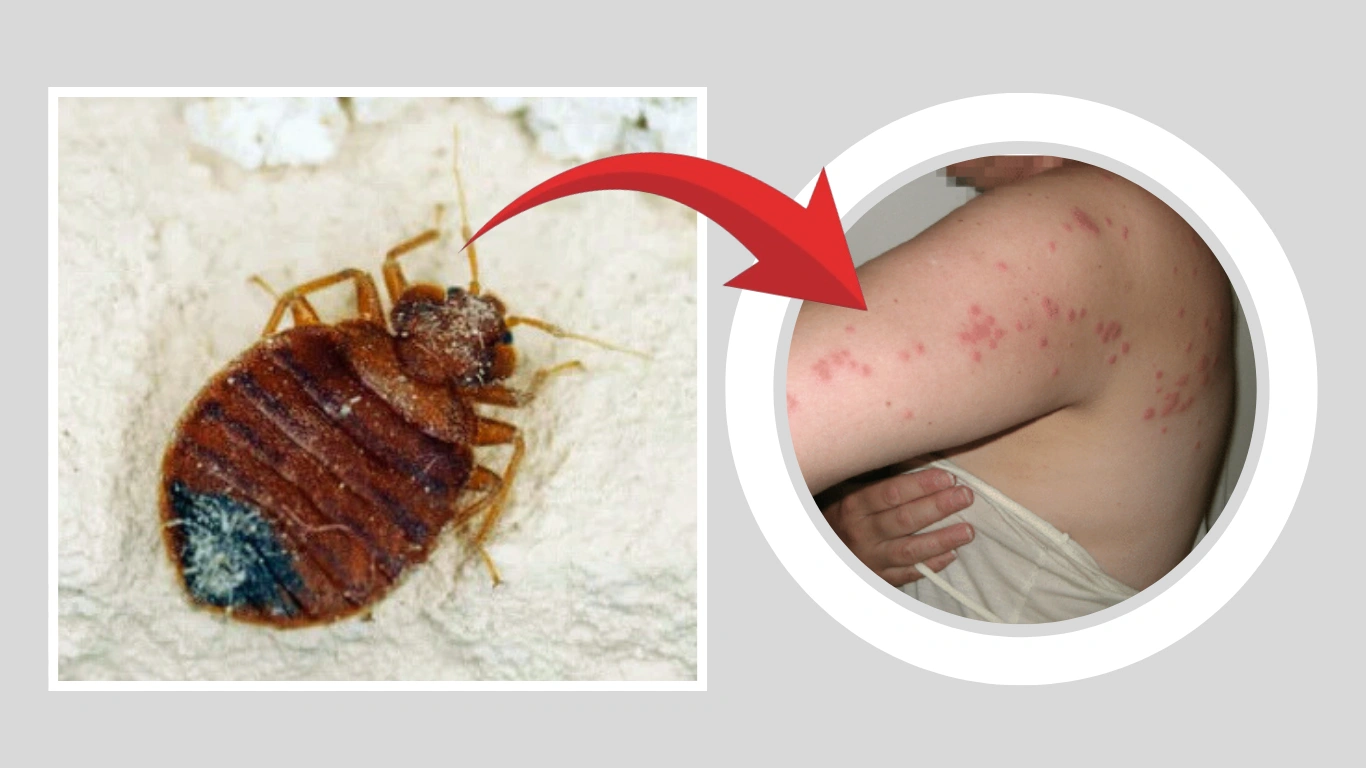
Not all bed bugs are the same. While the common bed bug is well-known, there are many other species—including bat and bird-associated types—that can bite humans. This guide explores 12 types of bed bugs, detailing how to identify their bites, recognize symptoms, and treat skin irritation. Whether you’re dealing with a home infestation or curious about rare species, this breakdown helps you understand what’s biting and how to respond.
1. Common Bed Bug (Cimex lectularius)

The Common Bed Bug is the most widespread species that feeds on human blood. Found across temperate climates, especially in homes, hotels, and hostels, these pests are small, reddish-brown, and active at night. Their bites are often mistaken for mosquito bites but follow a distinctive pattern.
Common Bed Bug Bite Identification
- Name: Common Bed Bug (Cimex lectularius)
- Bite Pattern: Appears in rows or clusters, typically 3–5 bites (nicknamed “breakfast, lunch, and dinner”)
- Size: 4–5 mm long, flat and oval
- Color: Reddish-brown before feeding; darker after feeding
- Location of Bites: Usually on arms, legs, face, neck, or hands
- When They Bite: Mostly at night while you sleep
Common Bed Bug Bite Identification Chart
| Feature | Description |
| Bite Shape | Small, red, raised bumps |
| Bite Pattern | Linear, zig-zag, or clustered |
| Common Bite Areas | Exposed skin – arms, neck, legs, hands |
| Pain Level | Painless initially; becomes itchy after a few hours |
| Reaction Time | Bites appear within hours to a day after feeding |
| Itching | Moderate to intense itching |
Symptoms of Common Bed Bug Bites
Bed bug bites typically cause small, red, and itchy welts on the skin. The irritation may develop within a few hours or take a full day to appear. In many cases, the bites appear in straight lines or clusters. While most people experience mild itching and redness, others may develop more intense reactions like swelling, inflammation, or even allergic responses such as hives. Repeated bites can lead to discomfort, disturbed sleep, and in some cases, psychological stress or anxiety.
Treatment and Relief
To treat bed bug bites, it’s important to keep the affected area clean by washing with soap and water to avoid infection. Itching can be managed with topical creams such as hydrocortisone or calamine lotion. Applying a cold compress can help reduce swelling and soothe irritated skin. Avoid scratching the bites to prevent breaking the skin and introducing bacteria. If symptoms worsen or if there is an allergic reaction, such as widespread rash or difficulty breathing, consult a medical professional immediately.
2. Tropical Bed Bug (Cimex hemipterus)

The Tropical Bed Bug is closely related to the common bed bug but thrives in warm, humid climates such as Southeast Asia, Africa, and parts of South America. Though visually similar to Cimex lectularius, it can be more aggressive in feeding and may lead to more intense bite reactions.
Tropical Bed Bug Bite Identification
- Name: Tropical Bed Bug (Cimex hemipterus)
- Bite Pattern: Often appears in clusters or zig-zag lines
- Size: Slightly longer and narrower than the common bed bug (around 5–6 mm)
- Color: Reddish-brown with a shinier body
- Location of Bites: Commonly found on arms, legs, neck, face, and hands
- When They Bite: Primarily at night, especially in hot and humid conditions
Tropical Bed Bug Bite Identification Chart
| Feature | Description |
| Bite Shape | Raised red bumps or welts |
| Bite Pattern | Grouped or in zig-zag lines |
| Common Bite Areas | Arms, legs, neck, shoulders, face |
| Pain Level | Usually painless during the bite |
| Reaction Time | Welts appear within hours, sometimes longer |
| Itching | Often more intense than with common bed bugs |
Symptoms of Tropical Bed Bug Bites
Symptoms typically begin as small, red welts that can rapidly become inflamed and very itchy. Due to the bug’s preference for frequent feeding, bites may be more numerous and close together compared to the common bed bug. Some individuals may develop blisters or larger swollen areas, and those with sensitive skin may experience severe irritation. In rare cases, allergic responses like rashes or hives can occur, especially in hot climates.
Treatment and Relief
Washing the affected area with mild soap and warm water helps reduce the chance of infection and soothes the skin. Applying a topical antihistamine cream or calamine lotion can provide relief from itching and inflammation. Cold compresses can help minimize swelling and discomfort. Avoid scratching, as this can worsen irritation and lead to scarring or secondary bacterial infections. If a severe allergic reaction occurs, medical attention should be sought promptly.
3. Leptocimex boueti Bite

Leptocimex boueti is a rare bed bug species found mainly in West Africa and South America. It typically feeds on bats but can bite humans, especially when bat hosts are unavailable. This species is more commonly encountered in caves, attics, or abandoned buildings where bats roost.
Leptocimex boueti Bite Identification
- Name: Leptocimex boueti
- Bite Pattern: Scattered bites, less likely to form lines
- Size: Slightly smaller than common bed bugs (3.5–4.5 mm)
- Color: Brownish with a slightly translucent body
- Location of Bites: Bites may occur on hands, arms, and neck
- When They Bite: Usually at night or in dark, quiet environments
Leptocimex Bed Bug Bite Identification Chart
| Feature | Description |
| Bite Shape | Small, irregular red bumps |
| Bite Pattern | Sporadic or single bites |
| Common Bite Areas | Hands, neck, arms |
| Pain Level | Mild discomfort; becomes itchy after some time |
| Reaction Time | Often delayed, appearing several hours later |
| Itching | Moderate to mild itching |
Symptoms of Leptocimex boueti Bites
Most bites from Leptocimex boueti resemble those from common bed bugs, though they may be more scattered and harder to trace. The irritation is usually mild, but individuals with sensitive skin may experience redness, swelling, or a rash. The bites tend to be more isolated and occur less frequently unless the infestation is severe or near a bat colony.
Treatment and Relief
Standard bite care is effective: washing the area thoroughly, applying anti-itch cream, and using a cold compress if swelling occurs. Because this species is associated with bat nests, professional pest control may be needed to eliminate both the bugs and their bat hosts. Seek medical attention if unusual reactions or signs of infection appear.
4. Cimex adjunctus Bite

Cimex adjunctus, also known as the Bat Bug, primarily feeds on bats but can bite humans when displaced from its natural habitat. These insects are frequently found in homes with attic bat infestations. Though closely related to common bed bugs, they differ slightly in appearance and behavior.
Cimex adjunctus Bite Identification
- Name: Cimex adjunctus (Bat Bug)
- Bite Pattern: Random, not in straight lines
- Size: Similar to common bed bugs (4–5 mm)
- Color: Dark brown, covered in fine hairs
- Location of Bites: Face, arms, neck, upper body
- When They Bite: Usually after bats are removed or displaced
Cimex Adjunctus Bed Bug Bite Identification Chart
| Feature | Description |
| Bite Shape | Small welts or red bumps |
| Bite Pattern | Isolated or few grouped bites |
| Common Bite Areas | Upper body, face, arms |
| Pain Level | Minimal pain during bite |
| Reaction Time | 1–2 hours to develop |
| Itching | Mild to moderate itching |
Symptoms of Cimex adjunctus Bites
Bites are generally mild and infrequent, as these bugs do not prefer human blood. Symptoms include small itchy bumps and slight swelling. Because they are not habitual feeders on humans, infestations rarely escalate unless bats are present in the structure.
Treatment and Relief
Treatment is straightforward and includes cleaning the bites, applying soothing creams, and monitoring for signs of infection. Addressing the bat infestation is key to stopping recurring bites. Professional extermination may be required to treat hidden bat bug colonies in ceilings or wall voids.
5. Cimex pipistrelli Bite

Cimex pipistrelli, commonly known as the European Bat Bug, is mostly found in Europe and parts of Asia. It primarily feeds on bats, but similar to other bat-associated bed bugs, it can bite humans if their usual hosts are unavailable or removed from the environment.
Cimex pipistrelli Bite Identification
- Name: Cimex pipistrelli (European Bat Bug)
- Bite Pattern: Scattered, not usually in a line
- Size: Around 4–5 mm, slightly broader than other bat bugs
- Color: Dark brown with a flattened body
- Location of Bites: Shoulders, back, arms, and occasionally the face
- When They Bite: When bat colonies are nearby or recently disturbed
Cimex Pipisterlli Bed Bug Bite Identification Chart
| Feature | Description |
| Bite Shape | Small red bumps with a slightly raised center |
| Bite Pattern | Random, with no clear grouping |
| Common Bite Areas | Back, arms, face |
| Pain Level | Typically painless; becomes itchy later |
| Reaction Time | Few hours to a full day |
| Itching | Mild to intense, depending on skin sensitivity |
Symptoms of Cimex pipistrelli Bites
The bites often resemble those from common bed bugs but may be more irregular and widely spaced. Itching and irritation vary by individual. Some people may develop swelling or skin sensitivity, especially if bitten multiple times. Bites may go unnoticed in less sensitive individuals.
Treatment and Relief
Basic home care is usually sufficient. Washing the skin and using anti-itch ointments can reduce symptoms. Cold packs help calm inflammation. If bat colonies are present in attics or chimneys, removal and pest management are essential to prevent future bites and infestations.
6. Haematosiphon inodora Bite

Haematosiphon inodora, also known as the Mexican Chicken Bug, is primarily found in Central and North America. It is known for infesting poultry farms and chicken coops but may occasionally bite humans in rural or farm settings.
Haematosiphon inodora Bite Identification
- Name: Haematosiphon inodora (Mexican Chicken Bug)
- Bite Pattern: Irregular, multiple bites in one area
- Size: Larger than bed bugs, around 6–7 mm
- Color: Reddish-brown, often darker after feeding
- Location of Bites: Legs, arms, neck – areas exposed during farm work
- When They Bite: Mostly at night or during rest periods in infested areas
Haematosiphon inodora Bed Bug Bite Identification Chart
| Feature | Description |
| Bite Shape | Large, red raised bumps or welts |
| Bite Pattern | Clustered but irregular |
| Common Bite Areas | Legs, arms, shoulders |
| Pain Level | May cause discomfort and irritation |
| Reaction Time | Bites develop quickly, often within an hour |
| Itching | Moderate to severe itching |
Symptoms of Haematosiphon inodora Bites
Bites from this species tend to cause more irritation due to their larger size and stronger feeding activity. Victims may notice immediate itching, swelling, and redness. In sensitive individuals, bites may blister or leave dark marks. Frequent exposure (such as in poultry workers) can lead to allergic responses or skin infections if untreated.
Treatment and Relief
Thorough cleansing of the bite area is important, especially in rural or farm environments. Over-the-counter antihistamines or corticosteroid creams are effective for managing itching and swelling. Infected bites should be treated by a healthcare professional. Long-term prevention involves inspecting and sanitizing chicken coops and avoiding direct contact with infested materials.
7. Oeciacus vicarius Bite

Oeciacus vicarius, also known as the Swallow Bug, is typically found in North America, especially around nesting sites of cliff swallows. Although they prefer birds as hosts, they will bite humans when bird nests are abandoned or removed.
Oeciacus vicarius Bite Identification
- Name: Oeciacus vicarius (Swallow Bug)
- Bite Pattern: Scattered or in loose clusters
- Size: Around 5 mm, similar to common bed bugs
- Color: Grayish-brown, becoming darker after feeding
- Location of Bites: Face, neck, arms—often near walls or windows
- When They Bite: During and shortly after swallow nesting season
Oeciacus vicarius Bed Bug Bite Identification Chart
| Feature | Description |
| Bite Shape | Small, itchy red spots |
| Bite Pattern | Clustered, but not always linear |
| Common Bite Areas | Neck, arms, face, upper body |
| Pain Level | Mild, often unnoticed during bite |
| Reaction Time | Few hours post-bite |
| Itching | Mild to moderate |
Symptoms of Oeciacus vicarius Bites
Symptoms are often mistaken for mosquito or common bed bug bites. Bites can cause redness, swelling, and itchiness, especially on exposed skin. In cases of repeated exposure, some individuals may experience more severe irritation or hypersensitive reactions. The bites typically subside within a few days.
Treatment and Relief
Cleanse the area with mild soap and water to reduce the chance of infection. Over-the-counter anti-itch creams or oral antihistamines can relieve discomfort. Managing swallow nests around homes is crucial—removal should be done carefully and preferably outside the breeding season, followed by pest treatment to eliminate remaining bugs.
8. Cimex pilosellus Bite

Cimex pilosellus, or the Western Bat Bug, is native to North America and mainly parasitizes bats. It may move into human structures when bat colonies are disturbed or removed, leading to occasional bites on humans.
Cimex pilosellus Bite Identification
- Name: Cimex pilosellus (Western Bat Bug)
- Bite Pattern: Irregular and sparse
- Size: Slightly smaller than Cimex lectularius, about 3.5–4.5 mm
- Color: Brown to reddish-brown
- Location of Bites: Shoulders, arms, or neck, typically near sleeping areas
- When They Bite: After bats are removed or during migration periods
Cimex pilosellus Bed Bug Bite Identification Chart
| Feature | Description |
| Bite Shape | Small red dots or welts |
| Bite Pattern | Random, few in number |
| Common Bite Areas | Shoulders, arms, face |
| Pain Level | Not painful at first; itching comes later |
| Reaction Time | Within a few hours of bite |
| Itching | Mild to moderate |
Symptoms of Cimex pilosellus Bites
The bites tend to be less frequent and less severe than those of human-adapted bed bugs. Most individuals notice small red bumps with minor itching. However, repeated exposure can result in stronger reactions. People living in homes with bat colonies may not realize these bugs are present until bat access is blocked.
Treatment and Relief
Washing the bites and applying topical creams can help manage symptoms. If signs of infection or allergic reaction occur, seek medical help. Eliminating the bat population and sealing entry points into the home are essential for long-term prevention. Professional pest control may be needed to fully address hidden infestations.
9. Cimexopsis nyctalis Bite

Cimexopsis nyctalis is a lesser-known species that lives primarily in association with bats, particularly in caves, attics, or abandoned buildings across North America. It rarely bites humans, but when displaced from bat hosts, it can become a temporary nuisance.
Cimexopsis nyctalis Bite Identification
- Name: Cimexopsis nyctalis
- Bite Pattern: Single or very few bites, scattered randomly
- Size: About 3.5–4.5 mm, slightly smaller than the common bed bug
- Color: Pale to medium brown
- Location of Bites: Usually on face, neck, or hands
- When They Bite: When bat hosts are removed or absent
Cimexopsis nyctalis Bed Bug Bite Identification Chart
| Feature | Description |
| Bite Shape | Small, itchy red bumps |
| Bite Pattern | Isolated or sparse |
| Common Bite Areas | Face, hands, upper body |
| Pain Level | Mild to unnoticeable |
| Reaction Time | Delayed – may take several hours to appear |
| Itching | Typically mild |
Symptoms of Cimexopsis nyctalis Bites
Bites from Cimexopsis nyctalis are uncommon and usually limited to a few areas of exposed skin. They cause mild itching, redness, and irritation. Reactions are often less intense than those caused by human-adapted bed bugs, and many people may not notice the bite unless they’re allergic or have sensitive skin.
Treatment and Relief
Treatment involves gently washing the area, applying anti-itch lotion, and monitoring for signs of infection. Since this species is tied to bat habitats, permanent relief often requires removal of bats and proper sealing of potential entry points. Pest control may be necessary in structures with persistent bat activity.
10. Stricticimex parvus Bite

Stricticimex parvus is a bat-associated bed bug species found in parts of Asia, particularly in regions with dense bat populations. Like other bat bugs, it doesn’t usually target humans unless it loses access to its natural host.
Stricticimex parvus Bite Identification
- Name: Stricticimex parvus
- Bite Pattern: Random, infrequent bites
- Size: Around 4 mm, compact and oval-shaped
- Color: Light brown, turning darker after feeding
- Location of Bites: Arms, neck, and exposed upper body
- When They Bite: When bats are no longer present or have relocated
Stricticimex parvus Bed Bug Bite Identification Chart
| Feature | Description |
| Bite Shape | Small welts or red patches |
| Bite Pattern | Single or scattered |
| Common Bite Areas | Arms, neck, shoulders |
| Pain Level | Minimal during the bite |
| Reaction Time | Within a few hours |
| Itching | Moderate itching, may last a few days |
Symptoms of Stricticimex parvus Bites
Bites may present as itchy red bumps or small welts. While generally not serious, repeated bites can lead to skin sensitivity or allergic-like responses. The presence of this species often goes unnoticed until bats are removed and the bugs begin seeking alternate hosts.
Treatment and Relief
Care includes washing the skin with soap and water, using anti-inflammatory creams to reduce itching, and applying cold compresses. Eliminating bat access and sanitizing roosting areas are key to preventing reinfestation. In rural or wildlife-prone areas, professional pest control is often required.
11. Paracimex setosus Bite

Paracimex setosus is another species closely related to bat bugs and is found primarily in Europe, especially in buildings where bats roost. Though rare, it may bite humans if its bat hosts are no longer available, particularly in attics or old structures.
Paracimex setosus Bite Identification
- Name: Paracimex setosus
- Bite Pattern: Isolated or sparse bites
- Size: Roughly 4–5 mm
- Color: Brownish with fine body hairs
- Location of Bites: Arms, face, or neck
- When They Bite: When disturbed or removed from bat hosts
Paracimex setosus Bed Bug Bite Identification Chart
| Feature | Description |
| Bite Shape | Red, slightly swollen spots |
| Bite Pattern | Scattered or occasional |
| Common Bite Areas | Arms, neck, face |
| Pain Level | Generally mild |
| Reaction Time | Few hours to appear |
| Itching | Mild to moderate |
Symptoms of Paracimex setosus Bites
The bites from Paracimex setosus are typically mild and infrequent. Affected individuals may notice some redness, minor swelling, and itching. Since this species doesn’t rely on humans as a primary host, bite encounters are rare and usually limited to homes with recent bat activity.
Treatment and Relief
Clean the skin with soap and warm water to reduce irritation. If itching persists, use an over-the-counter antihistamine or anti-itch cream. Identifying and sealing off bat entry points in older buildings is important to prevent further issues, especially in attic spaces or chimneys.
12. Cimex antennatus Bite

Cimex antennatus is a rare bat-associated bed bug species found in North America, typically within caves and buildings where bats nest. Like other bat bugs, it may feed on humans in the absence of bats but is not well-adapted to long-term survival on human hosts.
Cimex antennatus Bite Identification
- Name: Cimex antennatus
- Bite Pattern: Sporadic and unpredictable
- Size: 4–5 mm, similar to Cimex lectularius
- Color: Pale brown to reddish after feeding
- Location of Bites: Face, neck, and arms
- When They Bite: During or after bat removal from nearby habitats
Cimex Antennatus Bed Bug Bite Identification Chart
| Feature | Description |
| Bite Shape | Small red welts, sometimes with a central dot |
| Bite Pattern | Sparse, randomly distributed |
| Common Bite Areas | Face, arms, shoulders |
| Pain Level | Low pain, often unnoticeable during bite |
| Reaction Time | Appears within a few hours |
| Itching | Mild, may go unnoticed |
Symptoms of Cimex antennatus Bites
Symptoms are typically mild and resemble those of other bat-associated bugs. Most bites cause minor redness, some swelling, and a bit of itching. People may not immediately link bites to an infestation due to their subtle appearance and rarity.
Treatment and Relief
Treat the affected area with soap and water, followed by an anti-itch lotion or hydrocortisone cream. Long-term prevention involves inspecting attics and rooflines for bat activity and ensuring proper exclusion measures. If infestation signs persist, consider contacting a pest control professional for both bug and bat removal.
