

I have always been fascinated by butterflies, and in my garden, monarch butterflies are frequent visitors. I grow milkweed specifically to attract them, and over time, I’ve learned to identify their tiny eggs hidden among the leaves. Watching the entire life cycle—from eggs to caterpillars, then chrysalises, and finally beautiful butterflies—feels magical.
In this article, I’ll share my personal experience in identifying monarch butterfly eggs, how long they take to hatch, and some interesting facts I’ve learned by closely observing them.
Monarch Butterfly Eggs on Milkweed
I always check my milkweed plants for monarch eggs. Monarch butterflies lay their eggs exclusively on milkweed because it’s the only food their caterpillars eat. The eggs are tiny, almost like a grain of salt, and usually found on the underside of the leaves.
When I first started looking for eggs, I missed them easily. But after some practice, I could spot the tiny off-white, oval-shaped eggs nestled safely on milkweed leaves. It’s incredible how a butterfly so big lays such a tiny egg!
Monarch Butterfly Eggs vs. Aphids
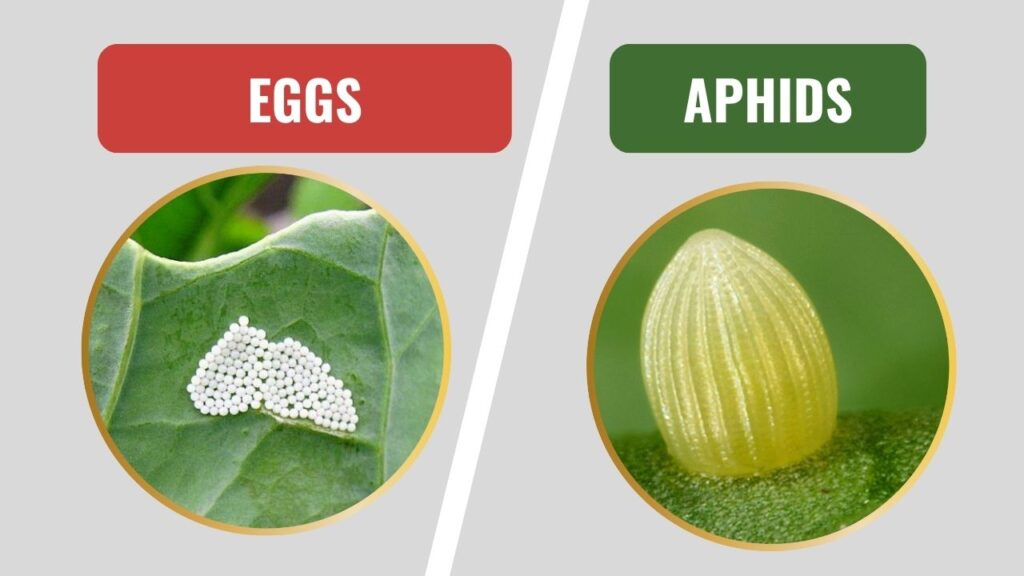
One mistake I made early on was confusing monarch eggs with aphids. Aphids are small yellow insects that gather in clusters on milkweed. Monarch eggs, on the other hand, are single, smooth, and pale. Aphids move, while eggs stay still.
Aphids also suck the sap from milkweed and can damage the plant, so I gently remove them to help the monarch eggs survive. If you’re looking for monarch eggs, be sure to check carefully so you don’t confuse them with aphids!
Monarch Butterfly Egg Identification

Through my experience, I’ve learned that monarch butterfly eggs have some unique features:
- Color: When freshly laid, they are creamy white.
- Size: Tiny, about 1mm wide, similar to a pinhead.
- Shape: Oval and slightly pointed at the top.
- Surface: If you look closely, the egg has faint ridges running from top to bottom.
I usually use a magnifying glass to take a closer look. If you have a milkweed plant, I highly recommend checking the leaves—finding a monarch egg is exciting!
Monarch Butterfly Egg Size
I was surprised the first time I measured a monarch egg—it’s so small! A monarch butterfly egg is only about 1.2 mm in height and 0.9 mm in width. That’s about the size of a tiny sesame seed.
Despite their small size, these eggs hold the future of a beautiful butterfly. If you find one, be gentle! Even a small touch can damage them.
What Monarch Butterfly Eggs Look Like

Monarch butterfly eggs look like tiny, pale droplets carefully placed on milkweed leaves. At first, they are creamy white and have a smooth surface, but as they get closer to hatching, they darken.
I once saw an egg change color within hours—the top turned grayish-black, a sign that the caterpillar was ready to emerge. It’s a thrilling moment when you know a tiny caterpillar is about to start its journey!
Monarch Butterfly Egg-Laying
I’ve seen female monarch butterflies flutter around my garden, searching for the perfect leaf to lay their eggs. They are very selective! They usually pick fresh, healthy milkweed leaves, often on the underside where the egg is protected from predators.
A single monarch can lay up to 400 eggs in her lifetime, but sadly, not all survive. This is why I try to create a safe environment for them by keeping my garden pesticide-free and filled with native milkweed.
Monarch Butterfly Egg Stages
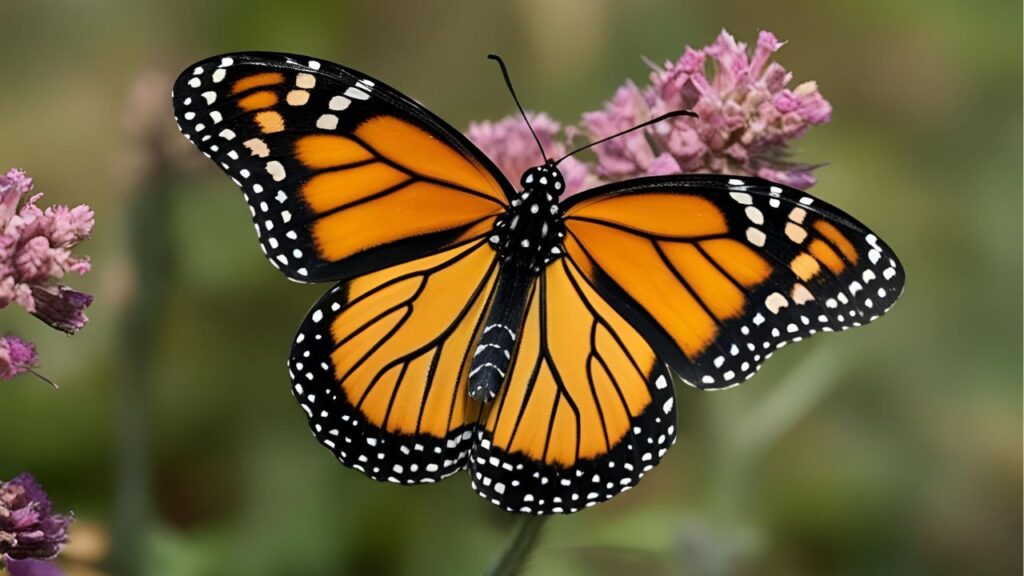
The life of a monarch butterfly egg is short but fascinating. Here’s what I’ve observed in my garden:
- Freshly Laid Egg (Day 1-2) – Pale white, smooth, and oval-shaped.
- Developing Egg (Day 3-4) – The color changes slightly as the caterpillar grows inside.
- Hatching Stage (Day 5) – The egg turns dark, and you can even see tiny black spots inside (the baby caterpillar’s head).
Right before hatching, the egg becomes nearly transparent. It’s amazing to see the tiny caterpillar wriggle out and start eating its own eggshell as its first meal!
How Long Do Monarch Butterfly Eggs Take to Hatch?

From my observations, monarch eggs take about 3 to 5 days to hatch, depending on the temperature. Warmer days speed up the process, while cooler weather slows it down.
If you ever find an egg in your garden, mark the date—you’ll be surprised how quickly it hatches! I’ve even seen some hatch in just 3 days during hot summer weeks.
Monarch Butterfly Eggs on a Leaf
Sometimes, instead of laying eggs directly on milkweed, a monarch might place an egg on a nearby plant. I once found an egg on a small vine next to my milkweed patch!
Most of the time, though, you’ll find them securely attached to the underside of milkweed leaves. This protects them from heavy rain, wind, and predators. When I check my plants, I carefully lift each leaf to spot the eggs without disturbing them.
Monarch Butterfly Eggs Hatching
Hatching is one of the most exciting moments! I’ve watched this process up close many times, and it never gets old.
- First, the egg turns darker, almost black.
- Then, a tiny crack appears at the top.
- Slowly, the caterpillar wiggles out, stretching for the first time.
- Finally, it eats its own eggshell for nutrition before moving onto milkweed leaves.
It’s incredible how something so small grows into a big, colorful butterfly in just a few weeks!
Interesting Monarch Butterfly Egg Facts
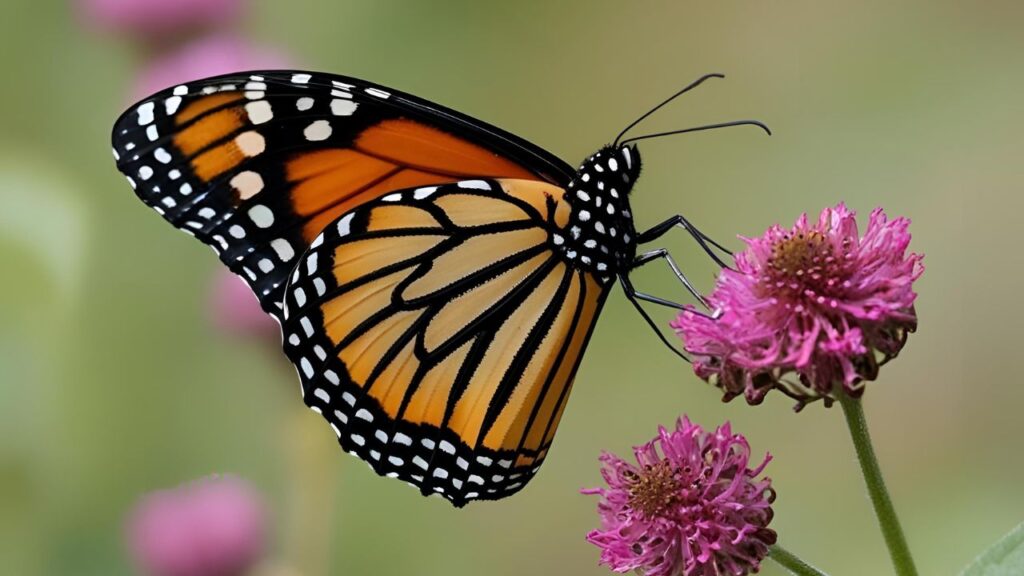
Here are some amazing facts I’ve learned from observing monarch eggs in my garden:
- Monarchs lay their eggs one at a time, never in clusters.
- Most monarch eggs don’t survive because of predators like ants and spiders.
- The mother butterfly only lays eggs on milkweed, which is essential for caterpillar survival.
- Monarchs usually lay eggs in warm months, from spring to early fall.
- Sometimes, I find eggs in surprising places—like on the stems instead of the leaves!
Each time I find an egg, I feel like I’m witnessing a tiny miracle.
Conclusion
Raising monarch butterflies in my garden has been one of the most rewarding experiences. It all starts with spotting those tiny, delicate eggs on milkweed leaves. Watching them grow, hatch, and transform into butterflies has taught me patience and the beauty of nature.
