

If you notice silver streaks, curled leaves, or flower buds that won’t open, chances are you’re dealing with thrips—tiny, fast-moving pests that suck the life out of your plants. Whether you’re managing a home garden, greenhouse, or a commercial crop field, thrips can quickly become a serious problem if not dealt with early.
In this guide, you’ll learn how to identify thrips, the damage they cause, and—most importantly—how to control thrips on plants using both natural and chemical methods.
What Are Thrips?

Thrips are minute, slender insects from the order Thysanoptera. Measuring just 1–2 mm in length, they might be hard to see without magnification, but the damage they cause is often very visible. Thrips feed by piercing plant cells and sucking out the contents, leaving behind silvery or bronze streaks, curled foliage, and distorted flowers.
There are over 6,000 known species of thrips, and some of the most common ones that attack garden and crop plants include:
- Western Flower Thrips (Frankliniella occidentalis)
- Onion Thrips (Thrips tabaci)
- Chilli Thrips (Scirtothrips dorsalis)
- Citrus Thrips (Scirtothrips citri)
- Black Thrips (Haplothrips spp.)
Signs of Thrips Infestation
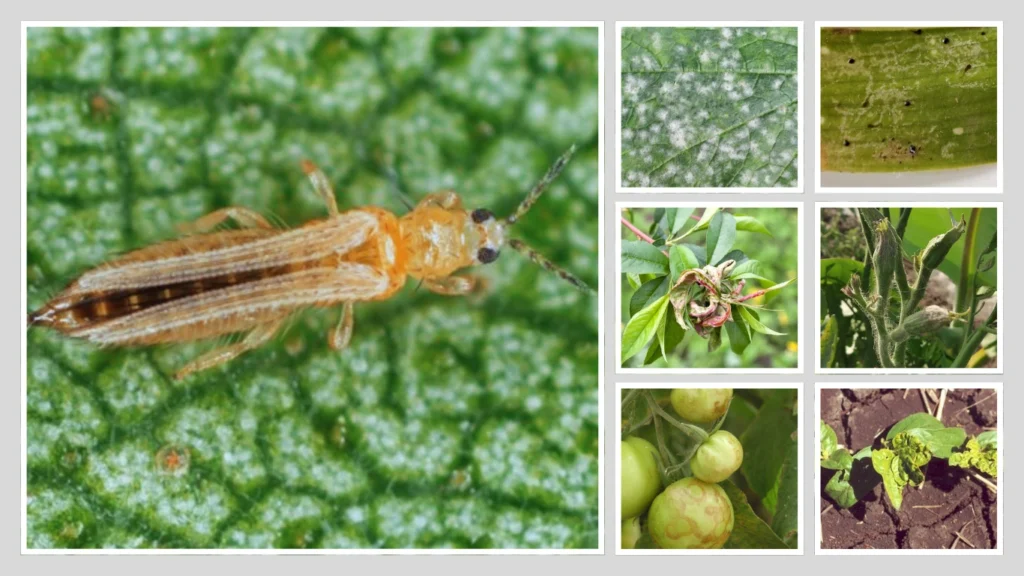
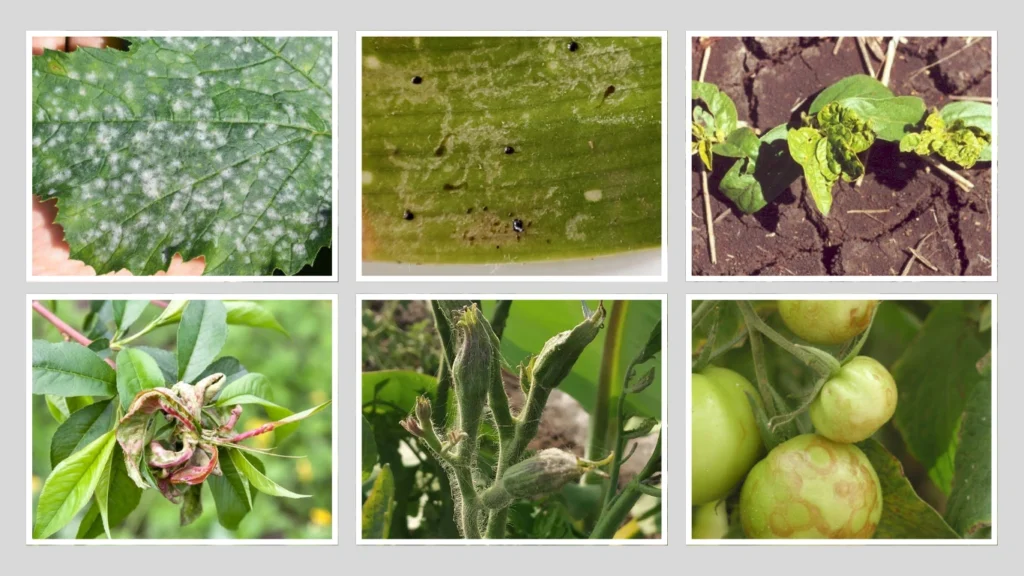
You may not always see thrips clearly, but their presence shows through a few distinct symptoms:
- Silvery streaks or patches on leaves
- Black fecal specks on foliage
- Misshapen or curled new leaves
- Deformed or unopened flower buds
- Scarring on fruit and vegetables
- Stunted plant growth
Why You Should Act Quickly
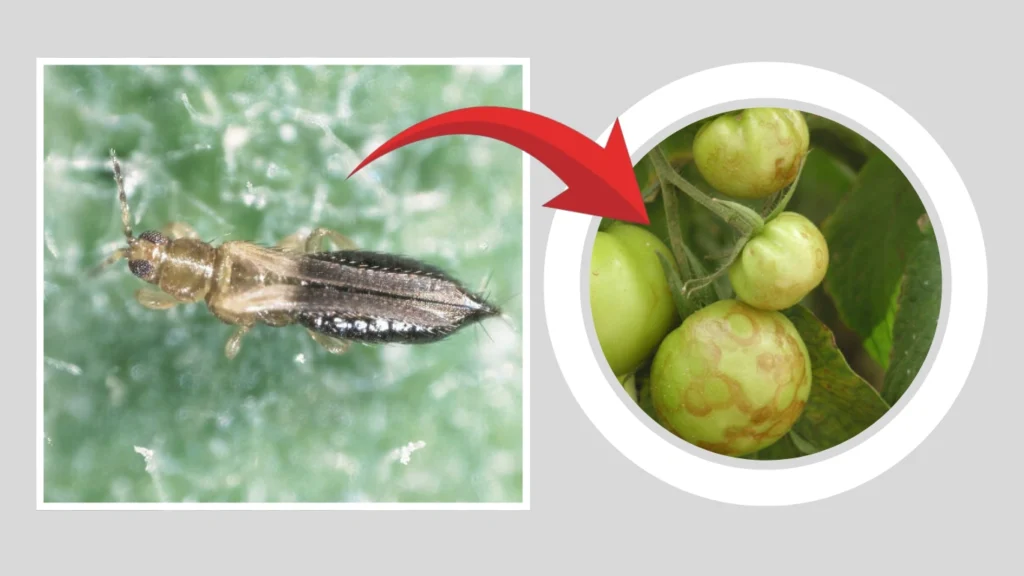
Thrips reproduce rapidly and can complete their life cycle in just 10 to 20 days under warm conditions. Many species also transmit plant viruses like Tomato Spotted Wilt Virus (TSWV) and Impatiens Necrotic Spot Virus (INSV), making early control not just about cosmetic damage—but about saving your crops.
How to Control Thrips on Plants
Controlling thrips effectively requires a multi-step approach that includes observation, prevention, and both natural and chemical treatments. Here’s what you need to do:
1. Monitor and Identify Early
Start by inspecting your plants regularly, especially:
- The undersides of leaves
- Flower buds and shoots
- Leaf folds or curled areas
Use yellow or blue sticky traps to monitor adult thrips. These traps not only help identify infestations but also reduce their population slightly.
2. Remove Infested Plant Parts
Trim and dispose of:
- Heavily infested leaves
- Damaged flower buds
- Dead or curled foliage
Don’t compost these parts, especially in closed garden systems—they may allow the thrips to re-emerge.
3. Natural (Organic) Control Methods

If you’re growing vegetables, herbs, or flowers organically, or simply want to avoid chemicals, start with these options:
a. Neem Oil Spray
Neem oil works as an anti-feedant and growth regulator. Spray thoroughly on both sides of the leaves every 5–7 days. It works best on larvae and early-stage adults.
b. Insecticidal Soap
Insecticidal soaps are safe for most plants and effective at killing soft-bodied thrips on contact. Reapply regularly and avoid use during the hottest part of the day.
c. Diatomaceous Earth
This powder scratches and dehydrates thrips. Dust it lightly on the soil surface and plant stems.
d. Reflective Mulch
Silver-colored mulch or reflective tape repels thrips and reduces the likelihood of colonization in open field or garden settings.
4. Biological Control
Bring in the thrips’ natural enemies to control their population without chemicals:
- Orius insidiosus (Minute Pirate Bug): one of the most effective thrips predators
- Amblyseius swirskii and Neoseiulus cucumeris: predatory mites targeting thrips larvae
- Green lacewings and lady beetle larvae: eat thrips and their eggs
Biological control works best in controlled environments like greenhouses or net houses where predator populations can stabilize.
5. Chemical Control (When Necessary)
When infestations are severe or spreading quickly, targeted chemical treatments can help.
Best practices for chemical control:
- Rotate insecticides to prevent resistance
- Target larval stages—they are easier to kill than adults
- Spray early morning or late afternoon to reduce harm to pollinators
Commonly used insecticides:
- Spinosad (natural bacteria-derived; safe for most beneficials)
- Abamectin (effective but should be used carefully)
- Imidacloprid (systemic; good for severe outbreaks, but may harm bees)
Always follow label instructions and local regulations for pesticide use.
Preventing Thrips in the Future
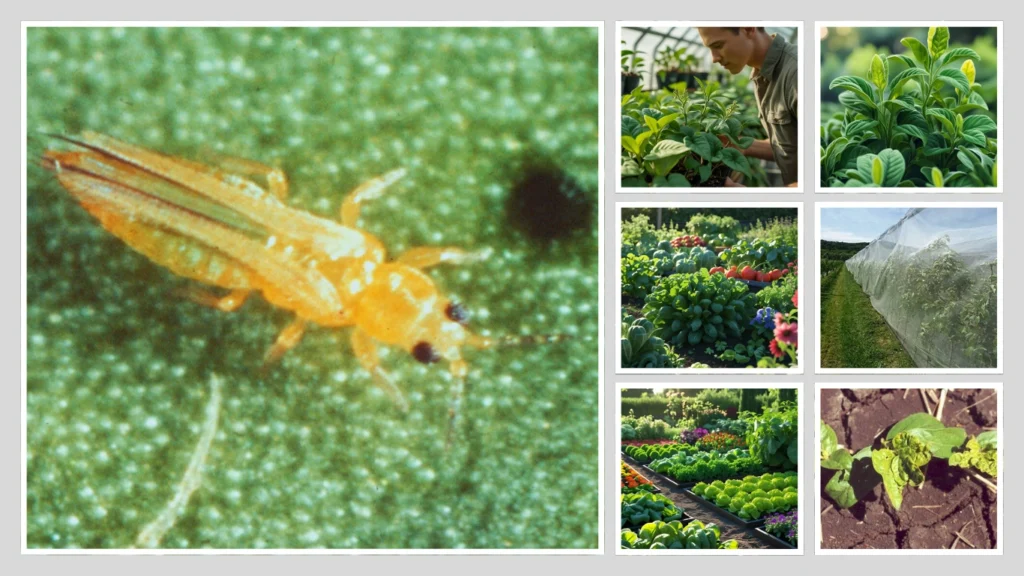
- Inspect new plants before bringing them into your garden or greenhouse
- Avoid excessive nitrogen—soft, lush growth attracts thrips
- Keep weeds and debris cleared, especially near vegetables and flowers
- Use fine mesh or netting for sensitive crops or greenhouses
- Rotate crops to disrupt the thrips life cycle and reduce buildup
Final Tips for Thrips Control Success
- Combine monitoring, pruning, natural, and chemical methods
- Be consistent—thrips reproduce fast and in large numbers
- Focus treatments on young, tender plant growth where thrips prefer to feed
- Introduce beneficial insects early, not after infestation peaks
- Stay informed—identify which thrips species you’re dealing with, as some control methods may work better than others depending on the species
FAQs
Can thrips kill plants?
While a few thrips won’t kill a plant, heavy infestations can lead to stunted growth, complete defoliation, and even plant death, especially in seedlings or stressed plants.
How fast do thrips reproduce?
Thrips can complete their life cycle in as little as 10–20 days in warm weather, producing multiple generations in a single season.
Are thrips harmful to humans?
Thrips do not bite or harm humans. Their damage is limited to plants, though handling infested plants may cause skin irritation for sensitive individuals.
Do indoor plants get thrips?
Yes, especially if plants are kept near windows or brought in from outside. Thrips can easily spread between houseplants if not detected early.
