

Dust mite allergy is a common but often overlooked condition that affects millions of people worldwide. These microscopic pests thrive in bedding, carpets, and upholstery, triggering sneezing, itchy skin, nasal congestion, watery eyes, and even asthma attacks. If you or your family experience allergy symptoms indoors, dust mites might be the hidden cause.
In this guide, we’ll break down everything you need to know—from symptoms and diagnosis to effective treatments and long-term prevention strategies.
What Is a Dust Mite Allergy?
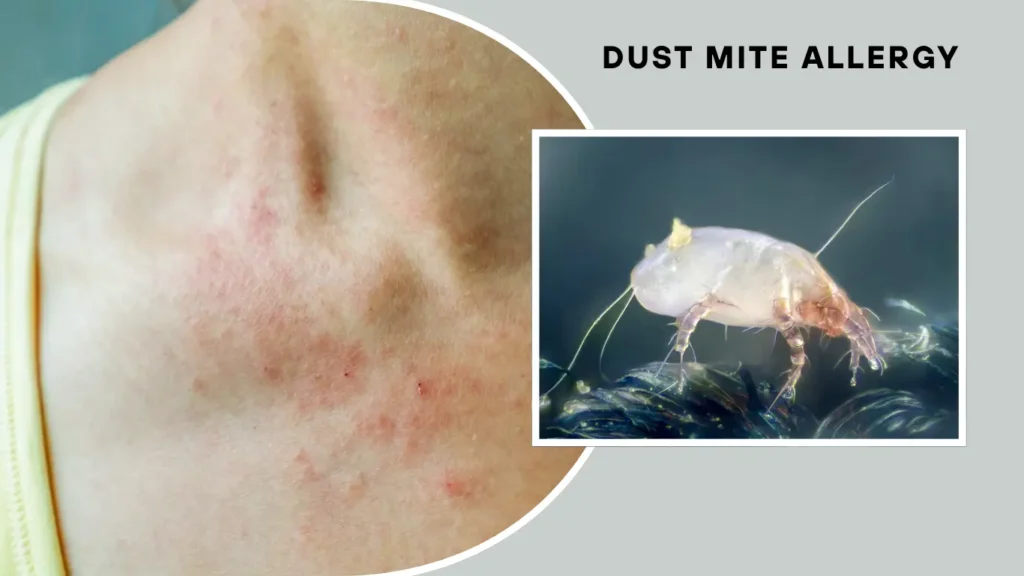
Dust mites are microscopic, spider-like creatures that feed on dead human skin cells. They thrive in warm, humid environments—especially in bedding, mattresses, upholstered furniture, and carpets. Though they don’t bite or sting, their waste and body fragments trigger allergic reactions in sensitive individuals.
How Allergies Develop
When dust mite allergens are inhaled or come into contact with the skin, the immune system may overreact. This response releases histamines, causing common allergy symptoms such as sneezing, itchy eyes, or skin irritation.
Who Is at Risk?
People with asthma, eczema, or a family history of allergies are more likely to develop a dust mite allergy. Children, especially those living in high-humidity areas or homes with carpeting and soft furnishings, are particularly vulnerable.
Is It the Same as a Dust Allergy?
Not exactly. A dust allergy can be triggered by several particles—mold spores, pet dander, or pollen trapped in dust. A dust mite allergy specifically refers to a reaction to proteins found in the mites’ waste and body fragments.
Common Symptoms of Dust Mite Allergy

Respiratory Symptoms (Sneezing, Coughing, Congestion)
One of the most noticeable signs of a dust mite allergy is respiratory discomfort. Sneezing fits, a runny or blocked nose, persistent coughing, and postnasal drip often occur—especially in the morning or while in bed.
Skin Reactions (Rashes, Eczema, Itchy Skin)
Dust mite allergens can irritate the skin, causing rashes or worsening existing eczema. Some people experience itchy, red patches, especially on the arms, face, or neck, after contact with infested fabric.
Eye and Nose Irritation
Watery, itchy, or red eyes, along with nasal itchiness and frequent nose rubbing, are common symptoms. These signs may resemble seasonal allergies but persist year-round in dust-sensitive environments.
Asthma and Chronic Fatigue Link
For asthma sufferers, dust mite exposure can trigger wheezing, chest tightness, and shortness of breath. Ongoing exposure may also lead to disturbed sleep, fatigue, and reduced focus during the day due to inflamed airways.
How Is Dust Mite Allergy Diagnosed?

Skin Prick Test
A common diagnostic method, the skin prick test introduces small amounts of dust mite allergen into the skin using a tiny needle. If redness or swelling appears, it indicates an allergic reaction. This test is quick and usually done in a clinic.
Blood Test (IgE Levels)
For those unable to undergo a skin test, a blood test measuring Immunoglobulin E (IgE) antibodies offers an alternative. Elevated IgE levels in response to dust mite proteins suggest an allergy.
At-Home Allergy Test Kits
Available online or in pharmacies, at-home kits collect small blood samples or nasal swabs. Though convenient, results are less precise than clinical testing and should be followed up with a doctor.
Diagnosing in Pets (Dogs and Cats)
Pets can also be allergic to dust mites. Symptoms include excessive licking, scratching, or skin infections. A veterinarian can perform blood or intradermal tests to confirm the allergy.
Treatment Options for Dust Mite Allergy

Over-the-Counter Antihistamines
Antihistamines like cetirizine, loratadine, or fexofenadine reduce sneezing, itching, and runny noses. They are widely available and provide fast, short-term relief.
Nasal Sprays and Eye Drops
Steroid nasal sprays (e.g., fluticasone) reduce inflammation in nasal passages. Antihistamine eye drops can ease itchy, watery eyes and are especially useful during flare-ups.
Prescription Medication (Steroids, Leukotriene Modifiers)
For severe or persistent symptoms, doctors may prescribe stronger medications such as oral corticosteroids or leukotriene receptor antagonists like montelukast to reduce allergic inflammation.
Immunotherapy (Allergy Shots and Drops)
Allergy shots (subcutaneous immunotherapy) and sublingual drops gradually expose your body to dust mite allergens, building long-term tolerance. These treatments can reduce symptoms over time and even modify the allergy itself.
Natural Remedies and Supplements (e.g., Quercetin)
Natural antihistamines like quercetin, found in apples and onions, may help control symptoms. Other herbal supplements or saline nasal rinses can provide additional relief when used with medical treatments.
Skin Reactions and Rashes from Dust Mite Allergy
Identifying Dust Mite Rash (With Pictures Guide)
Dust mite rashes usually appear as small, red, itchy bumps. They often develop on the face, neck, arms, or chest and may be confused with heat rash or contact dermatitis.
Differences from Eczema or Hives
Unlike hives, dust mite rashes tend to last longer and don’t move around. They may resemble eczema but are triggered specifically by allergen exposure, often worsening at night.
Best Creams and Soothing Treatments
Hydrocortisone creams, calamine lotion, and antihistamine ointments can reduce itching and redness. Moisturizing regularly helps protect the skin barrier, especially for those with eczema-prone skin.
Long-Term Skin Care Tips
- Avoid wool and synthetic fabrics
- Shower before bed to remove allergens
- Wash pillowcases and clothes in hot water
- Use fragrance-free, hypoallergenic skin care products
Best Products for Dust Mite Allergy Relief
Allergen-Proof Mattress and Pillow Covers
Special covers with tightly woven fabric block dust mites from infesting mattresses and pillows. Look for zippered, allergen-proof options that are breathable and washable. These create a barrier between you and the mites while you sleep.
HEPA Air Purifiers and Filters
HEPA (High-Efficiency Particulate Air) filters capture dust mites and their waste from the air. Use a portable HEPA purifier in your bedroom and change HVAC filters regularly to maintain clean air throughout the home.
Hypoallergenic Bedding and Rugs
Choose synthetic, washable bedding materials over wool or down. Avoid thick rugs and opt for low-pile, washable rugs or bare floors to reduce allergen accumulation.
Dust Mite Sprays and Cleaning Solutions
Anti-mite sprays—both natural and chemical—can neutralize allergens on surfaces. Look for products containing essential oils like eucalyptus or active ingredients like benzyl benzoate. Always follow label directions.
Best Vacuums for Dust Mite Control
Use vacuums with HEPA filters to trap microscopic particles. For deep cleaning, steam cleaners or vacuums with UV sanitizers can further reduce dust mite populations in carpets and upholstery.
Lifestyle and Prevention Tips
Managing Indoor Humidity
Dust mites thrive in humidity above 50%. Use dehumidifiers to keep levels between 30–50%. Ensure proper ventilation in kitchens and bathrooms to prevent moisture buildup.
Weekly Cleaning Checklist
- Vacuum carpets, rugs, and upholstery
- Wash bedding in hot water
- Wipe down hard surfaces with a damp cloth
- Mop floors with hot water or disinfectant
Decluttering and Reducing Fabric Surfaces
Minimize clutter and avoid items that trap dust—like heavy curtains, stuffed animals, and upholstered furniture. Store books and fabrics in sealed containers when possible.
Living With Pets with Dust Mite Sensitivity
Bathe pets regularly and brush them outdoors to reduce dander. Keep them off beds and fabric-covered furniture, and consider HEPA air purifiers if they sleep indoors.
Children and Pets with Dust Mite Allergy
Symptoms in Children and Toddlers
Kids may show signs like persistent runny nose, coughing at night, itchy eyes, and eczema flare-ups. Behavioral changes like poor sleep or irritability may also occur.
Safe Treatment Options for Kids
Use pediatric antihistamines or nasal sprays under medical guidance. Allergen-proof bedding and frequent room cleaning are especially effective for children’s rooms.
Dogs and Cats With Dust Mite Allergy
Pets can develop skin issues, frequent scratching, or ear infections. Dust mite allergies in pets often require vet-prescribed antihistamines, medicated shampoos, or allergy testing.
Managing Symptoms in Sensitive Pets
Regularly wash pet bedding, vacuum areas where they rest, and keep their fur clean. In some cases, immunotherapy may be recommended for long-term relief.
When to See a Doctor or Allergist
Signs of Severe Allergic Reaction
If symptoms worsen over time—such as difficulty breathing, chest tightness, or frequent asthma attacks—it’s essential to consult a healthcare provider. Chronic skin irritation or unmanageable rashes also warrant professional attention.
Long-Term Complications
Untreated dust mite allergies can lead to chronic sinus infections, worsening asthma, sleep disorders, and eczema. Children may develop persistent cough or experience slowed development due to poor sleep and breathing issues.
Choosing the Right Specialist
An allergist or immunologist can run tests, confirm diagnosis, and provide personalized treatment. Pediatric allergists are ideal for children, while veterinary dermatologists can help diagnose allergies in pets.
Allergy Management Plans
A formal allergy action plan may include daily medication, home environment modifications, immunotherapy options, and periodic follow-ups to assess progress and prevent complications.
FAQs About Dust Mite Allergy
How common is dust mite allergy?
Dust mite allergy is one of the most common environmental allergies worldwide, affecting up to 20% of people—especially those with asthma, eczema, or seasonal allergies.
Can dust mite allergy cause asthma?
Yes. Dust mite exposure can worsen asthma symptoms and even lead to its development in sensitive individuals, especially children. Controlling mites may improve asthma control.
Is dust mite allergy permanent?
While it can’t be cured completely, symptoms can be effectively managed through medication, allergen avoidance, and immunotherapy. Some people may experience reduced sensitivity over time.
What foods should be avoided if allergic to dust mites?
There’s no direct food link, but in rare cases, people with dust mite allergy may react to shellfish due to protein cross-reactivity. Consult an allergist for personalized advice.
Do air purifiers really help?
Yes. HEPA air purifiers reduce airborne dust mite particles, pet dander, and allergens—especially when used in bedrooms and frequently cleaned living spaces.
Can I outgrow a dust mite allergy?
Children may experience reduced symptoms as they age, but most people continue to have sensitivities into adulthood. Management is key for long-term comfort.
Are dust mite allergies seasonal?
No. Unlike pollen allergies, dust mite allergies persist year-round. However, symptoms may worsen during humid seasons or when indoor ventilation is poor.
What is the best antihistamine for dust mite allergy?
Popular options include cetirizine, loratadine, and fexofenadine. Each works differently for individuals, so consult a doctor to find the most effective and least drowsy option.
