

Fire ants are among the most aggressive and painful insect pests humans encounter, particularly in warm climates. Their stings are infamous for causing intense burning sensations, allergic reactions, and pus-filled blisters. But a common question remains: do fire ants bite or sting—or both? The truth is, they do both, and each action serves a different purpose. This article explores their defense mechanisms, bite and sting anatomy, the effects on humans, and how to treat and prevent their attacks.
Understanding Fire Ants’ Defense Behavior
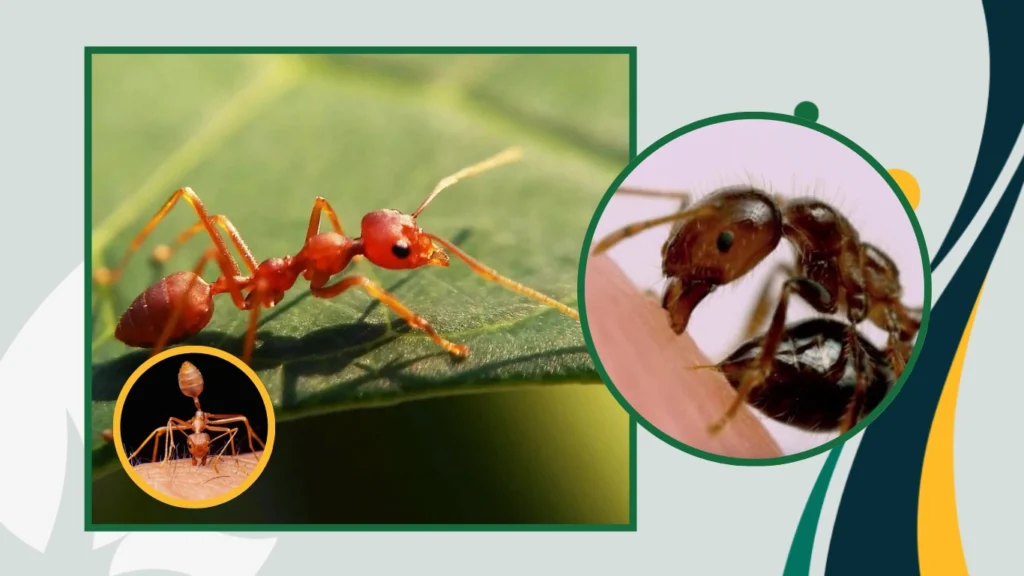
Fire ants are not naturally aggressive toward humans unless disturbed. However, when they sense a threat—such as a footstep on their mound or accidental contact—they will swarm in seconds. Unlike other ants that may simply flee or bite once, fire ants aggressively latch on and deliver multiple stings. Their primary goal is colony defense.
Fire ants release chemical signals called pheromones to alert others in the colony. Within moments, dozens or even hundreds of ants can swarm a perceived intruder, each capable of stinging multiple times. This combination of teamwork and venom delivery makes fire ants particularly dangerous.
Do Fire Ants Bite?
How Fire Ants Use Their Mandibles
Yes, fire ants bite—but not in the way many people think. The bite itself is not what causes pain. Instead, the mandibles (jaws) are used to clamp onto the skin and secure the ant in place. This grip allows the ant to rotate its body and repeatedly sting in a circular pattern. Without biting first, fire ants would not be able to maintain contact with their target.
Purpose of the Bite
The bite acts more as a hold-and-aim mechanism. The ant bites with its strong jaws, digs into the skin, and then uses its rear stinger to inject venom. If you disturb a mound and feel crawling ants before the sting, that’s the biting phase. Seconds later, the real pain begins with the sting.
Do Fire Ants Bite?

Anatomy of the Fire Ant Sting
Fire ants are equipped with a stinger on their abdomen, similar to bees and wasps. However, unlike honeybees—which sting once and die—fire ants can sting multiple times in quick succession. Their stinger delivers a venom called solenopsin, a compound that causes an intense burning sensation, swelling, and pustule formation.
What Happens During a Sting
After biting to secure themselves, the ant swings its abdomen around and injects venom into the skin. The venom causes:
- Immediate burning or stinging pain
- Localized redness and swelling
- Formation of white, pus-filled blisters (within 6–24 hours)
The sting area may remain painful and itchy for several days. In sensitive individuals, this can also lead to severe allergic reactions, including hives, dizziness, and anaphylaxis.
Bite vs Sting – What’s the Difference?
Sensory and Visual Differences
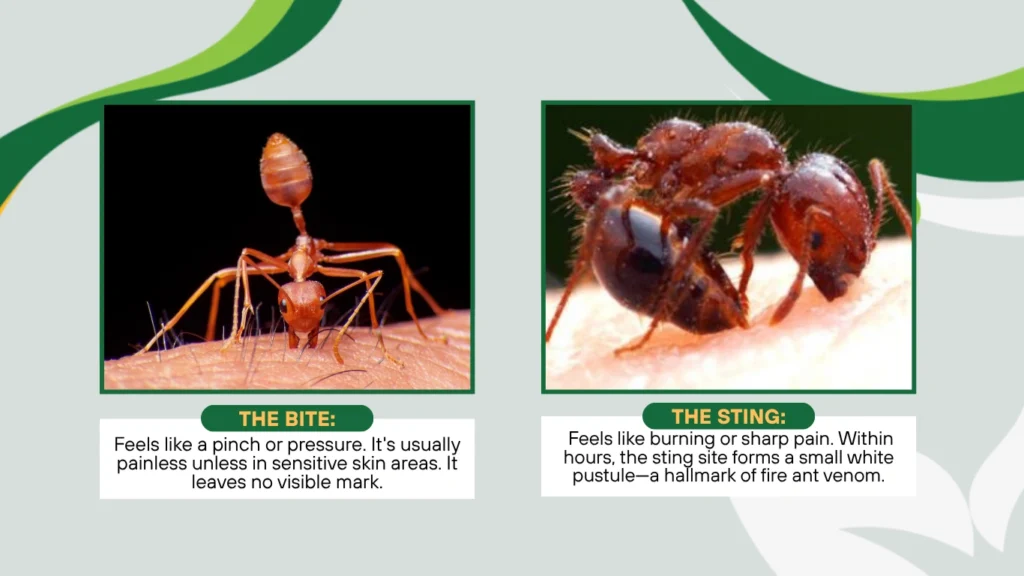
- The Bite: Feels like a pinch or pressure. It’s usually painless unless in sensitive skin areas. It leaves no visible mark.
- The Sting: Feels like burning or sharp pain. Within hours, the sting site forms a small white pustule—a hallmark of fire ant venom.
Which One Causes the Most Harm?
It’s the sting, not the bite, that causes medical concern. The venom in the sting can lead to allergic reactions, secondary infections, and even life-threatening complications in extreme cases.
Why Fire Ant Stings Hurt So Much
Solenopsin Venom
The burning pain from fire ant stings comes from solenopsin, an alkaloid venom that attacks skin cells and nerves. This compound also triggers the body’s immune response, causing inflammation and sometimes a delayed allergic reaction.
Blister and Pustule Formation
Unlike mosquito bites or bee stings, fire ant stings often develop sterile pustules—white, fluid-filled blisters that resemble pimples but shouldn’t be popped. Popping them can lead to bacterial infections and scarring.
How to Treat Fire Ant Bites and Stings
First Aid Treatment at Home
If you’re stung by fire ants:
- Move away from the mound quickly.
- Wash the area with soap and water to reduce infection risk.
- Apply cold compresses to reduce swelling.
- Use over-the-counter antihistamines or hydrocortisone creams for itching and pain.
- Avoid scratching or popping the pustules.
When to Seek Medical Help
Call a doctor if:
- You experience difficulty breathing, dizziness, or swelling of the face/throat.
- The sting site becomes infected (increased redness, warmth, pus).
- A child or pet was stung multiple times.
People with severe allergies should carry an epinephrine auto-injector (EpiPen) if they live in fire ant zones.
Preventing Fire Ant Attacks
Clothing and Precautions
- Wear closed shoes and long pants when in grassy or sandy areas.
- Use insect repellent (especially containing DEET).
- Avoid standing or sitting near ant mounds.
- Check picnic blankets and playgrounds for hidden colonies.
Fire Ant Control Around the Home
- Use ant baits or mound treatments to eliminate colonies.
- Apply broadcast fire ant killer to infested yards.
- Keep pet food and waste away from open areas to avoid attracting ants.
- Hire a licensed pest control expert if you have large infestations.
Common Myths and Misunderstandings
Myth: Fire Ants Only Bite, Not Sting
Fact: They bite and sting—but the sting causes the pain, not the bite.
Myth: One Sting Equals One Ant
Fact: A single fire ant can sting multiple times, often leaving a ring-like pattern of pustules.
Myth: Popping the Blister Speeds Up Healing
Fact: Popping pustules can introduce bacteria and lead to infection or permanent scarring. Let them heal naturally.
FAQs About Fire Ant Bites and Stings
1. Do all fire ants sting?
Yes. Most fire ants, especially workers, have the ability to sting multiple times and will do so when they feel threatened.
2. Can fire ant bites or stings kill you?
In most cases, no. However, people with severe allergies can go into anaphylactic shock, which can be fatal without prompt treatment.
3. Why do fire ant stings turn white?
The white blister or pustule forms as the body reacts to the venom. It is a sterile lesion filled with fluid, not pus from infection.
4. How long does a fire ant sting last?
The burning pain usually lasts a few hours, but the blister can persist for up to a week. Itching may continue during healing.
5. Do pets react the same way to fire ant stings?
Yes. Dogs, cats, and other animals can experience swelling, licking, or limping after being stung, especially on paws or snouts.
Final Thoughts
Fire ants are tiny insects with a big reputation for pain. They bite to hold, then sting to inject venom, often leaving behind a burning sensation and a painful blister. While not usually deadly, their stings can cause serious allergic reactions, particularly for vulnerable individuals and pets. Understanding their behavior and how to respond is essential if you live in or visit fire ant territory. With the right precautions and treatment, you can reduce the risk and stay safe from their fiery wrath.
