

Black garden ants are common visitors in yards, flower beds, and even inside homes. While they may seem harmless at first glance, their behaviors—like protecting aphids or forming large colonies—can raise questions for homeowners and gardeners alike. In this guide, we’ve answered 25 frequently asked questions about black garden ants, covering what they eat, where they live, whether they bite, and how to manage their presence effectively.
25 FAQs and Facts
1. What do black garden ants eat?
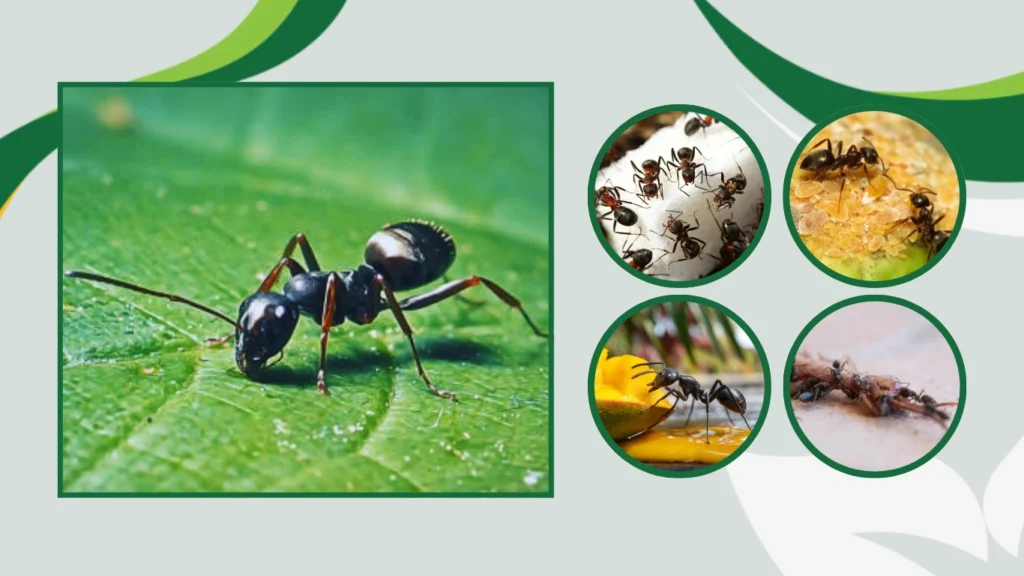
Black garden ants primarily feed on sweet substances like nectar, honeydew from aphids, and sugary food scraps. They are also opportunistic scavengers and may eat dead insects, small invertebrates, and bits of food they find in homes or gardens. Their attraction to sugary substances often leads them indoors, especially in warm weather.
2. Are black garden ants dangerous?
Black garden ants are not considered dangerous to humans. They do not carry diseases, and their presence is more of a nuisance than a health threat. However, in large numbers, they can invade kitchens and pantries. Their habit of farming aphids for honeydew can also be harmful to garden plants.
3. Do black garden ants bite?
Black garden ants can bite, but their bite is very mild and rarely felt by humans. They don’t have venomous stings like fire ants. At most, a bite may cause slight irritation or a ticklish feeling on the skin, but it’s not harmful or medically significant in most cases.
4. How to get rid of black ants in the garden?
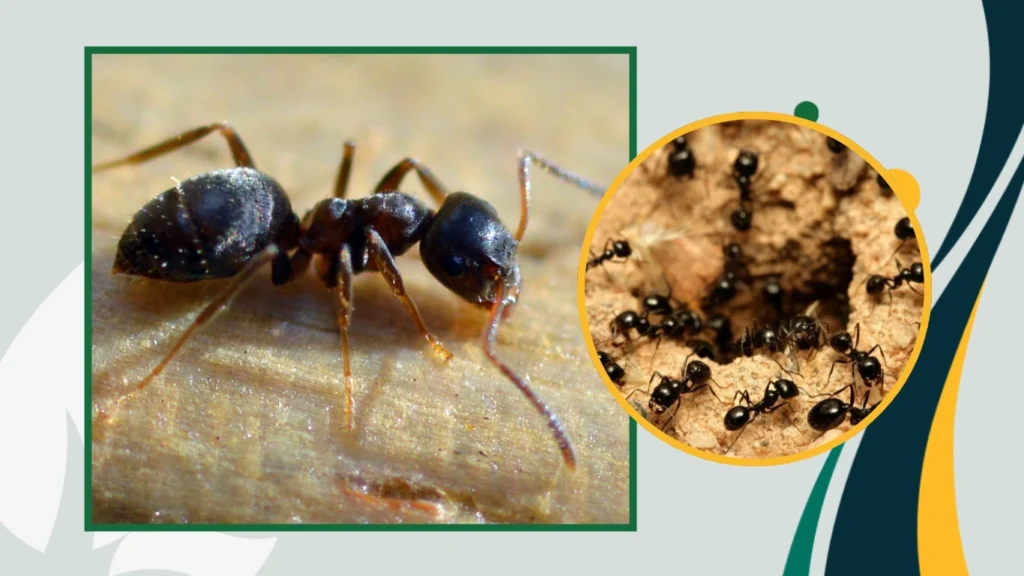
To remove black ants from your garden, start by locating their nests and treating them with ant bait or diatomaceous earth. Avoid using harsh chemicals on edible plants. Removing aphid populations can also help, as ants farm them for honeydew. Maintaining clean garden areas discourages reinfestation.
5. How to get rid of black garden ants in the house?
Begin by sealing entry points, such as cracks and window gaps. Clean up sugary spills and crumbs that attract them. Use ant baits near entry points so foraging ants bring poison back to the nest. Natural deterrents like vinegar, lemon juice, or peppermint oil can also help repel them indoors.
6. Where do black garden ants live?
Black garden ants typically build their nests in soil, under stones, paving slabs, rotting wood, or within garden borders. Indoors, they may nest in wall voids or beneath floorboards if conditions are favorable. These ants prefer moist, sheltered environments close to food sources, especially areas rich in aphids or sugary plant material.
7. Do black garden ants have wings?
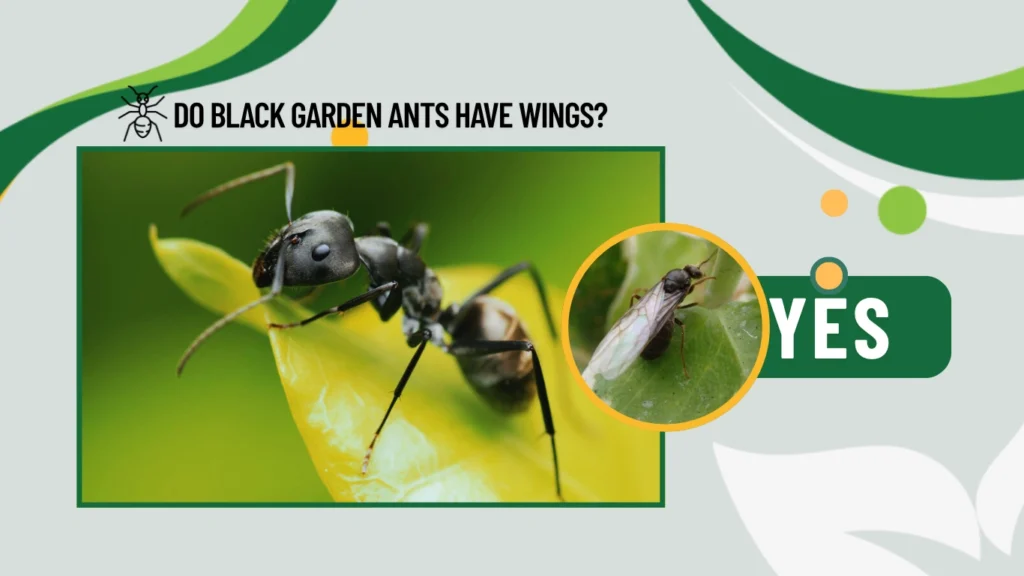
Yes, during mating season, reproductive males and females develop wings and are known as “flying ants.” These winged ants emerge in large swarms, especially on warm, humid days, for a nuptial flight. After mating, males die, and fertilized females (future queens) shed their wings and look for new places to establish nests.
8. Will black ants hurt my garden?
Black ants are generally not harmful to gardens directly, but they may indirectly damage plants by farming aphids for honeydew. Ants protect aphids from predators, which can lead to aphid infestations that weaken plants. Still, ants also help with aeration and pest cleanup, making their impact in gardens both positive and negative.
9. Are black ants bad for your garden?
Black ants aren’t inherently bad for gardens, but their tendency to encourage aphid growth can lead to plant stress. On the flip side, they improve soil structure and help decompose organic matter. Overall, if aphids aren’t a problem, black ants are usually beneficial garden inhabitants rather than pests.
10. Are black garden ants harmful?
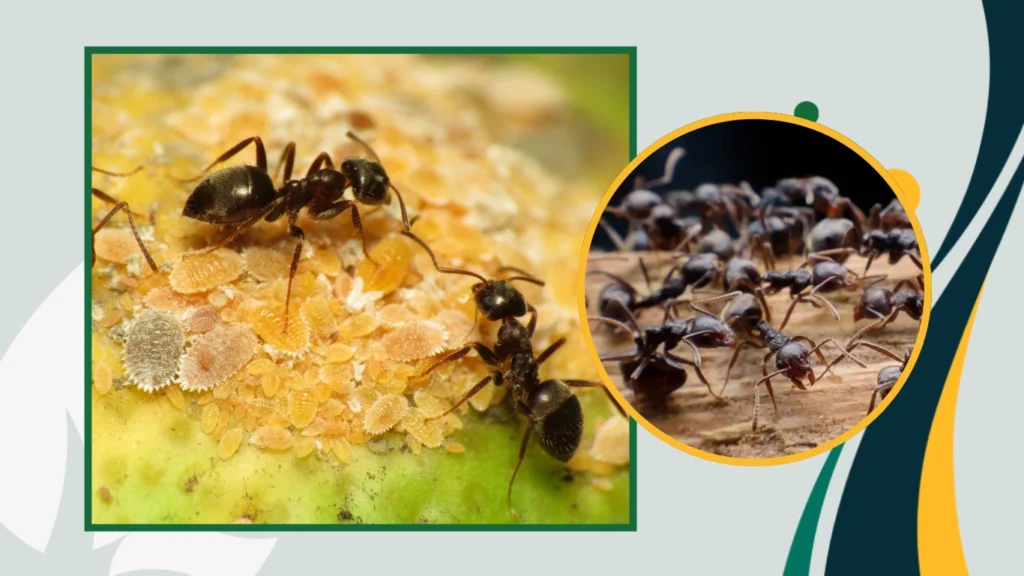
Black garden ants are not harmful to humans or pets, and they don’t damage structures like carpenter ants or termites. However, their presence in large numbers can become a nuisance, especially indoors. In gardens, their protection of aphids and disturbance of soil around plant roots can be mildly problematic.
11. Can black garden ants bite?
Yes, black garden ants can bite, but their bite is non-toxic and generally harmless. Most people don’t feel their bites at all, and there’s no venom involved. Only in rare cases might someone experience mild skin irritation, which can be eased with soap and water or a cold compress.
12. Do black garden ants sting?
No, black garden ants do not sting. Unlike red ants or fire ants, they lack a stinger and therefore pose no venomous threat to humans. Their primary defense mechanism is biting, which is not aggressive unless they feel their nest is under threat.
13. How long do black garden ants live?
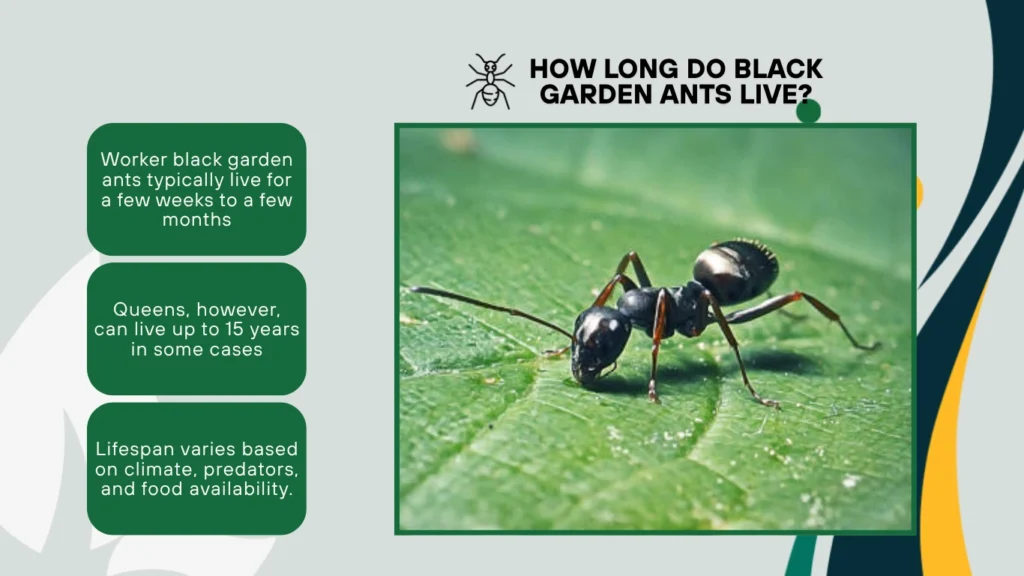
Worker black garden ants typically live for a few weeks to a few months, depending on conditions. Queens, however, can live up to 15 years in some cases, continually producing offspring. Lifespan varies based on climate, predators, and food availability.
14. How to get rid of big black ants in the garden?
Target their nests using ant bait stations or natural treatments like boiling water, vinegar, or citrus oil. Keep garden areas tidy and free from decaying plant matter. Address aphid populations, which attract these ants. Persistent infestations may require non-toxic outdoor insecticides labeled for garden use.
15. How to get rid of black ants in vegetable garden?
Use safe, non-toxic remedies like diatomaceous earth, neem oil, or soapy water sprays. Avoid chemical insecticides near edible plants. Introducing natural predators (like ladybugs for aphid control) can discourage ants. Also, block access routes and eliminate attractants such as overripe produce or aphid colonies.
16. Are black ants good for the garden?
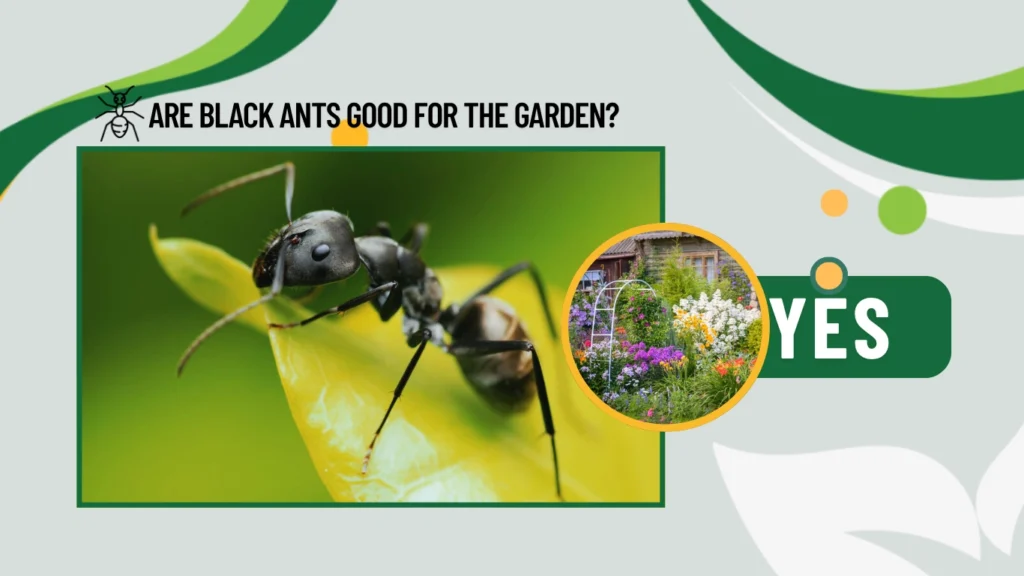
Yes, black ants can be beneficial in moderate numbers. They help by aerating soil, cleaning up dead insects, and dispersing seeds. However, problems arise when they farm aphids, which can damage plants. Their role depends on balance — too many ants or aphids may shift them from helpful to harmful.
17. Are black garden ants aggressive?
Black garden ants are not aggressive toward humans. They will only bite in self-defense, especially if their nest is disturbed. They are, however, quite protective of their aphid “herds” and may drive away other insects. Their aggression is typically directed at predators or competitors, not people.
18. Are black garden ants invasive?
In some areas, black garden ants (especially Lasius niger) are considered locally invasive due to their large colony sizes and adaptability. While not as destructive as some invasive ants, they can dominate environments, displace native species, and become pests in urban gardens or homes.
19. Can black garden ants fly?

Yes, during mating season, only the reproductive members (males and future queens) can fly. These flying ants appear suddenly and in large numbers during warm, humid days, especially in summer. After mating, the males die, and queens look for new nesting sites, losing their wings shortly after.
20. Do black garden ants hibernate?
Yes, black garden ants enter a dormant state during the cold months. They remain underground or within their nests, where temperatures are more stable. Activity resumes in spring, once it’s warm enough. Indoors, they may remain active longer if temperatures stay consistently warm.
21. How big is a black garden ant?
Worker black garden ants usually measure 3 to 5 millimeters long. Queens are significantly larger, often reaching 8 to 10 millimeters, and are distinguishable by their broader thorax and sometimes remaining wing stubs. Males are small, slender, and slightly winged during the mating season.
22. What does a black garden ant look like?
Black garden ants are shiny, dark brown to jet black, with three main body parts: head, thorax, and abdomen. They have six legs, elbowed antennae, and a smooth body surface. Workers are small, while queens are larger and have a more pronounced thorax for wing muscle attachment.
23. What does a black garden ant queen look like?

A queen black garden ant is larger and more robust than workers, with a wider thorax that once supported wings. After mating, she sheds her wings and starts a new colony. Her size and behavior — staying deep in the nest — make her less often seen.
24. What kills black garden ants?
Effective treatments include ant baits, diatomaceous earth, boric acid, and boiling water. Outdoor-safe insecticides can also be used for direct nest treatment. Removing food sources like aphids or sugary spills helps discourage their return. Repeated applications may be necessary for large or persistent colonies.
25. Why are black garden ants in my house?
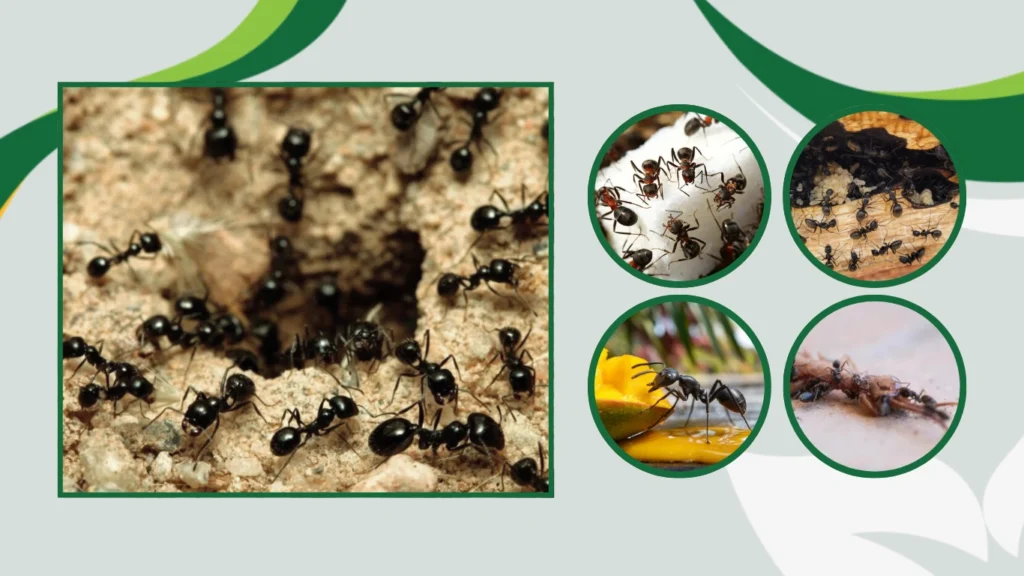
Black garden ants enter homes seeking sugary foods, moisture, or nesting spots. They often come through cracks, window frames, or wall voids. Indoor infestations usually begin with scout ants finding food. To stop them, seal entry points and eliminate food attractants like crumbs or uncovered sweets.
