
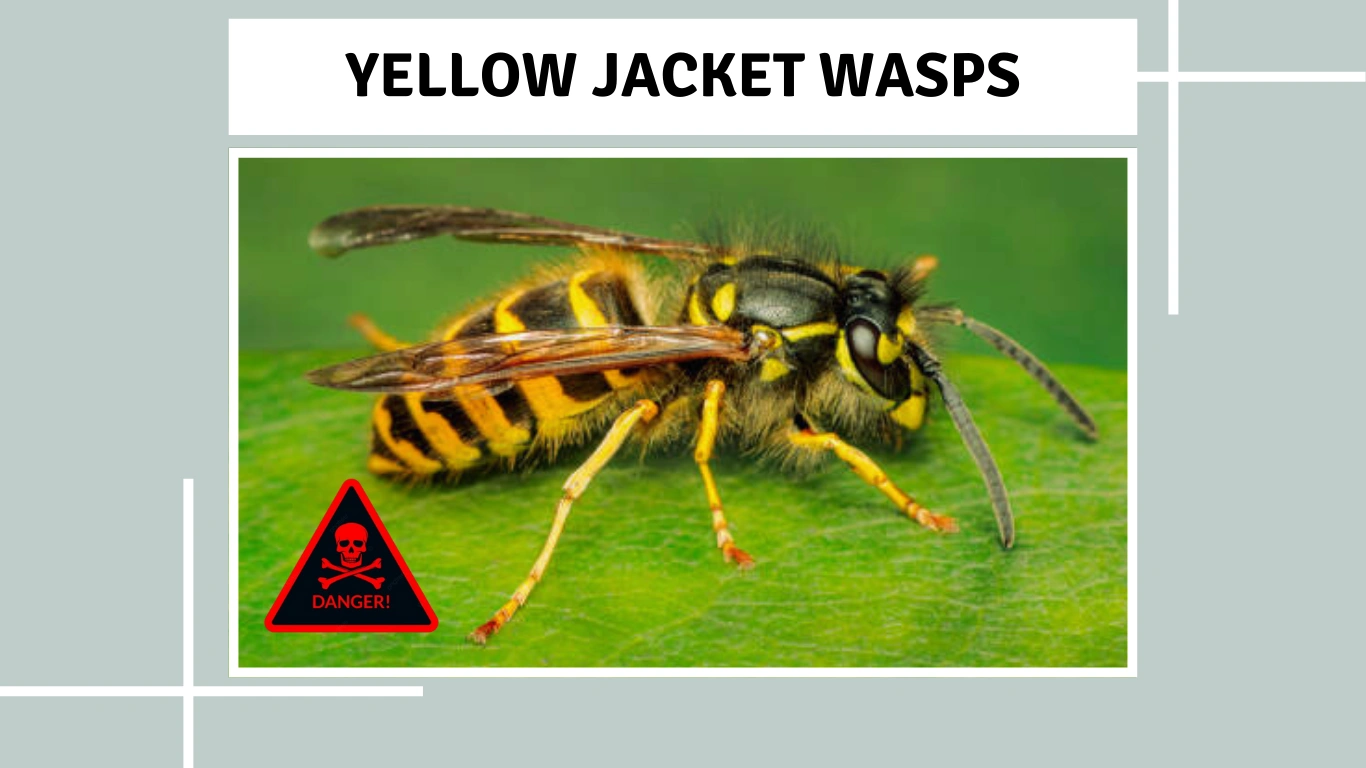
Yellow jacket wasps are some of the most feared insects encountered during late summer and early fall. Their black and yellow appearance resembles that of a bee, but their behavior is far more aggressive. Unlike honeybees, which usually sting only when provoked, yellow jackets can sting repeatedly—and often do so without warning. But how dangerous are they, really?
In this article, we’ll focus solely on the dangers posed by yellow jacket wasps: their sting, venom, aggression, and potential health risks for both humans and pets.
Why Yellow Jackets Are Considered Dangerous

Yellow jackets are dangerous primarily because of their aggression and ability to sting multiple times. They’re highly territorial and will defend their nests vigorously. Even if you don’t disturb the nest directly, vibrations or movements nearby can trigger an attack.
While most wasps avoid confrontation, yellow jackets are known to chase and sting humans unprovoked, especially in late summer when food is scarce, and their colonies grow larger and more protective.
Are Yellow Jacket Stings Poisonous or Venomous?

To be clear: yellow jacket stings are venomous, not poisonous. They inject venom through their stinger, which contains toxins that cause pain, swelling, and in some people, severe allergic reactions.
For the average person, a single sting causes:
- Immediate sharp pain
- Redness and swelling
- A burning or itching sensation for several hours
However, in allergic individuals, a single sting can trigger anaphylaxis, a life-threatening condition that requires immediate medical attention.
How Painful Is a Yellow Jacket Sting?

On the Schmidt Sting Pain Index, yellow jacket stings rate as moderately painful—similar to a bee sting but with more burning and lasting discomfort. The pain usually peaks within 1–2 hours and can linger for a day or two.
Symptoms include:
- Intense pain at the site
- Swelling beyond the sting area
- Redness and warmth
- Possible itching or numbness
Multiple stings can lead to more serious swelling or toxic reactions in anyone—not just those with allergies.
Do Yellow Jackets Sting Unprovoked?
Yes, and that’s one of the most dangerous traits of yellow jackets.
These wasps are highly reactive and will attack:
- When someone gets too close to their nest (often hidden underground or in walls)
- When they sense vibration (lawnmowers, footsteps, or voices)
- If food or sugary drinks are nearby and they feel threatened
Unlike bees, which die after one sting, yellow jackets can sting over and over again, making even a single wasp a risk—especially if you swat at it.
Why Are Yellow Jackets So Aggressive?

Several factors make yellow jackets particularly aggressive:
- End of summer behavior: Their colony peaks in size, and food sources diminish, making them more defensive and desperate.
- Scavenging nature: They’re drawn to meat, sweets, and open trash cans, which often puts them near people.
- Nest protection: They defend their nests with extreme aggression, attacking in large numbers if disturbed.
Their behavior is not just defensive—it can often appear offensive, especially compared to other wasp species.
Can Yellow Jacket Stings Be Fatal?
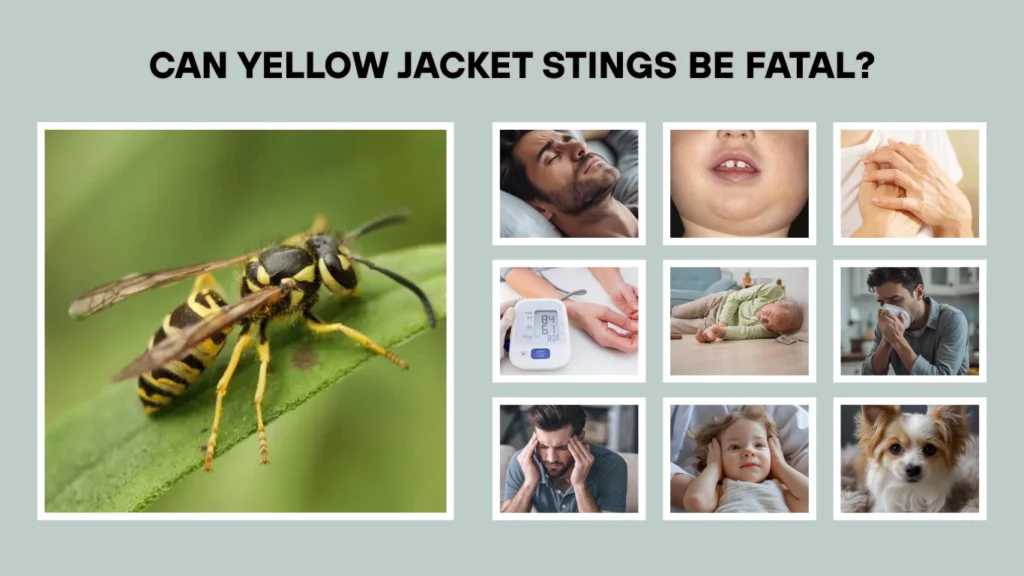
Yes, in rare but real cases, yellow jacket stings can be fatal.
1. Allergic Reactions (Anaphylaxis)
In people with sting allergies, even one sting can lead to:
- Difficulty breathing
- Swelling of the face or throat
- Rapid heartbeat
- Drop in blood pressure
- Loss of consciousness
Without prompt treatment (epinephrine or emergency care), anaphylaxis can be fatal within minutes.
2. Multiple Stings
Even in non-allergic people, 10 to 20 stings in a short period can cause:
- Vomiting
- Headaches
- Muscle breakdown
- Kidney failure
- In rare cases, death (especially in children, elderly, or small pets)
Some documented deaths involve dozens or hundreds of stings from disturbed nests or swarm attacks.
Are Yellow Jackets Dangerous to Pets and Children?
Absolutely. Pets and small children are more vulnerable due to their size and inability to defend themselves or escape quickly.
- Dogs may dig near ground nests and get swarmed
- Children playing outside may unknowingly provoke a nest
- Cats may get stung on the face or mouth while chasing wasps
Pets can suffer from allergic reactions, facial swelling, vomiting, and even breathing difficulties. Always contact a vet if a pet has multiple stings or is showing unusual symptoms.
First Aid and When to Seek Medical Help
What To Do Immediately
- Move away from the area to prevent more stings
- Wash the area with soap and water
- Apply a cold pack to reduce swelling
- Take an antihistamine for itching or redness
- Use hydrocortisone cream on the sting site
Seek Emergency Help If You Experience:
- Swelling of lips, throat, or eyes
- Difficulty breathing
- Hives spreading beyond the sting area
- Light-headedness or fainting
- Multiple stings (especially more than 5–10)
Always carry an EpiPen if you know you’re allergic to stings.
Conclusion
So, are yellow jacket wasps dangerous?
Yes—absolutely. Their aggressive nature, ability to sting repeatedly, and risk of triggering serious allergic reactions make them one of the most dangerous stinging insects you might encounter.
While they do serve an ecological purpose by controlling pests, their presence around humans and pets should be treated with caution. If you find a nest near your home, do not try to remove it yourself—contact a pest control professional.
By staying alert and knowing the risks, you can avoid painful encounters with these fierce little flyers.
