

At first glance, it sounds unbelievable—how could a slender insect like a praying mantis possibly prey on a fast, agile bird like a hummingbird? Yet, across the internet, you’ll find startling images and videos showing a praying mantis eating a hummingbird mid-flight or perched at a feeder. While these scenes may appear staged or exaggerated, there is scientific evidence proving that this rare but real behavior does occur.
In this article, we’ll explore how mantises are able to attack hummingbirds, what species are responsible, how often it happens, and whether your backyard feeder might be a hidden danger. We’ll also look at mantis eating hummingbird case studies, predator tactics, and ways to protect your birds from these stealthy insect hunters.
Here are the next three sections of the article:
Do Praying Mantises Really Eat Hummingbirds?

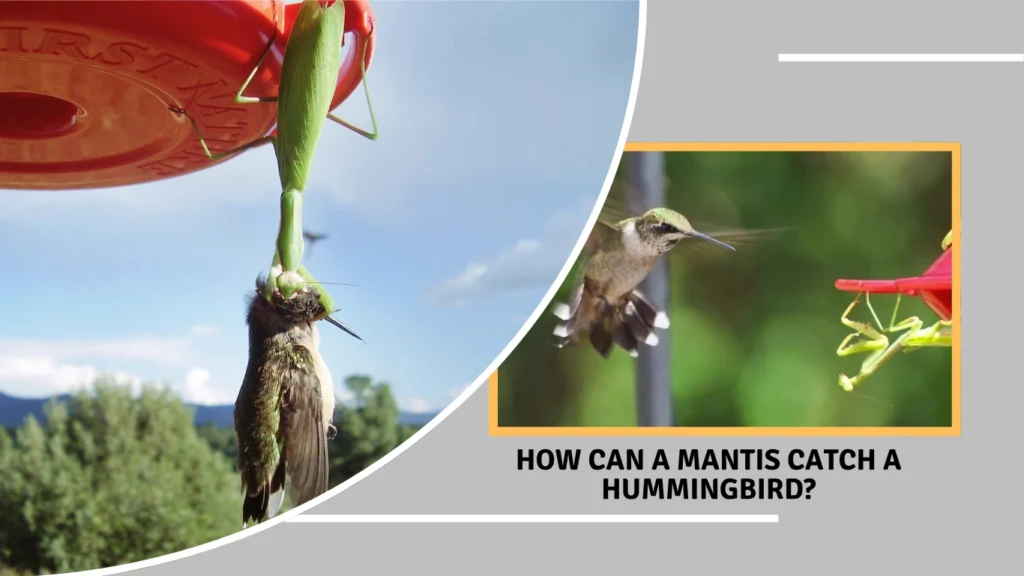
Yes, praying mantises have been documented eating hummingbirds. Although it’s rare and shocking, multiple credible sources—including bird watchers, scientists, and wildlife photographers—have observed and recorded these predatory events. Mantises are known for their quick reflexes and ambush tactics, which allow them to snatch unsuspecting prey with surprising accuracy. When hummingbirds pause at feeders, they can become vulnerable targets if a large mantis is lurking nearby.
What the Evidence Shows
A 2017 study published in The Wilson Journal of Ornithology compiled more than 140 documented cases of mantises preying on birds. The majority involved hummingbirds, particularly ruby-throated hummingbirds in North America. Most attacks occurred near artificial feeders, where mantises had positioned themselves to take advantage of the bird’s momentary stillness. The study confirmed that species like the Chinese mantis and European mantis were the primary culprits.
How Can a Mantis Catch a Hummingbird?
Physical Capabilities of a Praying Mantis
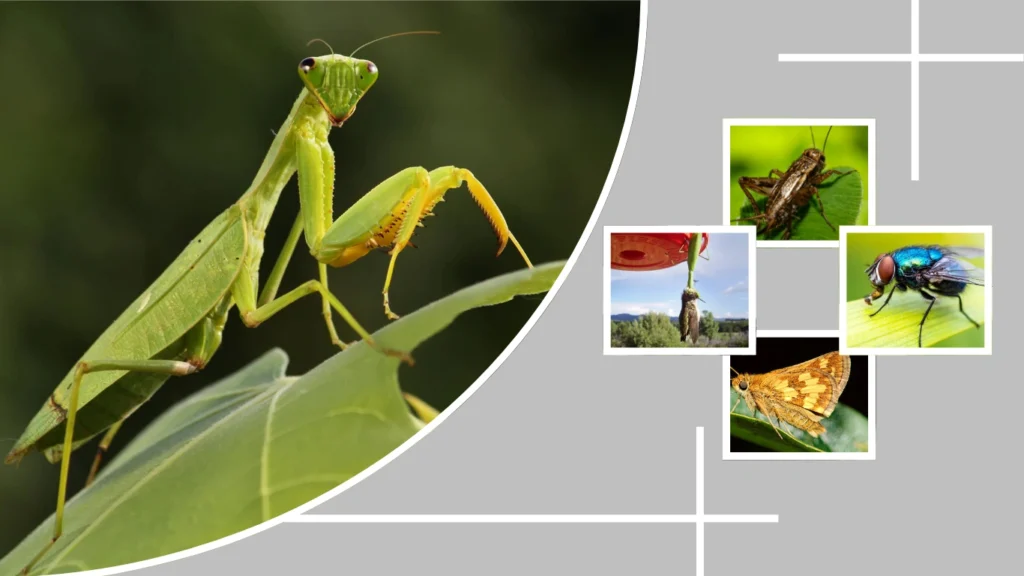
Despite their delicate appearance, mantises are formidable ambush predators. They use specialized raptorial (grasping) forelegs lined with sharp spikes to snatch and pin prey with lightning speed. A mantis can remain completely motionless for long periods, blending into its surroundings, then strike in a fraction of a second when prey is within reach. Their excellent vision and precise timing enable them to catch prey even larger than themselves.
Tactics Used in Attacks
Mantises often perch on or near hummingbird feeders, flowers, or railings where hummingbirds hover. When the bird approaches to feed, the mantis launches a rapid strike, aiming for the head or neck. If the grip is strong enough, the bird is held in place while the mantis begins feeding—usually starting at the base of the skull. This ambush tactic works only when the bird is momentarily stationary, such as when sipping nectar or pausing to hover.
What Kind of Mantises Eat Hummingbirds?

Common Predatory Species
The most frequently recorded bird-hunting mantises are the Chinese mantis (Tenodera sinensis) and the European mantis (Mantis religiosa). Both species were introduced to North America and are larger than many native mantis species, growing up to 4 to 6 inches long. Their size gives them a significant advantage in taking down larger prey, including small reptiles and birds.
Size Matters
Smaller mantis species, such as the native Carolina mantis, are generally too small to pose a threat to hummingbirds. In contrast, larger mantids have the strength and reach to grip and kill a bird. The size of the mantis is a key factor in these attacks, as is its ability to remain hidden until the perfect moment. Encounters typically involve a large mantis lying in wait near high-traffic feeding areas.
Here are the next three sections of the article:
Is This Behavior Natural or Human-Influenced?
Natural Predation or Unnatural Opportunity?
Praying mantises are opportunistic predators, meaning they’ll go after whatever prey they can catch—usually insects like crickets, flies, or moths. However, the presence of hummingbird feeders has created an unnatural opportunity. Feeders provide a predictable location where birds slow down, hover, or perch—giving a mantis the perfect chance to strike. While this behavior isn’t entirely “unnatural,” it’s much more likely to occur due to human environments than in isolated wild settings.
Do People Stage These Incidents?
Some wildlife photographers and curious onlookers have been criticized for placing mantises on feeders intentionally to witness or capture attacks. These staged setups may exaggerate how often this behavior naturally occurs. There is concern in the scientific and birding communities about the ethics of provoking such predatory events, especially when it can result in harm to hummingbirds. It’s important to remember that while real, these events are rare—and not something to encourage for entertainment or photos.
Is It Dangerous for Hummingbirds?

Frequency of Attacks
Cases of mantis eating hummingbird encounters are rare when compared to overall hummingbird feeder use. However, the frequency may be underestimated due to the stealthy nature of the mantis and the fast disposal of bird remains. These attacks most often occur in backyards, where mantises can easily perch on hummingbird feeders.
Impact on Hummingbird Populations
Despite the gruesome nature of the event, mantis attacks on hummingbirds are not a major threat to their population. They are isolated incidents and mostly affect individual birds, especially in areas where mantis species have been introduced and grow unusually large. Still, these attacks can pose a real risk in local areas with dense mantis populations and multiple feeders, particularly for juvenile or inexperienced hummingbirds.
What Happens During a Mantis-Hummingbird Encounter?
The Attack
A mantis typically waits motionless near a feeder or flower, blending in with nearby leaves or poles. When a hummingbird comes within striking distance, the mantis lunges and grabs the bird by the neck or head using its raptorial forelegs. The speed and grip strength of the mantis allow it to immobilize the bird before it can react.
The Outcome
If the mantis maintains its grip, the hummingbird quickly becomes exhausted and may die within minutes. The mantis often begins feeding while the bird is still alive, typically targeting soft tissue near the skull or neck. This behavior has been caught on camera in several disturbing instances. While uncommon, it demonstrates the ruthless efficiency of mantises as predators—even when their prey is a swift, flying bird.
How to Protect Hummingbirds at Feeders
If you enjoy feeding hummingbirds and want to ensure their safety, it’s important to prevent mantises from turning feeders into ambush spots. While mantis attacks are rare, taking a few precautions can make a big difference.
Tips to Prevent Attacks
- Inspect feeders regularly: Check for mantises hiding on or near feeders, especially in the summer when mantis populations peak.
- Move feeders away from dense vegetation: Mantises prefer to perch in shrubs, vines, or tall flowers. Hang feeders in open areas with minimal nearby cover.
- Use feeder poles: Instead of attaching feeders to fences, decks, or tree branches, use shepherd’s hooks or standalone poles that are harder for mantises to climb.
- Relocate mantises gently: If you find one lurking on a feeder, gently remove it and place it in a more appropriate area of the garden, such as near vegetable plants where it can still hunt pests.
- Avoid using sticky traps: These can harm birds and beneficial insects alike.
Proactively managing your feeder setup helps maintain a safe feeding zone for hummingbirds without harming beneficial predators like mantises.
Other Surprising Prey of the Praying Mantis
Although insects are their primary food source, large mantises have been documented hunting a surprising range of animals. This includes:
- Lizards: Small geckos and anoles
- Frogs: Particularly tree frogs resting on leaves
- Small rodents: Very rarely, baby mice
- Spiders: Including large orb-weavers
- Other mantises: Cannibalism is common, especially after mating
These cases show that mantises are highly opportunistic and will attack almost anything they can overpower. Their strategy relies on ambush, patience, and the ability to strike faster than their prey can escape. The hummingbird is just one of many victims in the mantis’s surprisingly diverse diet.
FAQs
1. Has a mantis really been seen eating a hummingbird?
Yes. There are dozens of documented cases, including photos and videos, of mantises successfully attacking and consuming hummingbirds. Most involve large mantises like the Chinese mantis and often take place at feeders.
2. Why would a mantis attack a hummingbird instead of an insect?
While mantises typically hunt insects, a hummingbird may be targeted if it comes within reach—especially when it pauses at a feeder. To a mantis, a bird that size is simply a larger meal if it can be subdued.
3. Is it legal to remove a praying mantis from a feeder?
Yes. While praying mantises are often protected from harmful handling, gently relocating one away from your feeder is perfectly acceptable and advisable to protect hummingbirds.
4. Can mantises be harmful to other backyard wildlife?
Potentially, yes. Mantises are known to eat butterflies, bees, moths, and other beneficial pollinators. In rare cases, they may even attack reptiles and amphibians. They are important predators, but their presence near feeders or pollinator gardens should be monitored.
5. Are all mantis species capable of eating birds?
No. Only larger species, like the Chinese and European mantises, have the strength and size to kill hummingbirds. Smaller mantis species are unlikely to pose a threat and typically stick to insects.
Conclusion
So, do praying mantises really eat hummingbirds? Surprisingly, yes—but only in rare, specific circumstances. While it may seem shocking, mantises are opportunistic predators capable of capturing much more than flies and crickets. Though these events are uncommon, they tend to occur near feeders where hummingbirds hover and are most vulnerable.
