

When it comes to shocking moments in the insect world, few behaviors are as infamous as the one where the female praying mantis eats the male during or after mating. Whether you’ve seen it in documentaries, read about it in science blogs, or come across videos online, it’s a scene that feels more like horror than biology. But this gruesome act isn’t just for show—it’s a real phenomenon with evolutionary logic behind it.
In this article, we’ll explore why female praying mantises eat male mantises, how often it happens, and what researchers believe about its purpose in reproduction. From the science of sexual cannibalism to how common it is in nature, we’ll break it down with all your burning questions answered.
Do Female Praying Mantises Really Eat Males?
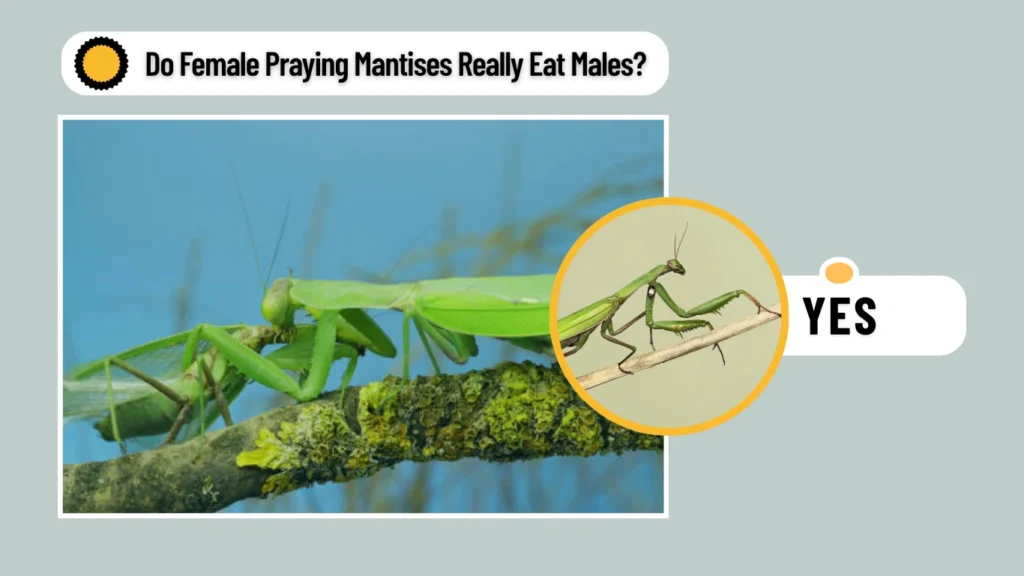
Yes, they do. The behavior known as sexual cannibalism—when the female kills and consumes the male before, during, or after copulation—is a documented part of mantis reproduction. It’s not a myth or exaggeration. In fact, the image of a praying mantis female eating male partners has become iconic in insect studies.
However, it’s important to understand that not every mating ends in cannibalism. The frequency depends on multiple factors: the species of mantis, environmental conditions, food availability, and even how aggressive the female is feeling at the time.
Why Do Female Praying Mantises Eat the Male?
Nutritional Benefits
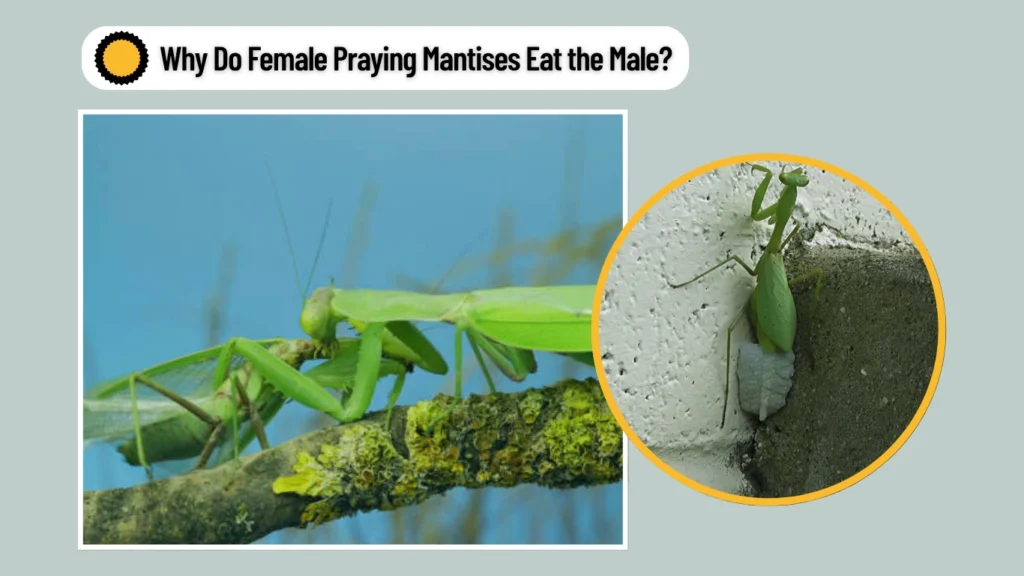
One of the most widely accepted explanations is the nutritional advantage. When a female praying mantis consumes a male, she gains valuable protein and nutrients that can be used for egg development. This is especially important because producing and laying hundreds of eggs is physically demanding.
In environments where food is scarce, a male mate becomes an available—and nutritious—resource. By eating him, the female increases the likelihood that her offspring will be healthy and strong. It’s nature’s version of waste not, want not.
Evolutionary Advantage
Sexual cannibalism may also offer evolutionary benefits. Studies suggest that females who consume their mates may lay more eggs or produce higher-quality offspring. In this sense, the male’s sacrifice may actually help pass his genes on more effectively than if he had simply flown away.
Some researchers even argue that this behavior gives reproductive priority to males willing to risk being eaten. In a brutal twist of evolution, it may be more “successful” to die and fertilize more eggs than to survive and fertilize fewer.
Mating Control and Sperm Transfer
There’s another theory, too—one that suggests cannibalism might help the mating process itself. Some studies have found that sperm transfer in mantises continues even after the male is decapitated. That’s right: a female praying mantis eating a male may not interrupt mating at all.
In fact, decapitation may even make the male’s movements more vigorous due to nerve reflexes, improving the chances of successful reproduction.
How Often Does This Happen?
Contrary to popular belief, not all female praying mantises eat the males. In the wild, sexual cannibalism is less common than in captivity. When females are well-fed and not stressed, they’re less likely to attack their partners.
However, in laboratory settings—where food may be limited and conditions are more controlled—this behavior occurs more frequently. Some studies suggest that cannibalism happens in 13% to 28% of matings in natural conditions, but the rate can be significantly higher in captivity.
Are Male Mantises Aware of the Risk?
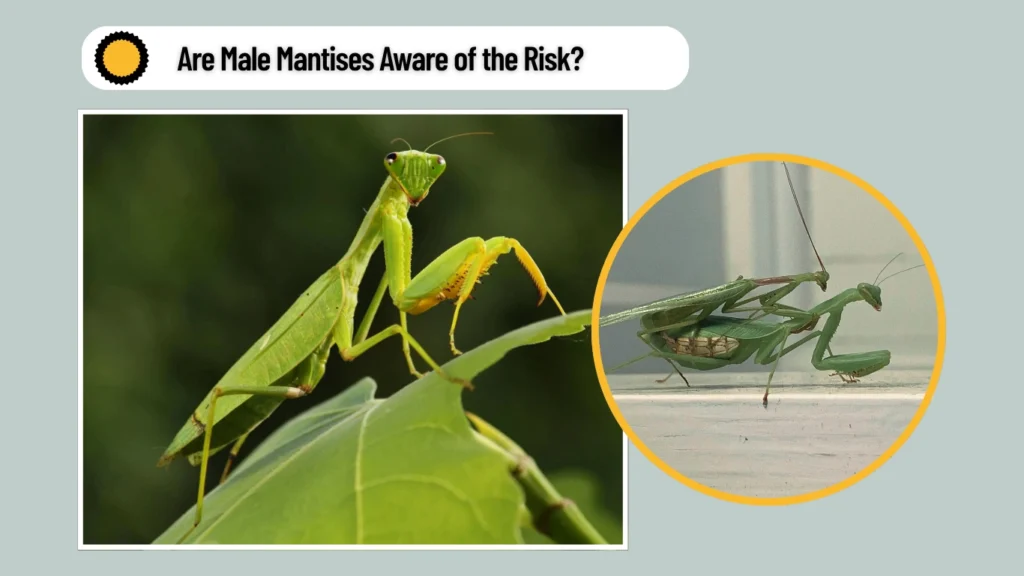
It appears they are. In the wild, male mantises are known to approach females cautiously, sometimes inching forward for hours. They often attempt to mate from behind and may even leap away immediately after copulation.
Interestingly, some male mantises will avoid mating altogether if the female is visibly agitated or appears underfed. These behaviors suggest that males are not only aware of the threat but actively trying to minimize the risk of becoming a meal.
Do All Species of Praying Mantises Show This Behavior?
No. While cannibalism is most famously observed in species like the Chinese mantis (Tenodera sinensis) and the European mantis (Mantis religiosa), it’s not universal. Many mantis species do not frequently display this behavior, and in some, it may be extremely rare.
That said, larger mantis species with more aggressive females are generally more likely to engage in post-mating cannibalism.
Is This Unique to Praying Mantises?
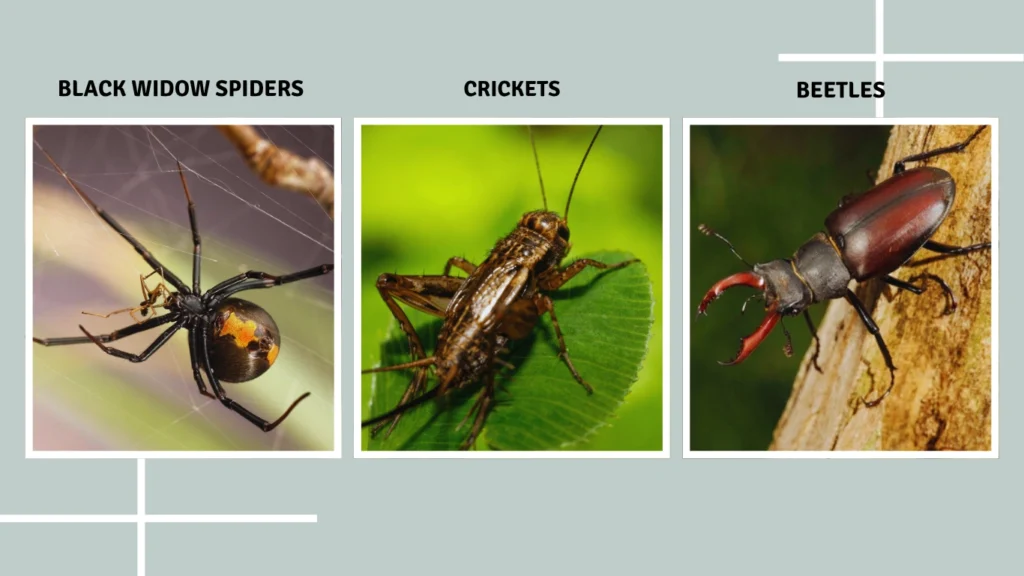
Not at all. While the female mantis eats male scenario is the most iconic, similar behaviors occur in other insects and arachnids. For example:
- Black widow spiders often consume their mates
- Some crickets, beetles, and scorpions also show cannibalistic tendencies during mating
- Even some aquatic invertebrates display this brutal yet strategic reproductive tactic
In these species, the biological advantage outweighs the loss of a mate, especially when survival and reproduction are tightly connected.
What Do Scientific Studies Say?
Researchers have studied praying mantis mating behavior extensively, particularly to understand whether cannibalism is adaptive or incidental. In many studies, scientists found that well-fed females are much less likely to attack males. This supports the theory that hunger is a major trigger.
Some studies also showed that decapitated males still complete mating, suggesting that this “sacrifice” doesn’t interrupt reproduction. Rather, it may increase the odds that the male successfully fertilizes the eggs.
In evolutionary terms, sexual cannibalism may be a case of one individual giving up everything for the survival of its genetic legacy.
Is It as Brutal as It Seems?
To humans, this behavior appears cold, violent, and cruel—but nature doesn’t operate on emotion or morality. Instead, it follows the principle of survival and reproductive success. In this light, the female praying mantis eating male isn’t savage—it’s strategic.
In the mantis world, mating may be both a beginning and an end. The act of reproduction ensures the species survives, even if one individual doesn’t.
FAQs
1. Do female praying mantises always eat the male after mating?
No, not always. The behavior depends on species, environment, and whether the female is hungry. Well-fed females are less likely to attack.
2. Why does mating continue even after the male is eaten?
Due to nerve reflexes, the male mantis can continue mating motions and sperm transfer even after being decapitated. This may actually increase the chances of successful fertilization.
3. Does cannibalism improve the quality of the offspring?
Yes. Some studies suggest that females who consume their mates lay more eggs or produce stronger hatchlings due to the added nutrients.
4. Are males afraid to mate because of the risk?
Males do appear cautious. They approach slowly, choose calmer females, and may attempt to flee quickly after mating.
5. Can this be prevented in captivity?
To reduce the chances of cannibalism in captivity, researchers and mantis keepers feed the female beforehand and use larger enclosures so the male can approach carefully.
Conclusion
The act of a female praying mantis eating a male may seem violent and unsettling, but it serves a biological purpose. It’s a behavior shaped by millions of years of evolution, where survival and reproduction come above all else.
Rather than viewing this act as cruel, we can see it as part of nature’s extraordinary toolkit—a strategy that allows the species to thrive, even if one partner doesn’t live to see the results. Whether you’re fascinated or disturbed, the world of praying mantises is a reminder that in the insect kingdom, survival often comes with sacrifice.
