
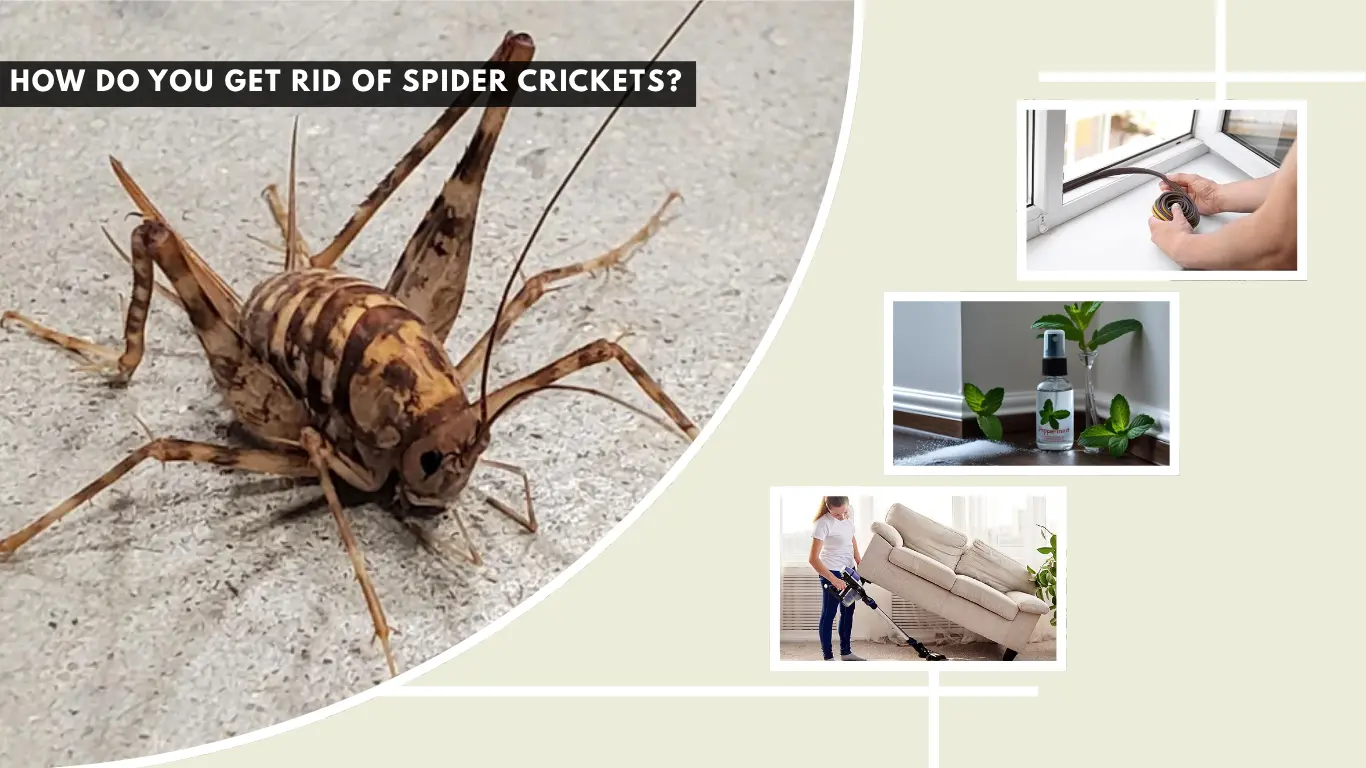
Spider crickets—also known as camel crickets—can be a creepy surprise when they suddenly leap out from dark corners. While they don’t bite or sting, their spider-like legs, fast jumps, and attraction to damp spaces make them unwelcome guests in many homes. If you’ve spotted them in your basement, garage, or crawl space, it’s time to take action. In this guide, we’ll walk you through six of the most effective ways to get rid of spider crickets for good—using a mix of natural solutions, traps, and preventive techniques.
1. Reduce Moisture and Humidity Indoors
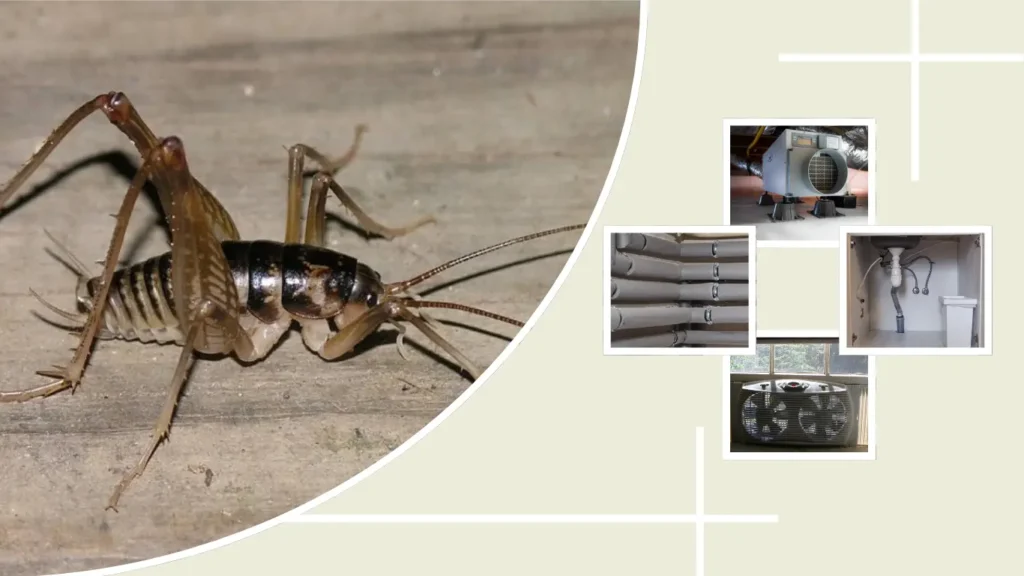
Spider crickets thrive in damp, dark environments like basements, crawl spaces, and laundry rooms. By reducing the moisture levels in these areas, you make your home far less attractive to them. A dry space disrupts their habitat, discourages breeding, and can eventually drive them out completely.
How It Works
Lowering humidity removes the key condition that spider crickets need to survive. These insects are moisture-dependent and tend to cluster in places with consistent dampness. When you use a dehumidifier, fix leaks, or improve airflow, you create a hostile environment for them. Without enough moisture, they’ll either die off or leave in search of a more suitable habitat.
Action Steps
- Use a dehumidifier in basements or crawl spaces
- Fix leaks under sinks, in walls, or from appliances
- Improve ventilation by opening windows or installing exhaust fans
- Insulate pipes to reduce condensation
- Keep bathrooms and laundry areas dry at all times
2. Seal Entry Points Around the House
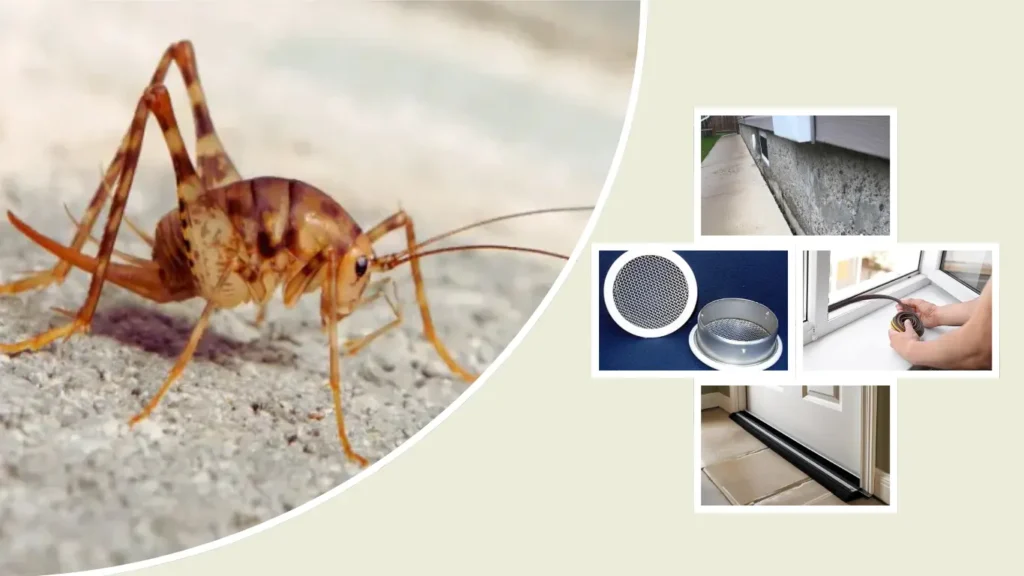
Spider crickets often sneak into homes through tiny cracks and gaps. These entry points are usually found around the foundation, windows, doors, vents, and utility openings. Sealing these access spots can block them from ever getting inside in the first place.
How It Works
By closing off the small cracks and openings, you physically prevent spider crickets from entering your home. These insects don’t need much space to squeeze through, especially during seasonal changes when they seek warmth and moisture indoors. Sealing these gaps acts as a barrier and keeps infestations from developing.
Action Steps
- Inspect foundation walls for cracks and seal with silicone caulk
- Add weather stripping around doors and windows
- Install door sweeps, especially on basement and garage doors
- Cover vents and utility holes with fine mesh screens
- Seal gaps around pipes and cables entering your home
3. Set Sticky Traps in Problem Areas
Sticky traps are one of the easiest and most effective tools to catch spider crickets passively. These glue-based boards trap them upon contact and are especially useful in hard-to-reach places.
How It Works
Spider crickets are curious and tend to explore surfaces, especially at night. When they walk across sticky traps, they get caught and can’t escape. Over time, traps reduce the population and help you monitor activity in specific areas.
Action Steps
- Place traps in dark corners, behind appliances, and along basement walls
- Position them near moisture-prone areas like bathrooms and laundry rooms
- Use multiple traps at once for better coverage
- Check and replace the traps every few days or when full
4. Use Natural Repellents
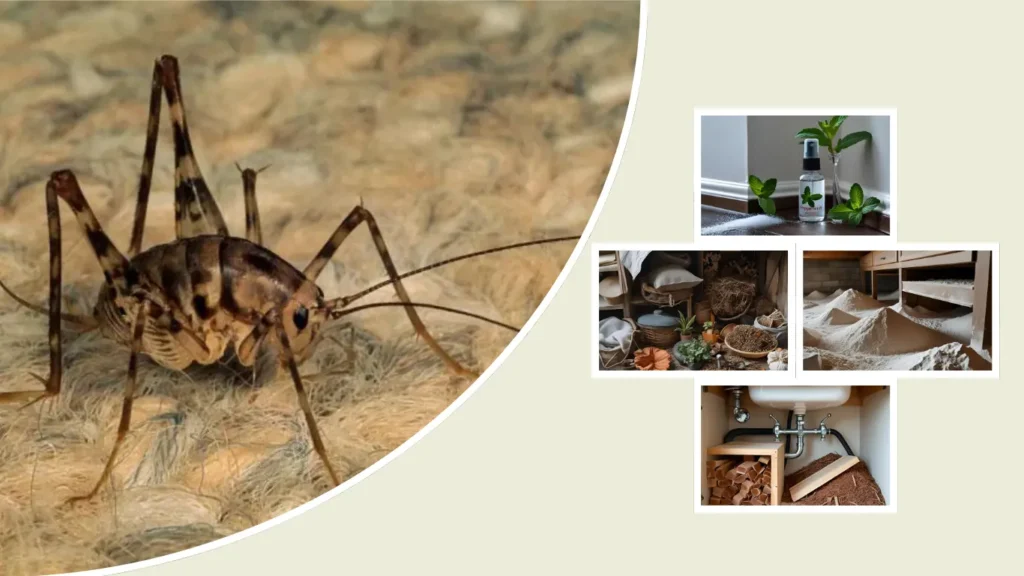
If you’re looking for a non-toxic way to repel spider crickets, natural repellents can be an effective option. These methods are safe for homes with children and pets and can be used in combination with other control techniques.
How It Works
Spider crickets have sensitive receptors that help them navigate dark and damp spaces. Strong scents—like peppermint oil or cedar—can disrupt their comfort and drive them away. Some natural substances like diatomaceous earth even damage their outer shell, causing dehydration and death without using harmful chemicals.
Action Steps
- Spray peppermint oil and water mix around baseboards and dark corners
- Sprinkle diatomaceous earth in crawl spaces, closets, or behind furniture
- Place cedar blocks or chips in storage areas or under sinks
- Avoid clutter that absorbs moisture and creates hiding spots
5. Apply Insecticide for Severe Infestations
When spider crickets become overwhelming, targeted insecticides can offer quick results. This is especially useful when natural and preventive methods haven’t fully resolved the problem.
How It Works
Insecticides with ingredients like bifenthrin or deltamethrin disrupt the nervous system of spider crickets, killing them on contact or upon exposure. Some products offer residual effects, continuing to work for weeks after application. Granular insecticides can also be applied around the home’s foundation to form an invisible barrier.
Action Steps
- Use pyrethroid-based sprays indoors along baseboards and wall edges
- Apply granular insecticide outside near entry points and foundation gaps
- Follow all label instructions carefully and ensure proper ventilation
- Keep children and pets away from treated areas until dry
6. Declutter and Deep Clean Problem Areas

Spider crickets love cluttered spaces—especially areas filled with cardboard, fabric, paper, or wood. These materials not only provide hiding spots but can also serve as food sources. Cleaning and organizing your home can dramatically reduce their shelter and stop the infestation from growing.
How It Works
By removing clutter, you eliminate the dark, moist hiding places spider crickets prefer. It also reduces potential food sources like decaying fabric, cardboard glue, and moldy paper. Regular cleaning makes the environment less habitable and allows you to spot early signs of a new infestation.
Action Steps
- Throw out unused boxes, old newspapers, and worn fabrics
- Store seasonal items in sealed plastic containers instead of cardboard
- Keep basement floors and garage corners clean and dry
- Vacuum regularly in hidden spots like under furniture or behind shelves
- Avoid stacking items directly against walls
FAQs
1. What attracts spider crickets to my home?
Spider crickets are attracted to moisture, darkness, and clutter. They often invade basements, crawl spaces, and garages where these conditions are common. Humid environments and accessible food sources like cardboard, fabric, or fungi also draw them in.
2. Are spider crickets the same as camel crickets?
Yes. Spider crickets and camel crickets refer to the same insect. They’re nicknamed spider crickets because of their long legs and jumping behavior, and camel crickets because of their humpbacked appearance.
3. Do spider crickets bite humans?
No, spider crickets do not bite. They don’t have fangs or venom and pose no direct harm to humans or pets. However, their sudden jumps and spider-like look can be startling.
4. Can spider crickets damage my belongings?
Yes, they can. Spider crickets may chew on fabric, cardboard, wallpaper glue, and paper items, especially in cluttered or damp storage areas. Over time, this can lead to noticeable damage.
5. How long does it take to get rid of spider crickets?
With consistent action—such as using traps, sealing entry points, and lowering humidity—most homeowners see a noticeable reduction within 2 to 4 weeks. Severe infestations may take longer and might require professional help.
