

Earwigs are strange-looking insects known for their pincer-like appendages, and while they appear intimidating, they’re mostly harmless. One of the most common questions about them is: “What do earwigs eat?” Whether they’re in your garden, bathroom, or crawling across your kitchen floor, understanding their feeding habits can help you manage them better.
In this article, we’ll explore everything about the earwig’s diet—what they eat inside homes, in gardens, and whether they pose a threat to plants, clothes, or even other insects.
What Do Earwigs Eat?

Earwigs are omnivores and opportunistic scavengers. This means they’ll eat just about anything they come across—dead insects, soft plant material, mold, and decaying matter. Their diet is diverse and changes based on their environment. Outdoors, they munch on flowers, leaves, and garden pests. Indoors, they’ll settle for crumbs, mildew, and even other dead bugs.
Earwigs are most active at night, which is why they’re rarely seen feeding. They prefer dark, moist environments and seek out easy meals rather than hunting aggressively.
Earwig Food Sources Indoors
- Food crumbs and kitchen scraps
- Mold and mildew (in bathrooms, basements)
- Dead insects (flies, ants, spiders)
- Pet food left out overnight
- Decaying organic matter in trash cans
- Damp paper or cardboard (for shelter, not food)
Plants & Vegetation:
- Leaves (especially young and tender ones)
- Flower petals (e.g., dahlias, marigolds, zinnias)
- Seedlings and sprouts
- Soft fruits (strawberries, tomatoes)
- Vegetables (lettuce, spinach, corn silk)
- Herbs (especially basil)
Insects & Other Organics:
- Aphids
- Insect larvae
- Mites
- Decaying insects
- Rotting plant material
- Fungi and algae on wet surfaces
What Do Earwigs Eat in the House?

Indoors Food Sources
Inside homes, earwigs usually feed on whatever organic matter they can find. This includes crumbs under the stove, food residue in sinks or garbage disposals, and even mildew on bathroom tiles. They’re not picky and will also scavenge dead ants, flies, or spider carcasses in corners or basements.
You’ll most likely find earwigs near drains, under appliances, or inside damp laundry piles—areas that provide both moisture and hidden food particles.
Do Earwigs Eat Clothes or Fabric?
No, earwigs do not eat clothes or any type of fabric. Unlike moths or carpet beetles, earwigs lack the enzymes needed to digest cloth fibers. However, they may hide in laundry baskets, damp towels, or inside clothes left on the floor—especially in humid environments. If you find holes in your clothing, earwigs are not the culprits.
What Do Earwigs Eat in the Garden?

Do Earwigs Eat Plants and Leaves?
Yes, earwigs are known to feed on a wide variety of plant materials, especially soft tissues. They prefer young leaves, petals, and stems that are tender and easy to chew. Their feeding often results in ragged or chewed edges on plant leaves, which can look similar to slug or caterpillar damage.
This behavior becomes particularly noticeable during the warmer months when earwig populations increase and young plants are more vulnerable.
Which Plants Are Most Affected?
Some of the most commonly affected plants include herbs like basil, leafy greens, and ornamental flowers such as dahlias and zinnias. Earwigs may also snack on marigolds, lettuce, strawberries, and corn silk.
If you notice consistent damage on your garden plants overnight, earwigs may be the cause. They feed at night and hide during the day, making it tricky to catch them in the act.
Do Earwigs Eat Flowers?
Yes, especially soft-petaled flowers like dahlias and marigolds. They will chew on petals, buds, and sometimes pollen. If your flowers are missing sections of their petals by morning, it’s likely that earwigs were feeding overnight.
This type of damage doesn’t usually kill the plant but can make it look unattractive and stress younger plants if it continues.
Do Earwigs Eat Other Insects?
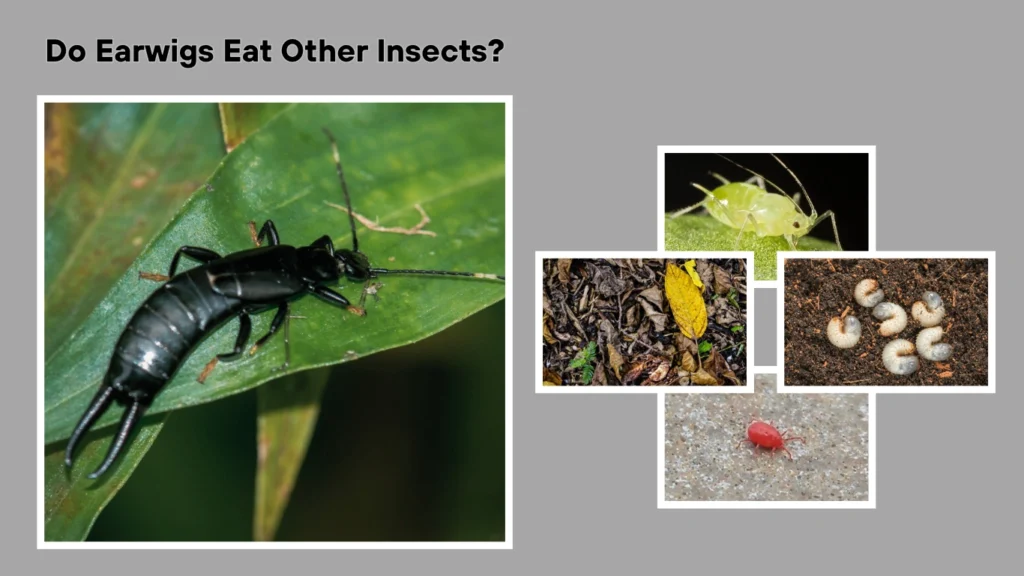
Predatory Behavior
While they’re mainly scavengers, earwigs will eat small insects when the opportunity arises. This includes aphids, insect larvae, mites, and other soft-bodied garden pests. This makes them somewhat beneficial in small numbers, especially in vegetable gardens.
Earwigs won’t actively hunt like spiders or centipedes, but they do help control aphid populations naturally. Their predatory behavior is most useful when balanced and not part of a full-blown infestation.
Do Earwigs Eat Spiders or Roaches?
Earwigs don’t typically hunt spiders or cockroaches, especially the larger, adult ones. However, if they come across a dead spider or a cockroach nymph, they may scavenge the remains. It’s rare for them to go after live, fast-moving insects unless they are severely weakened or already dying.
So while earwigs aren’t reliable pest controllers for spiders or roaches, they will help clean up insect remains.
Do Earwigs Eat Termites or Bed Bugs?
There’s no clear evidence that earwigs eat termites or bed bugs. These pests live in very different environments and have different nesting behaviors. Termites stay hidden inside wood structures, and bed bugs hide in mattresses and cracks—places earwigs rarely visit.
If you’re dealing with bed bugs or termites, don’t count on earwigs for help. Professional pest control is your best option in those cases.
Are Earwigs Good or Bad for Gardens?
Earwigs can be both helpful and harmful depending on their numbers. In small amounts, they contribute to the ecosystem by feeding on aphids, mites, and decaying matter. But in large numbers, their plant-damaging behavior can outweigh their benefits.
For example, they may protect your tomatoes by eating aphids—but then turn around and chew on the tomato blossoms. It’s all about balance. If you’re seeing more plant damage than pest control, it’s time to manage their population.
How to Control Earwig Feeding Damage
Protecting Plants
To protect vulnerable plants, you can try a few simple techniques. Wrap the base of plants with cardboard collars or place shallow traps filled with soy sauce and oil. These attract and drown earwigs overnight. You can also sprinkle diatomaceous earth around the base of plants to create a barrier that cuts their soft bodies on contact.
Another option is removing mulch and organic debris from around garden beds. This eliminates hiding spots and discourages earwig activity near delicate plants.
Indoor Food Source Reduction
Inside the home, focus on sanitation. Wipe up food spills immediately, fix plumbing leaks, and store food in sealed containers. Regular vacuuming, especially under appliances and around baseboards, can remove both food sources and hiding earwigs. The drier and cleaner your home is, the less inviting it becomes to these moisture-loving pests.
FAQs
1. Do earwigs eat vegetables in gardens?
Yes, especially leafy greens, seedlings, and soft fruits. Lettuce, spinach, and strawberries are common targets.
2. Can earwigs survive without food in the house?
Earwigs can survive for a short time without food, but they rely heavily on moisture and decaying material to stay active.
3. Are earwigs considered garden-friendly insects?
They can be—when their numbers are low. They help control aphids but may damage flowers and leaves if left unchecked.
4. Do earwigs pose a threat to houseplants?
If houseplants are in moist soil and have soft foliage, earwigs may chew on them, especially during the night.
5. Can earwigs damage edible herbs like basil or mint?
Yes. Basil is a common target due to its soft leaves. Mint is less likely to be eaten but may still attract hiding earwigs in damp pots.
