
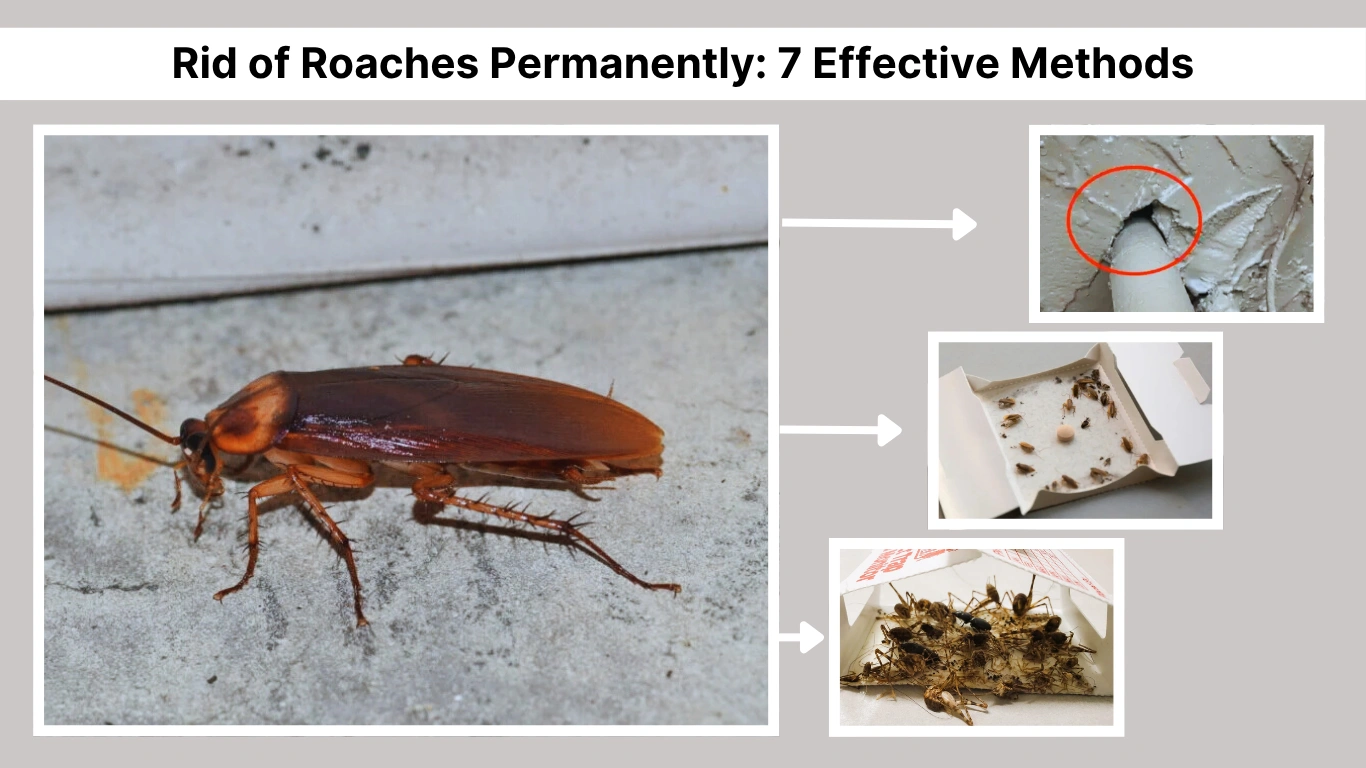
Roaches are one of the most stubborn household pests, capable of surviving in almost any environment. Not only do they contaminate food and surfaces, but they also spread bacteria and can trigger allergies and asthma. Getting rid of them isn’t just about killing the ones you see—it’s about stopping the infestation at its source and preventing them from returning. In this guide, we’ll cover 7 proven methods that will help you eliminate roaches permanently and keep your home pest-free for good.
Signs of a Roach Infestation
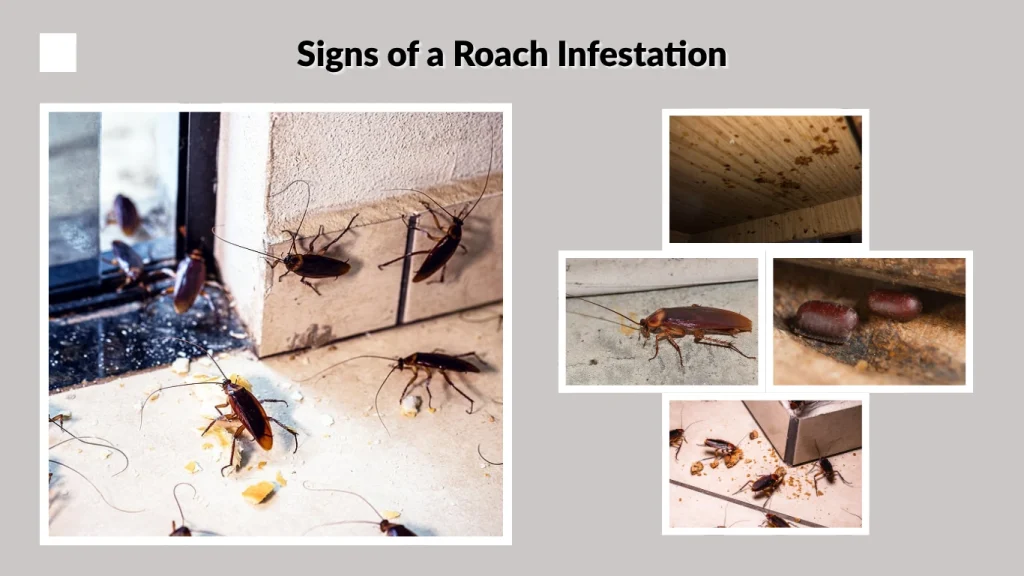
Even a single roach sighting could mean there are many more hiding nearby. Knowing the early warning signs will help you take action before the problem gets worse.
Droppings and Smear Marks
Roach droppings look like small black pepper-like specks or coffee grounds and are often found in kitchen corners, cupboards, and behind appliances. In areas with high moisture, you might also notice dark smear marks along walls or floors where roaches travel.
Egg Casings and Shed Skins
Roaches reproduce quickly, leaving behind egg cases (oothecae) that contain multiple eggs. You may also find light-brown, papery shed skins as they grow. These are clear indicators of an active infestation.
Musty, Unpleasant Odor
A large roach population gives off a strong, oily, musty smell that lingers in the air. This odor becomes more noticeable as the infestation grows.
Live or Dead Roach Sightings
Seeing live roaches during the day usually means the infestation is severe, as they are nocturnal and typically hide in the dark. Dead roaches, especially near water or food sources, are also a sign to investigate further.
Why Roaches Keep Coming Back
Eliminating a few visible roaches isn’t enough to stop an infestation. These pests are experts at surviving, and without addressing the root causes, they’ll quickly return.
Easy Access to Food Sources
Crumbs, grease, pet food, and even garbage provide plenty of food for roaches. They can survive on very little, so even small spills or leftovers attract them.
Hidden Entry Points in Walls and Floors
Roaches can squeeze through cracks as small as 1/16 of an inch. Gaps around plumbing, wall voids, and damaged baseboards become perfect gateways into your home.
Warm and Humid Environments
Roaches thrive in warm, moist areas like kitchens, bathrooms, and basements. Leaky pipes, standing water, or high humidity levels create ideal living conditions for them.
7 Effective Methods to Get Rid of Roaches Permanently
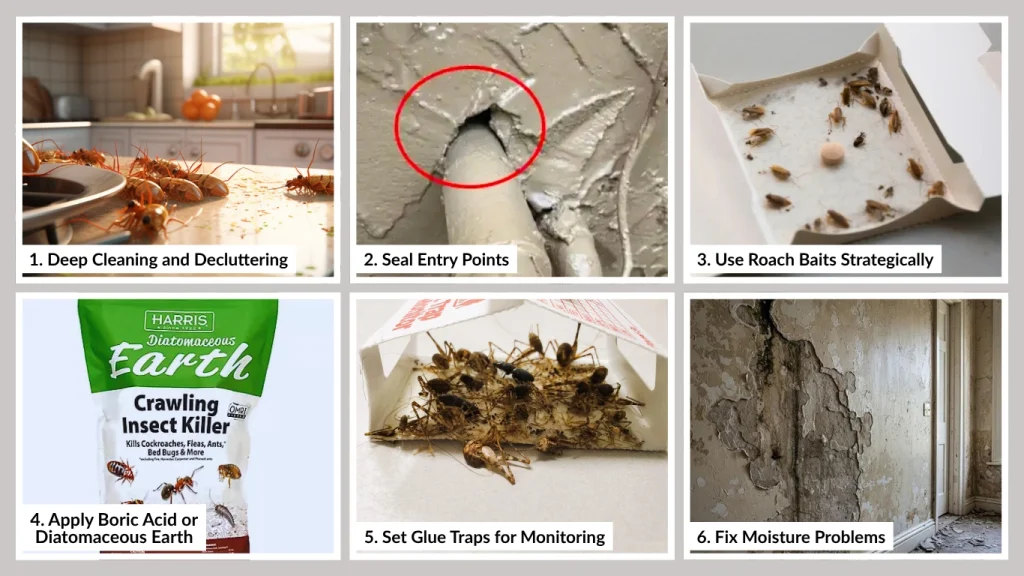
Getting rid of roaches for good requires a multi-step approach. These seven methods work best when used together to target both visible pests and hidden infestations.
1. Deep Cleaning and Decluttering
Roaches are attracted to food residue, grease, and cluttered hiding spots, so a thorough cleaning is the first step in any permanent removal plan.
Start by scrubbing kitchen surfaces, sweeping floors, and vacuuming behind appliances where crumbs and grease tend to build up. Clean under sinks, inside cupboards, and behind the refrigerator—areas that are often overlooked but ideal for roaches to hide. Removing piles of papers, cardboard boxes, and unused items also eliminates hiding places. The cleaner and more organized your home is, the harder it will be for roaches to survive and multiply.
2. Seal Entry Points
Blocking roach entryways is crucial to preventing new infestations. Inspect your home for cracks, gaps, and holes in walls, baseboards, and around plumbing. Use caulk or expanding foam to seal these openings. Install door sweeps on exterior doors and repair any torn window screens. Even small gaps can serve as entry points, so be thorough in your inspection.
3. Use Roach Baits Strategically
Roach baits are one of the most effective tools for killing hidden populations. They contain slow-acting poison that roaches carry back to their nests, spreading it to others. Place bait stations in high-activity areas like behind appliances, under sinks, inside cabinets, and along wall edges. Avoid cleaning the baited areas too soon, as disturbing them can reduce effectiveness.
4. Apply Boric Acid or Diatomaceous Earth
Both boric acid and diatomaceous earth are proven roach killers when applied correctly. Lightly dust them in areas where roaches travel, such as under appliances, inside wall voids, and behind cabinets. Boric acid poisons roaches when they groom themselves, while diatomaceous earth works by damaging their exoskeleton, causing dehydration. Use these powders sparingly, as too much can make them ineffective or cause roaches to avoid treated spots.
5. Set Glue Traps for Monitoring
Glue traps help you track the severity of an infestation and pinpoint roach hot spots. Place them along walls, under sinks, behind the refrigerator, and near garbage bins. While they won’t eliminate an infestation on their own, they’re useful for monitoring progress and detecting new activity after treatment. Replace traps regularly for accurate results.
6. Fix Moisture Problems
Roaches need water to survive, so eliminating moisture sources can greatly reduce their numbers. Repair leaky pipes and faucets, dry out sinks before bed, and ensure proper ventilation in bathrooms and kitchens. In damp areas like basements, consider using a dehumidifier to make the environment less appealing to roaches.
7. Call Professional Pest Control if Needed
If the infestation is severe or persistent, it’s best to contact a licensed pest control expert. Professionals have access to stronger treatments and specialized equipment to reach hidden nests. They can also provide long-term prevention plans to ensure roaches don’t return. Sometimes, professional intervention is the fastest and most reliable way to achieve complete eradication.
Preventing Roaches from Returning
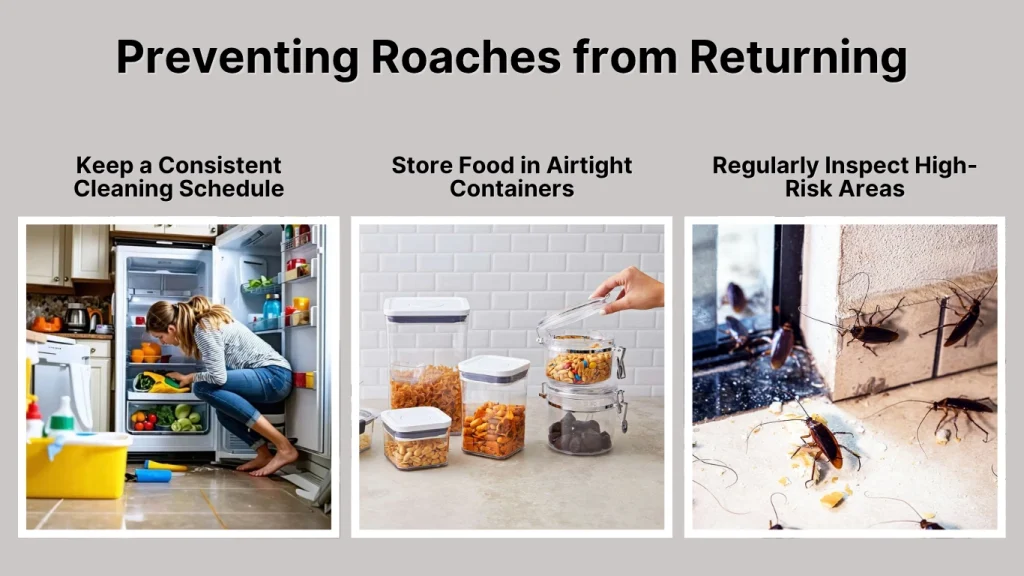
Eliminating roaches is only half the battle—keeping them away requires consistent preventive measures. By maintaining a clean and secure home, you can greatly reduce the chances of another infestation.
Keep a Consistent Cleaning Schedule
Regularly wipe down kitchen counters, sweep floors, and clean up spills immediately. Pay special attention to hidden areas like behind appliances and under the sink, where crumbs and grease tend to build up unnoticed.
Store Food in Airtight Containers
Place pantry items, pet food, and snacks in sealed containers to block access. Avoid leaving food out overnight, including dirty dishes in the sink.
Regularly Inspect High-Risk Areas
Check kitchens, bathrooms, and basements every few weeks for signs of roaches. Early detection allows you to take action before a full-blown infestation develops again.
Health Risks of Roach Infestations
Roaches aren’t just unpleasant—they can seriously impact your health. Their droppings, shed skins, and saliva contain allergens that can trigger reactions in sensitive individuals.
Triggering Asthma and Allergies
People with asthma, especially children, are particularly vulnerable to roach allergens. Exposure can cause coughing, wheezing, and other respiratory problems.
Spreading Harmful Bacteria
Roaches can carry bacteria like Salmonella and E. coli on their bodies, contaminating food and surfaces. This increases the risk of food poisoning, stomach infections, and other illnesses.
FAQs
How long does it take to get rid of roaches completely?
The timeline depends on the severity of the infestation and the methods used. Light infestations can be resolved within a few weeks, while severe ones may take months with consistent treatment.
Do roaches go away on their own?
No. Roaches breed quickly and thrive in hidden spaces, so ignoring them will only allow the problem to grow worse over time.
What is the fastest way to kill roaches?
Using bait gels or professional-grade insecticides is the quickest approach, as they target both visible roaches and hidden colonies.
Are natural remedies effective for roach control?
Some natural methods, like diatomaceous earth or essential oils, can help repel or kill roaches, but they’re often less effective for large infestations.
Can roaches survive without food?
Yes, roaches can survive for up to a month without food, but only about a week without water. This is why controlling moisture is essential for long-term prevention.
