

Japanese beetles can quickly destroy flowers, fruits, and gardens if left unchecked. Whether they’re swarming your roses, damaging your lawn, or sneaking indoors, this guide covers the most effective ways to get rid of them.
From fast-action sprays to natural remedies and homemade fixes, you’ll find solutions for every area—plus tips to prevent their return next season.
Understanding the Problem
Japanese beetles may be small, but their impact on gardens and landscapes is huge. These metallic green insects feed in groups and can strip plants of their leaves, flowers, and fruits in just a few days.
Why You Need to Get Rid of Japanese Beetles
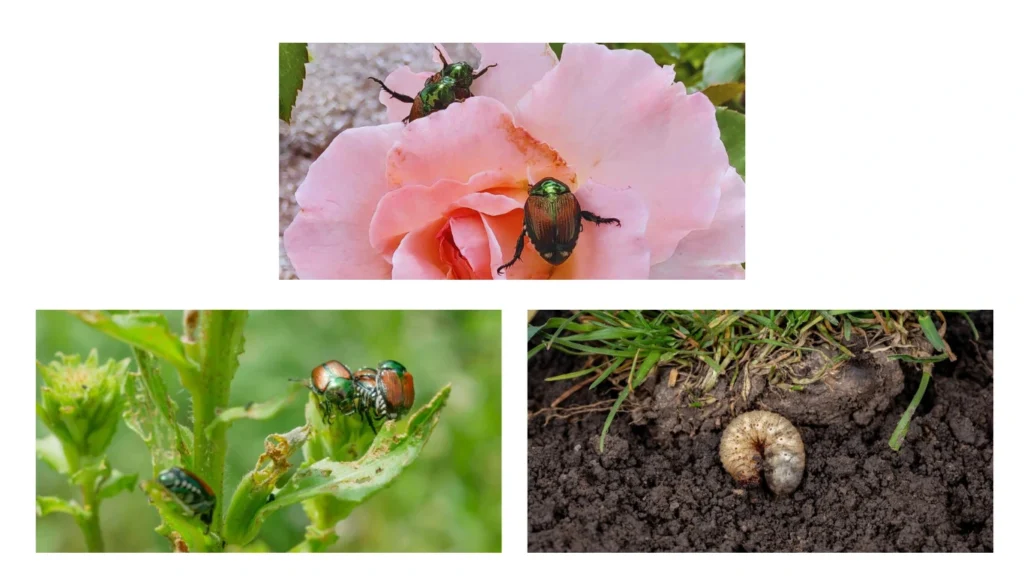
If left untreated, Japanese beetles can cause widespread damage across your garden. They’re especially dangerous because:
- They feed on over 300 types of plants, including roses, fruit trees, vegetables, and shrubs.
- They release pheromones that attract even more beetles once they find a food source.
- Their larvae (grubs) live underground and feed on grass roots, damaging your lawn from below.
Getting rid of Japanese beetles early can prevent long-term damage and save your plants from a feeding frenzy.
Best Way to Get Started
The best way to get rid of Japanese beetles is by taking a multi-step approach. This involves identifying the infestation early, choosing the right treatment method, and applying it consistently. You’ll also want to target both adult beetles and their larvae to stop the life cycle.
What to Use to Get Rid of Japanese Beetles
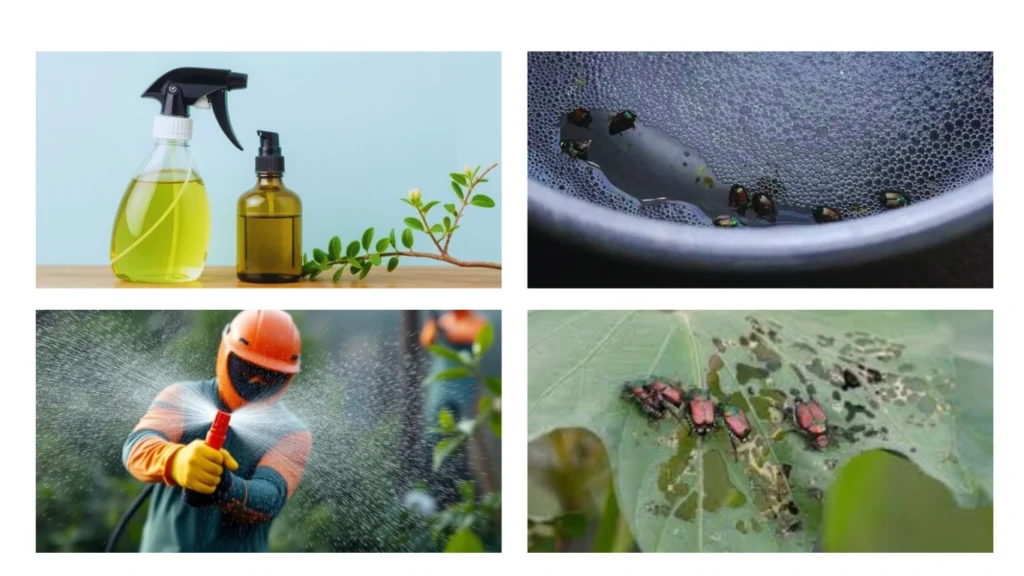
Depending on your preference and the severity of the infestation, you can choose from:
- Natural solutions (like neem oil or soapy water)
- Chemical sprays for fast action
- Grub treatments to control beetles at the root stage
- Traps to reduce adult populations
In the following sections, you’ll discover fast-acting methods, natural remedies, DIY options, and location-based tips to handle Japanese beetles effectively—whether they’re in your garden, on your roses, or even inside your house.
Quick & Effective Removal Methods
When Japanese beetles start swarming your garden, fast action is key. These beetles can cause serious damage in just a few days, so it’s important to act quickly using methods that offer instant or high-impact results.
Get Rid of Japanese Beetles Quickly
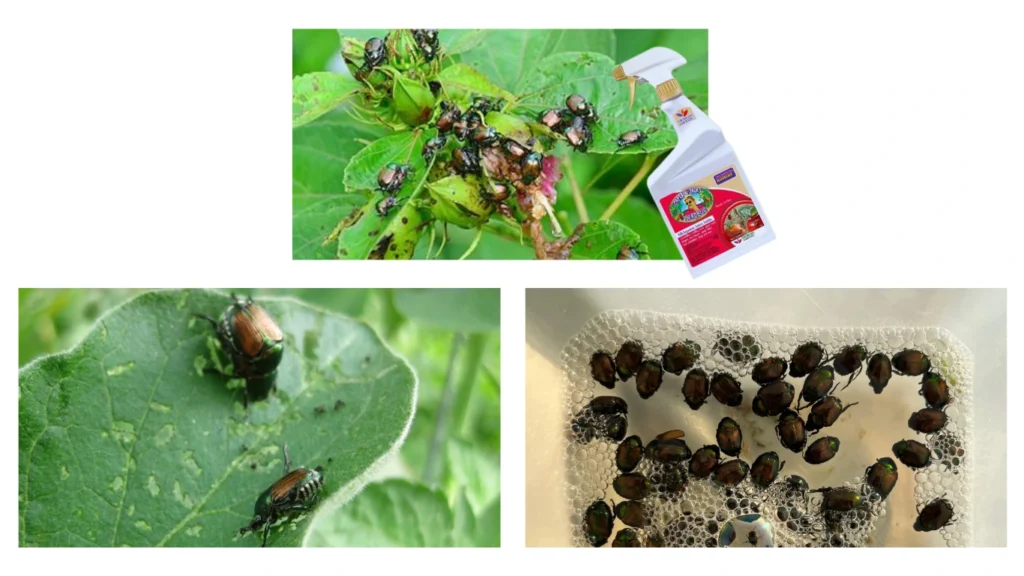
If you’re dealing with an active infestation, the fastest way to get rid of Japanese beetles is to physically remove them and treat affected plants immediately. Here’s what you can do:
- Morning hand-picking: Beetles are sluggish in the early hours. Drop them into a container of soapy water to kill them instantly.
- Knock them off plants using a soft brush or a shake-and-drop method.
- Use a strong spray, either chemical or organic, to hit active beetles where they’re feeding.
Best Spray to Get Rid of Japanese Beetles

For instant results, choose insecticides labeled specifically for Japanese beetles. The best sprays include ingredients like:
- Carbaryl (Sevin)
- Bifenthrin
- Pyrethrin
- Neem oil (for natural use)
Always follow label instructions and apply in the early morning or evening to avoid harming pollinators like bees.
Ways to Get Rid of Japanese Beetles Fast
- Use Japanese beetle traps placed at a distance from your garden to lure beetles away.
- Spray vulnerable plants regularly during peak season (June to August).
- Water your lawn less frequently in mid-summer to discourage egg-laying in the soil.
How to Get Rid of Japanese Beetles for Good
Fast removal is important, but to eliminate Japanese beetles permanently, you’ll need to combine these quick methods with grub control and long-term prevention (covered in later sections). Killing adult beetles now means fewer eggs—and fewer beetles next year.
Natural and Organic Solutions
If you prefer a safer, eco-conscious approach to pest control, there are several effective natural ways to get rid of Japanese beetles. These methods are gentle on your plants, pollinators, and the environment—yet still powerful when used correctly.
How to Get Rid of Japanese Beetles Naturally

Natural control starts with observation and quick action. Here’s what works:
- Hand-picking: The simplest method—drop beetles into a bucket of soapy water.
- Soapy water spray: Mix water with a few drops of dish soap in a spray bottle. Spray directly on beetles to suffocate them.
- Garlic or peppermint spray: Natural scents that repel beetles when sprayed on leaves.
These organic approaches can be repeated regularly during beetle season for the best results.
Organic Way to Get Rid of Japanese Beetles
For a more targeted solution, try biological and plant-based options:
- Neem oil: A natural insecticide that disrupts the beetle’s life cycle and feeding behavior.
- Milky spore (covered in Section 5): Targets the grub stage naturally in the soil.
- Beneficial nematodes: Microscopic worms that attack beetle larvae underground.
Does Neem Oil Get Rid of Japanese Beetles?
Yes, neem oil is one of the best natural remedies. It not only repels adult beetles but also affects their reproduction. Spray it on affected plants early in the morning or evening to avoid harming beneficial insects.
- Mix neem oil with water and a bit of soap
- Spray on leaves and flowers
- Repeat every 3–5 days during peak beetle season
Natural Remedy to Get Rid of Japanese Beetles at Home
For an easy DIY fix, try this home remedy spray:
Recipe:
- 2 cups water
- 1 tablespoon dish soap
- 1 tablespoon neem oil or peppermint oil
- Optional: 1 crushed garlic clove
Shake well and spray directly on beetles or infested leaves.
DIY and Home Remedies
If you’re looking for a budget-friendly, chemical-free way to tackle Japanese beetles, you’ll be glad to know that many DIY methods can help. With a few items from your kitchen or garden shed, you can create effective treatments to control these pests at home.
How to Get Rid of Japanese Beetles DIY
Creating your own beetle spray or trap is easier than you might think. Here are some popular DIY solutions:
1. Homemade Soapy Water Spray
A simple mix of water and dish soap can suffocate beetles on contact.
Recipe:
- 1 quart of water
- 2–3 drops of mild dish soap
- Optional: a splash of vegetable oil for extra sticking power
Spray directly on beetles or the leaves they gather on. Reapply after rain.
2. Garlic & Peppermint Oil Spray
These strong scents naturally repel Japanese beetles.
Recipe:
- 2 cups of water
- 10 drops of peppermint essential oil
- 1 clove of garlic (crushed)
- A few drops of dish soap
Let it sit for a few hours, strain, and spray on plants. Use it in the early morning or evening.
What Can I Use to Get Rid of Japanese Beetles?

Other easy home remedies include:
- Banana peel trap: Place banana peels in a jar with a bit of water and dish soap to attract and trap beetles.
- Manual removal: Go out in the morning and drop beetles into a bowl of soapy water—they’re sluggish and easier to collect at this time.
While these DIY methods may not eliminate a severe infestation alone, they’re a great part of a layered pest control strategy—especially for gardeners avoiding harsh chemicals.
Location-Specific Control Tips

Japanese beetles can show up just about anywhere—on your roses, in your vegetable garden, even inside your house. Each location requires a slightly different approach. Let’s explore the best ways to get rid of Japanese beetles based on where they appear.
In the Garden
How to get rid of Japanese beetles in the garden:
- Use neem oil or soapy water sprays to treat flowering plants and vegetables.
- Shake beetles off plants early in the morning and drop them into soapy water.
- Install beetle traps far from the garden to lure them away.
- Apply row covers to protect delicate plants during peak beetle season.
On Roses and Flowers
How to get rid of Japanese beetles on roses and flowers:
- Inspect your roses daily during midsummer.
- Use insecticidal soap or neem oil every 3–5 days.
- Surround rose bushes with plants that repel beetles, like garlic or chives.
- Prune spent flowers to reduce attraction.
If you’re asking, how do I get rid of Japanese beetles on roses, the key is consistency—especially during early July when activity peaks.
On Fruit Trees and Plants
How to get rid of Japanese beetles on fruit trees:
- Spray trees with pyrethrin-based insecticides or neem oil.
- Install traps or pheromone lures at a distance.
- Keep the base of trees clean and free of fallen fruit.
- Treat the surrounding lawn for grubs in late summer to prevent next year’s adults.
In the Lawn
How to get rid of Japanese beetles in your lawn:
- Treat grubs with milky spore or beneficial nematodes in late summer or early fall.
- Avoid heavy watering in mid-summer—it softens soil and encourages egg-laying.
- Mow high to encourage deeper root systems and make grass more resilient.
Indoors / In the House
How to get rid of Japanese beetles inside your home:
- Seal entry points around windows, vents, and doors.
- Use a vacuum to remove any beetles you find indoors (don’t squash—they stink!).
- Reduce outdoor lighting at night, which attracts them toward the house.
- If infestation is persistent, set up indoor-safe traps near entry points.
Japanese Lady Beetles (Bonus)
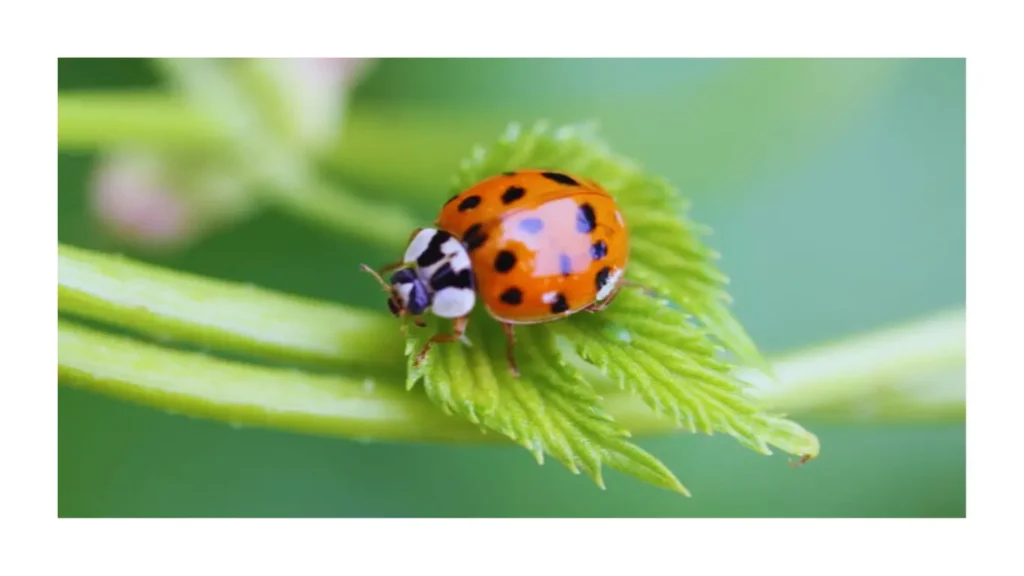
While they sound similar, Japanese lady beetles are a different species from Japanese beetles—and they come with their own set of problems.
What Are Japanese Lady Beetles?
Japanese lady beetles, also known as Asian lady beetles, are small, orange or red beetles with black spots. Unlike native ladybugs, they often gather in large numbers and enter homes during fall, looking for warmth and shelter.
They don’t harm plants like Japanese beetles do, but they can become a major indoor nuisance.
How to Get Rid of Japanese Lady Beetles

If you’re dealing with a Japanese lady beetle invasion, here’s how to manage them:
- Seal cracks and openings around windows, doors, and siding
- Use a vacuum to remove lady beetles indoors (avoid crushing—they leave a strong odor)
- Hang light traps in attics or near windows
- Spray soapy water or diluted vinegar near entry points
In severe cases, professional pest control may be needed to treat attics or wall voids.
