

Black carpenter ants (Camponotus pennsylvanicus) are one of the most common and well-known species of carpenter ants. Unlike termites, they do not consume wood but excavate it to build their nests. Understanding their behavior and habitat is crucial for homeowners, pest control professionals, and nature enthusiasts alike.
Identification and Physical Characteristics
Black Carpenter Ant Size
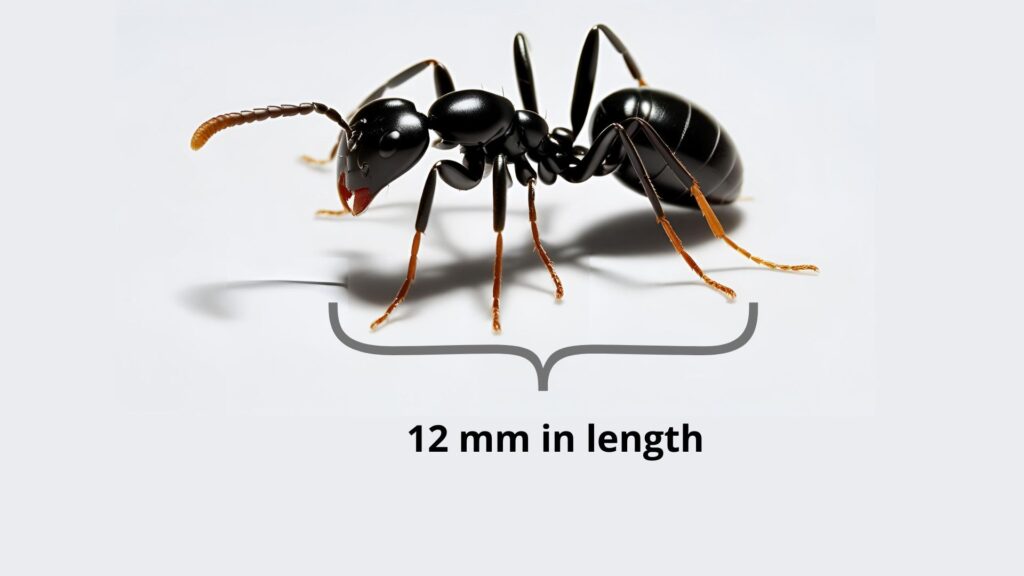
Black carpenter ants are among the largest ant species, with workers ranging from 6 to 12 mm in length, while queens can grow up to 20 mm. They are significantly larger than common black ants.
Black Carpenter Ant with Wings
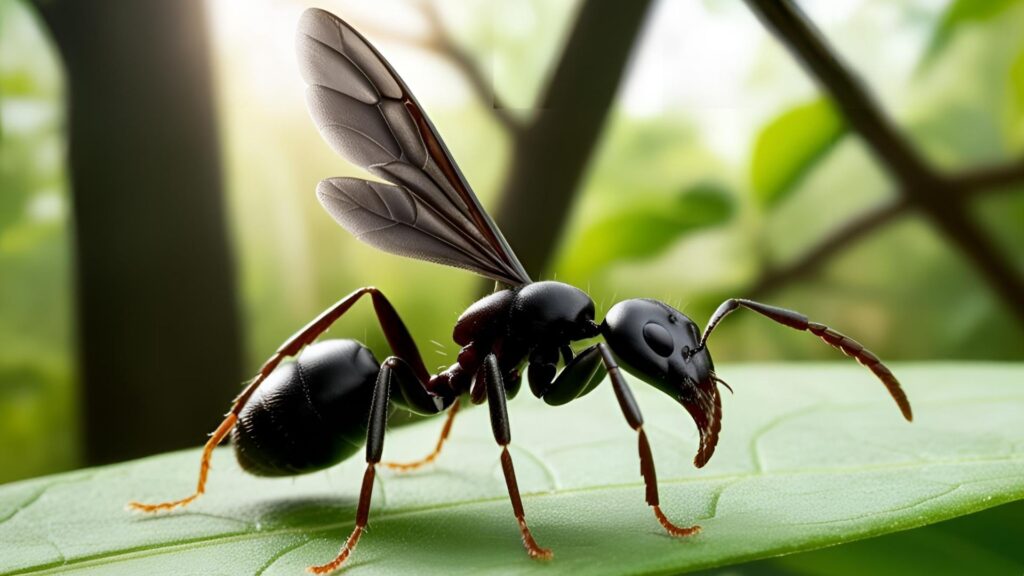
Winged black carpenter ants, known as swarmers or alates, are reproductive individuals that emerge during the mating season. These winged ants often indicate the presence of a mature colony nearby.
Black Carpenter Ant Queen
The queen is the largest member of the colony, responsible for laying eggs and establishing new colonies. She can live for several years and plays a vital role in colony survival.
Black and Red Carpenter Ants
Some carpenter ants have red and black coloration. While black carpenter ants are entirely dark, some species exhibit reddish thoraxes with black abdomens, making them easily distinguishable from their all-black counterparts.
Black Carpenter Ants vs. Other Ants
| Feature | Black Carpenter Ants | Common Black Ants |
| Size | Large (6-12 mm) | Small (2-5 mm) |
| Color | Black (sometimes reddish thorax) | Solid black |
| Nesting | Burrows into wood | Builds nests in soil or walls |
| Diet | Sugars, proteins, insects | Sugars, crumbs, plant matter |
| Damage Potential | Can damage wood structures | No significant damage |
| Bite or Sting | Bites with strong mandibles, mild irritation | May bite but is harmless |
| Presence of Wings | Winged swarmers during mating season | Winged swarmers during mating season |
Habitat and Nesting
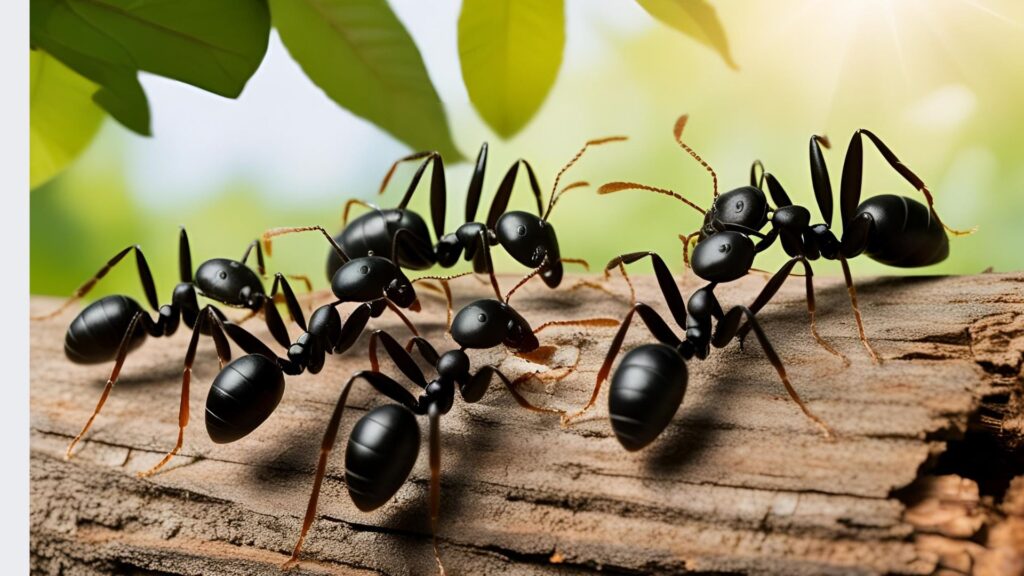
Black Carpenter Ant Habitat
These ants prefer moist, decaying wood, often found in forests, dead trees, logs, and even inside homes. They establish satellite colonies that can extend throughout a structure.
Western Black Carpenter Ant
A subspecies of black carpenter ants, the Western black carpenter ant (Camponotus modoc) is commonly found in the Pacific Northwest and is known for nesting in both living and dead wood.
Behavior and Diet
What Do Black Carpenter Ants Eat?
Carpenter ants do not eat wood; instead, they consume proteins and sugars, including insects, honeydew from aphids, fruits, and human food scraps.
Foraging and Communication
Carpenter ants communicate through pheromones, leading other workers to food sources. They forage primarily at night and can travel long distances in search of sustenance.
Infestations and Prevention

Black Carpenter Ants in House
Signs of infestation include:
- Sawdust-like frass near wooden structures
- Rustling sounds inside walls
- Presence of large worker ants or winged swarmers indoors
How to Prevent Carpenter Ants
- Eliminate moisture sources
- Store firewood away from buildings
- Seal cracks and crevices
- Remove decaying wood and tree stumps from around the home
Risks and Bites
Black Carpenter Ant Bite
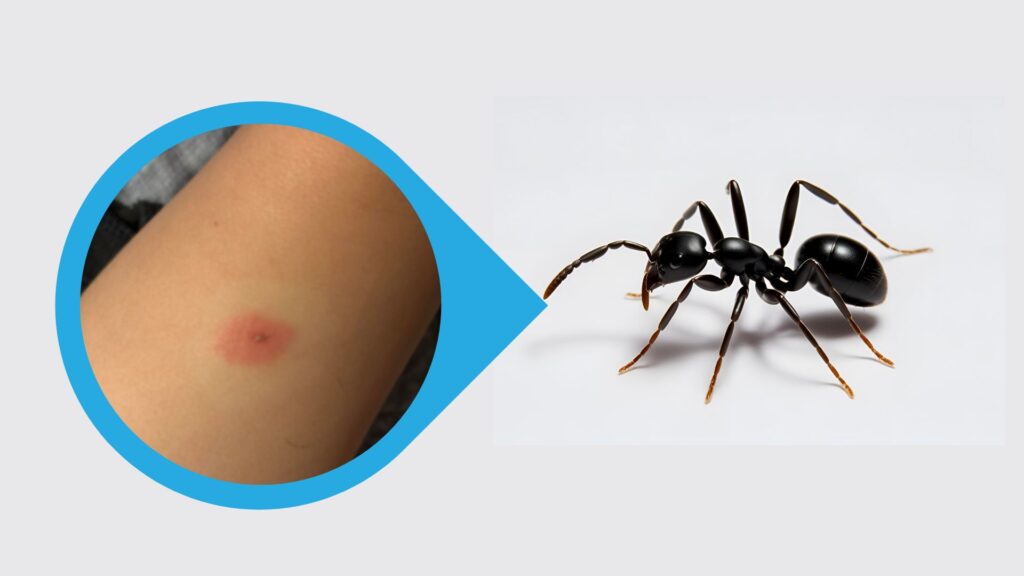
Though they rarely bite, carpenter ants can deliver painful bites when threatened. Their bites may inject formic acid, causing mild irritation but are not medically significant.
How to Treat Bites
- Wash the area with soap and water
- Apply ice to reduce swelling
- Use antihistamines or pain relievers if necessary
Interesting Facts About Black Carpenter Ants
Black Carpenter Ant Facts
- They can lift objects 50 times their body weight.
- Unlike termites, they do not eat wood but excavate it.
- Some colonies can contain over 50,000 workers.
- Queens can live for over 10 years.
Conclusion
Black carpenter ants are fascinating insects that play an essential role in ecosystems by breaking down decaying wood. However, they can become pests when they invade homes. Proper identification and preventive measures can help manage and mitigate potential damage caused by these ants. Regular inspections and prompt action can prevent costly repairs and maintain a pest-free home.
