

When it comes to insects, wasps don’t always get the appreciation they deserve. Commonly seen buzzing around food and sometimes aggressively defending their nests, common wasps often have a negative reputation. But with increasing concern over pollinator decline and insect biodiversity loss, some people are now wondering: Are common wasps endangered?
Let’s explore the facts, clarify misconceptions, and take a closer look at the current status of common wasps in nature.
What Are Common Wasps?

“Common wasps” typically refer to two closely related species in the genus Vespula:
- Vespula vulgaris (common wasp)
- Vespula germanica (German wasp)
These wasps are social insects that live in colonies of hundreds to thousands. Native to Europe, they have spread to other parts of the world, including North America, New Zealand, and Australia—where they are sometimes considered invasive.
Common wasps are recognizable by their yellow and black striped bodies, narrow waists, and smooth, hairless exteriors. They are known for building papery nests in protected areas, often underground or inside human structures like attics, sheds, and wall cavities.
Are Common Wasps Endangered?

No—common wasps are not endangered.
In fact, their populations are generally considered stable or even thriving in many regions. According to the International Union for Conservation of Nature (IUCN), Vespula vulgaris and Vespula germanica are not listed as threatened or near-threatened species.
These wasps are highly adaptable. They can live in a variety of environments, from woodlands and meadows to urban neighborhoods. Their ability to exploit both natural and human-made food sources helps them maintain strong populations, even in changing conditions.
Threats That Do Affect Wasp Populations
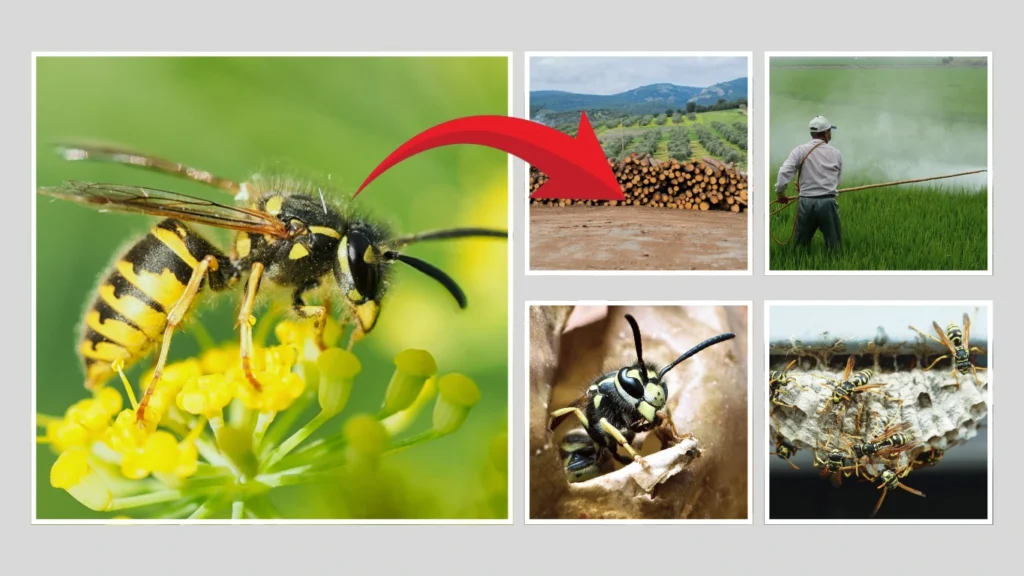
While common wasps are doing relatively well, several environmental pressures could affect wasp species overall, including:
1. Habitat Loss
Urban development, agriculture, and deforestation reduce the availability of nesting sites and natural food sources. However, common wasps often compensate by nesting in buildings or urban parks.
2. Pesticide Use
The widespread use of chemical pesticides and insecticides can reduce insect populations, including wasps. These substances can poison adult wasps or contaminate the food they feed to larvae.
3. Climate Change
Shifting temperatures, changing weather patterns, and habitat disruptions can influence wasp life cycles and migration patterns. Some areas may see shorter seasons or fewer emerging queens due to extreme heat or cold.
4. Negative Human Perception
Many people view wasps as pests and may destroy nests aggressively. This can lead to localized population declines, especially in urban areas where nests are often destroyed before they mature.
While these threats exist, common wasps have shown a high level of resilience, unlike many solitary or specialist wasp species.
Are All Wasps Facing the Same Risks?
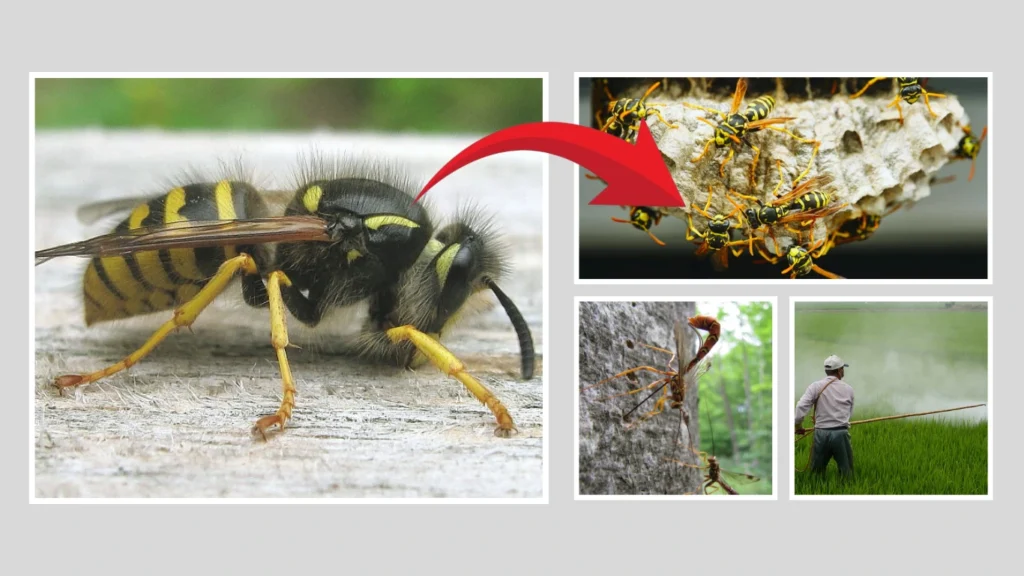
No, and this is an important distinction. While common social wasps are thriving in many areas, other types of wasps—especially solitary species and parasitoid wasps—may be facing population declines due to:
- Habitat specialization (they only nest in specific areas)
- Loss of host insects (for parasitic wasps)
- Sensitivity to pesticides and environmental changes
Some of these lesser-known wasps play vital roles in agriculture and pest control, yet they receive far less attention or protection than honeybees or butterflies.
Why Common Wasps Are Not Considered Endangered
Common wasps continue to thrive for several reasons:
1. High Reproductive Rate
A single colony can produce hundreds to thousands of wasps during a summer season. New queens emerge at the end of the season, mate, and hibernate—ensuring the species’ survival year after year.
2. Adaptability
These wasps can nest underground, in trees, in attics, or in walls. They forage for food in gardens, forests, landfills, and picnic tables alike. Their ability to exploit human environments gives them a major survival advantage.
3. Global Spread
In many places (like New Zealand and parts of Australia), Vespula germanica is considered invasive, meaning its population is growing too fast and disrupting native ecosystems.
Their resilience and adaptability ensure that these species are far from endangered.
Why Their Conservation Still Matters
Just because common wasps aren’t endangered doesn’t mean they don’t deserve respect and ecological recognition.
Ecological Roles:
- Pest control: Wasps feed on flies, caterpillars, aphids, and other insects, keeping garden pests in check.
- Pollination: While not as efficient as bees, wasps do pollinate flowers when searching for nectar.
- Scavengers: They help break down and clean up dead animals and rotting fruit.
Their presence supports biodiversity and helps maintain ecological balance.
Conclusion
So, are common wasps endangered?
No—they are not. Common wasps are resourceful, adaptable, and widespread. In fact, in many regions, their populations are stable or even overabundant, particularly where they’ve been introduced outside their native range.
FAQs
1. Are wasps protected by law?
In most regions, common wasps are not protected. In fact, in places where they’re invasive, they may be legally controlled. However, some rare or specialist wasps are protected under biodiversity laws.
2. Are wasp numbers declining like bees?
While some solitary and specialist wasps are declining, common wasps are not. They remain abundant in many parts of the world.
3. Why are common wasps thriving while others decline?
Because they are generalists—they can eat many types of food, nest in various places, and adapt to urban settings—while specialist species cannot.
4. Can common wasps become endangered in the future?
Unlikely in the near term, but extreme pesticide use, climate shifts, or disease outbreaks could potentially affect populations over time.
5. How can we support beneficial wasp species?
Avoid unnecessary pesticide use, protect natural habitats, plant native flowers, and leave undisturbed areas for nesting in gardens or wild zones.
