

Earwigs often spark fear because of their sharp pincers and long-standing myths, but their actual danger level is far lower than most people believe. While they occasionally enter homes or gardens, earwigs rarely harm humans, pets, or property. Understanding their behavior and the facts behind common misconceptions helps you recognize when earwigs pose a true risk — and when they are simply harmless pests. This guide explains everything you need to know about earwig safety.
Understanding Earwigs and Their Reputation
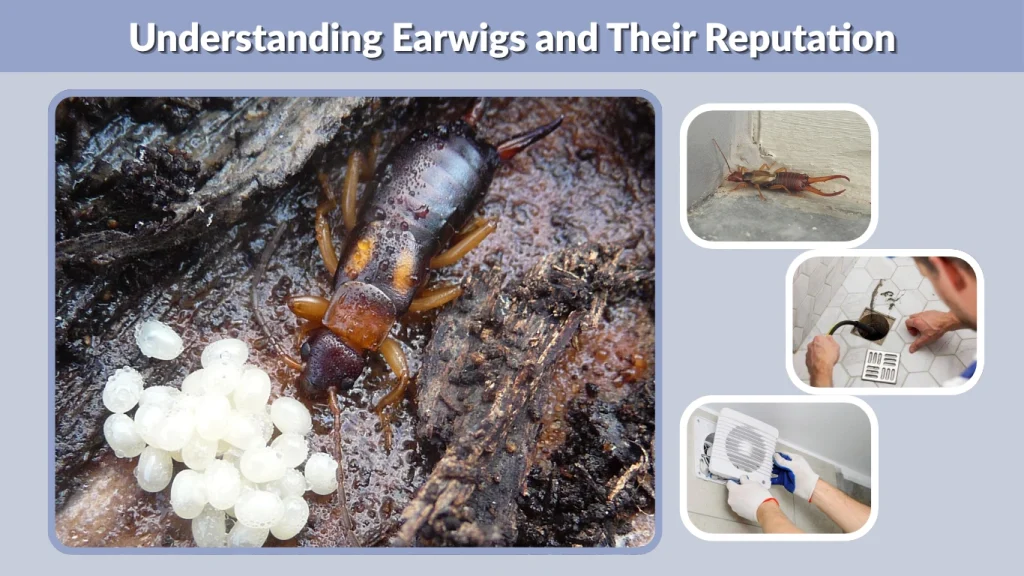
What Earwigs Are and How They Behave
Earwigs are nocturnal insects that prefer cool, damp environments. Outdoors, they hide under mulch, stones, leaf piles, and garden debris during the day before roaming around at night to feed. Indoors, earwigs often appear in bathrooms, basements, kitchens, or laundry rooms because they’re drawn to moisture. Despite their intimidating pincers, earwigs are generally shy and avoid confrontations with people. Their behavior is guided by environmental conditions rather than aggression or territorial instincts.
Why Earwigs Seem Scary
Earwigs have long, curved pincers on the end of their abdomen, which understandably alarms many people. Folklore once claimed that earwigs crawled into human ears to burrow into the brain — a myth that still persists today. Their quick movements, preference for hiding in dark spaces, and sudden appearance in sinks or tubs can heighten fear. However, the fear is usually based on imagination rather than genuine threat.
Are Earwigs Dangerous to Humans?
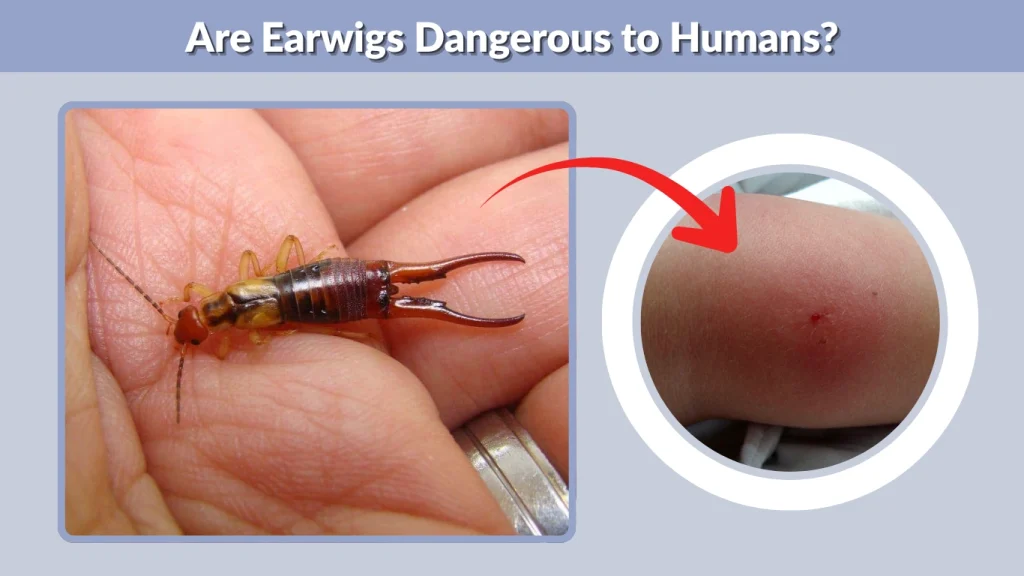
Can Earwigs Bite or Pinch?
Earwigs do not bite humans. Their mouthparts are too small and weak to break skin. However, they can pinch using their forceps, usually when threatened or handled. These pinches are typically mild and more surprising than painful. In most cases, pinching does not cause bleeding or injury, and the skin recovers quickly without treatment. Earwigs are not aggressive and almost always pinch only in self-defense.
Are Earwig Bites Dangerous?
Because earwigs cannot bite, they cannot inject venom or toxins through their bite. When a pinch does occur, it may leave a small red mark or slight swelling similar to a minor scratch or insect irritation. The area may feel tender for a few minutes, but reactions rarely last long. Earwig-related injuries become concerning only if the skin is already sensitive or if bacteria enter a broken area — which is uncommon.
Do Earwigs Have Poison or Venom?
Earwigs are not venomous and not poisonous. They have no venom glands and cannot produce toxins that harm humans. They also cannot transmit diseases. Many people confuse their dramatic appearance with that of dangerous insects, but earwigs lack the biological traits that make other pests harmful. Pest experts consistently classify earwigs as nuisance insects, not medically significant ones.
Earwig Myths vs Reality
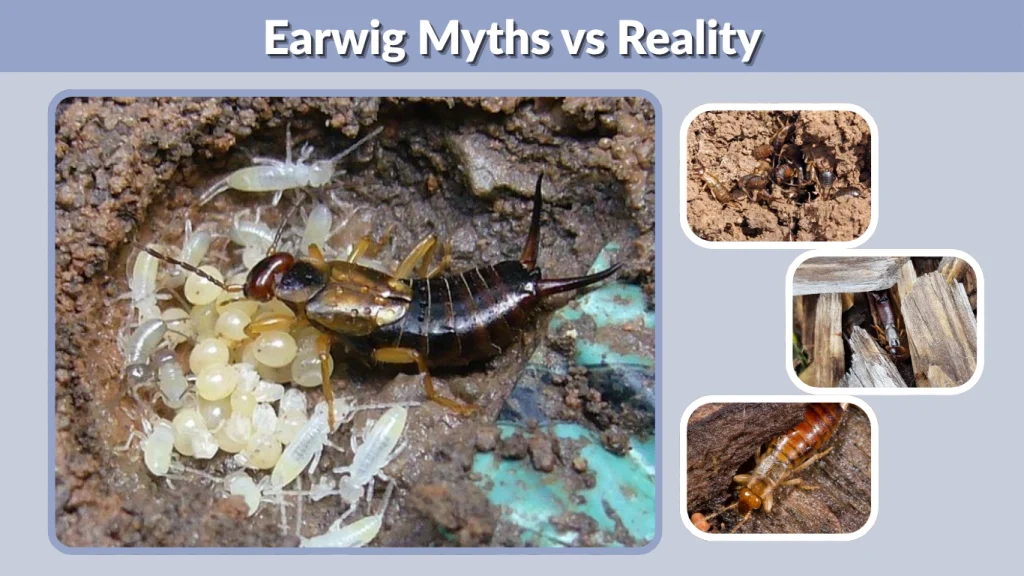
Myth: Earwigs Crawl Into Ears
The most famous earwig myth suggests they crawl into the ears of sleeping people. In reality, earwigs prefer dark, moist places like soil, mulch, and decaying vegetation. Entering a human ear is extremely rare and not a natural behavior. While any small insect could occasionally crawl into an ear by accident, earwigs are not more likely to do so than any other bug.
Myth: Earwigs Are Highly Dangerous
Because of their pincers, people often assume earwigs can cause serious harm. In truth, earwigs are far less dangerous than mosquitoes, ticks, or spiders. They do not bite, sting, or transmit diseases. Their pincers look threatening but function primarily for mating rituals, defense against other insects, and catching prey. Compared to genuine pest threats, earwigs pose almost no direct danger to humans.
Are Earwig Pincers Dangerous?
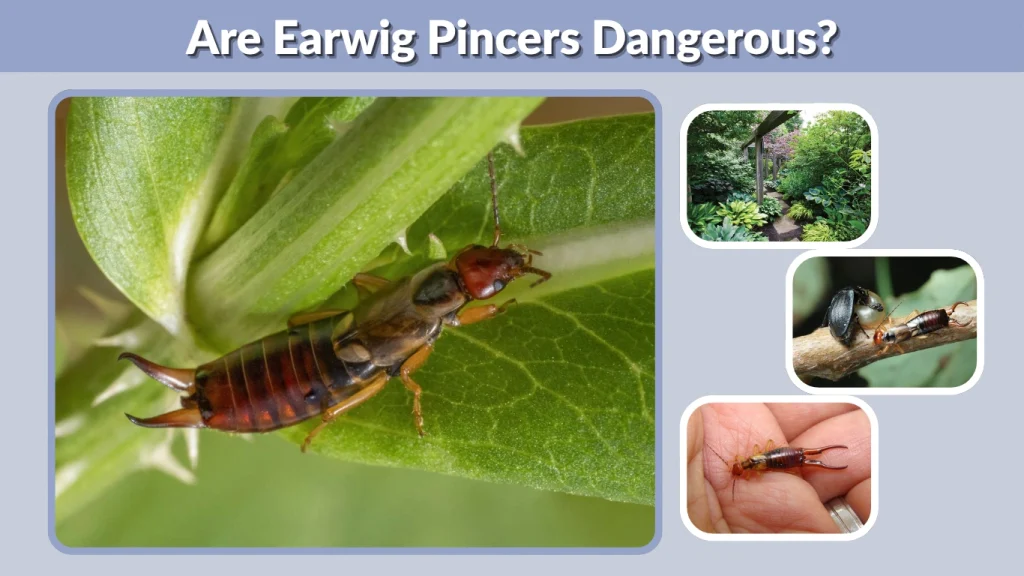
What Earwig Pincers Are Used For
The pincers, or cerci, serve several natural purposes. Males use them during courtship displays and dominance posturing. Earwigs also use their pincers to catch small insects, defend themselves against predators, or right themselves if they fall upside down. Although the pincers look intimidating, their primary functions are non-aggressive and focused on survival behaviors.
Can Earwig Pincers Break Skin?
In rare cases, especially with larger male earwigs, the pincer pressure may feel sharp. However, even strong pinches seldom break human skin. Most people experience only a mild pinch comparable to being poked with a fingernail. It is more startling than painful. There is no venom, poison, or lasting harm associated with earwig pinches, making them one of the least dangerous household insects.
Are Earwigs Dangerous to Pets?
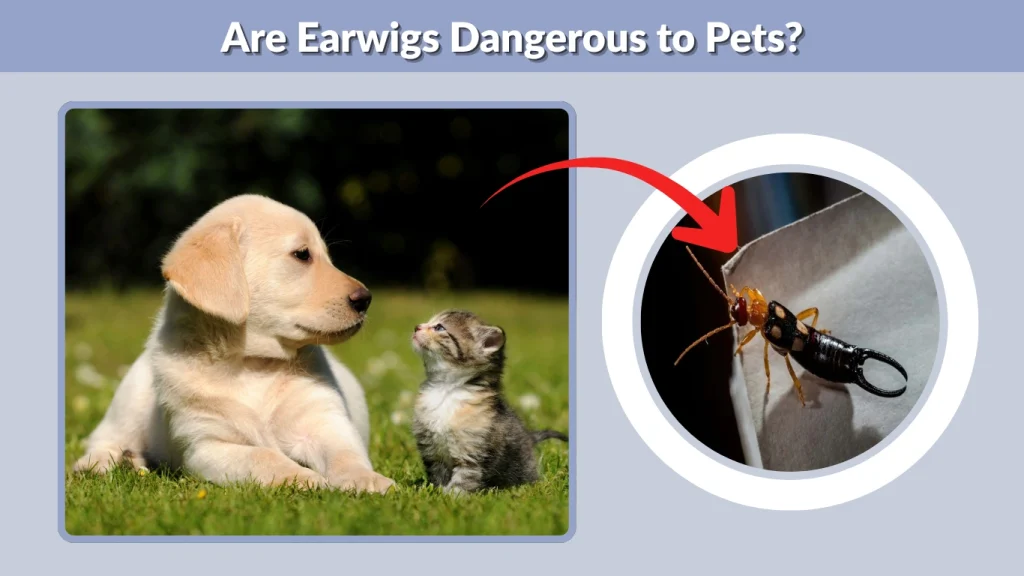
Earwigs and Dogs
Earwigs pose very little risk to dogs. A dog may occasionally sniff or paw at an earwig, causing the insect to pinch defensively. These pinches do not break the skin in most cases and rarely cause more than brief discomfort. If a dog eats an earwig, the insect is simply digested like any other small bug. At worst, it may cause mild stomach upset, but serious reactions are extremely uncommon.
Earwigs and Cats
Cats often interact with earwigs out of curiosity. A cat that bats at one may be pinched lightly, but the sensation is not harmful. Cats sometimes eat earwigs, and this is generally harmless. Their digestive systems can break down small insects without complications. Any irritation from the pincer is minor, and allergic reactions are highly unlikely. Healthy adult cats face virtually no danger from earwigs.
Earwigs and Small Pets
Small pets such as guinea pigs, rabbits, and hamsters may encounter earwigs if the insects hide in bedding or outdoor hutches. While they may startle easily, earwigs do not seek out these animals or attempt to feed on them. A defensive pinch may occur but is typically harmless. The main concern is hygiene — keeping bedding clean, dry, and free of pests ensures a healthier environment for these small animals.
Are Earwigs Dangerous to Babies?
Earwigs do not pose a significant risk to babies. They cannot bite, and their pinches are too weak to break skin. If an earwig crawls near a baby’s clothing or bedding, it is more of a nuisance than a threat. The risk of disease transmission is nonexistent, and reactions are mild even if contact occurs. Basic cleanliness and keeping sleeping areas dry help prevent encounters entirely.
Are Earwigs Dangerous to Homes or Property?
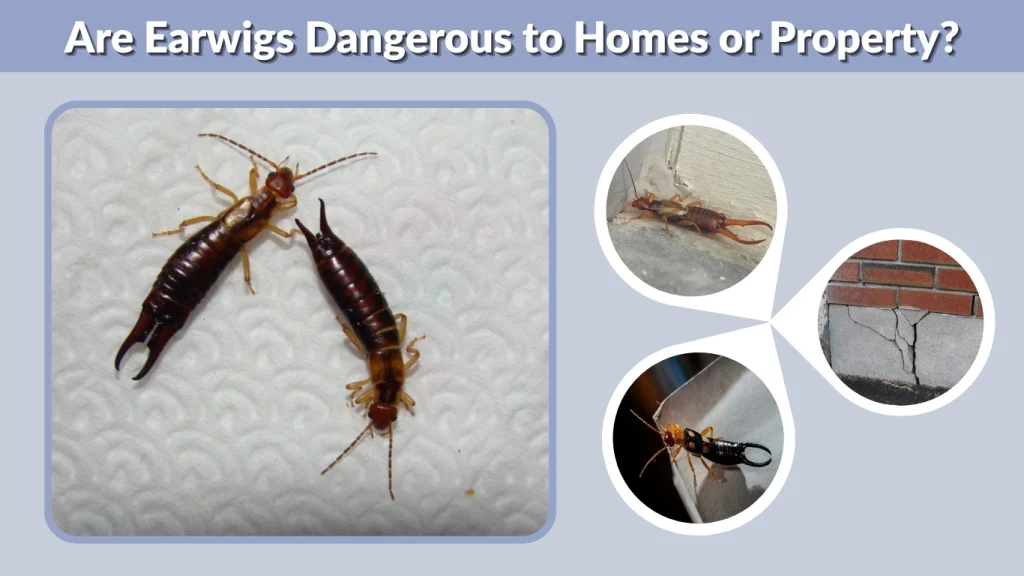
Can Earwigs Damage Structures?
Unlike termites, carpenter ants, or rodents, earwigs cannot harm structural components of homes. They do not chew wood, insulation, wiring, or furniture. They also do not build nests inside walls or reproduce rapidly indoors. Instead, earwigs accidentally wander inside through cracks or openings in search of moisture. Their presence may be unpleasant, but it causes no property damage.
Why Earwigs Enter Homes
Earwigs are attracted to damp, cool spaces. Heavy rainfall, heatwaves, or changes in outdoor humidity often drive them indoors. Bathrooms, kitchens, laundry rooms, and basements provide the moisture they seek. They may also enter through foundation gaps, window frames, door thresholds, or cracks near plumbing. Once indoors, they hide during the day and roam at night, usually appearing randomly rather than establishing long-term infestations.
Are Earwigs Dangerous to Plants or Gardens?
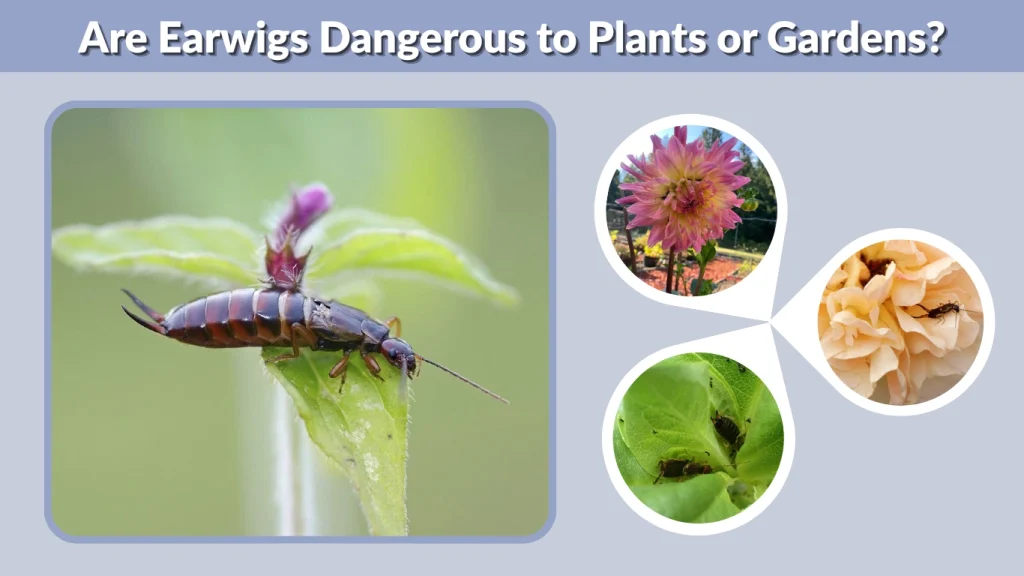
When Earwigs Damage Plants
In gardens, earwigs can cause noticeable damage by feeding on soft leaves, flowers, and seedlings. They commonly chew on petals of dahlias, roses, zinnias, and other ornamentals. Vegetable gardens may show damage on lettuce, basil, beans, and young sprouts. While earwigs do not kill mature plants, they can harm tender growth, making them garden pests in high numbers.
When Earwigs Are Actually Beneficial
Earwigs also play a surprisingly helpful role in garden ecosystems. They eat aphids, mites, decaying plant matter, and small insect pests. In moderate populations, they can reduce harmful infestations. Their impact depends on balance — too many earwigs can damage plants, while a small number can support a healthier garden. Understanding this dual role helps gardeners manage earwig populations effectively.
Are Certain Earwig Species More Dangerous?
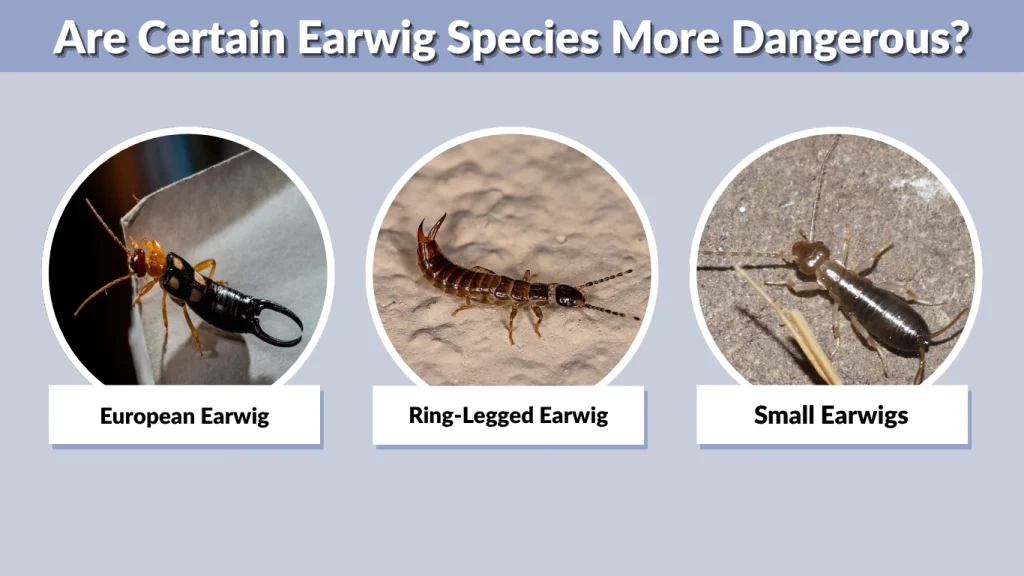
European Earwig
The European earwig is one of the most common species found in North America. Despite its intimidating appearance, it behaves similarly to other earwig species: shy, harmless, and primarily a nuisance. While it may feed on garden plants, it poses no danger to humans or pets. Its tendency to gather in large groups outdoors often leads people to assume it is harmful, but the species is not dangerous.
Ring-Legged Earwig
The ring-legged earwig, known for its striped or banded legs, is also harmless. Its appearance may look unusual compared to other earwigs, but its behavior and safety level are the same. It may nibble on garden plants or hide in moist areas around the home, yet it does not bite, sting, or cause harm to people or property.
Brown, Black, and Small Earwigs
Earwigs vary in color and size, but these differences do not affect their danger level. Black earwigs, brown earwigs, and small juvenile earwigs are all harmless. Smaller ones are more delicate and even less capable of pinching. Their coloration usually reflects age or species rather than risk, and none present poisonous or medically significant dangers.
What to Do If You Find Earwigs

Safe Ways to Remove Earwigs Indoors
The safest method is gently removing them with a cup, paper, or vacuum. Sticky traps can capture wandering earwigs, especially at night. Reducing indoor moisture — repairing leaks, improving ventilation, and using dehumidifiers — helps prevent future encounters. Removing clutter and sealing cracks also discourages earwigs from entering.
How to Avoid Pinches
Avoid handling earwigs directly with your fingers. While their pinches are mild, using tissue, gloves, or simple tools keeps contact to a minimum. If an earwig feels threatened, it may raise its pincers defensively, but staying calm and removing it gently prevents any interaction.
When to Seek Medical Advice
Medical attention is rarely needed for earwig-related interactions. However, if a pinch breaks skin and becomes red or swollen, cleaning the area and applying an antiseptic helps prevent infection. People with sensitive skin or allergies should monitor reactions. Seek medical help only if symptoms worsen, which is extremely uncommon.
Preventing Earwig Problems
Long-Term Indoor Prevention
Keeping your home dry is the most effective strategy. Fix leaky pipes, improve ventilation, and run exhaust fans in bathrooms. Sealing foundation cracks, door gaps, and window openings also limits entry. Regular vacuuming, drying floor mats, and storing items off the floor further reduce hiding spaces for earwigs.
Outdoor Prevention
Earwigs thrive in damp mulch, leaf piles, and shaded garden beds. Reduce thick mulch layers, trim vegetation away from the home, and clean up fallen leaves. Ensure gutters drain properly, and avoid watering lawns or gardens late in the evening. These steps make your yard less attractive to earwigs and help prevent them from approaching your home’s foundation.
FAQs
Are earwigs dangerous to humans?
Earwigs are not dangerous to humans. They do not bite, sting, or spread disease. At most, an earwig may pinch defensively if handled, but the pressure is mild and rarely breaks the skin. Their reputation comes from myths and their intimidating appearance, not from real health risks or harmful behavior.
Can earwigs hurt pets like dogs or cats?
Earwigs pose almost no threat to pets. Dogs or cats may be pinched if they bother an earwig, but the pinch is harmless. If a pet eats an earwig, it usually causes no issues beyond minor stomach discomfort. Earwigs are not poisonous, venomous, or dangerous to healthy household animals.
Are earwigs harmful to plants and gardens?
Earwigs can damage young seedlings, flowers, and soft leaves when populations are high. However, they also eat aphids and other garden pests, making them partially beneficial. In moderate numbers, they rarely cause serious plant harm. Problems occur mainly when moisture and shelter allow their population to grow too large.
Can earwigs cause damage to homes or property?
No. Earwigs cannot chew wood, damage structures, harm furniture, or invade wiring. They do not nest inside walls or create long-term infestations like termites or carpenter ants. Their presence indoors is accidental and temporary, usually driven by moisture, temperature changes, or the search for shelter.
When should someone worry about earwig contact or pinches?
Serious reactions are extremely rare. A defensive pinch may create slight redness or tenderness, but symptoms fade quickly. You should only seek medical care if the skin becomes unusually swollen, infected, or painful — typically related to bacteria entering a preexisting cut rather than the earwig itself. Otherwise, earwig contact is harmless.
