

Earwigs have a reputation for being dangerous insects, largely due to their intimidating pincers and persistent myths passed down through generations. In reality, earwigs are far less harmful than they appear. While they may startle homeowners or cause minor garden damage, they do not pose serious risks to humans, pets, or property. Understanding how earwigs behave and what they can and cannot harm helps remove fear and encourages proper pest management. This guide explains the true level of harm earwigs can cause.
Understanding Earwigs and Their Reputation
What Earwigs Look Like and How They Behave
Earwigs are nocturnal insects that prefer cool, damp environments. Outdoors, they hide under mulch, rocks, leaves, and garden debris during the day before coming out at night to feed. Indoors, they often appear in bathrooms, kitchens, basements, or laundry rooms because these spaces offer moisture and shelter. Their pincers — known as cerci — look intimidating but are primarily used for defense, capturing small prey, and courtship rituals.
Why Earwigs Are Often Seen as Harmful
Their appearance contributes heavily to their reputation. The curved pincers, quick movements, and habit of appearing in dark spaces make them seem more threatening than they truly are. Folklore once suggested that earwigs crawl into human ears—a myth that persists today despite having no scientific basis. These misconceptions create fear, causing people to assume earwigs are dangerous even though they are generally harmless.
Are Earwigs Harmful to Humans?
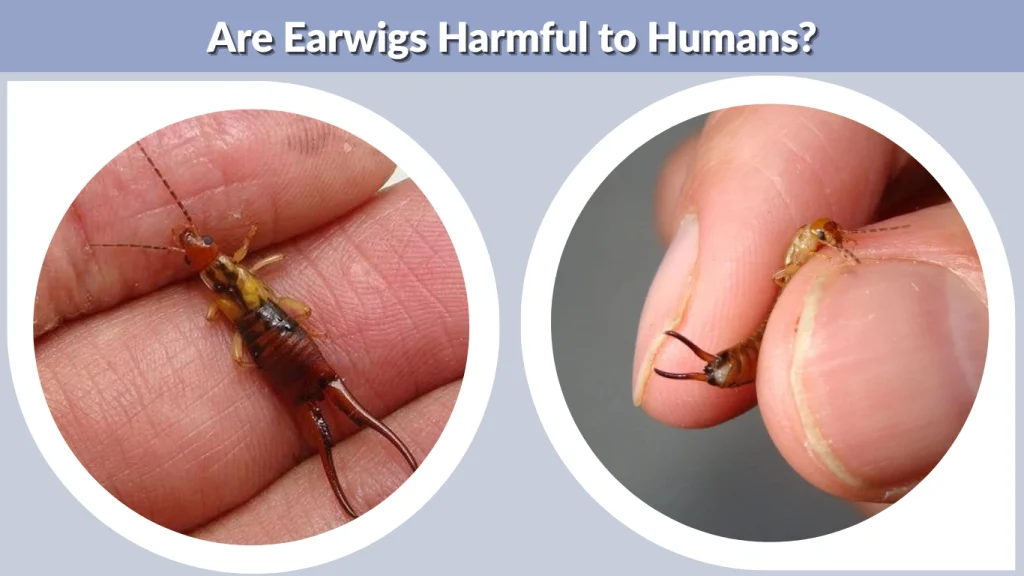
Do Earwigs Bite or Pinch?
Earwigs do not bite humans; their mouthparts are too small and weak to break skin. They may pinch when handled or threatened, but these pinches are typically mild. In most cases, the sensation is similar to a small poke and rarely results in irritation. Larger male earwigs can deliver slightly stronger pinches, but even these do not cause significant pain or injury.
Are Earwig Bites Harmful or Poisonous?
Because earwigs cannot bite and do not possess venom, their pinches cannot inject toxins. Any irritation following a pinch usually results from pressure on the skin rather than poison or infection. Redness, minor swelling, or slight discomfort may occur but usually fades quickly. In the rare case that a pinch breaks the skin, proper cleaning prevents infection. Overall, earwig-related injuries are extremely minor.
Earwigs and Human Safety Concerns
For babies, elderly individuals, or people with sensitive skin, earwigs still pose minimal danger. They do not seek out humans and do not transmit diseases. Their presence is more of a nuisance than a threat. If they crawl near bedding or clothing, it may cause alarm, but harm is unlikely. Maintaining dry environments and sealing entry points greatly reduces indoor encounters.
Are Earwigs Harmful to Pets and Animals?

Harm to Dogs
Dogs occasionally sniff, chase, or eat earwigs out of curiosity. At worst, a dog may receive a mild pinch on the nose or paw, which is surprising but not harmful. If a dog eats an earwig, it usually digests the insect without issue. Mild gastrointestinal upset can occur, but serious reactions are extremely rare.
Harm to Cats
Cats interact with earwigs more playfully, often batting at them or pouncing when they move. A defensive pinch may occur but does not break the skin in most cases. If a cat eats an earwig, the insect poses no toxic threat. Most cats experience no reaction at all, and earwigs are far less harmful than many insects cats commonly encounter.
Harm to Small Pets
Small animals like guinea pigs, rabbits, or hamsters may encounter earwigs if the insects hide in bedding, hutches, or outdoor enclosures. Earwigs do not target these animals intentionally, nor do they bite them. A pinch may happen if the insect feels trapped, but it is harmless. Keeping bedding clean and dry prevents earwig entry and improves overall habitat health.
Are Earwigs Harmful to Animals in General?
Earwigs do not parasitize mammals or seek them out for food. Their defensive pinches rarely cause harm beyond momentary discomfort. They lack venom, do not spread disease, and are not capable of serious injury. Compared to fleas, ticks, spiders, or biting insects, earwigs pose one of the lowest risks.
Are Earwigs Harmful to Homes or Property?
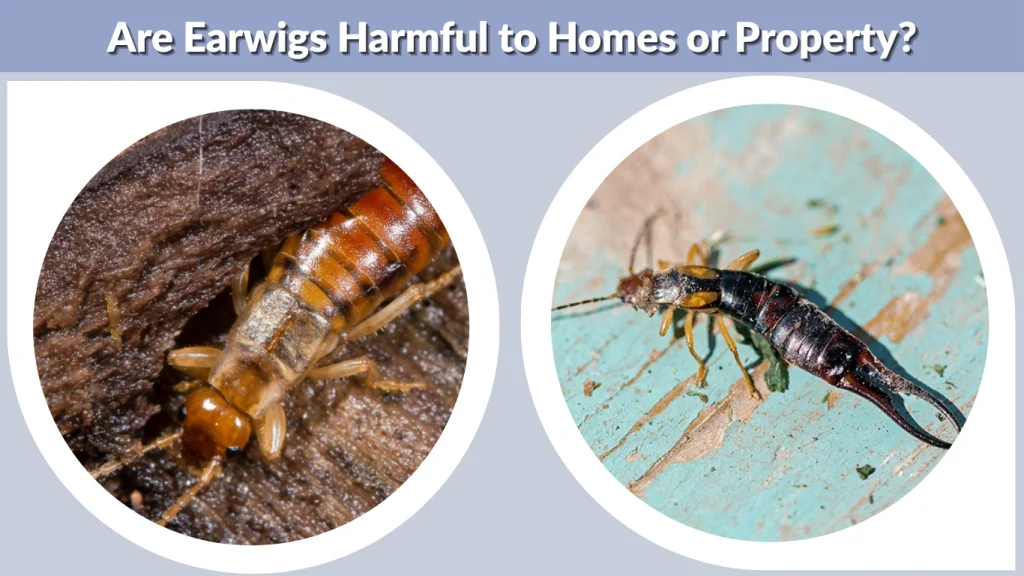
Do Earwigs Cause Structural Damage?
Earwigs cannot chew through wood, insulation, wiring, or furniture. They do not nest inside walls or cause long-term infestations like termites or carpenter ants. Their presence indoors usually results from moisture problems, open gaps, or weather conditions — not because they want to live or reproduce inside your home.
Why Earwigs Enter Your Home
Earwigs wander indoors seeking shelter, moisture, or occasional food sources. Heavy rain, extreme heat, or drought can push them inside temporarily. They are often found near sinks, tubs, drains, and washing machines where humidity is high. Most indoor sightings are accidental and short-lived, and earwigs leave once conditions change.
Are Earwigs Harmful to Plants or Gardens?
When Earwigs Damage Gardens
Earwigs can become problematic when their populations grow too large. They feed on soft plant tissues, often targeting young seedlings, tender leaves, and flower petals at night. Gardeners frequently notice irregular holes or ragged edges on vegetables such as lettuce, basil, and beans. Flowers like dahlias, roses, and zinnias may show significant cosmetic damage. While earwigs rarely kill mature plants, their nighttime feeding can stunt growth and reduce the health of delicate plants.
When Earwigs Are Actually Beneficial
What many people don’t realize is that earwigs also play a helpful ecological role. They consume aphids, mites, small insect larvae, and decaying organic matter. In moderate numbers, earwigs help keep pest populations under control. This makes them valuable in gardens where aphids and other destructive insects thrive. The challenge lies in maintaining balance—too many earwigs cause damage, but a small population contributes to a healthier garden environment.
Are Earwigs Harmful to Trees or Larger Plants?
Earwigs don’t typically harm trees or woody plants. Their preference for soft tissues means they rarely feed on bark, mature leaves, or tree blossoms. If earwigs appear on trees, they’re often searching for moisture or hiding from predators rather than causing damage. Large plants are far less vulnerable to earwig activity compared to flower beds and vegetable gardens.
Are Certain Earwig Species More Harmful?

European Earwig
The European earwig is one of the most commonly encountered species in North America and often sparks concern due to its size and dark color. Despite its intimidating look, it behaves much like other earwig species: shy, nocturnal, and largely harmless. While it may cause minor plant damage, it poses no threat to humans, pets, or property. Its tendency to gather in groups makes it more noticeable, but not more dangerous.
Ring-Legged, Brown, and Black Earwigs
Other species, such as ring-legged earwigs or various brown and black varieties, follow similar behavioral patterns. The differences are mainly cosmetic—leg markings, body color, or cerci shape. These variations do not influence their harm level. No species of earwig in North America possesses venom, poison, or harmful defensive mechanisms, making them uniformly mild pests regardless of appearance.
How Earwigs Might Become a Problem
Signs of an Indoor Issue
A few earwigs inside the home is normal, especially after rain or during seasonal changes. However, larger numbers may signal moisture issues, especially in basements, crawl spaces, or bathrooms. Earwigs found repeatedly in sinks, tubs, laundry areas, or along baseboards indicate they are following a moisture source or entering through an unsealed gap.
Signs of a Garden Problem
Outdoors, earwig damage becomes noticeable when plants show small, irregular holes or shredded edges. If seedlings vanish overnight or flowers lose petals, earwigs may be the culprit. Checking under pots, mulch, stones, or garden debris during the day can reveal hiding clusters. High humidity and thick mulch layers often encourage overpopulation.
What to Do If Earwigs Become Harmful
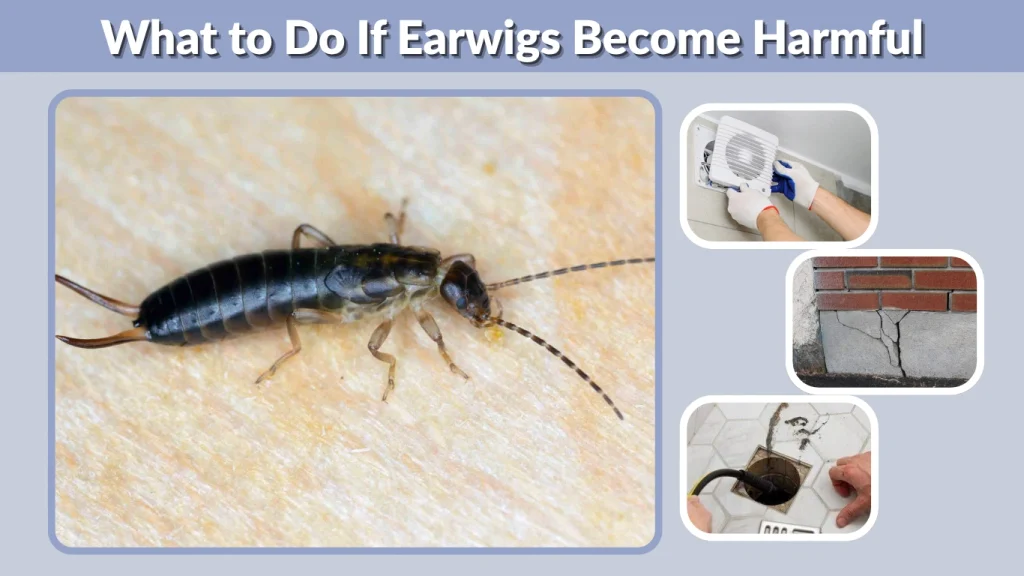
Indoor Control Measures
Managing indoor earwigs begins with moisture control. Repairing leaks, running dehumidifiers, and improving ventilation make your home less inviting. Sealing gaps around doors, windows, and foundation joints reduces entry points. You can also use sticky traps, vacuum stray insects, and keep floors and sinks dry. These simple steps typically resolve the issue without chemicals.
Outdoor & Garden Control Measures
In gardens, remove excess mulch, clear decaying plant matter, and reduce nighttime watering to discourage earwig activity. Rolled newspaper, oil traps, or cardboard shelters can attract earwigs overnight, allowing you to discard them in the morning. For persistent problems, sprinkling diatomaceous earth around plants or using garden-safe insecticidal treatments can help reduce numbers.
When to Consider Professional Help
Most earwig problems can be handled at home, but professional pest control may be useful if you notice large indoor populations, repeated moisture problems, or widespread garden damage. Pest specialists can find entry points, identify humidity issues, and recommend treatments tailored to your environment.
FAQs
Are earwigs harmful to humans?
Earwigs are not harmful to humans. They do not bite, sting, or carry diseases. At most, they may deliver a mild pinch if handled, but this rarely breaks the skin. Their presence is mostly a nuisance rather than a genuine health concern.
Can earwigs hurt pets like dogs or cats?
Earwigs pose very little risk to pets. Dogs or cats may occasionally be pinched if they disturb one, but the pinch is harmless. If eaten, earwigs are not poisonous and usually cause no issues beyond minor digestive discomfort in sensitive animals.
Are earwigs harmful to plants or gardens?
Earwigs can damage young plants, flowers, and seedlings when populations grow large. However, they also eat aphids and other pests, making them partially beneficial. Moderate numbers rarely cause serious harm, but heavy infestations may require targeted garden control methods.
Do earwigs cause damage inside the home?
Earwigs do not damage wood, wiring, furniture, or structural materials. They do not infest walls or create long-term colonies indoors. When they appear in bathrooms, basements, or kitchens, it is usually temporary and related to moisture rather than destructive behavior.
How can I tell if earwigs are becoming a problem?
Frequent indoor sightings usually indicate moisture issues or unsealed entry points. In gardens, ragged leaves, damaged flowers, or missing seedlings suggest rising earwig activity. Addressing humidity, removing debris, and monitoring plants helps prevent small populations from becoming problematic.
