
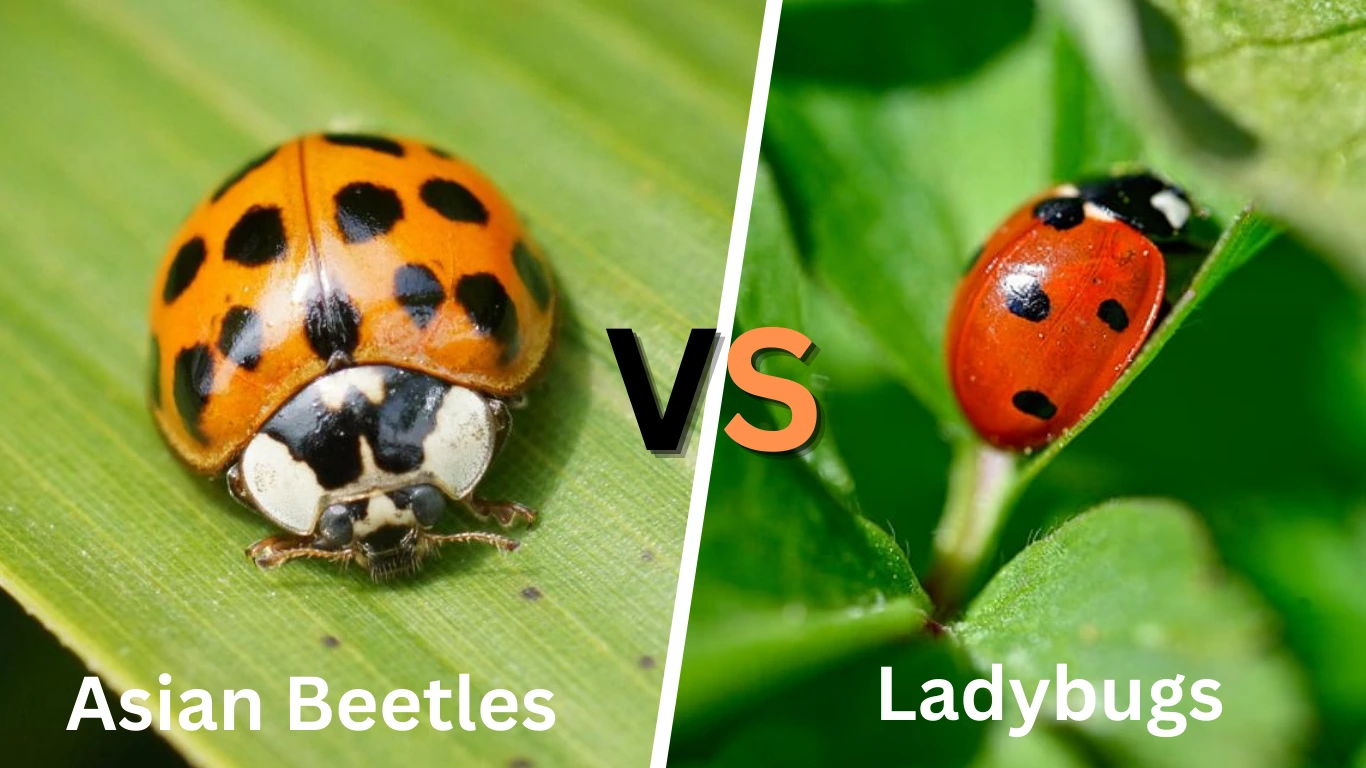
Asian beetles and ladybugs often get mixed up because of their similar appearance. However, they are not the same. Understanding the differences is important for protecting your home and garden, and for preserving native species. This guide will help you quickly tell them apart and explain why it matters.
What Are Asian Beetles?
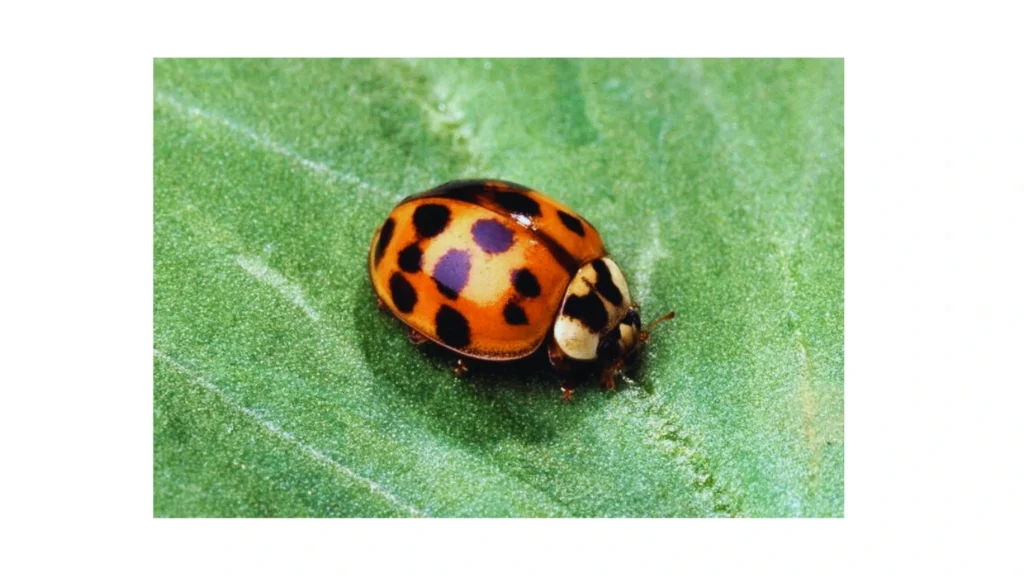
Asian beetles, officially known as Harmonia axyridis, were introduced from Asia to control agricultural pests. While helpful at first, they became invasive in many regions. Asian beetles are known for invading homes in large numbers, especially during the fall when they seek warmth. Their behavior and environmental impact set them apart from native ladybugs.
What Are Ladybugs?
Ladybugs belong to the Coccinellidae family and are native to many parts of the world, including North America and Europe. They are famous for their role in natural pest control, feeding on aphids and other small garden pests. Ladybugs are highly beneficial to farmers and gardeners and are seen as symbols of good luck in many cultures.
Key Differences Between Asian Beetles and Ladybugs
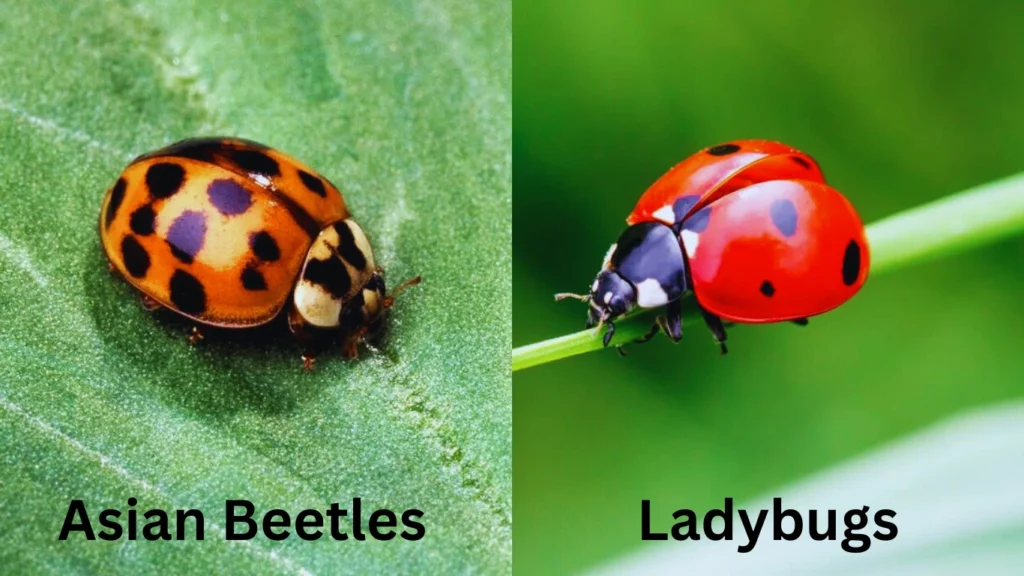
At first glance, Asian beetles and ladybugs look similar, but a closer look shows distinct differences. Asian beetles come in a wide range of colors from yellow to orange to red, and they often have varying numbers of black spots. Some may even have no spots at all. Ladybugs, on the other hand, are usually bright red or orange with consistent black spots.
One of the easiest ways to identify Asian beetles is by looking for a small, black ‘M’ or ‘W’ shape behind their heads, on the white section just before their wings. Ladybugs do not have this marking.
Asian beetles are also slightly longer and more oval-shaped, whereas ladybugs are rounder and smaller.
There are Key differences between Asian Beetles and Ladybugs:
| Feature | Asian Beetles (Harmonia axyridis) | Ladybugs (Coccinellidae) |
| Color | Range from yellow to orange to red, sometimes no spots | Typically bright red or orange with black spots |
| Size and Shape | Slightly larger, oval-shaped | Smaller, rounder shape |
| Markings | Black ‘M’ or ‘W’ shape behind head | No specific markings behind head |
| Behavior | Bites humans, aggressive toward other insects | Harmless, does not bite |
| Habitat | Invades homes, especially in fall | Mostly stays outdoors in gardens |
| Odor | Emits foul-smelling yellowish fluid when threatened | No strong odor |
| Impact on Environment | Invasive, harms native species | Beneficial for pest control |
| Seasonal Behavior | Swarms homes to seek warmth in fall | Remains in natural outdoor environments |
| Origin | Native to Asia | Native to many regions including North America and Europe |
| Effect on Humans | Can cause allergic reactions, stains surfaces | Friendly and considered lucky |
How to Tell Them Apart at a Glance
Spotting the differences becomes easy once you know what to look for:
- Check for the ‘M’ or ‘W’ mark behind the head.
- Notice the size and shape (Asian beetles are bigger and more oval).
- Observe the behavior (swarming and biting suggest Asian beetles).
- Color alone is not a reliable clue, as both can vary.
If you find multiple beetles indoors during the fall, they are likely Asian beetles.
Why Asian Beetles Became a Problem

Asian beetles were introduced in the 1900s to naturally control aphids and other crop pests. However, without natural predators, their population grew rapidly. They started pushing out native ladybugs and became an invasive species.
Their ability to survive colder climates, reproduce quickly, and invade homes in large numbers turned them from a helpful solution into a major problem.
How to Control Asian Beetles Safely
Keeping Asian beetles under control requires a combination of prevention and removal strategies.
Natural Deterrents
Using natural repellents like citronella, bay leaves, or cloves can help keep them away. Planting mums around your home is also effective, as Asian beetles dislike them.
Home-Proofing Tips
Seal cracks around doors, windows, and walls to prevent entry. Use weather stripping on doors and windows. Install screens over vents and chimneys.
Eco-Friendly Removal Methods
If they invade your home, vacuum them up and dispose of the bag immediately. Avoid crushing them, as they release a strong odor. Light traps can also help capture them without using chemicals.
Fun Facts About Ladybugs

- Ladybugs can eat up to 5,000 aphids in their lifetime, making them natural pest controllers.
- Many cultures see ladybugs as a sign of good fortune and happiness.
- Ladybugs hibernate during the winter in large groups to stay warm.
- Some species can even change their spot patterns slightly as they age.
Conclusion
While Asian beetles and ladybugs look alike, they are very different in behavior and environmental impact. Asian beetles can be pests that invade homes and bite, while ladybugs are friendly garden helpers. By learning how to recognize them quickly, you can protect your home from infestations and help preserve native ladybug populations.
