
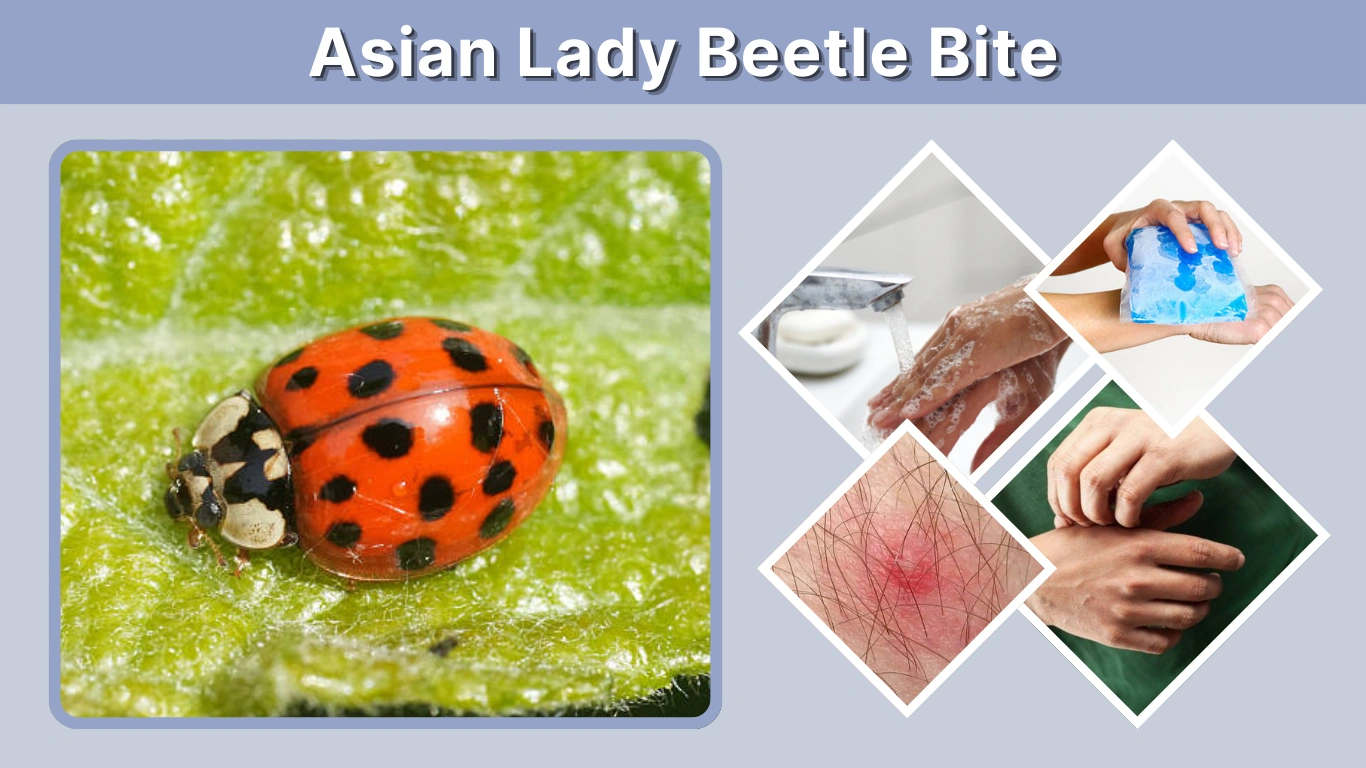
Asian lady beetles are often mistaken for harmless ladybugs, but many people are surprised to learn that they can bite humans. While these insects do not feed on blood and are not medically dangerous, their bites can cause sudden stinging sensations, redness, itching, and mild swelling. During large indoor infestations, bites become more common as beetles crawl on skin or get trapped in clothing. This guide explains whether Asian lady beetles bite, what their bites look like, common symptoms, and when reactions may become a concern.
Do Asian Lady Beetles Bite Humans?
Yes, Asian lady beetles can bite people. Unlike mosquitoes or fleas, they do not bite to feed on blood. Instead, they use their small mandibles to pinch skin when they feel threatened or when they mistake human skin for a food source. Most people describe the bite as a quick pinch or mild sting rather than sharp pain.
Bites usually occur indoors during fall and winter when large numbers of beetles gather inside homes. They often crawl on arms, necks, or faces and may bite if pressed against skin or trapped under clothing. Although unpleasant, these bites are generally harmless and do not transmit disease.
Why Asian Lady Beetles Bite
Asian lady beetles bite primarily as a defensive reaction. When handled, brushed off, or squeezed against skin, they may pinch in response. They are also attracted to salty residues on human skin, which may lead them to explore exposed areas. Overcrowding during infestations increases contact with people, making bites more likely even though the beetles are not aggressive by nature.
What Does an Asian Lady Beetle Bite Look Like?
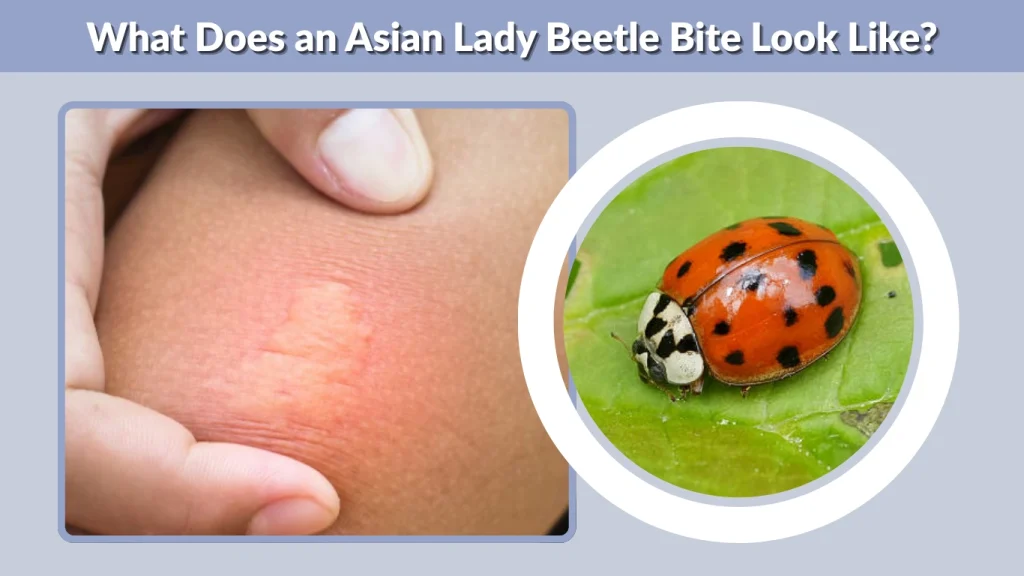
An Asian lady beetle bite is usually small and localized. Many people feel the sting before noticing any visible mark. Within minutes or hours, a tiny red spot or raised bump may appear at the bite site. The surrounding skin can look slightly inflamed, and mild swelling is common.
Some bites develop a pale center with a red outline, while others resemble minor mosquito bites. Unlike spider bites, Asian lady beetle bites typically do not show two puncture marks. The appearance can vary depending on skin sensitivity and whether the area was scratched.
Asian Lady Beetle Bite Mark vs Other Insect Bites
Asian lady beetle bites are often confused with mosquito, flea, or mite bites. Mosquito bites usually become itchy, soft welts. Flea bites tend to appear in clusters, often around ankles. Spider bites may show two tiny puncture points and more intense swelling. Asian lady beetle bites are usually isolated, smaller, and produce a quick pinching sensation rather than lingering pain.
Asian Lady Beetle Bite Symptoms

Asian lady beetle bites cause mild symptoms in most people. Reactions are typically limited to the skin and resolve on their own.
- Sudden pinching or stinging sensation
- Small red bump or spot
- Mild swelling around the bite
- Itching or burning feeling
- Local skin irritation
- Rare blistering in sensitive individuals
Symptoms may last a few hours to a few days depending on skin type and whether the area is scratched.
Asian Lady Beetle Bite Allergic Reaction
Most people experience only minor irritation, but some individuals develop stronger allergic-type reactions. These reactions are usually caused by sensitivity to the beetle’s defensive chemicals rather than the bite itself.
In allergic responses, redness may spread beyond the bite area. Hives, intense itching, or raised rashes can appear. Some people also experience eye irritation, sneezing, coughing, or asthma-like symptoms after heavy exposure to Asian lady beetles indoors.
Signs of an Allergic Reaction
Signs of a stronger reaction include rapidly increasing swelling, severe itching, hives, facial or eyelid swelling, and widespread redness. In rare cases, breathing discomfort or chest tightness may occur, especially in people with asthma or insect sensitivities.
When a Bite Becomes a Medical Concern
Medical attention should be sought if swelling spreads significantly, the bite becomes painful or infected, fever develops, or breathing difficulty occurs. These symptoms are uncommon but require professional evaluation to rule out infection or serious allergic response.
Asian Lady Beetle Bite Treatment

Treatment for Asian lady beetle bites focuses on soothing the skin, reducing inflammation, and preventing infection. Most bites can be managed easily at home.
First Aid for Asian Lady Beetle Bites
The first step is to gently wash the area with soap and water to remove any irritants. Applying a cold compress for ten to fifteen minutes helps reduce swelling and calm itching. The bite area should be kept clean and dry, and scratching should be avoided to prevent infection.
Home Remedies for Bite Relief
Several natural remedies can reduce irritation and speed healing. Aloe vera gel soothes burning and redness. A baking soda and water paste neutralizes skin irritation and reduces itching. Cold oatmeal compresses calm inflamed skin, while raw honey offers mild antibacterial protection. Applying any remedy gently without rubbing prevents further irritation.
Over-the-Counter Treatment Options
Hydrocortisone cream helps reduce swelling and itching. Calamine lotion dries irritation and relieves discomfort. Oral antihistamines can reduce allergic-type reactions such as hives or intense itching. If the skin becomes broken, a light antibiotic ointment helps prevent infection.
How Long Do Asian Lady Beetle Bites Last?
Most Asian lady beetle bites improve within a few hours and fully resolve within one to three days. In people with sensitive skin, redness or itching may last slightly longer. Scratching can delay healing and increase the chance of infection or scarring. As long as the area remains clean and undisturbed, bites usually heal without complications.
Can Asian Lady Beetle Bites Cause Infection?
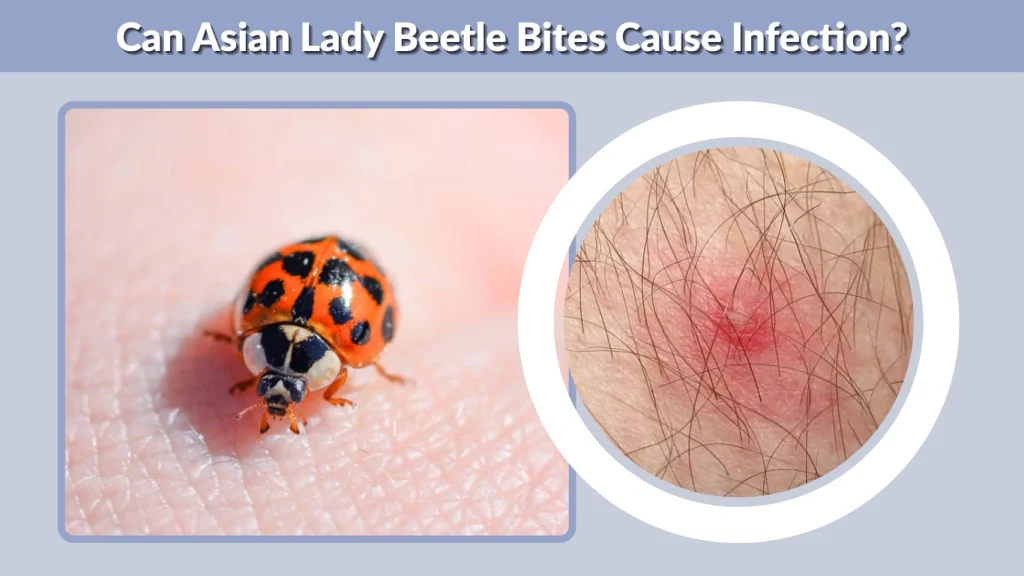
Asian lady beetle bites themselves do not carry disease, but infection can develop if the skin is scratched repeatedly. Open skin allows bacteria to enter, leading to redness, warmth, pus, or increased pain. Washing bites promptly and avoiding scratching greatly reduces infection risk.
How to Prevent Asian Lady Beetle Bites
Preventing bites depends on limiting contact with beetles and controlling indoor infestations.
Reducing Indoor Exposure
Seal cracks around windows, doors, siding, and vents to stop beetles from entering. Vacuum visible beetles rather than crushing them. Use window traps and reduce indoor light sources that attract beetles at night.
Personal Prevention Tips
Avoid letting beetles crawl on bare skin. Wash exposed skin after contact. During infestations, wear long sleeves and avoid lying under ceiling clusters where beetles may fall.
Asian Lady Beetles vs Native Ladybugs: Biting Behavior
Native ladybugs rarely bite humans and usually avoid indoor environments. Asian lady beetles are more likely to bite due to overcrowding, indoor survival behavior, and increased contact with humans. Their aggressive clustering behavior and defensive response make them responsible for most reported “ladybug” bites.
Are Asian Lady Beetle Bites Dangerous?
Asian lady beetle bites are not venomous and are rarely serious. Most cause only mild irritation. However, allergic reactions, eye irritation, and secondary skin infections can occur. For people with asthma or insect sensitivities, heavy exposure can worsen respiratory symptoms, making control important.
When to Consider Professional Pest Control
If bites occur regularly, beetles are emerging from walls, or infestations are severe, professional pest control may be necessary. Professionals treat exterior walls, seal entry points, and apply preventive barriers before seasonal invasions. Long-term services significantly reduce indoor beetle exposure.
FAQs
Do Asian lady beetles really bite humans?
Yes, Asian lady beetles can bite people. They use their mandibles to pinch skin when threatened or when crawling on salty skin. The bite usually feels like a quick sting and does not involve blood feeding.
What does an Asian lady beetle bite look like?
The bite usually appears as a small red spot or raised bump. Mild swelling, itching, or a burning sensation may develop. It often resembles a tiny mosquito bite and usually fades within a few days.
Are Asian lady beetle bites dangerous?
Most bites are harmless and heal on their own. However, some people develop allergic-type reactions, increased swelling, or skin infections if bites are scratched. Severe reactions are rare but require medical attention.
What is the best treatment for Asian lady beetle bites?
Wash the area with soap and water, apply a cold compress, and use hydrocortisone or calamine lotion to relieve itching. Antihistamines help allergic reactions, and antibiotic ointment prevents infection if skin breaks.
When should I worry about an Asian lady beetle bite?
Seek medical help if swelling spreads, breathing difficulty occurs, fever develops, or the bite shows signs of infection such as pus, warmth, or increasing pain.
