

Baby bed bugs are small, hard-to-spot pests that cause irritation and anxiety in homes. Many people confuse them with baby roaches or other insects due to their size and color. Understanding their appearance, behavior, and the risks they pose is crucial for early detection. This guide covers everything you need to know about baby bed bugs—from their size and color to the bites they leave on babies, plus treatment and prevention methods.
Baby Bed Bug Identification
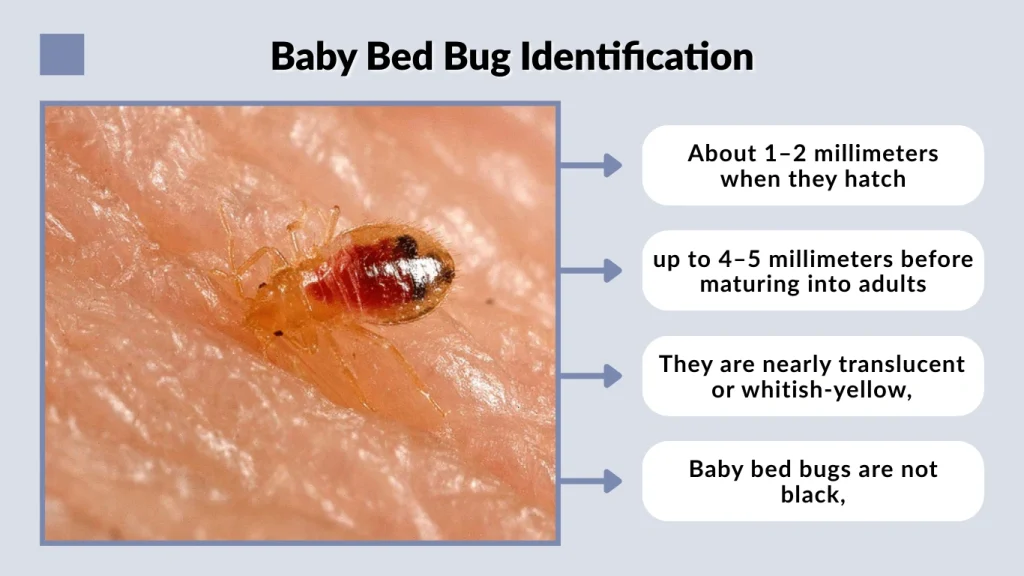
The term “baby bed bug” usually refers to nymphs, which are the immature stages of a bed bug’s life cycle. Unlike adults, which are reddish-brown and more easily spotted, nymphs are almost transparent before feeding. They pass through five growth stages, requiring a blood meal at each stage before progressing to the next.
You’ll often find baby bed bugs near the same hiding spots as adults—mattresses, bed frames, headboards, and upholstered furniture. Because of their tiny size and light color, they can blend into sheets and crevices, making detection difficult until they’ve fed and turned reddish. Recognizing these early stages is key to controlling infestations before they spread further.
Appearance & Size
Baby bed bugs are extremely small, measuring about 1–2 millimeters when they hatch. As they grow through their five nymphal stages, they can reach up to 4–5 millimeters before maturing into adults. Despite their small size, they have the same flat, oval-shaped bodies as adults, which expand and elongate after a blood meal.
Their size can be compared to a poppy seed or a pinhead, which explains why many people overlook them during early infestations. Once they feed, they become more visible, taking on a swollen, reddish appearance. This change in size and color is often the first noticeable clue for homeowners.
Because of their miniature size, baby bed bugs are frequently mistaken for tiny ants, dust specks, or other insects. Knowing their average dimensions at different growth stages helps in distinguishing them from harmless pests.
Color & Visibility
One of the most common questions is: what color are baby bed bugs? When they first hatch, they are nearly translucent or whitish-yellow, making them very hard to see against light-colored bedding or walls. After feeding, they quickly turn bright red, as their bodies are filled with blood. Over time, as they molt and grow, their color darkens until they resemble adult bed bugs.
People often confuse them with other small insects. Baby bed bugs are not black, despite some misconceptions. They also aren’t naturally red—only appearing that way after feeding. Their visibility depends greatly on their stage of growth and whether they’ve had a recent meal.
Yes, you can see baby bed bugs with the naked eye, but spotting them requires patience and careful inspection. They hide in cracks, mattress seams, and folds during the day, only coming out at night to feed. Regularly checking common hiding spots is the best way to identify them early.
Baby Bed Bug Movement
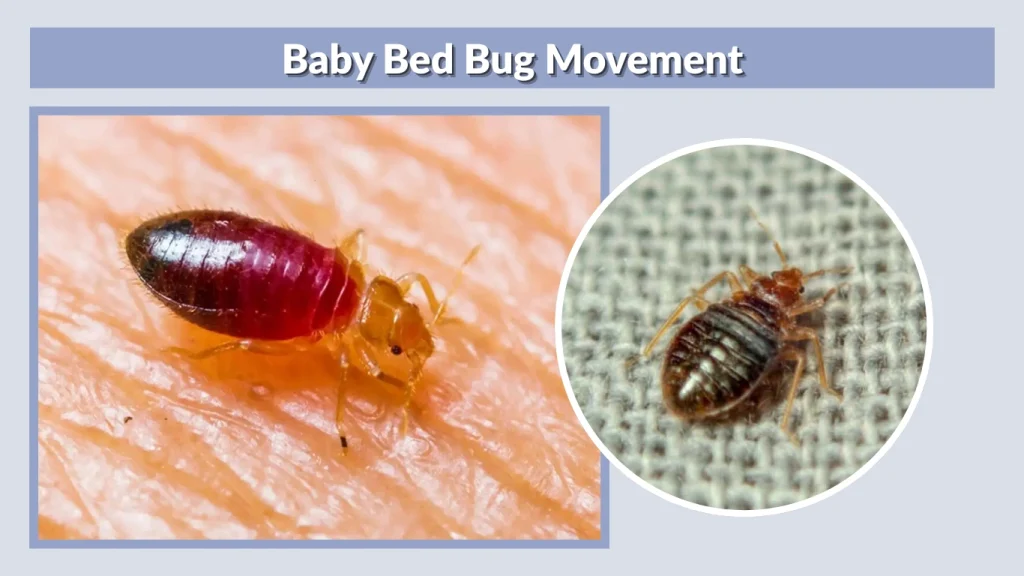
Although tiny, baby bed bugs are capable movers. They crawl at a steady pace, similar to ants, and can travel several feet from their hiding places to reach a sleeping human. Unlike fleas, they cannot jump or fly, but their flat bodies make it easy to squeeze into the smallest cracks.
People sometimes assume that nymphs move more slowly than adults, but that isn’t true. Both baby and adult bed bugs move with similar speed, usually fast enough to scurry away when disturbed. This mobility makes them difficult to catch in the open.
If you notice tiny, fast-moving, oval-shaped bugs on bedding or furniture, especially at night, you may be seeing baby bed bugs. Spotting them during the day is less common, as they prefer dark, concealed areas.
Bed Bug Bites on Babies

Bed bug bites on infants are particularly concerning because baby skin is more sensitive than adults’. A baby bed bug bite usually appears as small, red, itchy welts, often in clusters or straight lines. These bites are commonly found on exposed areas like the face, legs, arms, and hands—places that come into contact with bedding.
In early stages, bites may look like mosquito or flea bites, but the pattern often gives them away. Bed bug bites tend to form groups, reflecting the way bed bugs bite multiple times in a row while feeding. On babies, this can quickly lead to discomfort, irritability, and excessive scratching.
While bed bug bites aren’t known to spread disease, they can cause allergic reactions, secondary skin infections from scratching, and sleep disruption. Parents should monitor their child’s skin for unusual clusters of red spots and consult a doctor if swelling, blistering, or persistent itching occurs.
Baby Bed Bug Bites (General)
A common concern is whether baby bed bugs bite humans as aggressively as adults. The answer is yes—both nymphs and adults feed on blood. In fact, newly hatched bed bugs must take a blood meal before they can grow into the next stage. This makes them just as much of a nuisance as adult bugs.
Baby bed bug bites look similar to adult bites: raised, red welts that itch. Some people develop stronger reactions, while others may barely notice them. The difference is that because baby bed bugs are so small, their bites can appear finer or less pronounced than those from adults. Still, they tend to bite in clusters or straight lines, which is a classic sign of bed bugs.
Comparing bites from babies versus adults isn’t always reliable since reactions vary between individuals. However, noticing small, repeated clusters of bites over several days is a strong indication that both nymphs and adults are present in your home.
Baby Powder & Bed Bugs
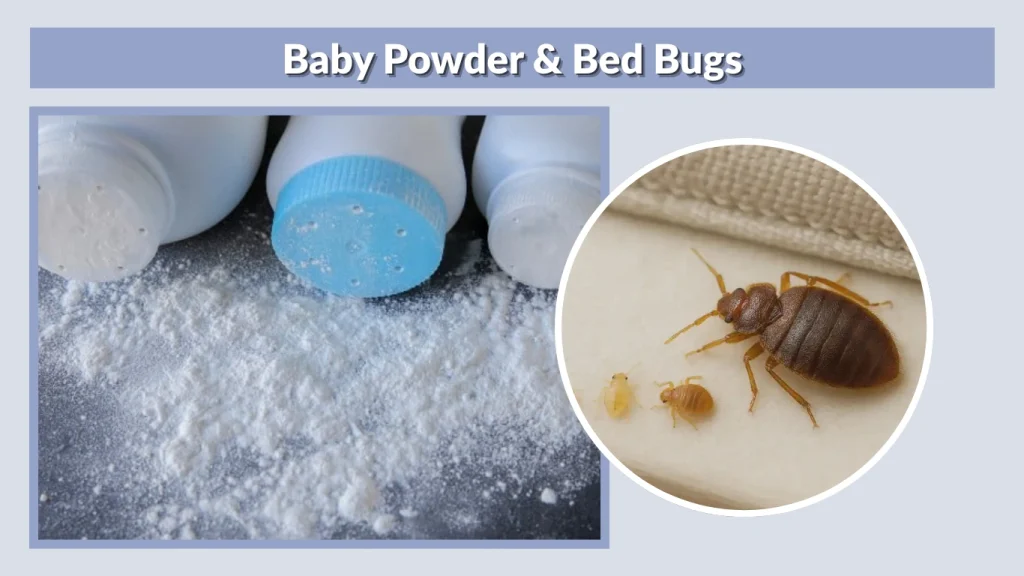
A widely debated home remedy for bed bugs involves using baby powder or talcum powder. Many people believe sprinkling it on mattresses or around bed frames suffocates the insects. While it may kill a few, it is not an effective long-term solution.
Baby powder works by drying out or clogging the outer layer of some insects, but bed bugs are highly resilient. They can often survive this treatment and continue reproducing. Unlike diatomaceous earth, which is specifically designed to dry out pests, baby powder lacks the same potency.
It’s also important to note that even if powder traps or kills a small number of nymphs, it does nothing to eliminate eggs, hidden colonies, or adults. Relying solely on this method can prolong infestations.
For real results, professional pest control treatments and safe chemical or heat-based methods are far more effective. Baby powder can be used as a temporary aid, but it should never be considered a solution to a bed bug problem.
Baby Bed Bug Life Cycle & Reproduction
Understanding the life cycle of bed bugs is key to recognizing baby bed bugs. Adult females lay hundreds of eggs during their lifespan, usually in hidden crevices near food sources. Each egg hatches within 6–10 days, producing a tiny nymph.
The just-born baby bed bug is about 1 millimeter long and nearly transparent. It immediately requires a blood meal to survive. Over the next several weeks, it passes through five nymphal stages, shedding its skin each time. With every molt, the insect grows larger and darker in color.
By the time a nymph reaches adulthood, it measures around 5–6 millimeters. This rapid reproduction cycle means that a small group of bed bugs can quickly turn into a full infestation. Spotting babies early is a warning sign that eggs are hatching and the colony is expanding.
Baby Bed Bugs vs Other Insects

Baby bed bugs are often confused with other small insects, especially in early infestations. Here are some key differences:
- Baby bed bugs vs baby roaches: Roach nymphs are darker, more cylindrical, and move quickly. Bed bugs are oval-shaped and reddish after feeding.
- Baby bed bugs vs cockroaches: Cockroaches have longer antennae and segmented bodies, while bed bugs are flatter and rounder.
- Baby bed bugs vs stink bugs: Stink bugs are shield-shaped and larger, even when young. Bed bugs remain small and oval.
- Baby bed bugs vs ticks: Ticks are rounder and attach themselves firmly to hosts, while bed bugs feed quickly and return to hiding.
Recognizing these differences helps prevent misidentifying pests and ensures proper treatment. Mistaking baby roaches for bed bugs—or vice versa—can lead to using the wrong control methods, wasting time and money.
Conclusion
Baby bed bugs may be small, but they are a major warning sign of infestation. Their translucent color, tiny size, and quick movement make them difficult to detect until they’ve already fed. Both adults and babies bite, leaving itchy red welts on humans, and infants are particularly vulnerable.
While home remedies like baby powder are tempting, they are not effective in eradicating infestations. The best approach is to combine early detection, thorough cleaning, and professional pest control. Recognizing baby bed bugs early is the most reliable way to protect your household from a larger outbreak.
FAQs
What do baby bed bugs look like?
Baby bed bugs are about 1–2 mm in size, oval-shaped, and translucent before feeding. After a blood meal, they become reddish and easier to see.
Can you see baby bed bugs with the naked eye?
Yes, though they are very small. Careful inspection of mattress seams, bed frames, and furniture is usually required to spot them.
Do baby bed bugs bite?
Yes. Baby bed bugs bite humans just like adults do, leaving small, itchy welts often in clusters or lines.
Are baby bed bugs the same as nymphs?
Yes. The correct term for baby bed bugs is “nymphs,” which go through five growth stages before becoming adults.
Does baby powder kill bed bugs?
Baby powder may harm a few bed bugs, but it is not an effective method of control. Professional treatment is required for complete eradication.
