
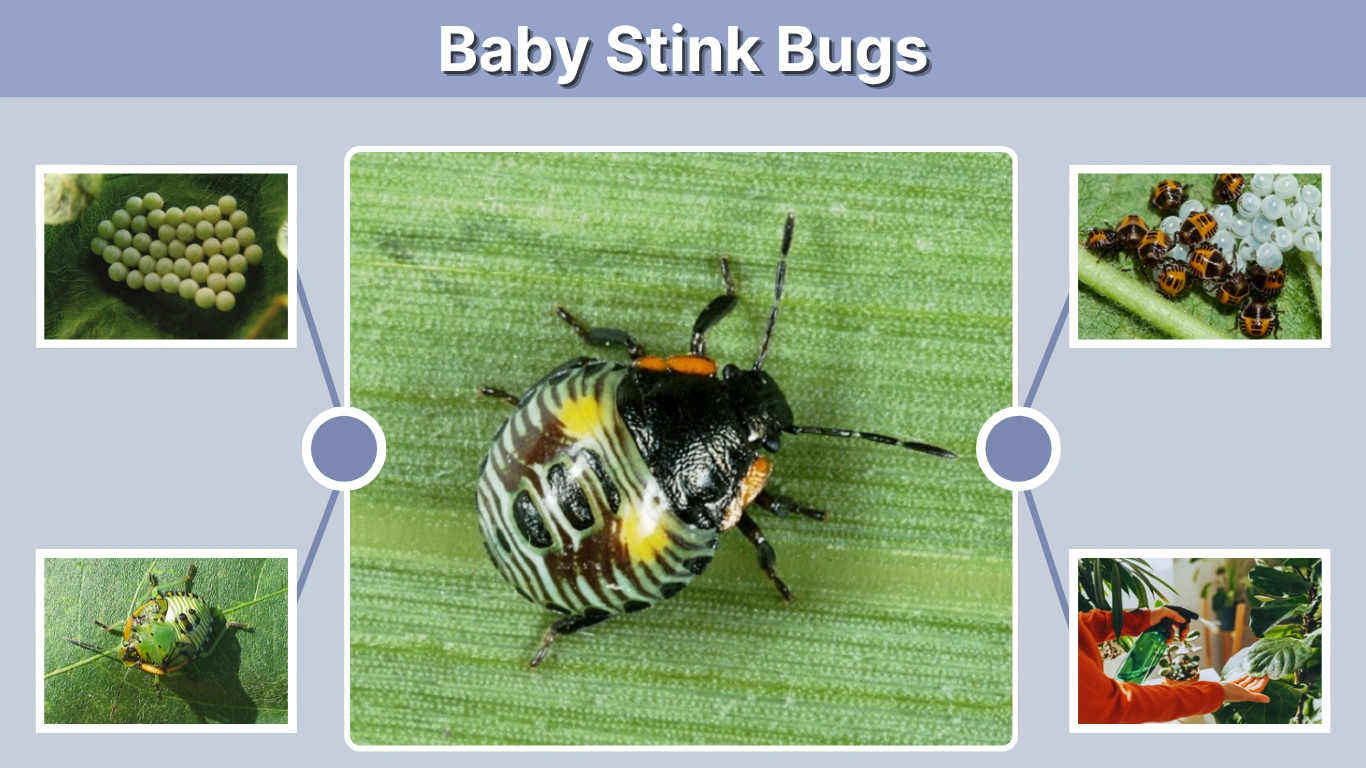
Baby stink bugs are not a separate species of insects — they are the juvenile form of adult stink bugs, commonly known as nymphs. These small, colorful, and round-bodied insects often surprise homeowners because they look so different from the adult versions. While adult stink bugs are shield-shaped and brown or green, their young are often tiny, red, black, or green with bright patterns.
Although their appearance may be confusing, baby stink bugs are harmless and play a key role in the insect’s life cycle. Understanding what they look like, how they behave, and how to control them helps prevent infestations both indoors and outdoors.
What Are Baby Stink Bugs?
When people talk about “baby stink bugs,” they’re referring to stink bug nymphs, the second stage of the insect’s life cycle. Unlike butterflies or beetles, stink bugs don’t go through complete metamorphosis. Instead, they hatch from eggs and develop gradually, molting several times before becoming adults.
Each molt changes their color, size, and body shape slightly. In their early stages, these baby stink bugs are wingless, soft-bodied, and often brightly colored — looking nothing like their adult counterparts. They grow by shedding their skin five times before reaching maturity.
Scientific Classification

- Common Name: Stink bug
- Scientific Family: Pentatomidae
- Common Species: Brown marmorated stink bug (Halyomorpha halys) and green stink bug (Chinavia hilaris)
- Life Stages: Egg → Nymph (baby) → Adult
- Habitat: Gardens, farmlands, and sometimes homes
Both brown and green species go through these same stages, though their colors and markings differ.
What Do Baby Stink Bugs Look Like?
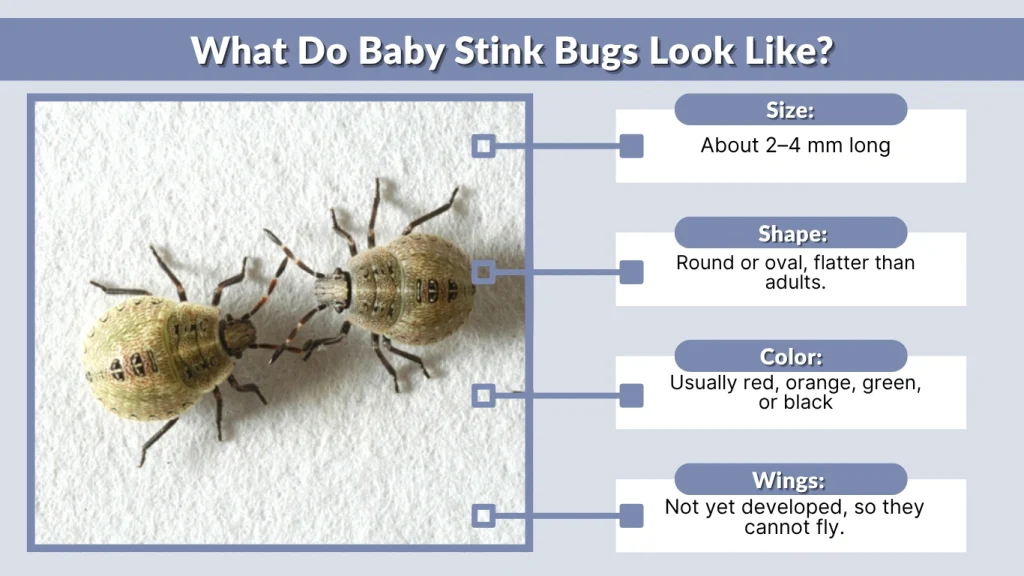
Baby stink bugs are small, oval, and smooth, with no wings. Their bright colors make them easy to recognize once you know what to look for.
Typical features include:
- Size: About 2–4 mm long (roughly the size of a sesame seed).
- Shape: Round or oval, flatter than adults.
- Color: Usually red, orange, green, or black, sometimes with yellow markings.
- Texture: Shiny and smooth, lacking the hard shield-like body of adults.
- Wings: Not yet developed, so they cannot fly.
Their bright patterns can sometimes make people mistake them for beetles, ticks, or bed bugs. However, their slow, crawling movement and round shape set them apart.
Color Changes During Growth

A stink bug’s baby stage goes through five molts (instars) before adulthood. Each stage changes their color and markings slightly.
Typical transformation:
- Newly hatched nymphs: Bright red or orange with black heads.
- Second instar: Black or dark green with red edges.
- Third instar: Green with yellow or red spots along the abdomen.
- Fourth instar: Olive or brownish as wings start forming.
- Fifth instar: Larger, duller green or brown — close to adult form.
These shifts help the insects blend into their environment better as they grow, protecting them from predators.
Baby Stink Bug vs. Adult Stink Bug

Although related, the two stages look and behave very differently.
| Feature | Baby (Nymph) | Adult |
| Size | 2–4 mm | 12–17 mm |
| Color | Bright red, black, or green | Brown or olive |
| Wings | None | Fully developed |
| Movement | Crawls only | Crawls and flies |
| Behavior | Feeds and grows | Reproduces and overwinters |
Adult stink bugs are often spotted on walls or near windows in fall, while nymphs are mostly found outdoors during summer on leaves or fruit plants.
Baby Stink Bugs in the House
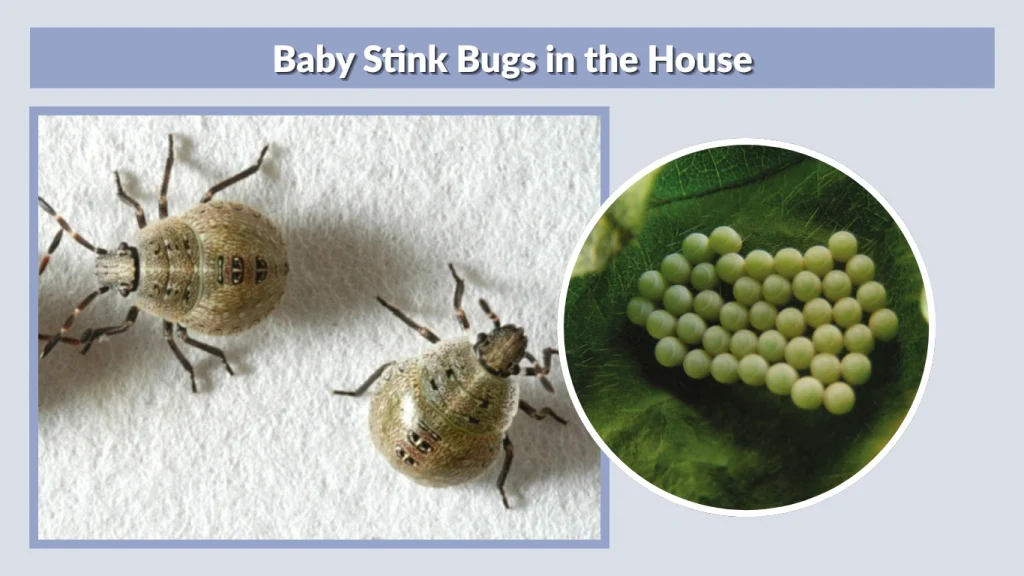
While adult stink bugs are known for invading homes in search of warmth, it’s less common to find baby stink bugs indoors. However, it can happen under a few conditions:
- Eggs on indoor plants: Females may lay eggs on potted plants or herbs near windows.
- Carried inside accidentally: Eggs or nymphs can come in on vegetables, fruits, or Christmas trees.
- Hatched in storage spaces: If a few eggs survive indoors, they can hatch unnoticed.
When baby stink bugs appear inside, it’s usually in summer or early fall. They don’t survive long indoors because they lack the proper food sources and humidity levels they need.
Where Do Baby Stink Bugs Hatch?

Female stink bugs lay eggs on the underside of leaves, often in clusters of 20–80. These eggs are light green or yellow and shaped like small barrels. After about 4–7 days, they hatch into tiny, brightly colored nymphs.
The young bugs typically stay together for a few days before dispersing to find new feeding areas. This clustering behavior is why people sometimes see “groups of baby stink bugs” on outdoor plants or shrubs.
Common plants where eggs and nymphs appear:
- Tomatoes
- Beans
- Peaches and pears
- Corn and soybeans
- Ornamental garden shrubs
Gardeners often first notice them by spotting small red or black dots crawling near leaf clusters or flower buds.
Are Baby Stink Bugs Harmful?
Baby stink bugs are harmless to humans and pets. They do not bite, sting, or spread diseases. Their odor glands are not fully developed, so they produce little or no smell.
However, they can be damaging to plants. Even at their young stage, they feed on sap from leaves, stems, and fruits, causing small spots or deformations on crops. For homeowners with vegetable gardens or fruit trees, controlling these early stages is key to preventing infestations later in the season.
In homes, they’re mostly a cosmetic nuisance, not a health risk.
What Happens if a Baby Eats a Stink Bug?
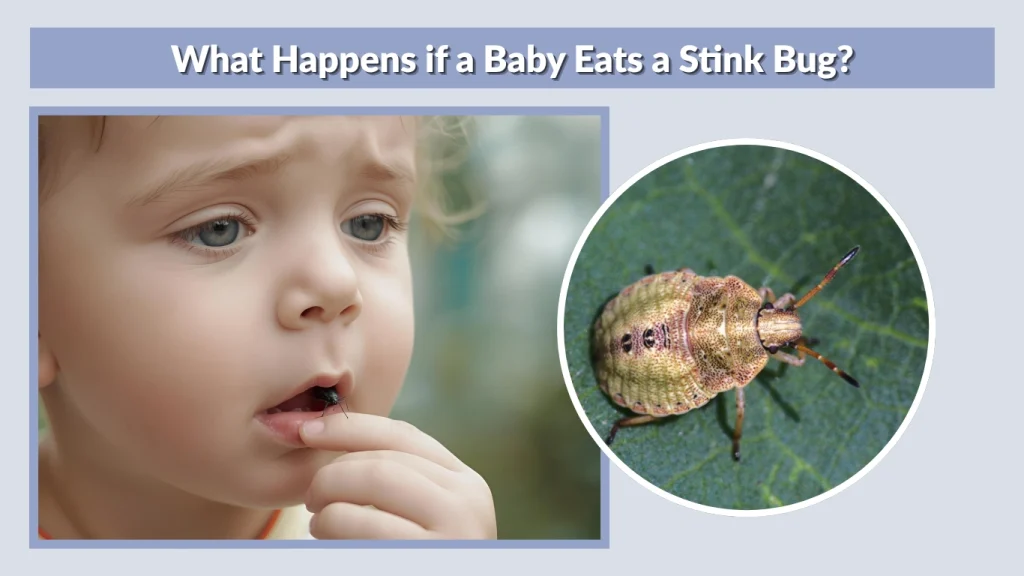
Parents often worry when an infant or toddler puts an insect in their mouth. If a baby eats a stink bug, it’s usually not dangerous. The bug’s defense chemicals have a bitter taste and unpleasant smell that cause the child to spit it out almost immediately.
At worst, the child might experience mild nausea, drooling, or gagging, but serious poisoning is extremely rare. Parents can rinse the child’s mouth with water and monitor for discomfort. If irritation or vomiting occurs, it’s best to call a pediatrician for reassurance.
Baby Stink Bug vs. Bed Bug

One of the most common confusions among homeowners is between baby stink bugs and bed bugs. While they may look similar in size, their body shape, color, and behavior are quite different.
| Trait | Baby Stink Bug | Bed Bug |
| Color | Bright green, red, or black | Reddish-brown |
| Shape | Round, shield-like | Flat and oval |
| Wings | None (develop later) | None |
| Habitat | On plants, windows, or walls | In beds, furniture, and cracks |
| Diet | Plant sap | Blood from humans or animals |
| Movement | Slow, crawls in open areas | Fast, hides during the day |
| Smell | Mild odor when touched | Musty smell in infestations |
While bed bugs bite and feed on blood, baby stink bugs are plant feeders that pose no threat to humans. Their rounder shape and bright coloring make them easy to distinguish once you know the difference.
Can Baby Stink Bugs Fly or Jump?
Baby stink bugs cannot fly because their wings develop only in the final stage before adulthood. During their nymph phase, they crawl or climb plants slowly using small legs.
They also don’t jump, unlike fleas or leafhoppers. If you see a small, round insect crawling across a window or plant leaf rather than hopping or flying, it’s most likely a young stink bug.
Adults, on the other hand, are strong fliers — especially in late summer when they search for new feeding or overwintering spots.
What Do Baby Stink Bugs Eat?

Just like adults, baby stink bugs feed using piercing-sucking mouthparts that draw sap and nutrients from plants. Their preferred diet includes:
- Tomatoes, peppers, and beans
- Peaches, pears, and apples
- Corn, soybeans, and cotton
- Ornamental plants and shrubs
They use a needle-like beak to pierce plant tissue, causing small spots, discoloration, and fruit deformities. In large numbers, these nymphs can cause noticeable crop damage — making early control important for gardeners and farmers.
Indoors, baby stink bugs rarely find food and usually die within a few weeks due to starvation or dehydration.
How to Get Rid of Baby Stink Bugs
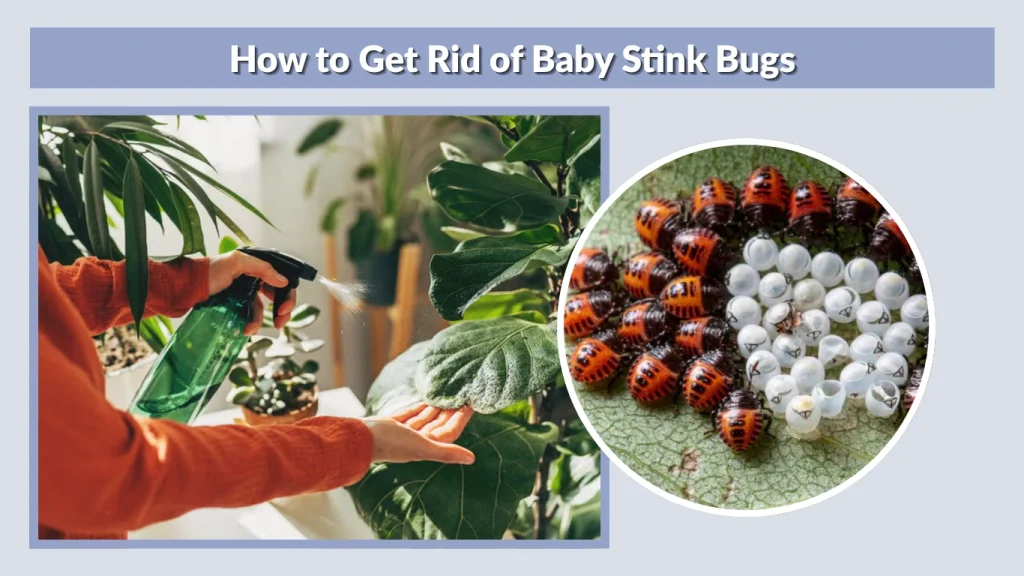
Baby stink bugs are easier to manage than adult infestations since they are smaller, slower, and wingless. Prevention and gentle removal are usually all that’s needed.
1. Manual Removal
- Check garden plants regularly for eggs and baby stink bugs.
- Gently wipe leaves or spray them with water to dislodge clusters.
- Use a vacuum indoors to collect them, then empty the bag outside immediately.
2. Natural Repellents
- Soapy water spray: Mix mild dish soap with warm water and spray directly on baby stink bugs or eggs — it suffocates them safely.
- Neem oil: A natural insecticide that disrupts feeding and molting.
- Essential oils: Peppermint, clove, or citrus oil diluted with water works as a safe household repellent.
3. Outdoor Prevention
- Keep your garden tidy by removing weeds and fallen fruit.
- Attract natural predators like spiders, wasps, and lady beetles that feed on stink bug nymphs and eggs.
- Seal cracks, vents, and window frames around the house to prevent them from crawling indoors.
Consistent inspection during late spring and early summer — when eggs hatch — is the most effective way to stop a full-blown infestation later.
Baby Stink Bugs in Gardens
Gardeners often notice clusters of small red or green insects on leaves and stems. These are baby stink bugs feeding together shortly after hatching. While a few won’t cause harm, larger populations can damage crops.
Signs of stink bug activity in gardens:
- Yellow or brown spots on leaves.
- Misshapen fruit or beans.
- Clusters of barrel-shaped eggs on leaf undersides.
- Tiny crawling insects in red, green, or black hues.
Regular monitoring and using organic sprays or beneficial predators help maintain a healthy balance in the garden.
Baby Stink Bug Colors by Species
The color of baby stink bugs varies depending on the species and stage of development.
Common species and their colors:
- Brown marmorated stink bug nymphs: Black with orange or red bands; become brown as adults.
- Green stink bug nymphs: Bright green with white or yellow spots.
- Southern green stink bug nymphs: Lime green with small red markings.
- Black stink bug nymphs: Shiny black with tiny red dots.
This variety in color is why homeowners often mistake baby stink bugs for ladybugs or beetles — but their rounder bodies and lack of wings are clear identifiers.
Common Myths About Baby Stink Bugs
Despite their harmless nature, several misconceptions surround baby stink bugs. Let’s clear up the most common ones:
- Myth 1: Baby stink bugs are baby bed bugs.
Fact: They are young stink bugs that feed on plants, not human blood. - Myth 2: They can fly or jump.
Fact: They can only crawl until they grow wings as adults. - Myth 3: They bite humans.
Fact: They lack biting mouthparts and are completely harmless. - Myth 4: They live inside walls year-round.
Fact: Only adults overwinter indoors; baby stink bugs stay outdoors. - Myth 5: They are poisonous.
Fact: Their odor is unpleasant but non-toxic to humans and pets.
Do Stink Bugs Have Babies Indoors?
Stink bugs do not reproduce indoors. They lay their eggs on outdoor vegetation during spring and summer, where sunlight and humidity support hatching.
If you find baby stink bugs in your house, they likely hatched from eggs that were accidentally brought in on plants, fruits, or Christmas trees. They won’t survive long because indoor conditions lack the food and moisture they need.
Regular inspection of indoor plants and wiping their leaves can prevent these small accidental infestations.
Are Stink Bugs Harmful to Babies or Pets?
Stink bugs — including the baby nymphs — are not poisonous or harmful to humans, infants, or pets. However, their defense secretion can have an unpleasant taste and mild irritation.
If a baby or pet accidentally eats one:
- Rinse the mouth with water.
- Expect temporary drooling, gagging, or mild nausea.
- Seek medical or veterinary advice if symptoms persist.
They don’t contain venom or toxins, so serious reactions are extremely rare. The most they cause is discomfort due to their strong smell and bitter taste.
FAQs
What do baby stink bugs look like?
They are tiny, wingless insects about 2–4 mm long, often red, green, or black, and rounder than adults.
Can baby stink bugs fly or jump?
No. They crawl and climb but don’t develop wings until reaching adulthood.
Are baby stink bugs harmful to humans or babies?
No. They are harmless and non-toxic, though unpleasant to touch or smell.
How can I get rid of baby stink bugs naturally?
Use soapy water sprays, neem oil, or essential oils on affected plants. Vacuum indoor ones and check leaves for eggs.
Do stink bugs have babies inside the house?
No. They only lay eggs outdoors. Any nymphs indoors likely hatched from eggs carried in on produce or plants.
