
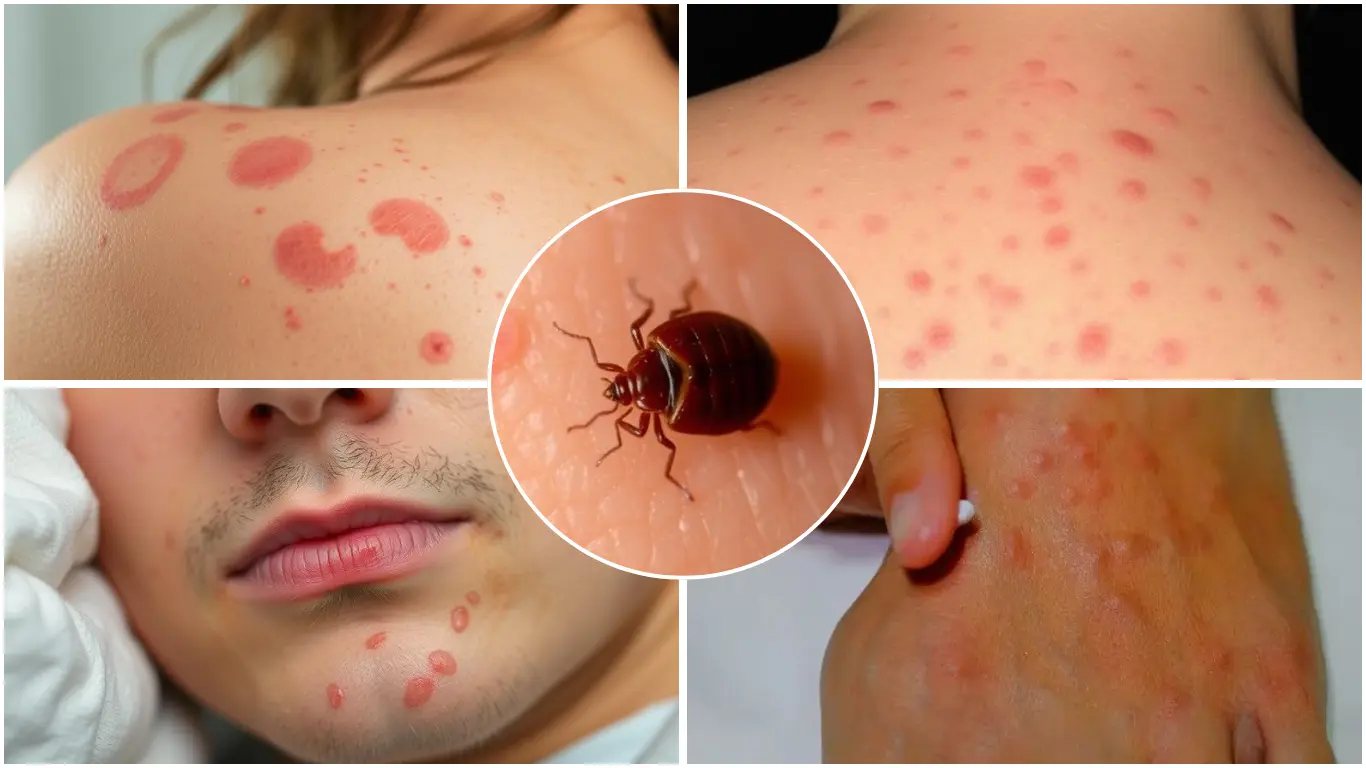
Bed bug bites can be irritating, itchy, and sometimes painful. These tiny pests feed on human blood and usually bite exposed skin while people sleep. Although bed bug bites are not known to spread diseases, they can cause allergic reactions, skin infections, and severe itching.
In this article, we will discuss how bed bug bites appear on different body parts, their symptoms, and the best ways to treat and prevent them. By understanding how bed bugs target specific areas, you can take the necessary precautions to protect yourself and your family.
Bed Bug Bites on Arm
How Bed Bugs Target Arms
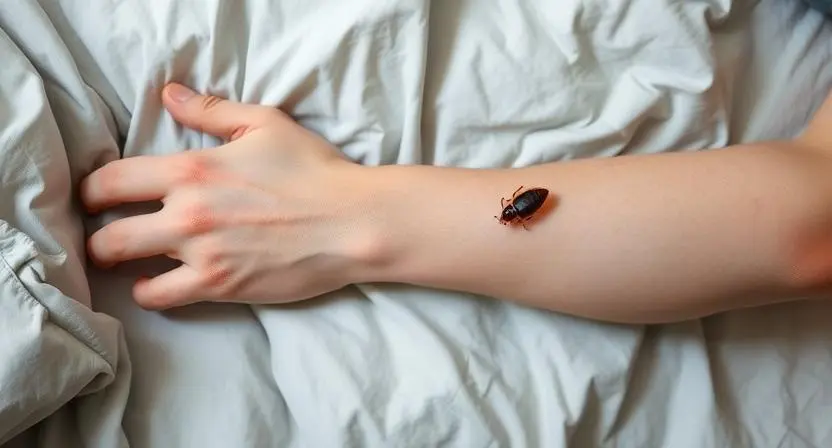
Bed bugs often bite exposed body parts, and the arms are a common target, especially for people who sleep with their arms outside the blanket. Since arms rest on bedding, they become an easy feeding area for bed bugs.
Symptoms and Common Reactions
- Small, red, itchy bumps in a cluster or line pattern
- Swelling or inflammation around the bite
- Mild burning or irritation
- In rare cases, allergic reactions leading to larger welts
Treatment and Relief Tips
- Wash the affected area with soap and water to prevent infection.
- Apply a cold compress to reduce swelling and itching.
- Use over-the-counter anti-itch creams or antihistamines.
- Avoid scratching to prevent further irritation or infection.
Bed Bug Bites on Back
Why Bed Bugs Bite the Back
Bed bugs prefer biting areas that are in direct contact with bedding, and the back is often one of the most exposed body parts while sleeping. Since bed bugs are flat, they can easily hide in mattresses and bed frames, making the back an easy target.
How to Differentiate from Other Insect Bites
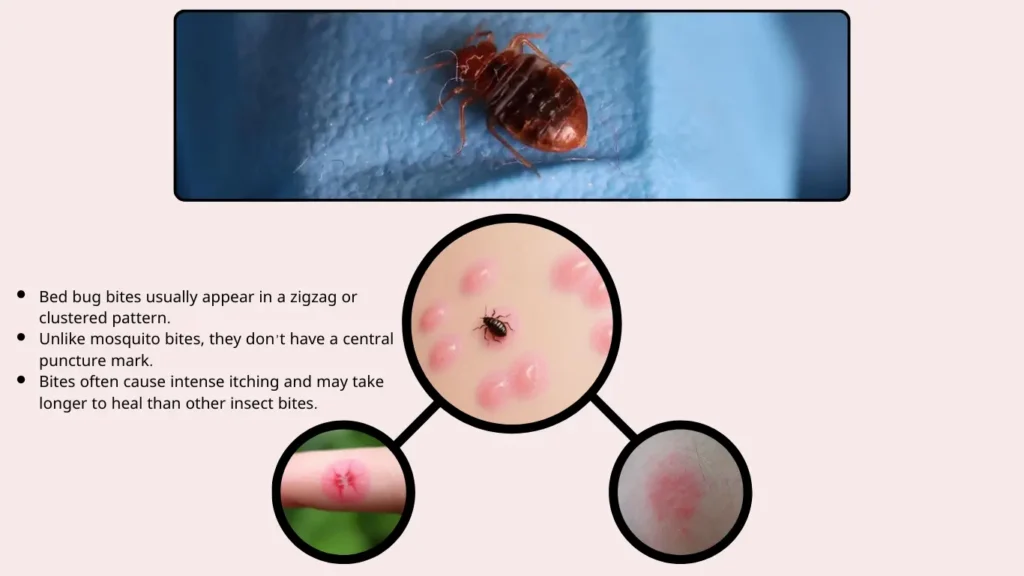
- Bed bug bites usually appear in a zigzag or clustered pattern.
- Unlike mosquito bites, they don’t have a central puncture mark.
- Bites often cause intense itching and may take longer to heal than other insect bites.
Best Remedies for Back Bites
- Take a warm shower and use a mild soap to cleanse the skin.
- Apply a soothing lotion or calamine cream to reduce irritation.
- Wear loose, breathable clothing to prevent further skin irritation.
- If itching persists, consider an oral antihistamine to relieve discomfort.
Bed Bug Bites on Face
Can Bed Bugs Bite the Face?
Yes, bed bugs can bite the face, although it is less common than bites on other parts of the body. Since the face is often exposed while sleeping, it can become a target if the infestation is severe.
Risks of Facial Bites and Potential Allergic Reactions
- Facial bites may cause noticeable swelling and redness.
- The skin on the face is more sensitive, making bites more painful.
- Scratching can lead to infections or scarring.
- Some people may experience an allergic reaction with more severe swelling.
How to Soothe Bites on the Face

- Wash your face with mild soap and cool water.
- Use aloe vera or a gentle anti-itch cream to reduce irritation.
- Apply a cold compress to minimize swelling.
- Avoid makeup and harsh skincare products until the bites heal.
Bed Bug Bites on Stomach
Why the Stomach Is a Common Target
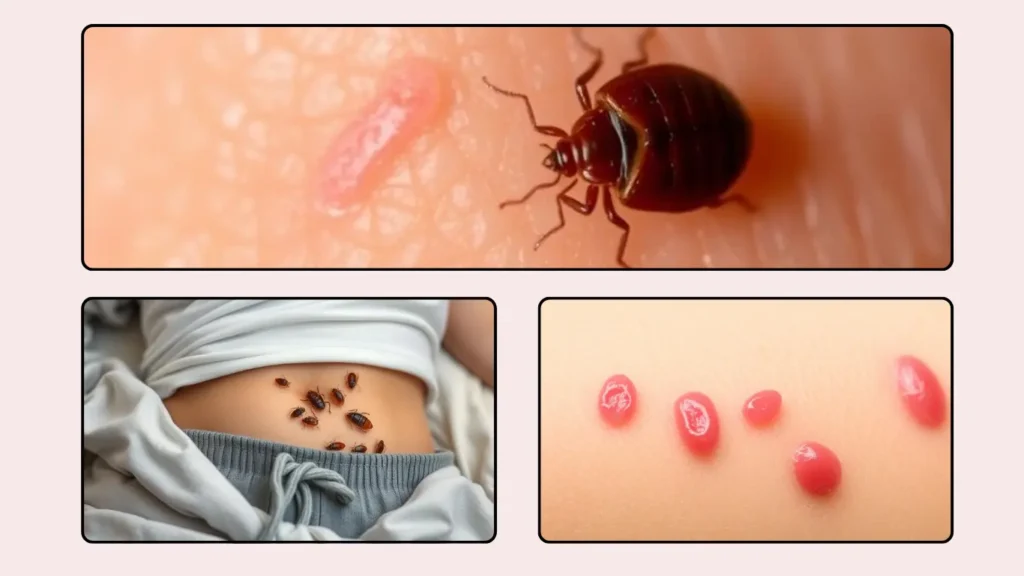
Bed bugs bite exposed skin, and the stomach is often uncovered when sleeping in loose clothing. They can also crawl under loose-fitting clothes to bite the stomach area.
Signs and Identification of Stomach Bites
- Bites appear as red, itchy welts, often in a line or cluster.
- Swelling or inflammation may occur.
- Bites may take several days to heal and could become irritated from clothing rubbing against them.
Best Ways to Prevent and Treat Stomach Bites
- Wear snug-fitting sleepwear to reduce exposure.
- Apply anti-itch cream or hydrocortisone to reduce irritation.
- Keep the area clean to prevent infections.
- Change bedding regularly to minimize bed bug activity.
Bed Bug Bites on Baby
How Bed Bug Bites Affect Babies Differently

Babies have delicate skin that is more sensitive to bed bug bites. They may experience stronger reactions, including swelling, redness, and discomfort. Babies may also become fussy or have trouble sleeping due to itching.
Identifying Bites on a Baby’s Sensitive Skin
- Small red bumps, sometimes with a dark center.
- Clusters of bites, often on arms, legs, or face.
- Signs of discomfort such as frequent scratching or restlessness.
Safe and Effective Treatment Methods
- Wash the bites gently with lukewarm water and mild soap.
- Apply a baby-safe moisturizer or anti-itch cream (consult a pediatrician first).
- Keep the baby’s nails trimmed to prevent scratching and infection.
- Ensure the crib and sleeping area are free from bed bugs by washing bedding frequently.
Bed Bug Bites on Legs
Common Bite Patterns on Legs
Bed bugs often bite the legs because they are exposed while sleeping. The bites usually appear in clusters, straight lines, or zigzag patterns.
Itching and Swelling Issues

- The skin on the legs may react with intense itching or swelling.
- Scratching can lead to blisters, scarring, or secondary infections.
- People with sensitive skin may develop large, red welts.
Preventing Bites While Sleeping
- Wear long pajama pants to cover your legs.
- Keep your bed and mattress clean to reduce infestations.
- Apply an anti-itch cream or take an antihistamine if itching is severe.
Bed Bug Bites on Feet
Why Bed Bugs Bite Feet
Bed bugs are attracted to the warmth of the human body, and feet are often exposed during sleep. They may also be drawn to the scent of sweat and body heat from the feet.
How to Relieve Itching and Pain

- Wash feet with cool water and mild soap.
- Apply an anti-itch cream or aloe vera for relief.
- Use a cold compress to reduce swelling and irritation.
- Avoid walking barefoot on infested carpets or bedding.
Protective Measures for the Feet
- Wear socks while sleeping to cover your feet.
- Regularly inspect and clean bed linens and mattresses.
- Use a bed bug-proof mattress and pillow cover to prevent bites.
Bed Bug Bites on Hands
How to Recognize Bed Bug Bites on Hands
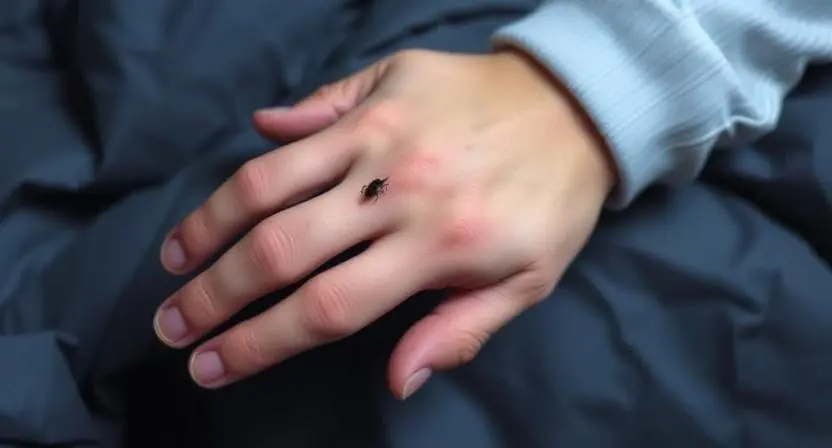
Bed bugs often bite hands if they are exposed while sleeping. Since hands come into contact with infested bedding, bites are common on fingers, palms, and the back of the hands.
Preventing Infections from Scratching
- Wash hands with soap and water to remove bacteria.
- Keep nails trimmed to avoid breaking the skin while scratching.
- Use an antiseptic to prevent infection if the skin is broken.
Quick Healing Remedies
- Apply a hydrocortisone cream to reduce inflammation.
- Use a cold compress to minimize swelling and itching.
- Moisturize with aloe vera or calamine lotion for relief.
Bed Bug Bites on Neck
Why Bed Bugs Prefer the Neck Area
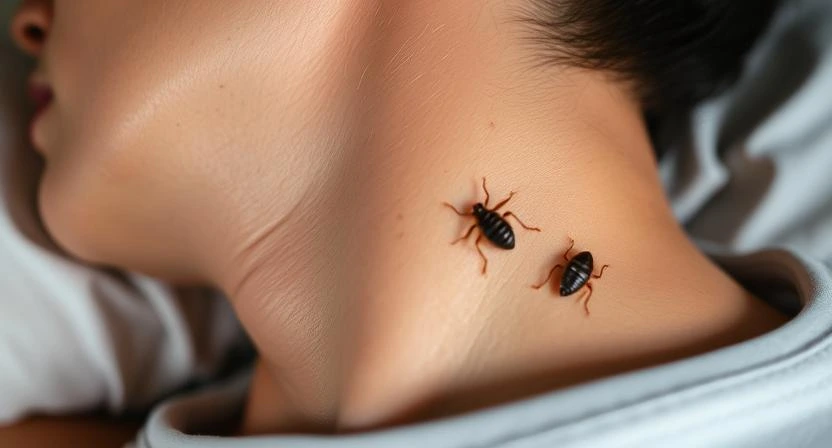
The neck is often exposed during sleep, making it an easy target for bed bugs. The skin on the neck is also thinner, allowing bed bugs to feed more easily.
Signs, Symptoms, and Possible Skin Reactions
- Bites appear as small, red welts or raised bumps.
- Itching and swelling may be more intense due to sensitive skin.
- Bites may form in a straight line or random clusters.
Best Treatments and Home Remedies
- Apply an anti-itch cream or calamine lotion.
- Keep the neck covered with a scarf or high-collared clothing if sleeping in an infested area.
- Use a cold compress to reduce irritation and swelling.
Bed Bug Bites on Dark Skin
How Bed Bug Bites Appear on Dark Skin
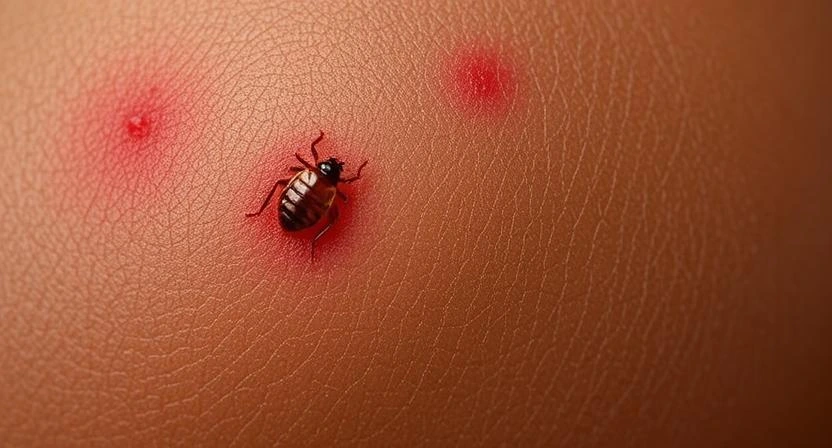
On dark skin, bed bug bites may appear as darker spots rather than bright red welts. The inflammation may cause hyperpigmentation, leaving dark marks that take longer to fade.
Differences in Reaction and Identification
- Some people may develop keloids or scars from bites.
- Bites may be less noticeable initially but become darker over time.
- Swelling and itching levels vary based on skin sensitivity.
Best Skincare Practices for Healing Bites
- Apply a skin-soothing gel like aloe vera to reduce inflammation.
- Use a moisturizer with vitamin E or cocoa butter to prevent scarring.
- Avoid scratching to minimize the risk of hyperpigmentation.
Bed Bug Bites on Head
Can Bed Bugs Live in Hair and Bite the Scalp?
Unlike lice, bed bugs do not live in hair, but they can bite the scalp if the head is resting on an infested pillow.
How to Identify Scalp Bites

- Bites are small, itchy bumps, often along the hairline or behind the ears.
- They may resemble mosquito bites but tend to last longer.
- Unlike dandruff or scalp acne, bed bug bites cause significant itching.
Treatment Options for Bed Bug Bites on the Head
- Wash hair with a gentle, soothing shampoo.
- Apply a cold compress to reduce swelling and itching.
- Avoid oil-based hair products that could trap bacteria and worsen irritation.
Bed Bug Bites on Hand
Difference Between Bites on Palms vs. Fingers
- Palms may develop more swelling due to thicker skin.
- Fingers can be more sensitive, making the bites itchier.
- Bites on knuckles may cause temporary stiffness due to swelling.
How to Reduce Swelling and Irritation

- Soak hands in cold water to reduce inflammation.
- Apply an anti-itch cream or hydrocortisone.
- Keep hands moisturized to prevent dryness and cracking.
Preventing Future Bites on Hands
- Wear gloves while sleeping if you are in an infested area.
- Regularly wash and replace bedding to reduce exposure.
- Use bed bug repellents or essential oils like lavender to deter bites.
Conclusion
Bed bug bites can be uncomfortable and irritating, but knowing how they affect different body parts helps with early identification and treatment. While the symptoms vary depending on skin type and sensitivity, common remedies like antihistamines, cold compresses, and anti-itch creams can help ease discomfort.
