
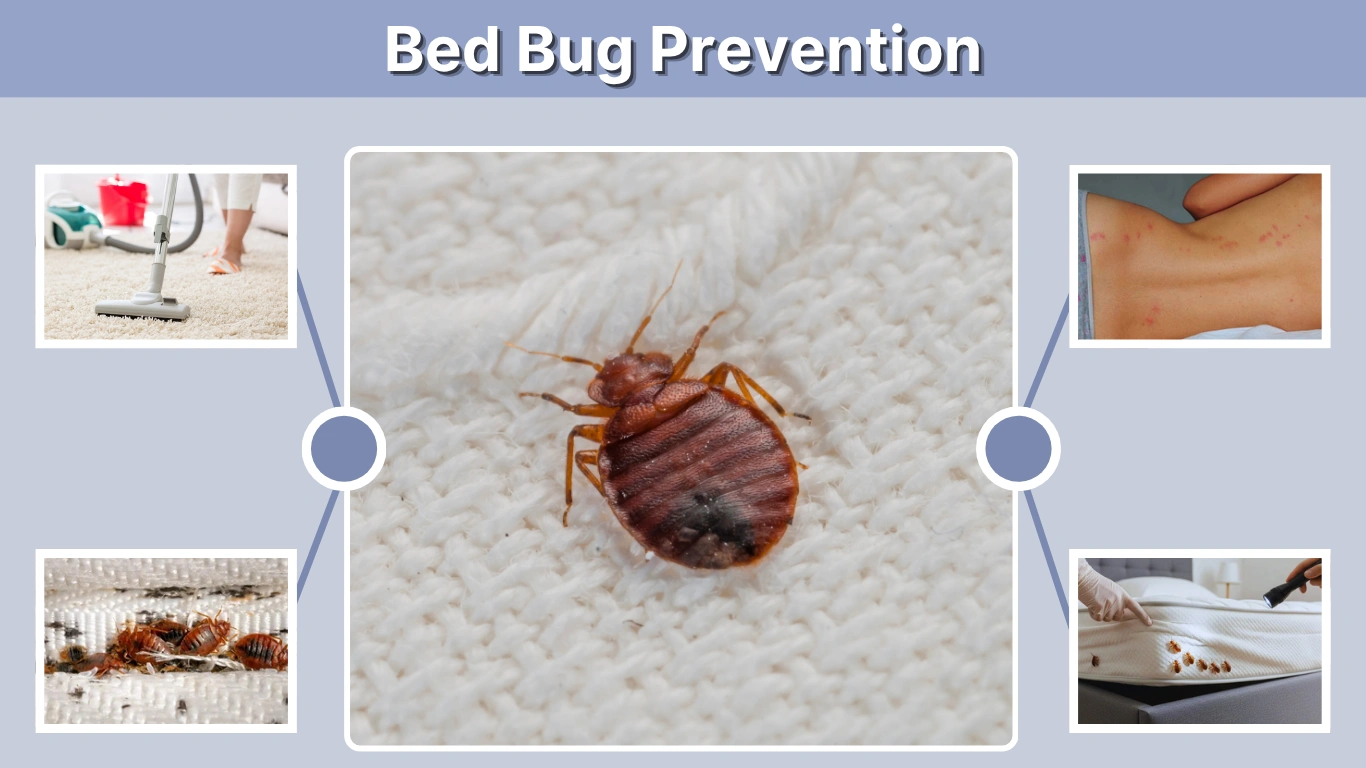
Bed bugs are small, reddish-brown insects that thrive on human blood and often infest beds, furniture, and clothing. Once inside a home, they can spread quickly and cause itchy, uncomfortable bites. Preventing bed bugs is easier than treating an infestation, making proactive steps essential for every household. From protecting mattresses to safe travel habits, a clear prevention plan ensures safety against these unwanted pests.
Understanding Bed Bugs
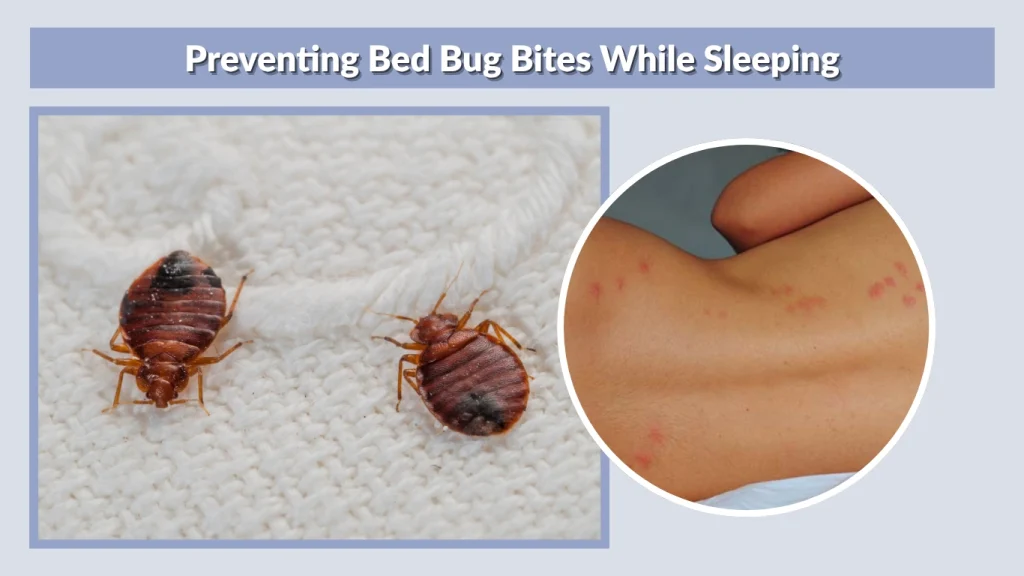
Bed bugs are nocturnal pests that hide in cracks, crevices, and bedding during the day, coming out at night to feed. Their bites often cause red, itchy welts that can easily be mistaken for mosquito bites. Infestations are common in homes, apartments, and hotels, as these pests easily travel on luggage, clothing, or used furniture. Recognizing early signs such as dark stains, shed skins, or visible insects is key to prevention and control.
General Prevention Tips
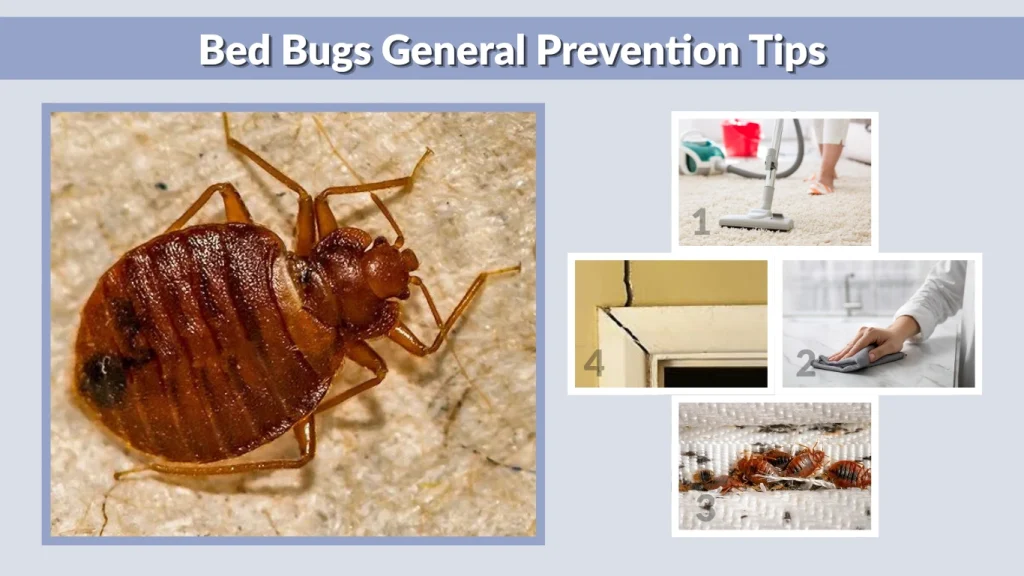
Daily habits play an important role in avoiding infestations. Regularly vacuuming carpets, cleaning furniture, and reducing clutter eliminate hiding places where bed bugs thrive. Sealing cracks in walls and around baseboards also blocks entry points. For apartment living, communication with neighbors and landlords is essential, since these pests can move between units. A consistent prevention routine keeps living spaces less attractive to bed bugs and lowers the risk of a spreading infestation.
Preventing Bed Bug Bites While Sleeping
Natural Methods
Natural remedies can help protect you from nightly bites. Essential oils like lavender, tea tree, and peppermint are known to repel bed bugs when sprayed on bedding. Diatomaceous earth, a natural powder, can be sprinkled around bed frames and cracks to kill insects on contact. Keeping bedding clean and washing sheets frequently also reduces the chances of bugs settling in sleeping areas.
Practical Protection
Bed bug prevention sprays are widely used to deter these pests. Non-toxic formulas can be applied directly to mattresses, headboards, and furniture for added protection. Positioning beds away from walls and ensuring bedding does not touch the floor also prevents bugs from climbing up. Combined with mattress covers, these steps create multiple barriers against bites during sleep.
Mattress Covers and Protectors
Mattress protection is one of the most effective tools in bed bug prevention. Specialized mattress covers completely encase the bed, trapping any existing bugs inside and blocking new infestations from entering. Many people wonder: do mattress protectors prevent bed bugs? While standard protectors are not fully effective, certified bed bug encasements are proven to work. By eliminating hiding spots, they reduce the severity of infestations and make treatment more manageable.
Travel and Hotel Prevention

Traveling is one of the most common ways people bring bed bugs into their homes. Suitcases, clothing, and hotel furniture are frequent sources of infestation, making prevention steps vital before, during, and after trips.
Before Traveling
Pack with care by using protective luggage covers or sealable bags. This minimizes the chance of bugs hiding in clothes. Carry a small bed bug prevention spray for quick checks in hotel rooms.
During Hotel Stay
Hotels, even high-end ones, can experience bed bug issues. Always inspect the mattress seams, headboards, and chairs before unpacking. Keep luggage elevated on racks rather than on the bed or floor. Many travelers ask, how do hotels prevent bed bugs? Hotels often use regular pest control, but personal caution ensures better safety.
After Traveling
Once home, unpack directly into the laundry. Wash clothes in hot water and dry them at high heat, as this kills bed bugs and their eggs. Vacuum and wipe down luggage before storing it. Following these steps after travel is one of the most reliable ways to prevent bed bugs from spreading into bedrooms.
Clothing and Laundry Precautions

Bed bugs are excellent hitchhikers, often latching onto clothes and bags. To prevent bed bugs from getting on your clothes, avoid leaving garments on hotel beds, public seating, or the floor. Using sealable storage bags for clothing during travel adds an extra layer of protection.
Some people wonder if dryer sheets prevent bed bugs. While they may mask odors, they do not effectively kill or deter infestations. Instead, washing clothes on high heat and using a hot dryer cycle is the best method. For those who rely on shared laundromats, never leave laundry unattended and transport clothes in sealed containers to prevent cross-contamination.
Used Furniture and Household Items
Buying second-hand furniture can be affordable but poses risks for bed bug infestations. These pests often hide in couches, chairs, and wooden frames. To prevent bed bugs from used furniture, thoroughly inspect every piece before bringing it home. Look for small dark stains, shed skins, or live insects in seams and joints. Cleaning with hot steam or using a bed bug prevention spray adds extra security. Avoid picking up free items from curbs, as they are often infested.
Preventing the Spread of Bed Bugs
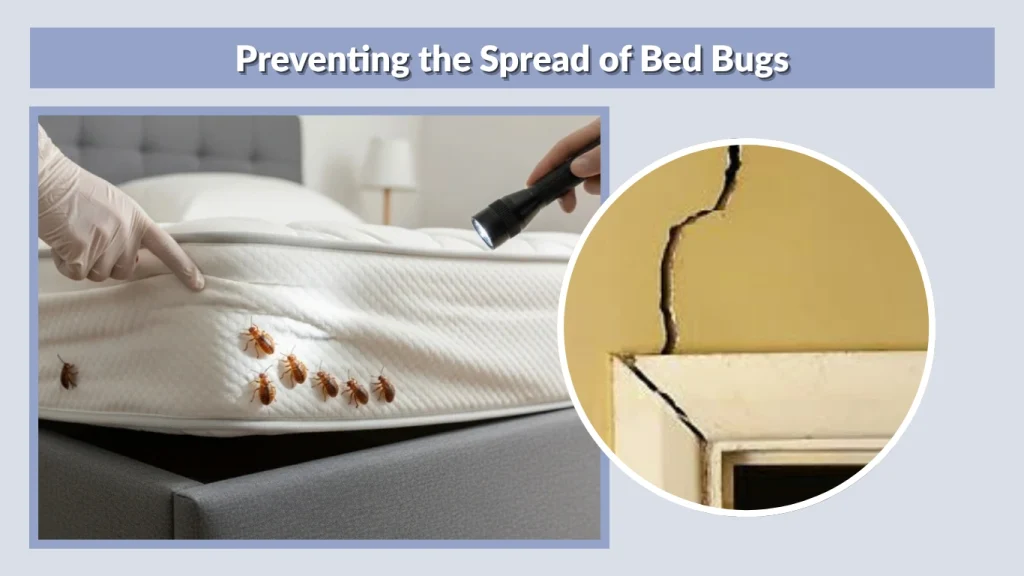
Stopping bed bugs from spreading is critical once they are detected. They move quickly between rooms and even between apartments through walls and ventilation. To prevent spreading, avoid moving infested furniture, seal cracks in walls, and install door sweeps. In multi-unit buildings, professional treatment is often necessary, since pests can travel through shared spaces. Regular inspections and cooperation with neighbors ensure infestations are controlled before they expand further.
Bed Bug Prevention Products
Common Preventative Treatments
Several products can assist in prevention, from sprays to powders. Preventative bed bug sprays are designed for direct use on bedding, luggage, and furniture. Powders like diatomaceous earth are effective when applied around baseboards and bed frames, as they kill insects on contact. Mattress covers specifically designed for prevention are another essential tool. Using these products consistently helps create a barrier against infestation.
Professional Treatments
When infestations occur, professional pest control offers both treatment and prevention. Many companies provide preventative maintenance services, which include inspections, heat treatments, and long-term monitoring. Combining professional help with household prevention steps gives the strongest protection. Preventative treatment for bed bugs is especially important in high-risk areas such as hotels, apartments, and urban housing.
Preventive Maintenance and Ongoing Care
Long-term prevention requires consistency. Regular vacuuming, steam-cleaning, and decluttering reduce hiding places and discourage bed bug infestations. Bed bug prevention at home should include frequent mattress inspections and sealing potential entry points. For apartment living, prevention plans often include community-wide pest control programs. Preventive maintenance ensures early detection, which saves time, stress, and cost compared to dealing with widespread infestations.
FAQs
How do mattress covers help with bed bug prevention?
Mattress covers completely encase the mattress, preventing bed bugs from hiding in seams or escaping once trapped. While they don’t kill bugs instantly, they reduce infestations over time by cutting off food sources. When combined with cleaning, sprays, and inspections, mattress covers significantly improve prevention and control efforts at home or in hotels.
What is the best way to prevent bed bugs while traveling?
Always inspect hotel rooms before settling in, especially mattress seams, headboards, and nearby furniture. Keep luggage elevated on racks and away from walls. Use sealed luggage liners for added safety. Once home, wash and dry clothes on high heat and clean suitcases thoroughly. These travel precautions are the most effective way to avoid bringing bed bugs home.
How can I prevent bed bugs from spreading in an apartment?
Bed bugs spread quickly in apartments due to shared walls and hallways. Seal cracks, use door sweeps, and avoid moving infested furniture. Report any issues to landlords so professionals can treat multiple units at once. Regular inspections and cooperative prevention steps between neighbors are essential to stopping large-scale infestations in shared housing environments.
Do natural remedies work for preventing bed bug bites?
Natural remedies such as essential oils, herbal sprays, and diatomaceous earth can provide limited protection. They repel or kill some bugs but are not completely reliable. For best results, use natural remedies alongside mattress encasements, sprays, and professional treatments. Natural methods reduce chemical exposure but should never be the sole prevention method against bed bugs.
How can I prevent bed bugs from getting on my clothes?
To protect clothing, store garments in sealed bags when traveling or using laundromats. Avoid placing clothes on hotel beds, floors, or public seating. Heat is the most effective method, so always wash clothes in hot water and dry them on high heat after travel. These clothing precautions minimize the risk of infestations spreading through fabrics.
