
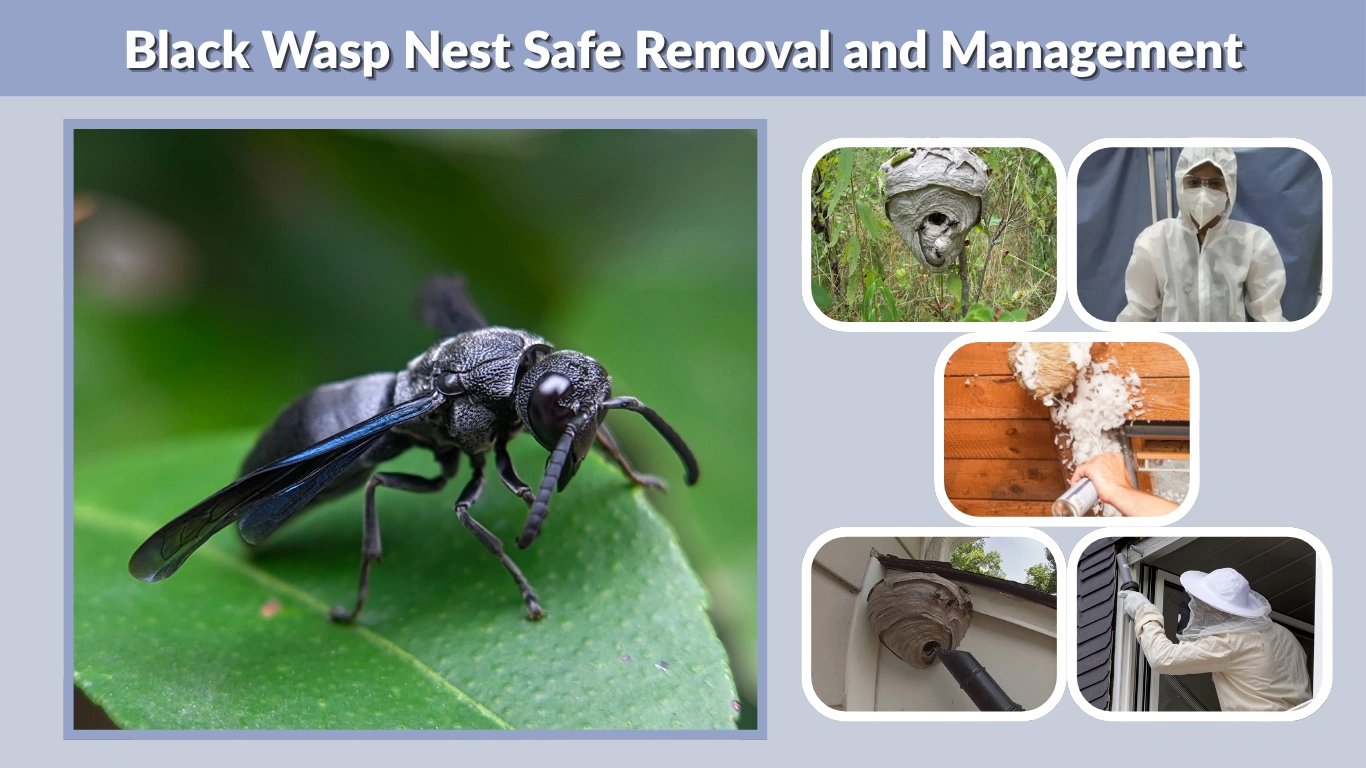
Black wasps are fascinating yet intimidating insects that often build nests in hidden or exposed places around homes and gardens. Their nesting behavior depends on the species, materials available, and environmental conditions. Understanding the different types of black wasp nests, their appearance, and removal techniques helps prevent stings and property damage while maintaining ecological balance.
Understanding Black Wasps and Their Nesting Behavior
Black wasps are solitary or semi-social insects that play vital roles in pollination and pest control. Unlike yellow jackets or hornets, most black wasps are not aggressive unless provoked. The nest structure varies among species—some use mud or clay, while others chew wood fibers to make paper-like cells. Female wasps are primarily responsible for constructing the nest and laying eggs inside individual chambers.
These insects often prefer calm, undisturbed areas such as sheds, attics, trees, and garden soil. Solitary species like the great black wasp dig underground burrows, while paper wasps attach their nests to walls or beams. Recognizing the nesting pattern helps in identifying whether the infestation is active or dormant.
Types of Black Wasp Nests

Different black wasp species create distinctive nests using various materials. Below are the most recognized nest types:
Great Black Wasp Nest
The great black wasp is a ground-nesting species known for its shiny black body and large size. Females dig small burrows in soft soil, often near gardens or lawns. They stock these underground chambers with paralyzed insects, usually grasshoppers or katydids, as food for their larvae. Since the nest is below the surface, spotting one usually requires observing the wasp’s flight path and repeated digging activity.
Black Mud Dauber Nest
Mud dauber wasps create tubular nests made from moist mud. These nests are commonly found on walls, ceilings, or in garages. The female collects mud and molds it into narrow, stacked tubes, sealing them with prey inside. Once the larvae mature, the adult wasps leave small round holes while emerging, leaving behind empty mud shells.
Black Paper Wasp Nest
Paper wasps make open, umbrella-shaped nests using chewed wood fibers mixed with saliva. These nests have visible hexagonal cells and hang from small stalks under roofs, window frames, or eaves. The structure feels papery and brittle to touch. Although their nests look similar to hornets’, paper wasps are usually less aggressive unless disturbed.
Black Mason Wasp Nest
Mason wasps build clay-based nests inside small cavities such as wooden holes, window frames, or cracks in siding. Their nests resemble small lumps of clay with sealed cells. These wasps often reuse old burrows or even hollow stems to create compact mud chambers for their offspring.
Appearance: What Does a Black Wasp Nest Look Like?

A black wasp nest’s appearance depends largely on its builder species. Mud dauber and mason wasp nests look like hardened clay clusters or pipes, while paper wasp nests are smooth and grayish with exposed cells. Ground nests may be harder to identify but typically have small openings surrounded by loose soil.
When comparing species:
- Black and white wasps build nests that resemble pale paper or wood pulp.
- Black and yellow wasps construct layered, papery nests resembling hornet structures.
- Great black wasps build hidden soil tunnels that are nearly invisible from a distance.
Images of these nests often reveal subtle differences in color, texture, and shape, helping homeowners distinguish between harmless and potentially aggressive types.
Common Nesting Locations

Black wasps select nesting sites based on safety and warmth. Common places include:
- In the ground or lawns: Great black wasps and digger wasps often burrow into sandy soil or loose dirt patches.
- On houses or siding: Paper wasps attach nests to sheltered corners, especially under eaves and window frames.
- Inside trees or wood: Mason wasps prefer hollow wood cavities or cracks in tree bark.
- In window frames and attics: Mud daubers often construct nests in quiet, undisturbed indoor areas.
In warm climates like Texas or Illinois, black wasps may also occupy outdoor furniture, fence posts, and porch ceilings. Underground nests are particularly common during late summer when females seek dry soil for egg-laying.
Regional and Species Variations
Several black wasp species differ in nesting habits and appearance depending on their region:
- Great Black Digger Wasps: Found throughout North America, they dig deep tunnels in gardens or near flowerbeds.
- Black Mason Wasps: Common in southern states, building clay cells in cracks or wooden crevices.
- Black Mud Daubers: Widespread across the U.S., easily recognized by their cylindrical mud tubes.
- Black and White Wasps: Often mistaken for hornets, these wasps prefer sheltered wooden surfaces.
In countries like Australia, black flower wasps and digger wasps are known to nest near tree roots or logs. Each regional variation affects how visible the nest appears and how removal should be handled.
Black and White Wasp Nests

Black and white wasps are visually striking due to their bold coloration, often leading people to mistake them for hornets. Their nests are typically constructed from paper-like fibers, resembling smooth, layered structures. These nests are often attached to tree branches, sheds, or sheltered corners of buildings. The outer texture appears grayish-white, and the interior contains multiple hexagonal chambers.
Unlike aggressive species, black and white wasps are generally defensive only when their nests are disturbed. Regular inspection of outdoor structures helps detect early nest formation before it expands.
Dangers and Signs of Infestation
Most black wasps are not aggressive; however, their presence near human activity can still pose risks. Some species, such as the great black wasp, have powerful stings used primarily for paralyzing prey. Signs of infestation include frequent wasp activity around one location, buzzing noises inside walls, and visible mud or paper structures under roofs or decks.
People allergic to insect stings should be especially cautious, as reactions to wasp venom can be severe. Even solitary nests can house multiple emerging wasps during peak summer, increasing the risk of stings near living areas.
Safe Removal and Management
Removing a black wasp nest requires caution, timing, and proper protective measures.
Here’s how to handle it effectively:
- Choose the right time: The best period for removal is late evening or early morning when wasps are inactive.
- Wear protection: Use gloves, long sleeves, and face protection to prevent stings.
- Use insecticidal spray: Apply a wasp-specific spray directly to the nest entrance. Always follow the product’s safety instructions.
- Avoid swatting: Hitting or disturbing the nest can provoke wasps, leading to aggressive defense behavior.
- Professional help: For large or hard-to-reach nests—especially underground or inside walls—hiring a pest control specialist ensures safety and effectiveness.
Eco-friendly removal options include using peppermint oil or vinegar-based sprays, which repel wasps naturally without harming plants or pets.
Preventing Black Wasp Nesting
Prevention is the most effective way to control black wasps around homes and gardens. Keep these preventive tips in mind:
- Seal entry points: Fill cracks, holes, and crevices in wood or siding where wasps might build nests.
- Maintain cleanliness: Remove leftover food, sugary drinks, and trash that attract insects.
- Trim vegetation: Regularly cut tall grass, prune shrubs, and clear debris to reduce potential nesting areas.
- Inspect regularly: Check sheds, attics, window frames, and under eaves for early signs of nest building.
- Use natural deterrents: Scents like citronella, eucalyptus, and peppermint discourage wasp activity.
Early detection makes it easier to remove small nests before colonies expand. Regular maintenance during spring and summer helps minimize wasp populations and nesting attempts.
FAQs
What does a black wasp nest look like?
A black wasp nest can appear as a mud cluster, paper-like structure, or underground burrow depending on the species. Mud daubers create tube-shaped nests, while paper wasps build umbrella-like cells under roofs. Observing material, shape, and location helps accurately identify the type of wasp nest.
Where do great black wasps build their nests?
Great black wasps build nests underground, typically in soft, sandy soil near lawns or gardens. They dig small burrows and fill them with paralyzed insects for their larvae to feed on. Their nesting sites are often discreet but can be identified by small openings surrounded by loose dirt.
Are black wasps dangerous to humans?
Black wasps are generally non-aggressive and sting only when threatened. Their sting can cause pain and swelling, but they rarely attack unprovoked. People allergic to stings should remain cautious and avoid disturbing active nests. In most cases, these wasps are beneficial because they control pest insects naturally.
How can I safely remove a black wasp nest?
To remove a black wasp nest safely, wear protective gear and apply a wasp spray at night when wasps are least active. If the nest is large, underground, or inside walls, contact professional pest control services. Avoid knocking down nests manually, as this can trigger defensive behavior.
Do black wasps return to the same nest each year?
Most black wasps do not reuse old nests. After the breeding season, the adults die off, leaving empty structures behind. However, some species may reuse the same nesting site if conditions remain suitable. Regular inspection and sealing of entry points prevent future nesting in the same area.
