
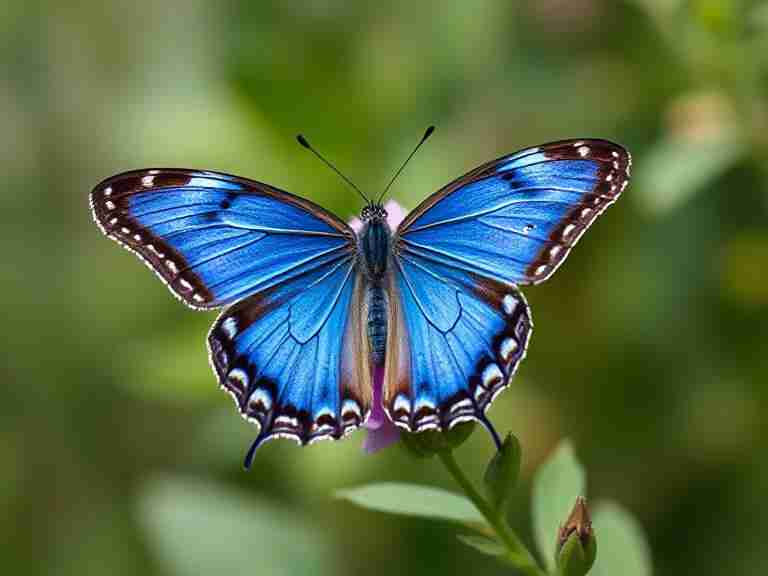
Butterflies have always fascinated me. In my garden, I see a variety of them fluttering around, landing on flowers, and adding color to my space. Among them, Monarch butterflies are some of the most recognizable. But recently, I came across a question that intrigued me—does a Blue Monarch Butterfly exist?
I decided to dig deeper, and here’s what I found.
Do Blue Monarch Butterflies Exist?
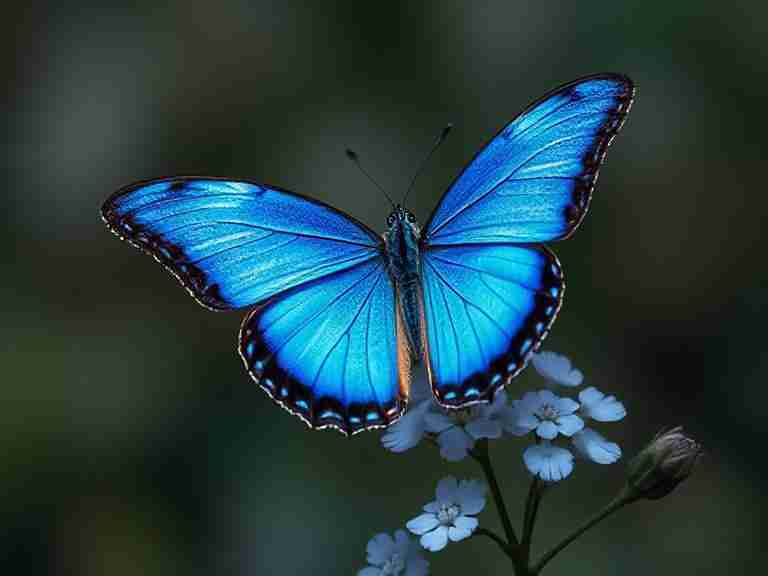
Monarch butterflies (Danaus plexippus) are famous for their striking orange and black wings. However, some people claim to have seen a Blue Monarch. Is it real, or is it just a case of mistaken identity?
From my research and experience in my garden, I can say that there is no scientifically recognized Blue Monarch Butterfly. Monarchs naturally have orange wings with black and white markings. But sometimes, lighting, camera filters, or even rare mutations might make them appear slightly different.
Why Do People Think Blue Monarchs Exist?

There are a few reasons why the idea of a Blue Monarch keeps coming up:
- Photo Edits & Lighting Effects – Sometimes, images online are edited or enhanced, making an orange Monarch appear bluish.
- Genetic Mutations – While rare, genetic variations can cause slight color changes in butterflies.
- Misidentification – Many blue butterflies resemble Monarchs, leading people to believe they’ve spotted a rare species.
I’ve personally mistaken butterflies in my garden before, especially when they’re flying fast or in dim lighting. It’s easy to see why this happens!
Butterflies That Look Like a Blue Monarch

Even though a true Blue Monarch doesn’t exist, there are plenty of beautiful blue butterflies that could be confused for one. Some of them visit my garden, and I love watching them.
1. Blue Tiger Butterfly (Tirumala limniace)
This butterfly has a similar wing pattern to a Monarch but with shades of blue instead of orange. I’ve spotted these before, and their color is stunning.
2. Blue Morpho Butterfly (Morpho menelaus)
One of the most famous blue butterflies, the Blue Morpho, has iridescent blue wings. However, they belong to a different butterfly family and are mostly found in Central and South America.
3. Common Crow Butterfly (Euploea core)
While not bright blue, this butterfly has a dark, almost bluish sheen on its wings. Sometimes, in the right light, it gives off a blue tint.
Whenever I see a blue butterfly in my garden, I take a closer look before assuming it’s something rare.
How Do Butterflies Get Their Colors?

Since I have a garden full of butterflies, I often wonder how their colors form. It turns out, butterfly wing colors come from two things:
- Pigments – These are natural colors, like the orange in Monarch wings.
- Structural Colors – Some butterflies, like the Blue Morpho, don’t actually have blue pigments. Instead, their wings have microscopic scales that reflect blue light, creating an illusion of color.
That’s why some butterflies seem to change color depending on the angle of light.
How to Attract More Blue Butterflies to Your Garden

Even though I won’t find a Blue Monarch, I still love seeing blue butterflies in my garden. Here’s what I do to attract them:
1. Plant Nectar-Rich Flowers
Butterflies love flowers with nectar. I’ve had great success with:
- Butterfly bush
- Lantana
- Milkweed (essential for Monarchs)
- Verbena
2. Provide Host Plants
Different butterflies lay eggs on specific plants. To attract blue butterflies, I include host plants like:
- Passionflower (for Blue Longwings)
- Dutchman’s Pipe (for Blue Swallowtails)
3. Create a Safe Habitat
Butterflies need shelter and warmth. I have flat stones where they can sunbathe and small water dishes for them to drink from.
By making my garden butterfly-friendly, I’ve seen an increase in visitors every year.
Conserving Monarch Butterflies

While searching for Blue Monarchs, I also learned about the struggles of real Monarch butterflies. Their population has been declining due to habitat loss and climate change.
To help, I do my part by:
- Planting more milkweed, which Monarch caterpillars depend on.
- Avoiding pesticides that harm butterflies.
- Creating a safe space for butterflies to lay eggs and grow.
It’s rewarding to see Monarchs return to my garden every year.
Final Thoughts: The Blue Monarch Mystery
So, is there really a Blue Monarch Butterfly? Based on everything I’ve learned, the answer is no—at least not in a scientifically recognized way. But that doesn’t mean we can’t enjoy the stunning blue butterflies that do exist!
I’ll keep watching my garden for any new butterfly visitors. Who knows? Maybe one day, a rare color mutation might appear. Until then, I’m happy to keep learning, observing, and helping butterflies thrive.
