
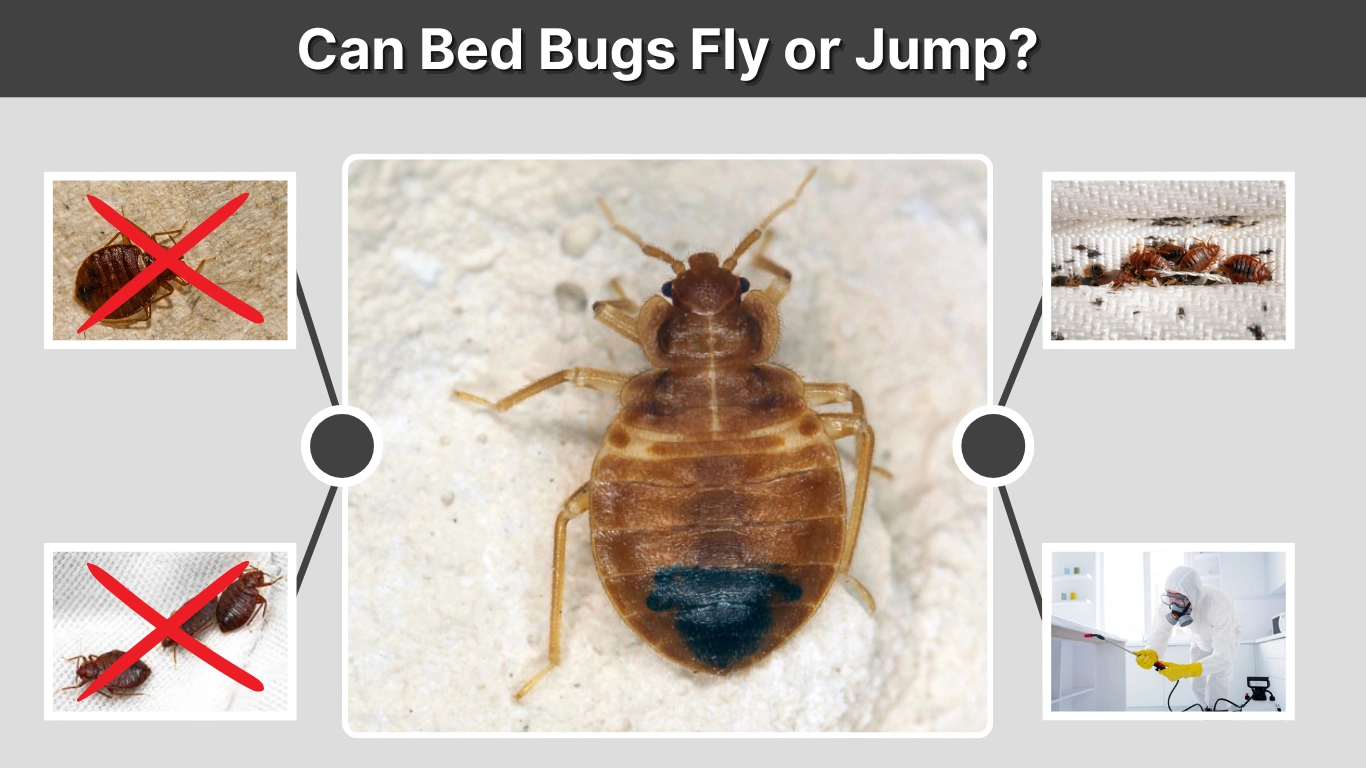
Bed bugs are some of the most frustrating household pests. They hide in mattresses, furniture, and clothing, emerging at night to feed on human blood. Because of their elusive nature, many people wonder: can bed bugs fly, jump, or hop around the house? The short answer is no—but the reasons why are worth exploring. Understanding how bed bugs move helps you identify them correctly, avoid confusion with other insects, and take the right steps to control infestations.
Do Bed Bugs Have Wings?
A major source of confusion is the question of whether bed bugs have wings. The truth is that bed bugs do not have functional wings. Adult bed bugs possess small, vestigial wing pads, which are remnants of wings their ancient relatives once used. These wing pads are not developed enough for flight.
This means that while you may see tiny flattened patches behind their head, bed bugs cannot fly under any circumstances. Unlike flies, mosquitoes, or moths, they lack the muscles and wing structure necessary for powered movement through the air. Their bodies are built for crawling and squeezing into small crevices, not gliding or flying.
Can Bed Bugs Fly?

The direct answer is simple: bed bugs cannot fly at all. Every life stage, from baby nymph to adult, relies solely on crawling.
Still, many homeowners report “seeing bed bugs fly.” In reality, they may be observing a different insect entirely. Carpet beetles, cockroach nymphs, or bat bugs (closely related to bed bugs) can sometimes be mistaken for them. Some of these species do fly, which adds to the confusion.
It’s important to note that bed bugs are masters at hitchhiking. While they cannot take to the air, they can cling to clothing, crawl into luggage, or nest inside used furniture. This allows them to spread quickly between homes, apartments, and hotels—without needing wings.
Can Bed Bugs Jump or Hop?
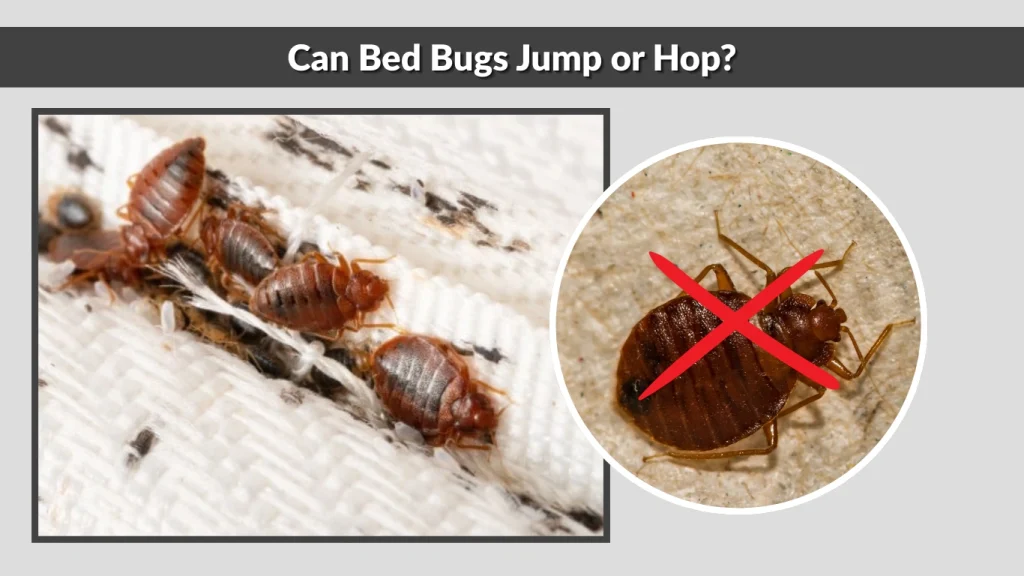
Another common misconception is that bed bugs can jump like fleas. Once again, the answer is no. Bed bugs lack the hind leg adaptations that fleas and grasshoppers use to launch themselves. Instead, they rely on steady crawling to move toward their hosts.
This difference in movement is one way to tell bed bugs apart from other biting insects:
- Fleas: jump long distances thanks to strong hind legs.
- Bed bugs: crawl slowly but purposefully, staying close to hiding spots during the day.
When bed bugs want to reach a host, they wait until night and crawl across bedding, floors, or walls. Their movement is deliberate, not sudden. So if you notice insects leaping, you’re probably dealing with fleas, not bed bugs.
How Fast Do Bed Bugs Move?

A common question tied to flying is: how fast can bed bugs fly? Since they can’t fly, the real measure is their crawling speed.
Bed bugs move at about the speed of an average ant—fast enough to travel across a room but not so quick that they disappear instantly. On smooth surfaces like walls or floors, they crawl steadily toward dark hiding places. Their flattened bodies allow them to squeeze into cracks as thin as a credit card, which helps them spread quietly throughout a home.
This speed means that while they won’t zip through the air, they can cover ground efficiently. Given enough time, an infestation can expand from one room to another without anyone noticing.
What Bugs Look Like Bed Bugs but Can Fly?
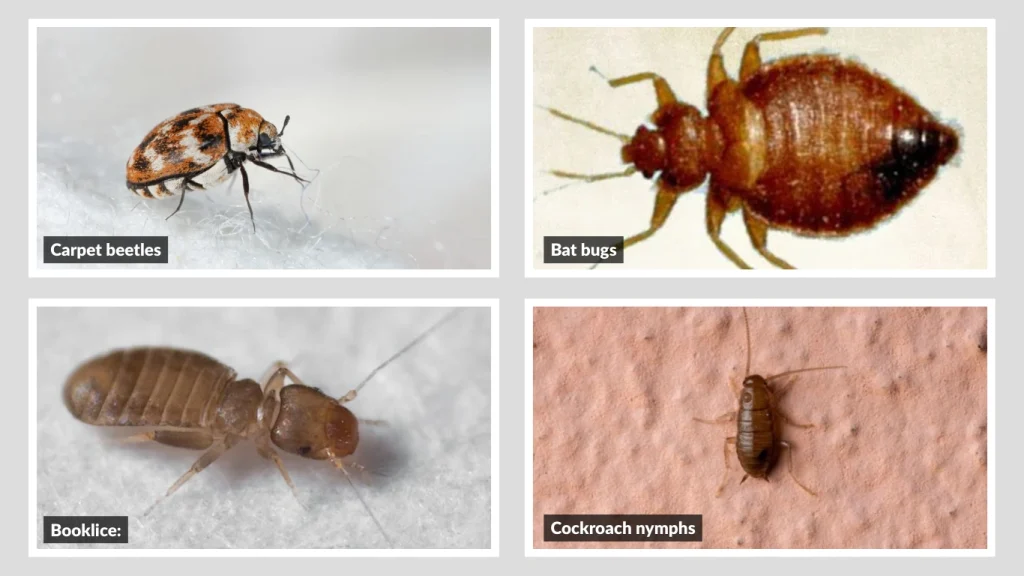
Many of the myths about flying bed bugs actually come from cases of mistaken identity. Several insects resemble bed bugs at first glance, yet they do have wings or can fly.
Common examples include:
- Carpet beetles: Small, rounded insects often found in bedrooms; they can fly and are attracted to fabrics.
- Bat bugs: Nearly identical to bed bugs but associated with bats; may be mistaken when they wander indoors.
- Booklice: Tiny insects that crawl on walls and books; sometimes mistaken for bed bug nymphs.
- Cockroach nymphs: Especially German cockroach nymphs, which are flat and brown. Adults of this species can fly.
Identifying the right pest is critical. If you see an insect that looks like a bed bug but is clearly flying, it is not a bed bug. Misidentification leads to wasted treatments and ongoing infestations.
Can Fly Spray Kill Bed Bugs?

Because people assume bed bugs fly, they often reach for fly sprays. Unfortunately, fly sprays are not effective against bed bugs. These sprays are designed for insects like houseflies, mosquitoes, and gnats, which have different biology and vulnerabilities.
Bed bugs are highly resistant to many common insecticides. Spraying a room with fly killer may temporarily deter other pests but will do little to control a bed bug infestation. Instead, effective treatments include:
- Heat treatment (professional high-heat systems).
- Steam cleaning mattresses, cracks, and furniture.
- Specialized insecticides labeled for bed bugs.
- Professional extermination for large infestations.
Using the wrong spray wastes money, delays proper treatment, and may even drive bed bugs deeper into hiding.
How Bed Bugs Actually Spread (Without Flying)
Even though bed bugs can’t fly or jump, they are still excellent travelers. Their survival depends on staying close to human hosts, and they have developed clever ways to spread from one place to another.
- Crawling: Bed bugs can move from one room to another along walls, ceilings, and floors. In multi-unit housing, they can travel through electrical outlets and wall voids.
- Hitchhiking: Perhaps the most common method. Bed bugs crawl into luggage, backpacks, purses, or clothing, then ride to new locations.
- Furniture and belongings: Used couches, mattresses, or wooden furniture can harbor large numbers of bed bugs, allowing entire infestations to move into a new home in one delivery.
- Public spaces: Though they prefer to hide near sleeping areas, bed bugs can be introduced from buses, theaters, offices, or hotels if they cling to bags or clothing.
This crawling-and-hitchhiking behavior explains why infestations spread so quickly despite bed bugs having no ability to fly.
At-Home Control vs. Professional Help

If you suspect bed bugs, proper action is essential. Because sprays for flying insects don’t work, you’ll need a targeted approach.
At-Home Strategies
- Vacuuming: Regularly vacuum mattresses, carpets, and cracks, then seal and dispose of the vacuum bag.
- Heat and steam: Bed bugs die at sustained high temperatures (above 118°F / 48°C). Use a steamer for mattresses, baseboards, and furniture seams.
- Mattress encasements: Zip-around covers trap bugs inside and prevent new ones from nesting.
- Decluttering: Reduces hiding spots, making inspections and treatments more effective.
Professional Pest Control
While DIY steps help reduce numbers, professional treatment is often necessary for full eradication. Exterminators may use:
- Heat chambers or whole-room heat systems.
- Chemical treatments targeted at cracks and crevices.
- Integrated pest management (IPM) combining multiple methods.
FAQs
Can baby bed bugs fly?
No. Baby bed bugs, known as nymphs, look like tiny versions of adults. They are wingless, crawl slowly, and require blood meals to grow through each stage.
Can bed bug eggs travel on flies?
Bed bug eggs do not stick to other insects like flies. Instead, females glue their eggs onto surfaces such as mattress seams, cracks in furniture, or behind baseboards. They spread by being carried on infested objects, not on flying insects.
Can you see bed bugs fly?
No. If you observe an insect flying, it is not a bed bug. True bed bugs cannot fly at any stage of life. You may be mistaking them for carpet beetles or other flying pests.
Does having wings mean bed bugs can fly?
Not in this case. Bed bugs have tiny vestigial wing pads that are non-functional. They are evolutionary leftovers and serve no role in flight.
Can flying insect spray kill bed bugs?
No. Standard fly sprays are ineffective against bed bugs. They are resistant to many insecticides and require specific treatments, such as professional heat or steam applications.
