
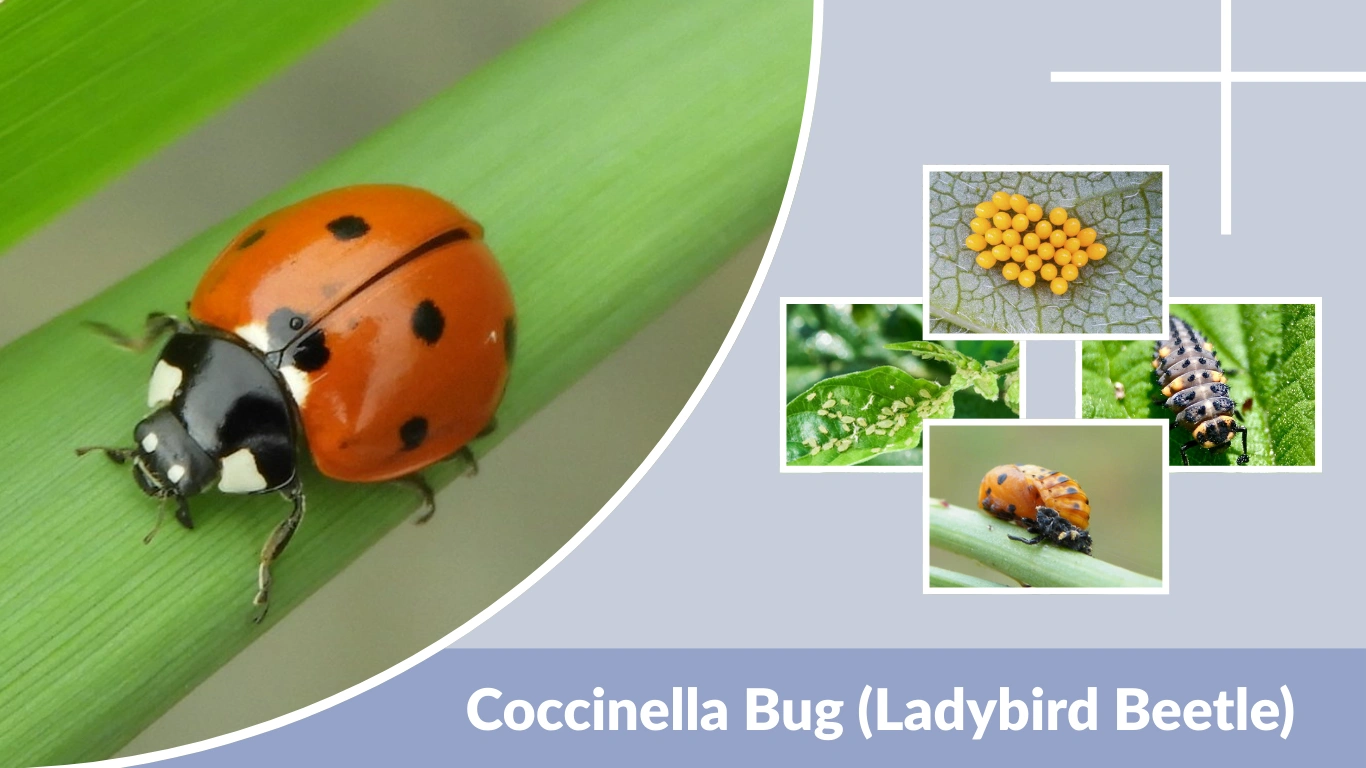
The Coccinella bug, commonly known as a ladybird beetle or ladybug, belongs to a famous genus of small, brightly colored beetles found across much of the world. These insects are admired not only for their attractive red-and-black appearance but also for their important role in controlling harmful garden pests. Farmers, gardeners, and nature lovers recognize Coccinella species as natural protectors of plants. Understanding their identification, physical traits, habitat, and life cycle helps explain why these tiny beetles are so valuable in ecosystems.
Coccinella Bug Identification
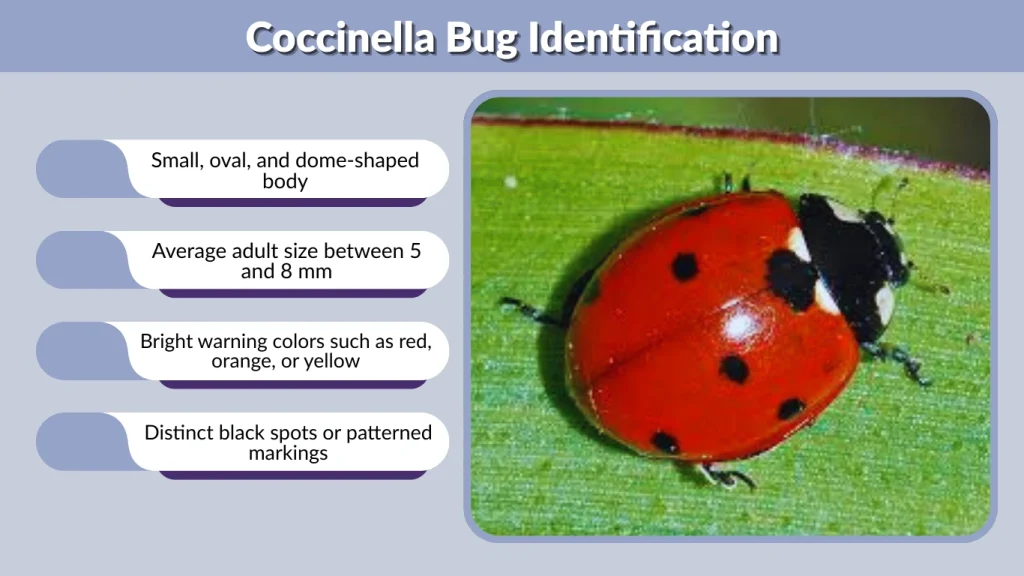
Coccinella bugs have several easy-to-recognize features that separate them from other beetles. Although colors and patterns can vary by species, the general structure remains similar across the genus.
- Small, oval, and dome-shaped body
- Average adult size between 5 and 8 mm
- Bright warning colors such as red, orange, or yellow
- Distinct black spots or patterned markings
- Short head with clubbed antennae
- Hard wing covers (elytra) protecting thin flying wings
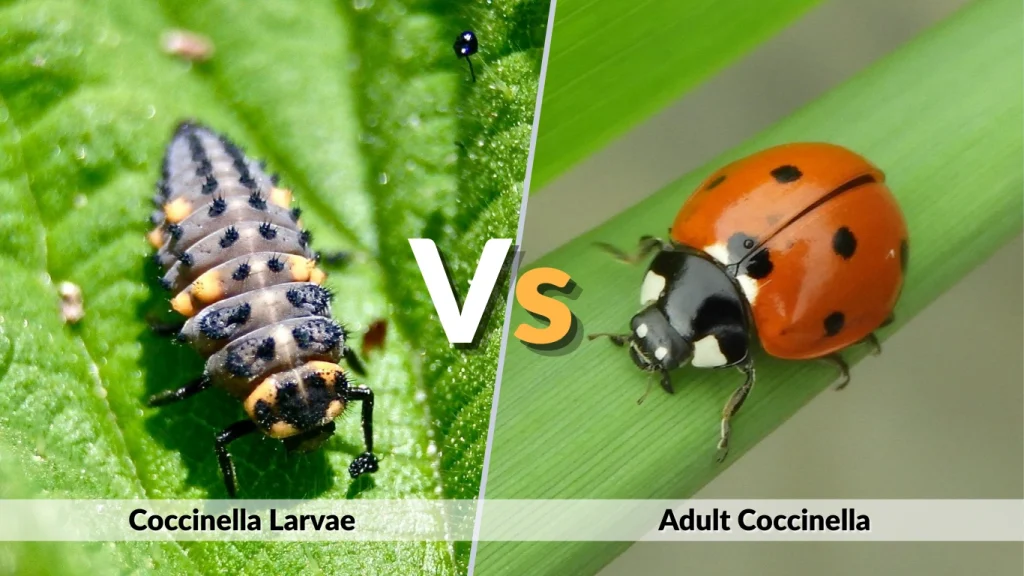
- Larvae look elongated, dark, and spiny, very different from adults
These visible traits help people quickly identify Coccinella bugs in gardens, fields, and natural landscapes.
Scientific Classification and Common Species
Taxonomic Position of Coccinella
The genus Coccinella belongs to the order Coleoptera, which includes all beetles, and the family Coccinellidae, commonly known as ladybird beetles. This family contains thousands of species worldwide, but Coccinella is one of the most recognized genera due to its widespread distribution and beneficial feeding habits. Scientists study this genus extensively because of its ecological value and role in biological pest control.
Well-Known Species of Coccinella
Several species within the Coccinella genus are especially famous. Coccinella septempunctata, the seven-spotted ladybird, is one of the most widespread and well-studied species. Coccinella transversoguttata is known for its distinctive banded spot patterns, while Coccinella californica is common in parts of North America. Each species shows slight differences in coloration, size, and habitat preference.
Physical Characteristics of Coccinella Bugs
Coccinella bugs are built for both protection and mobility. Their rounded, dome-shaped body helps shield delicate internal organs from predators. The hard outer wings, called elytra, act as armor while also covering the thin flying wings underneath. When threatened, these beetles can quickly fly away or cling tightly to plant surfaces.
Bright coloration serves as a warning signal to predators, indicating that the beetle may taste unpleasant. Black spots vary in number and size depending on the species, but they often play a role in species recognition. Coccinella bugs have short legs adapted for crawling on leaves and stems, and their antennae help them sense food sources and environmental changes. Males and females look similar, though females are often slightly larger.
Natural Habitat and Global Distribution
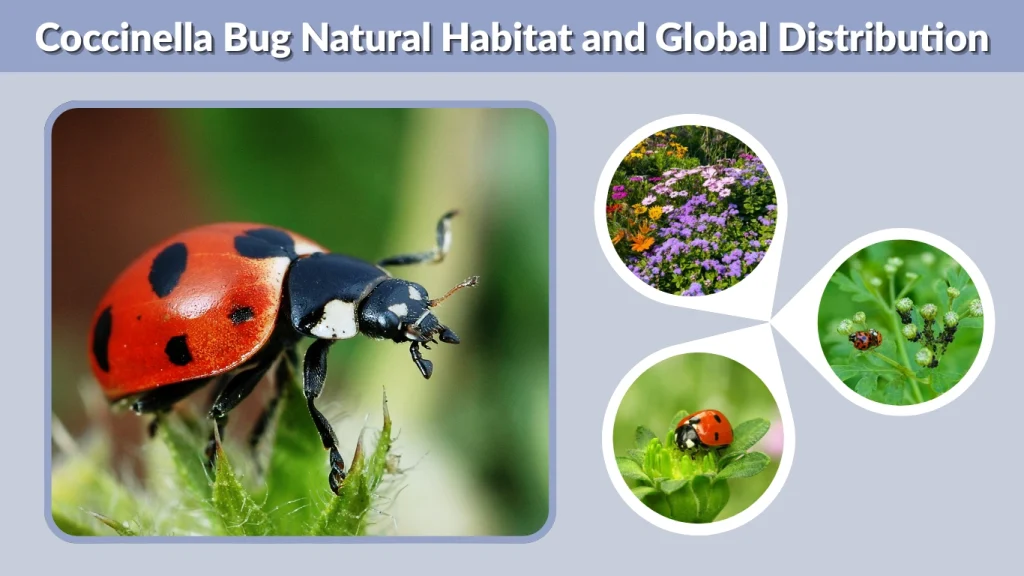
Coccinella bugs are found on nearly every continent except Antarctica. They thrive in environments where plant-feeding insects are abundant. Common habitats include gardens, farms, grasslands, forests, and meadows. They are especially attracted to crops and flowering plants where aphids and mites gather.
These beetles adapt well to both rural and urban areas. During warm months, they are active on vegetation, searching for prey. In colder seasons, Coccinella bugs seek shelter under tree bark, leaf litter, rocks, and sometimes inside buildings. This overwintering behavior allows them to survive harsh conditions until temperatures rise again.
Life Cycle of a Coccinella Bug
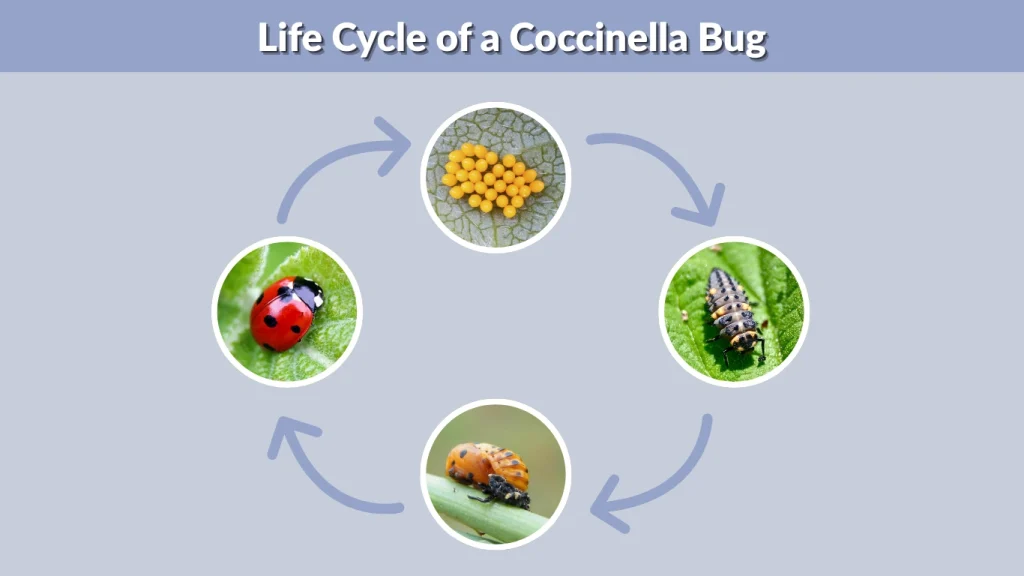
Coccinella bugs undergo complete metamorphosis, meaning they pass through four distinct life stages. Each stage looks different and serves a specific biological function.
- Egg stage – Females lay clusters of tiny yellow or orange eggs on the underside of leaves, usually near aphid colonies to provide immediate food for larvae.
- Larval stage – The larvae emerge dark, elongated, and spiny. They are highly active and consume large numbers of aphids and other soft-bodied insects.
- Pupal stage – After several molts, the larva attaches itself to a surface and forms a pupa, inside which its body transforms into the adult form.
- Adult stage – The adult emerges soft and pale at first, then darkens and hardens within hours. Adults feed, mate, and continue the life cycle.
- Life span – Depending on species and climate, a Coccinella bug may live several months to over a year.
Diet and Feeding Behavior
What Do Coccinella Bugs Eat?
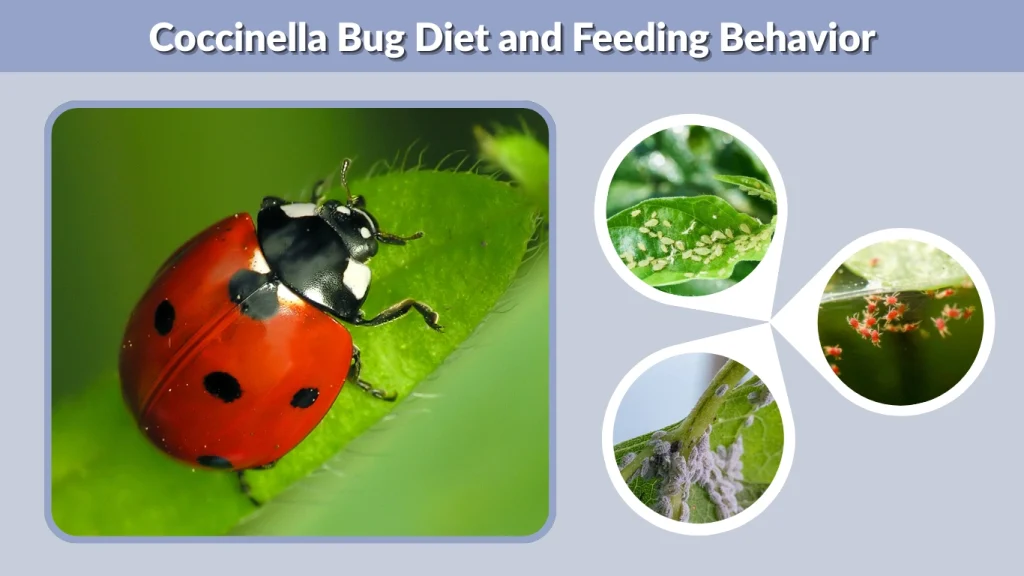
Coccinella bugs are primarily carnivorous insects that feed on soft-bodied plant pests. Their favorite prey includes aphids, mites, scale insects, whiteflies, and small caterpillars. Both larvae and adults are active hunters, crawling over leaves and stems in search of clustered insects. When prey is scarce, some species may also consume pollen, nectar, or fungal spores to survive.
Role as Natural Pest Controllers
Because of their strong appetite for aphids and crop-damaging insects, Coccinella bugs are widely considered natural biological control agents. A single beetle can eat dozens of aphids per day, while a growing larva may consume hundreds before reaching adulthood. This feeding behavior reduces pest populations naturally, helping farmers and gardeners protect plants without relying heavily on chemical pesticides.
Behavior and Survival Strategies
Coccinella bugs are active mainly during daylight hours, spending much of their time crawling across vegetation or flying between plants. When threatened, they use a defense method known as reflex bleeding, releasing a yellow, foul-smelling fluid from their leg joints. This chemical deters birds, ants, and small predators.
During colder months, many Coccinella species gather in large groups to overwinter in sheltered places such as under bark, inside rock crevices, or within buildings. Their bright colors warn predators that they may be toxic or unpalatable, increasing their chances of survival. Flight allows them to escape danger quickly and relocate when food sources decline.
Ecological Importance and Benefits
Coccinella bugs play a major role in maintaining healthy ecosystems and supporting sustainable agriculture.
- Natural biological control of plant pests
- Reduced dependence on chemical insecticides
- Protection of crops, gardens, and ornamental plants
- Important prey for birds, frogs, and other insects
- Educational value and symbol of environmental balance
By keeping herbivorous insect populations under control, they indirectly support plant growth, biodiversity, and soil health.
Larva vs Adult: Key Differences
Coccinella Larvae Characteristics
Larvae look nothing like adults. They are elongated, dark gray or black with orange markings, and often covered with small spines. Larvae are extremely active feeders and move rapidly across plants. This stage is the most aggressive in terms of pest consumption and is vital for population control.
Adult Coccinella Characteristics
Adult Coccinella bugs develop the familiar rounded shape and bright coloration. Adults can fly, reproduce, and disperse to new habitats. While they continue to eat pests, they also focus on mating and egg-laying, ensuring the continuation of the species across multiple generations.
Threats and Conservation Awareness
Despite their benefits, Coccinella bugs face several environmental threats. Heavy pesticide use can kill both pests and beneficial insects. Habitat loss, climate change, and competition from invasive ladybird species also affect native populations. Creating insect-friendly gardens, planting diverse vegetation, and reducing chemical treatments help support healthy Coccinella populations and preserve their ecological role.
FAQs
What is a Coccinella bug?
A Coccinella bug is a beetle from the genus Coccinella, commonly called a ladybug or ladybird beetle. These insects are known for their bright colors and spotted wings. They are beneficial predators that mainly feed on aphids and other small insects harmful to plants.
Are Coccinella bugs beneficial or harmful?
Coccinella bugs are highly beneficial. They help control populations of aphids, mites, and other agricultural pests. By reducing the need for chemical pesticides, they protect crops, gardens, and natural ecosystems while supporting balanced food chains and healthier plant growth.
Where do Coccinella bugs usually live?
Coccinella bugs live in gardens, forests, grasslands, farmlands, and urban green spaces. They prefer areas with plenty of plants and insect prey. During winter, they hide under bark, stones, leaf litter, or inside buildings to survive cold conditions.
What do Coccinella bugs eat?
Their main diet consists of aphids, scale insects, mites, and whiteflies. Both larvae and adults are active predators. When insects are scarce, some species may also feed on pollen, nectar, or fungal growth to maintain their energy.
How long does a Coccinella bug live?
The lifespan of a Coccinella bug varies by species and climate. Many live several months, while some can survive over a year, especially if they successfully overwinter. Their life cycle includes egg, larva, pupa, and adult stages.
