
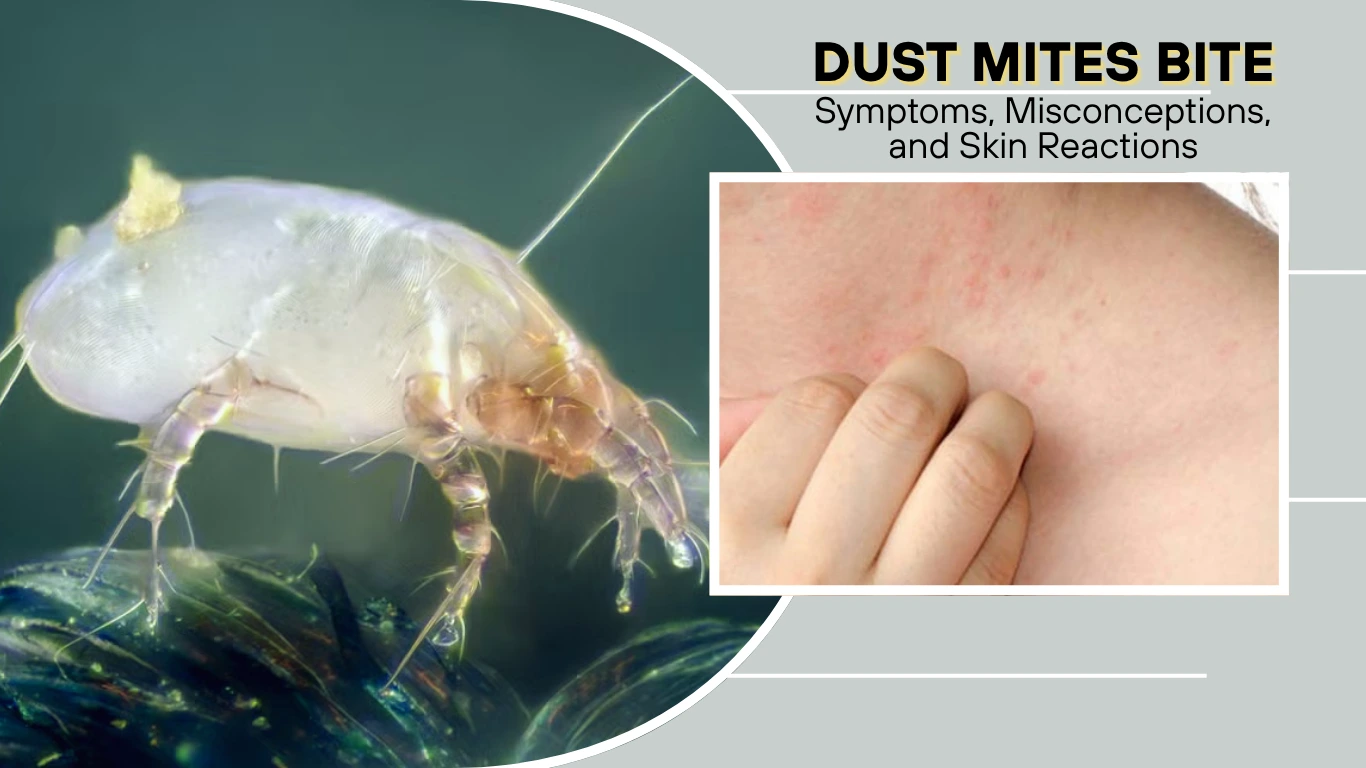
If you’ve ever woken up with itchy red bumps and assumed something bit you during the night, you’re not alone. Many people jump to the conclusion: “It must be dust mites.” But here’s the truth—dust mites don’t bite. These microscopic creatures are one of the most common household allergens, and while they can trigger skin reactions and irritation, their effect is very different from actual bites.
This article dives deep into what dust mites really are, what causes the itching and redness many people associate with “dust mite bites,” and how to tell the difference between allergic reactions and insect bites.
Do Dust Mites Bite Humans or Pets?

Can Dust Mites Bite You?
No—dust mites cannot bite humans. They don’t have jaws or mouths designed for biting. Unlike fleas, mosquitoes, or bed bugs, dust mites feed on flakes of dead human skin and pet dander. Their entire existence depends on warmth, moisture, and access to organic debris—not blood.
Do Dust Mites Bite in Bed?
Although the bed is one of the dust mites’ favorite habitats, you won’t get bitten. What you might experience instead is itching, sneezing, or rashes due to an allergic reaction caused by their waste and shed body parts.
Do Dust Mites Bite Dogs or Cats?
Dust mites don’t bite pets either. However, just like in humans, their allergens can trigger reactions in sensitive dogs and cats—leading to excessive scratching, skin inflammation, and hair loss.
If They Don’t Bite, Why Am I Itching?
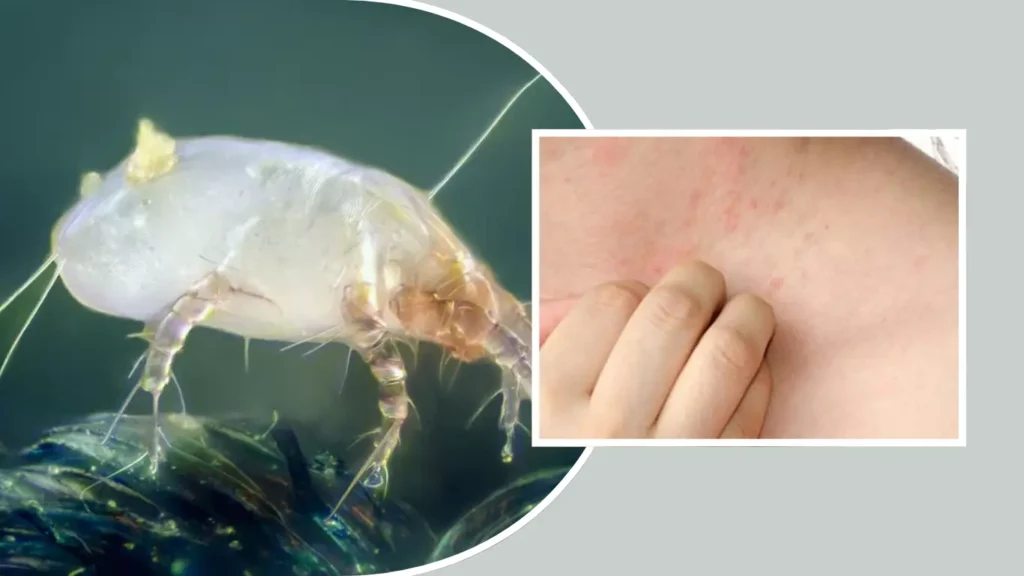
Dust Mite Allergy vs. Bug Bites
The itching people attribute to “bites” is usually an allergic reaction to dust mite proteins found in their feces or exoskeletons. These proteins can cause the skin to break out in rashes or eczema-like flare-ups, often mistaken for insect bites.
Do Dust Mites Make You Itch?
Yes, but not through biting. Itching occurs due to your immune system reacting to allergens in dust mite waste. In sensitive individuals, even minor exposure can result in intense itching and discomfort.
What Does a Dust Mite Rash Look Like?

A dust mite–related rash typically presents as:
- Small red or pink bumps
- Raised, itchy patches
- Mild swelling or hives
- Irritation that worsens at night or after waking up
These rashes are commonly seen on the face, neck, arms, and upper chest—places in direct contact with bedding. They don’t have a central puncture point like a mosquito or flea bite and often spread across the skin in clusters.
Dust Mite Bite Pictures: A Misleading Search
Many images labeled as “dust mite bites” online are misleading. What they often show is allergic dermatitis, eczema, or even bed bug bites. Dust mites cannot pierce your skin—they irritate it indirectly through allergens.
Can You Get Bit by Dust Mites? Clearing Up the Confusion

People often confuse dust mites with bed bugs or fleas. The biggest difference?
- Dust mites = allergic reactions, invisible to the eye
- Bed bugs/fleas = actual bites, visible to the eye
If you see distinct bite marks in a row or cluster, it’s more likely another insect is to blame. If there are no visible bugs but you have general itchiness or skin irritation, dust mites could be the culprit.
How to Treat Dust Mite–Related Skin Reactions
While you’re not dealing with bites, dust mite exposure can still make your skin flare up. Here’s how to relieve symptoms:
Topical Treatments
- Hydrocortisone creams reduce inflammation and itchiness
- Calamine lotion helps soothe irritated areas
- Antihistamine ointments can calm allergic rashes
Oral Medications
- Non-drowsy antihistamines like cetirizine or loratadine can block the allergic reaction
- Severe cases may require prescription corticosteroids
Natural Remedies
- Oatmeal baths
- Aloe vera gel
- Cold compresses for swollen, itchy skin
When to See a Doctor
If your rash is spreading, worsening, or not responding to over-the-counter treatments, consult a dermatologist or allergist. They can run tests to confirm whether you have a dust mite allergy and guide you toward long-term solutions.
How Dust Mites Affect Health Beyond the Skin
The impact of dust mites isn’t limited to skin irritation. Their allergens can lead to:
Respiratory Issues
- Chronic sneezing and nasal congestion
- Wheezing or shortness of breath
- Worsening of asthma symptoms, especially at night
Eye Irritation
- Red, watery, itchy eyes
- Sensitivity to light or puffiness
Fatigue and Poor Sleep
Constant exposure to allergens can disturb sleep, leading to morning fatigue, irritability, and difficulty concentrating during the day.
Where Do Dust Mites Live and How Do You Know If You Have Them?
Common Dust Mite Hotspots
- Mattresses and pillows
- Carpeted floors and rugs
- Upholstered furniture
- Curtains and stuffed animals
Signs of Dust Mites
- Unexplained allergy symptoms
- Skin irritation after sleeping
- Poor air quality in rooms with heavy fabric surfaces
Dust Mite Testing
You can purchase at-home dust mite test kits that detect allergen levels in dust samples. While not always 100% accurate, they’re helpful for allergy-prone households.
Prevention and Control: Stop the Itch at the Source
Getting rid of dust mites completely is nearly impossible, but you can dramatically reduce their numbers:
Control Humidity
Keep indoor humidity below 50%. Use dehumidifiers and exhaust fans in bathrooms and kitchens.
Wash Bedding Weekly
Use hot water (at least 130°F / 54°C) to wash pillowcases, sheets, and blankets.
Use Dust Mite–Proof Covers
Allergen-proof covers for mattresses and pillows act as a barrier to dust mites and reduce contact with allergens.
Vacuum with HEPA Filters
Standard vacuums may stir up allergens. HEPA-filter vacuums trap microscopic particles and clean more effectively.
Invest in an Air Purifier
A HEPA air purifier helps remove allergens from the air, especially in bedrooms or rooms with poor ventilation.
FAQs
Do dust mites bite you while you sleep?
No. Dust mites don’t bite at all. If you’re itchy in bed, it’s likely due to an allergic reaction to dust mite allergens—not bites.
What do dust mite rashes look like?
They often appear as red, itchy patches, bumps, or hives—commonly mistaken for bug bites. Unlike flea or mosquito bites, they don’t have a puncture mark.
Can dust mites bite dogs or cats?
No, but pets can be allergic to dust mites, leading to itching, skin infections, or ear issues. A vet can help manage the symptoms.
How can I treat skin irritation from dust mites?
Use antihistamines, soothing creams, and cold compresses. Most importantly, reduce exposure to allergens through regular cleaning and dust mite–proof bedding.
Are dust mites dangerous?
They’re not harmful in the way biting bugs are, but they can trigger serious allergic reactions and worsen asthma or eczema if not managed properly.
Final Thoughts
Dust mites are a hidden nuisance in many homes, but they don’t bite. What they do cause—itching, rashes, sneezing, and allergy flare-ups—can easily disrupt your comfort and health. Understanding the difference between real insect bites and allergic skin reactions is key to managing symptoms effectively. With the right cleaning habits, protective products, and treatments, you can reduce dust mite exposure and feel better every day.
