

Earwigs are common nighttime garden visitors, and while they help control some pests, they can also eat tender plant growth when populations rise. Many gardeners panic when they see chewed leaves and scattered droppings, unsure whether earwigs or another pest is responsible. Understanding their habits, recognizing the symptoms, and knowing how to manage them naturally can help protect your plants without harming the environment. This guide explains everything gardeners need to know about earwigs and plant damage.
What Are Earwigs?

Earwigs are nocturnal insects that hide in dark, moist areas during the day and emerge at night. They feed on a mix of decaying matter, smaller insects, and occasionally soft plant tissues. Although their pincers look intimidating, they are primarily used for defense and mating. In balanced numbers, earwigs contribute to the ecosystem by consuming aphids, mites, and decomposing organic material. Problems begin when their population increases, pushing them to feed on live plants.
Why Earwigs Show Up in Gardens
- Moist soil
- Overused mulches
- Dense foliage touching the ground
- Nighttime humidity
- Decaying leaves or compost piles nearby
Do Earwigs Eat Plants?
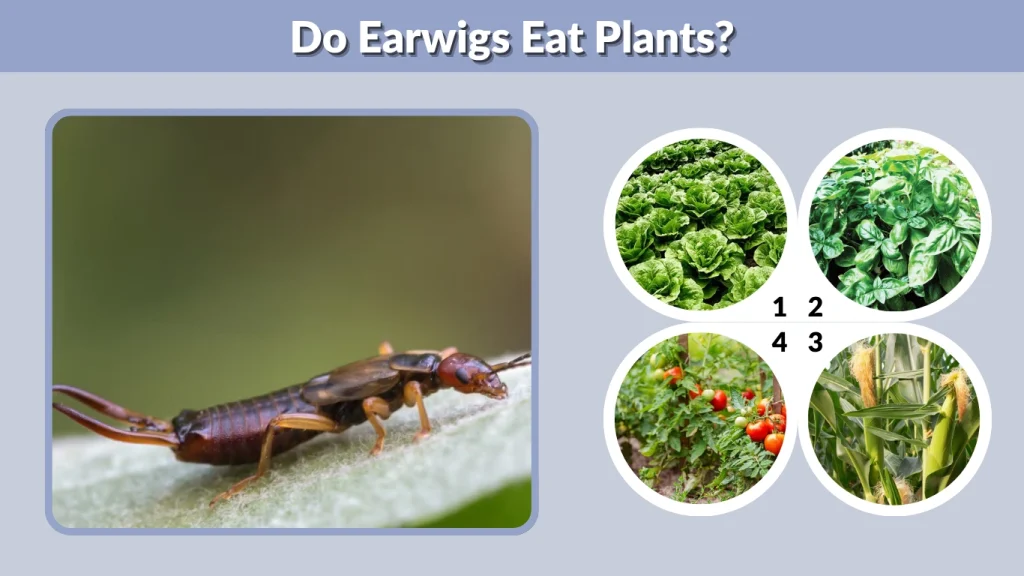
Earwigs are omnivores, which means they consume both plant and insect-based foods. While they prefer dead or decaying material, they readily eat live plants if food is scarce or their numbers are high. They usually target soft vegetation, seedlings, and new growth, which is why gardeners often notice damage in spring or after heavy rain. Although earwigs rarely kill mature plants, they can severely harm young seedlings or delicate vegetables.
What Plants Do Earwigs Commonly Eat?
- Lettuce and leafy greens
- Basil and soft herbs
- Tomato seedlings
- Corn silks
- Vegetable plant foliage
- Petunia, marigold, and dahlia flowers
Do Earwigs Eat Leaves, Roots, or Stems?
Earwigs typically chew irregular holes in leaves and flowers. They rarely disturb roots, though they may hide in soil or mulch. Stems are less commonly affected unless the plant is already weakened.
Identifying Earwig Damage on Plants

Earwig feeding damage can be mistaken for slugs, snails, or caterpillars. Because they feed at night, the destruction often appears suddenly. The edges of leaves become jagged, flowers show random holes, and tender seedlings may appear shredded. Unlike slugs, earwigs do not leave a slime trail, making the absence of slime an important diagnostic clue.
What Earwig Damage Looks Like
- Ragged leaf edges
- Irregular holes in tender foliage
- Damaged flower petals
- Shredded seedlings
- Night-only feeding patterns
Earwig Damage vs Slug Damage (Comparison Table)
| Feature | Earwig Damage | Slug Damage |
| Slime Trail | None | Present |
| Feeding Time | Night | Mostly night |
| Holes | Irregular, scattered | Large, smooth |
| Plants Affected | Seedlings, flowers | Leaves, seedlings |
| Presence | Hides in soil | Seen after rain |
Are Earwigs Bad or Good for Plants?
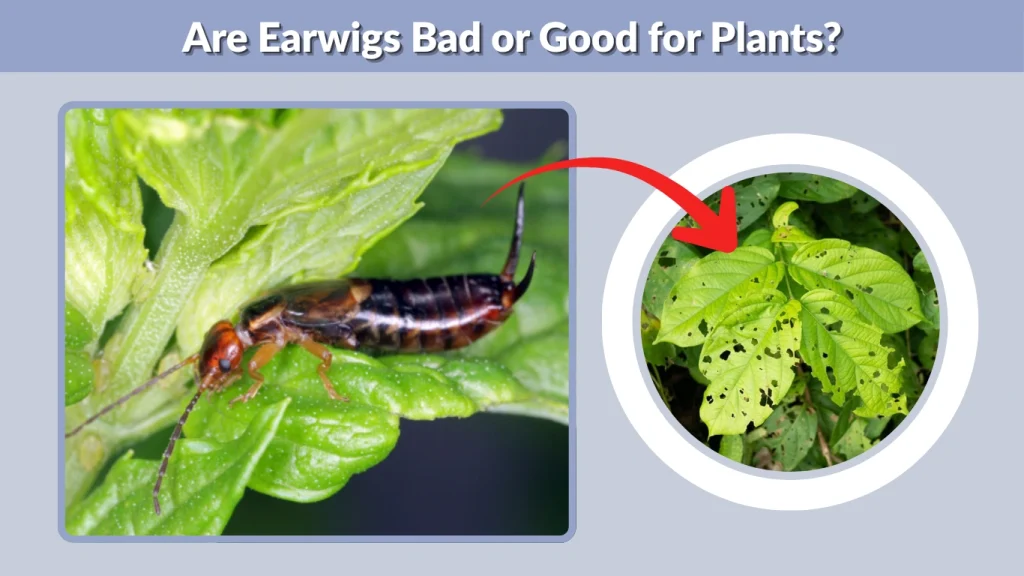
Earwigs play a dual role in the garden. In small populations, they benefit plants by consuming soft-bodied pests such as aphids, mites, and small larvae. However, when conditions encourage them to multiply, they switch to eating living plant tissue. This shift can harm vegetables, flowers, and young seedlings, especially in early growing seasons.
Can Earwigs Harm or Kill Plants?
Earwigs rarely kill mature plants, but they can destroy seedlings, damage young herbs, and stress vegetable crops. Heavy feeding can stunt growth, reduce harvest quality, and leave plants vulnerable to secondary pests.
Why Earwigs Are Attracted to Plants
Earwigs prefer damp, shaded, and protected environments. Overwatering, thick mulches, and crowded plant beds create ideal hiding spots. When these conditions combine with abundant nighttime moisture, earwigs become active feeders. Gardens rich in decaying organic matter also attract them because it offers food and shelter. Managing moisture and airflow is one of the most effective ways to reduce their presence around your plants.
How to Stop Earwigs Eating Plants
Simple adjustments can dramatically reduce earwig feeding. Start by cleaning up debris around plant bases and thinning overcrowded vegetation. Avoid excessive mulching, which often traps moisture and provides hiding places. Elevating pots and ensuring proper drainage also discourage earwig activity. Monitoring nighttime feeding patterns can help confirm whether the insects are the true cause of damage.
Quick Prevention Checklist
- Reduce moisture around plant bases
- Pull mulch away from stems
- Water in the morning, not evening
- Keep leaves from touching soil
- Remove decaying leaves and debris
How to Get Rid of Earwigs in Plants
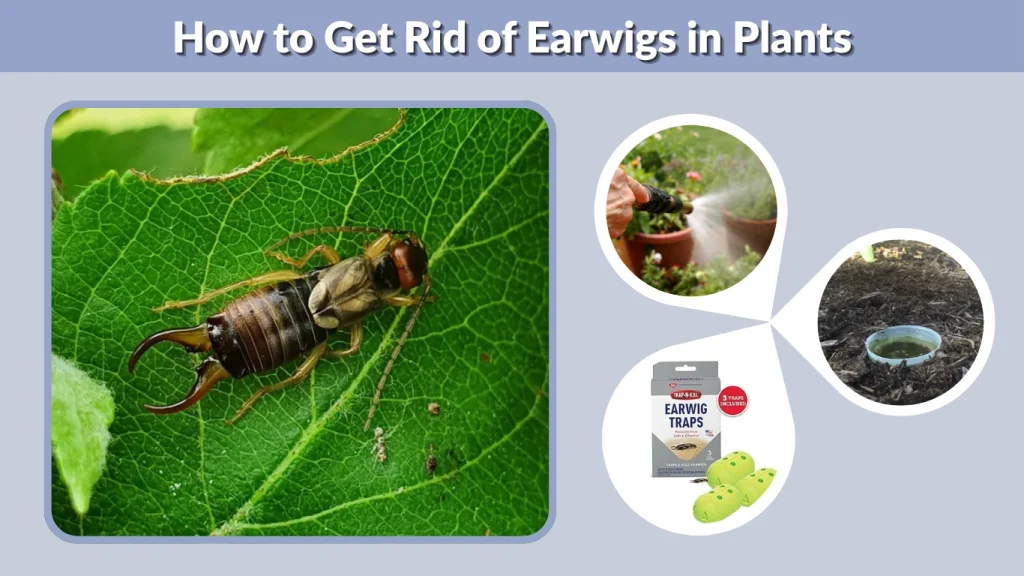
Removing earwigs begins with eliminating hiding spots. Lift plant containers, check under trays, and shake out decorative pots. Gardeners can also use simple traps such as rolled newspaper or cardboard tubes placed near affected plants. At night, these materials attract earwigs seeking shelter. In the morning, you can remove and discard the trapped insects far from the garden.
How to Get Rid of Earwigs in Potted Plants
Earwigs often hide in drainage holes, saucers, and moist soil. Let the top two inches of soil dry between waterings, elevate pots for airflow, and avoid leaving water in saucers. Adding a thin layer of diatomaceous earth on top of the soil provides a physical barrier that discourages crawling insects.
How to Get Rid of Earwigs in House Plants
Indoor plants attract earwigs when they are brought in from outside or when soil stays too damp. Inspect the bottom of pots, replace overly moist soil, and check for cracks or gaps where insects can hide. Keeping indoor areas dry and ventilated helps prevent re-infestation.
Earwig Sprays and Treatments for Plants
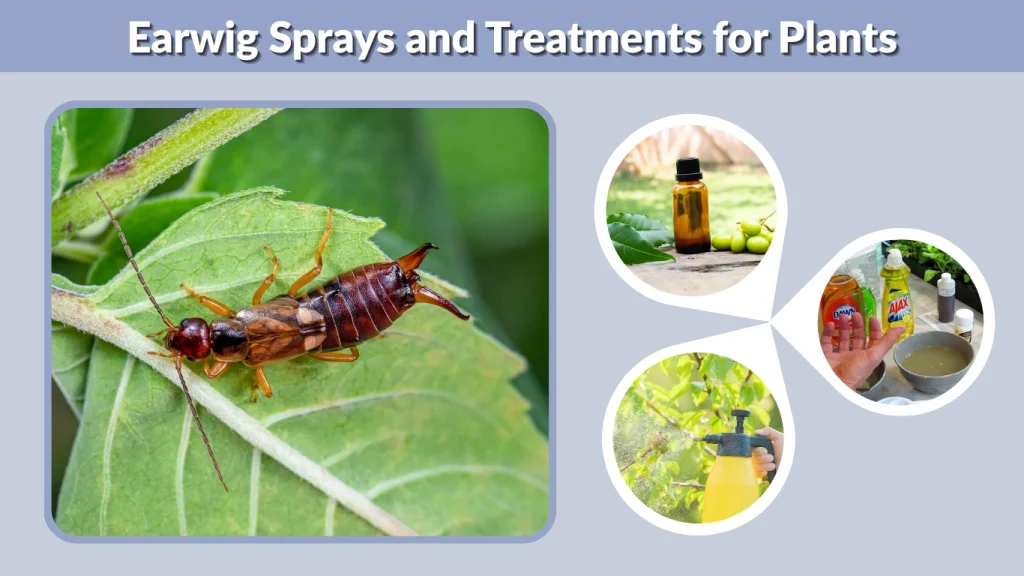
Sprays can offer effective protection when used correctly. Natural solutions, including neem oil and insecticidal soaps, disrupt earwig feeding without damaging plants. Diatomaceous earth sprinkled around the base of plants creates a sharp, dehydrating barrier. Chemical pesticides should be reserved for severe infestations and applied only according to safety guidelines, especially around edible crops.
Earwig Spray Options
- Neem oil
- Soapy water spray
- Rubbing alcohol dilution (for ornamentals only)
- Food-grade diatomaceous earth
- Pyrethrin-based sprays (last resort)
Plants That Repel Earwigs
Some aromatic plants naturally deter earwigs. Strategic planting helps protect vulnerable herbs and vegetables. Interplanting strong-scented varieties in garden beds or around susceptible plants can create a protective buffer. These plants interfere with earwig navigation and disrupt their feeding patterns, making them less likely to linger near your garden.
Common Earwig-Repellent Plants
- Lavender
- Rosemary
- Mint
- Thyme
- Artemisia
- Garlic and chives
FAQs
What does earwig damage look like on plants?
Earwig damage usually appears as irregular holes in leaves, ragged edges, and chewed flower petals. Seedlings may look shredded, especially after humid nights. Because earwigs feed in darkness, the damage often seems to appear suddenly by morning. The absence of slime trails helps distinguish earwig damage from slugs or snails, making nighttime inspection useful.
How do I keep earwigs off plants naturally?
Reduce moisture, clear debris, and avoid heavy mulching. Add diatomaceous earth around the base of plants, use rolled newspaper traps, and encourage airflow around plant stems. Planting natural repellents such as lavender or mint also helps. Watering in the morning prevents evening humidity, making your garden less appealing to earwigs at night.
Do earwigs kill plants?
Earwigs rarely kill mature plants, but they can severely damage or destroy young seedlings. They may chew tender leaves, flowers, and new growth, which can weaken plants. Though they seldom kill established crops, heavy feeding can stunt development, reduce yields, and create secondary issues by exposing plants to disease or additional pests.
How do I get rid of earwigs in potted plants?
Dry the top layer of soil, elevate pots for airflow, and check drainage holes for hiding insects. Remove saucers holding water and replace overly wet soil. Adding diatomaceous earth or using simple nighttime traps can help capture earwigs. Regular inspection is key, especially during warm, humid seasons when they reproduce more quickly.
What plants do earwigs avoid?
Earwigs dislike strong-scented herbs such as lavender, mint, rosemary, and thyme. Plants with bitter or aromatic foliage act as natural deterrents, making them effective around vegetable beds. Gardeners often plant these herbs along borders or between vulnerable crops to discourage earwigs from settling nearby, reducing the likelihood of plant damage.
