
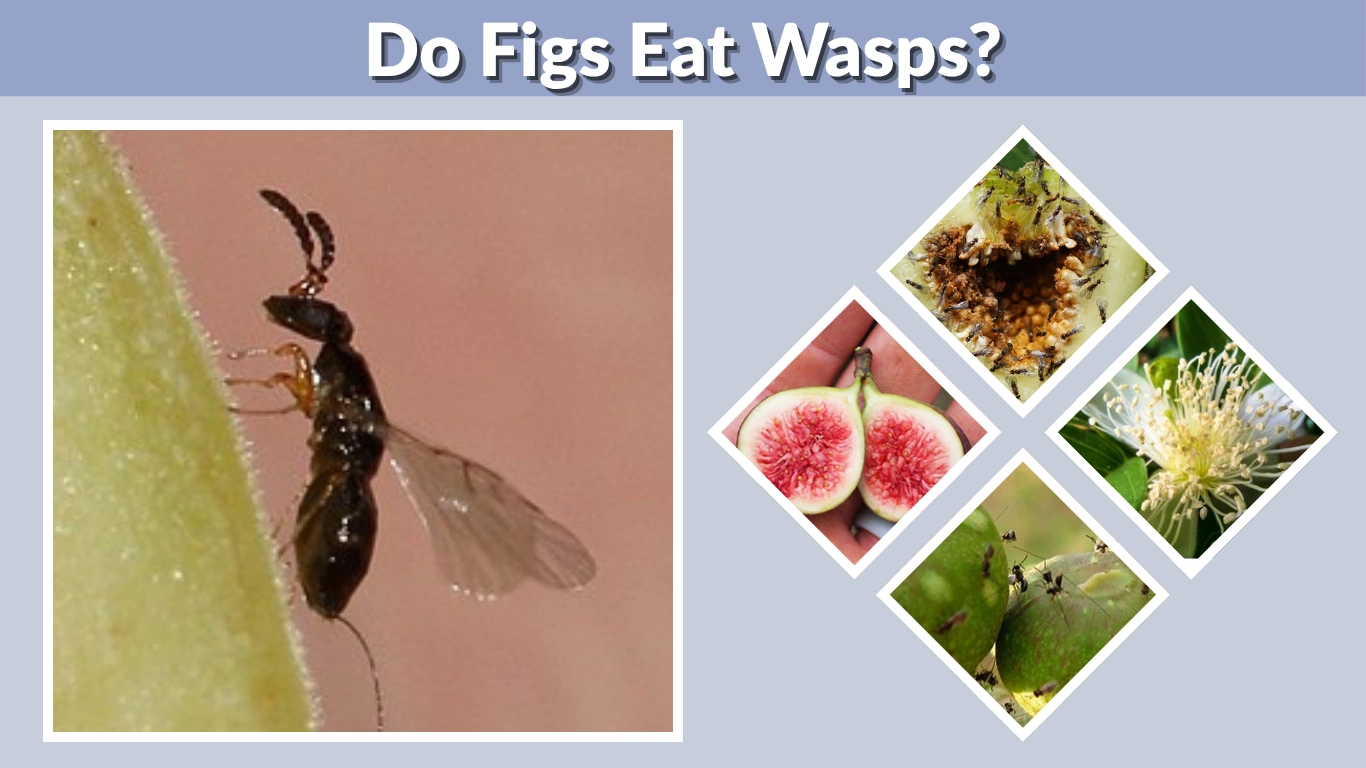
The idea that figs “eat” wasps or that we unknowingly consume insects when eating figs has intrigued and unsettled many people. It’s a myth rooted in truth, but the real story is much more fascinating — and far less gross. The relationship between figs and fig wasps is one of nature’s most intricate examples of cooperation, not carnivory.
Understanding the Fig–Wasp Relationship
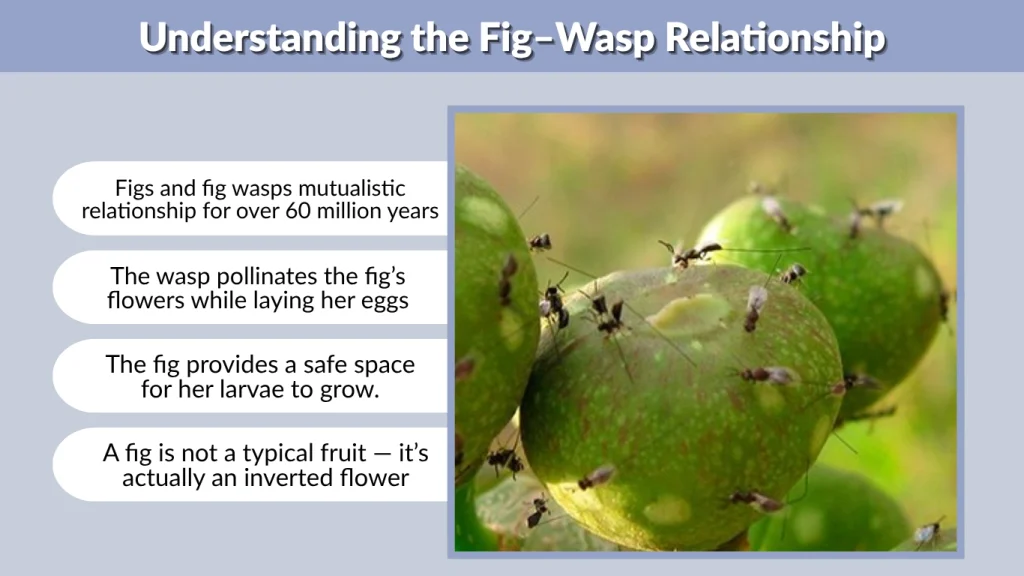
A Natural Partnership
Figs and fig wasps have shared a close, mutualistic relationship for over 60 million years. This means both species depend on one another to reproduce and survive. The wasp pollinates the fig’s flowers while laying her eggs, and in return, the fig provides a safe space for her larvae to grow.
How It Works
A fig is not a typical fruit — it’s actually an inverted flower known as a syconium. Inside the fig are hundreds of tiny flowers turned inward, protected by a thick outer layer. At the base of the fruit is a small opening called the ostiole, just wide enough for a female fig wasp to crawl through.
When she finds a fig that’s ready, the wasp squeezes her way inside, often losing her wings in the process. Once in, she begins pollinating the flowers while laying her eggs in some of them. After completing her task, she dies inside the fig — a natural end to her short but meaningful life.
Do Figs Actually Eat Wasps?
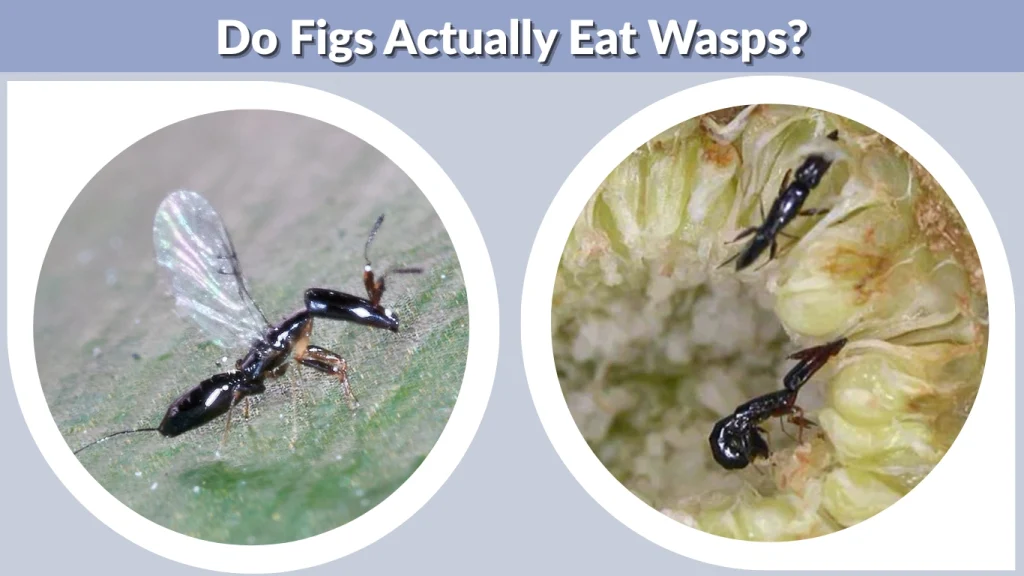
The Myth Explained
Figs do not eat wasps. The fig tree doesn’t feed on the wasp or digest her like an animal would its prey. Instead, a remarkable process takes place. As the fig ripens, an enzyme called ficin breaks down the wasp’s body completely. The wasp becomes part of the fruit, turning into simple plant nutrients that the fig uses to grow.
The Scientific Reality
This process isn’t the fig “eating” the wasp — it’s biological recycling. The fig absorbs the wasp’s remains as part of its natural ripening process, much like how soil absorbs fallen leaves. By the time the fig is ready to eat, no trace of the wasp remains — not wings, legs, or body parts. All that’s left is the sweet, fibrous fruit we enjoy.
Do We Eat Wasps When We Eat Figs?
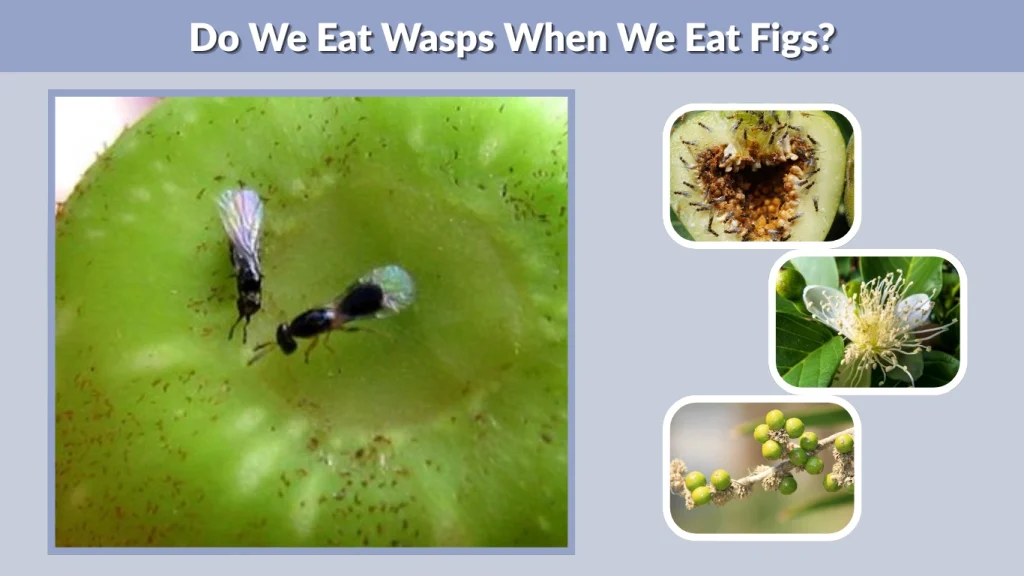
Wild vs. Cultivated Figs
There’s an important difference between the figs found in nature and the ones you buy at the store:
- Wild figs rely on fig wasps for pollination. The wasps enter the fig, lay their eggs, and eventually die inside.
- Cultivated figs (such as the Ficus carica species used in food production) are parthenocarpic, meaning they can produce fruit without pollination or any wasps.
Store-Bought Figs and Fig Newtons
Most of the figs we eat today come from parthenocarpic varieties, which do not need fig wasps at all. This means the figs used in products like Fig Newtons and dried figs contain no wasps, no eggs, and no insect traces. The crunchy bits you feel when eating a fig are seeds, not wasp parts.
So, Are You Eating a Wasp?
In short — no. In cultivated figs, wasps are not involved. In wild figs, the wasp’s body breaks down completely before the fruit ripens, leaving only plant tissue. The fig doesn’t digest or consume the wasp like an animal; it simply absorbs her nutrients naturally.
How Figs “Absorb” the Wasp
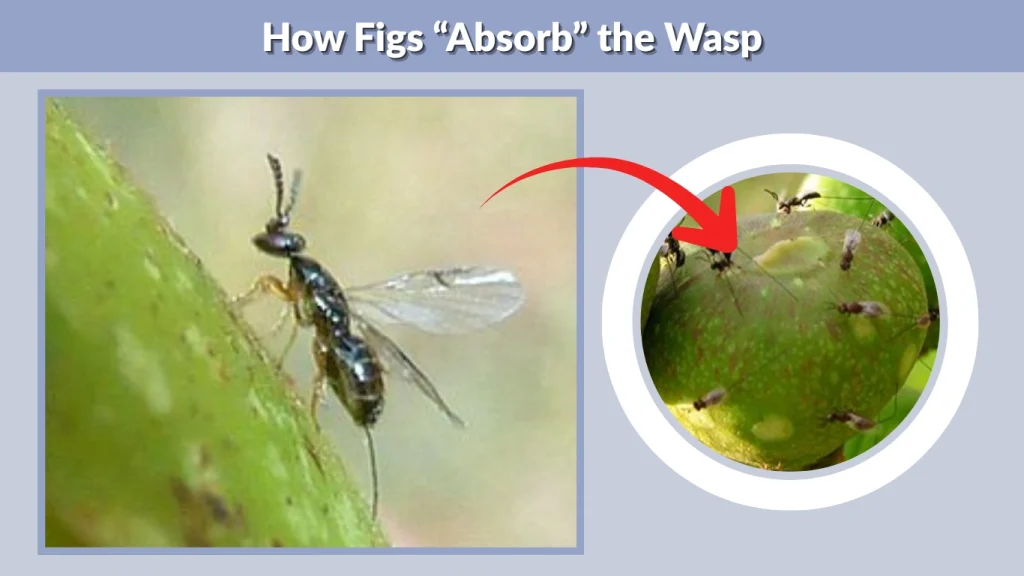
Enzymatic Breakdown
Once the female wasp dies inside the fig, the enzyme ficin begins its work. This enzyme helps soften the fig and dissolve organic materials — including the wasp’s body. Through this chemical process, her tissues are converted into simple proteins and nutrients that the fig uses to mature.
This isn’t digestion in the animal sense but a natural form of decomposition, much like composting. It ensures nothing inside the fig goes to waste.
A Cycle of Renewal
The fig’s ability to recycle the wasp’s remains illustrates how efficient and interconnected nature can be. The wasp pollinates the fig, allowing it to reproduce, and in turn, her body nourishes the next generation of fruit. It’s a cycle of life, not consumption.
What Do Fig Wasps Eat?
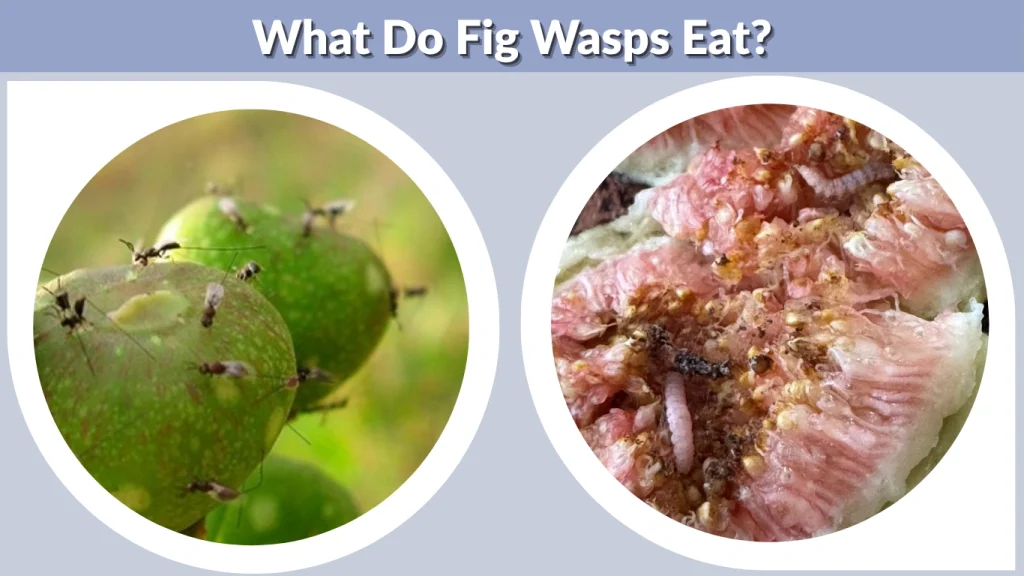
Larval Stage
Fig wasps spend their early lives entirely within the fig. After the female lays her eggs, the larvae feed on gall tissue — a special plant growth formed around each egg. This nutrient-rich tissue provides everything the larvae need to develop safely.
Adult Stage
Once they emerge as adults, fig wasps have only one mission: reproduction. They do not eat at all. The males mate with the females and dig escape tunnels, then die shortly after. Females, carrying pollen, fly off to find another fig and repeat the cycle.
Do Wasps Eat Figs?
Interestingly, the relationship is one-sided — fig wasps don’t eat figs. Their larvae feed on fig tissue only in their early stage, and adult wasps don’t feed at all. However, other wasp species — unrelated to fig wasps — may feed on the sugary sap of ripe figs in orchards, especially if the fruit is damaged.
Are We Eating Dead Wasps in Figs?
Many people are surprised to learn that wild figs rely on wasps for pollination and that female wasps sometimes die inside the fruit. However, by the time a fig ripens, no visible wasp remains exist. The fig’s internal enzyme, ficin, dissolves the wasp’s soft tissues into amino acids. What you eat is 100% fruit — the wasp is long gone, absorbed into the fig’s natural composition.
What About the Crunchy Bits?
Those tiny crunchy bits in figs are not wasp parts — they’re seeds, produced from the pollinated flowers inside. These seeds are a sign that the fig was successfully fertilized, not a trace of any insect.
Can Vegans Eat Figs?
The Debate
This question often sparks discussion among vegans. Technically, in wild figs, a wasp may die as part of the pollination process. However, the wasp’s death is not caused by humans and is entirely natural — it’s a byproduct of a plant–insect relationship that evolved long before human agriculture.
Vegan Viewpoint
- Strict vegans may choose to avoid wild figs because an animal dies during pollination.
- Most vegans, however, consider figs acceptable since no intentional exploitation or harm occurs. The process happens naturally and independently of human control.
- Commercial figs, used in most foods and snacks, are completely vegan-friendly because they’re parthenocarpic, meaning no wasps are involved at all.
So yes, for most vegans, eating figs is perfectly fine — you’re not eating any animal or insect.
Can You Eat Figs If You’re Allergic to Wasps?
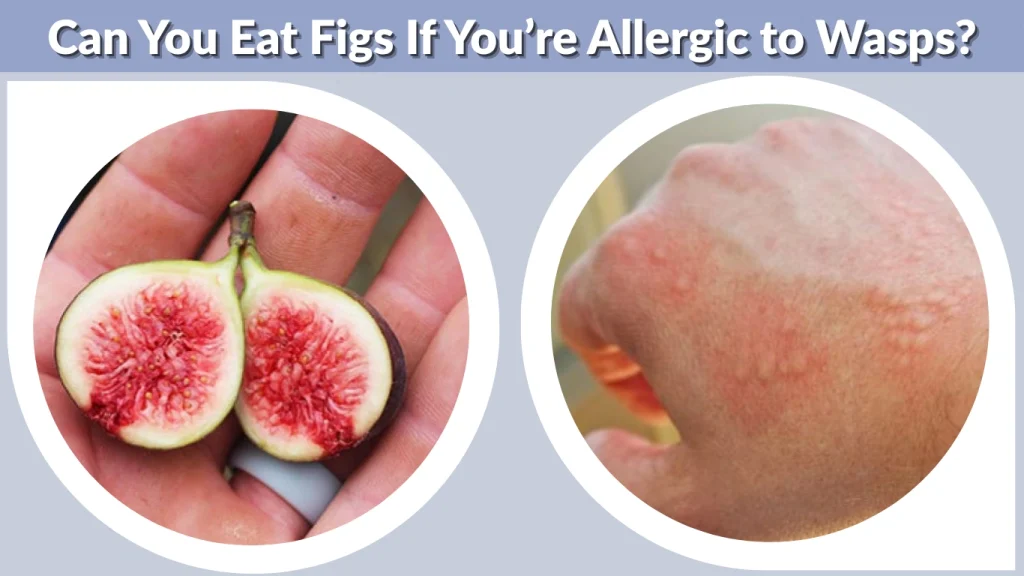
People with wasp allergies often wonder if they can safely eat figs.
In short — yes, they can.
Wasp allergies are typically triggered by wasp venom, not by the insect’s body. Since figs don’t contain venom, and edible figs contain no wasp material, eating them poses no risk for most allergy sufferers.
However, if someone has a severe insect protein allergy, it’s best to stick to store-bought, cultivated figs, which are guaranteed to be free of wasps or eggs. Always consult a doctor if your allergy is severe.
Do Fig Trees Eat Wasps?
It might sound poetic to say that a fig “eats” a wasp, but biologically, that’s not the case. The tree doesn’t digest or gain energy from the wasp like an animal consuming food. Instead, it uses natural enzymatic decomposition to break down organic matter within the fig. The result? The wasp’s nutrients are recycled into the fruit’s tissue, becoming part of the plant itself — a quiet, efficient form of natural recycling.
What Eats Fig Wasps?
Even though fig wasps spend most of their lives protected inside figs, they’re not immune to predators.
Natural Predators Include:
- Ants and spiders, which may attack adult wasps as they exit the fig.
- Birds and bats, which eat ripe figs that may contain developing larvae.
- Parasitic wasps, which lay their eggs in the same figs, competing with fig wasps and feeding on their larvae.
These interactions maintain balance in tropical ecosystems, ensuring that no single species becomes dominant.
Ecological Importance
The fig–wasp relationship is one of the cornerstones of tropical ecology. Figs fruit year-round, feeding hundreds of species — birds, monkeys, bats, and more. Without fig wasps to pollinate them, many fig species wouldn’t reproduce, and entire food chains could collapse.
This microscopic partnership between insect and tree sustains macroscopic ecosystems, proving how even the smallest creatures play enormous roles in nature’s balance.
Figs, Wasps, and Human Consumption
- Edible figs grown commercially contain no wasps or wasp parts.
- Wild figs may have once hosted a wasp, but enzymes dissolve it long before ripening.
- Processed fig products like Fig Newtons and dried figs are made exclusively from parthenocarpic figs — meaning zero insects are involved.
So, when you eat a fig, you’re enjoying pure fruit — the product of an ancient natural relationship, not an insect-filled snack.
FAQs
Do figs eat wasps?
No. Figs don’t eat wasps; they simply use natural enzymes to break down any that die inside, recycling nutrients into the fruit.
When I eat a fig, am I eating a wasp?
Not in the figs you buy from stores. Those are cultivated varieties that don’t rely on wasps for pollination. Even in wild figs, no wasp parts remain when the fruit ripens.
What do fig wasps eat?
Larvae feed on special gall tissue inside the fig. Adult wasps don’t eat at all — their short lives are focused on reproduction and pollination.
Can vegans eat figs?
Yes. Most figs are wasp-free, and even in wild figs, the wasp’s death is a natural event, not a human-caused one. Therefore, figs are considered vegan-friendly by most standards.
Can people allergic to wasps eat figs?
Generally yes. The figs we eat contain no wasp venom or insect remains, making them safe for those with wasp allergies.
