
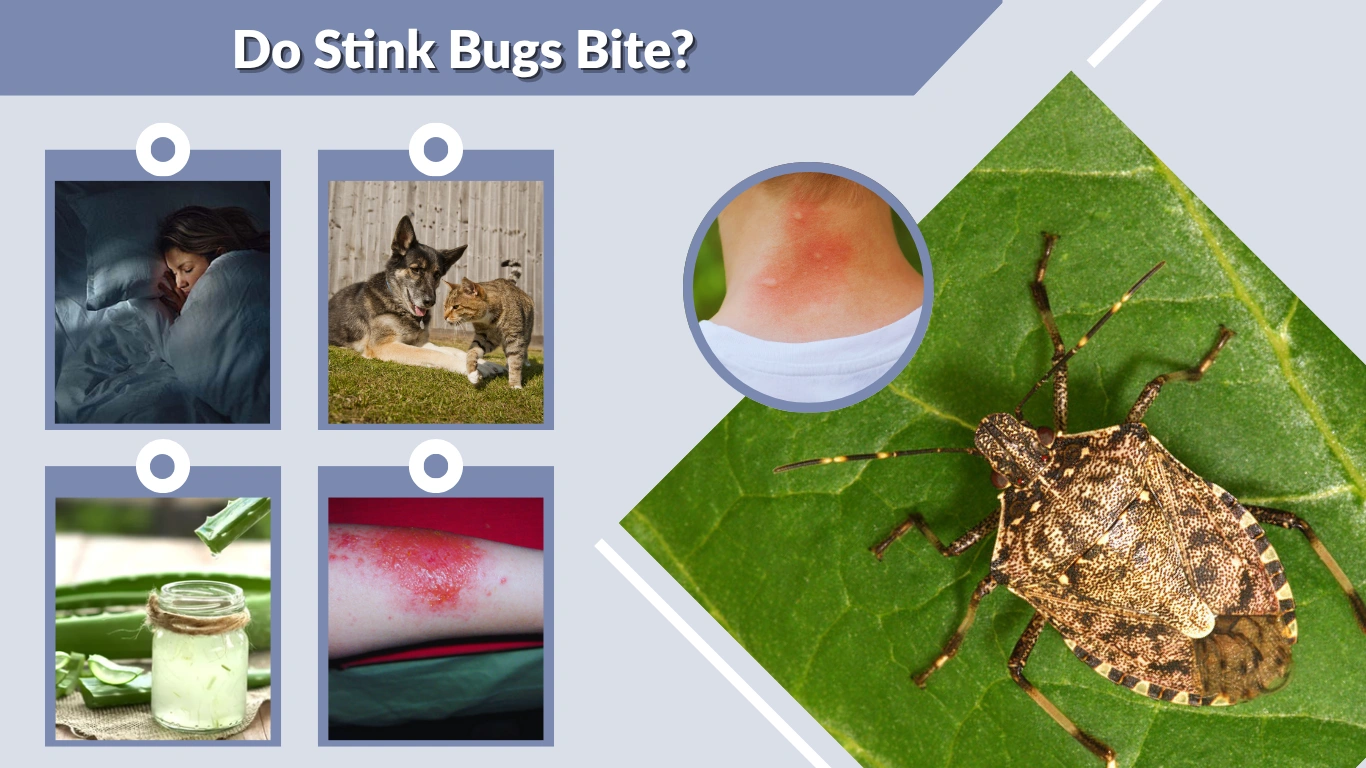
Stink bugs are among the most disliked household insects—not because of their appearance but for the strong, foul odor they release when disturbed. Many people worry that these insects bite, especially when they land on skin or show up in bed. The truth is, while stink bugs can be annoying, they rarely harm humans or pets. Understanding their behavior helps you avoid unnecessary panic and handle them safely.
Do Stink Bugs Bite Humans?
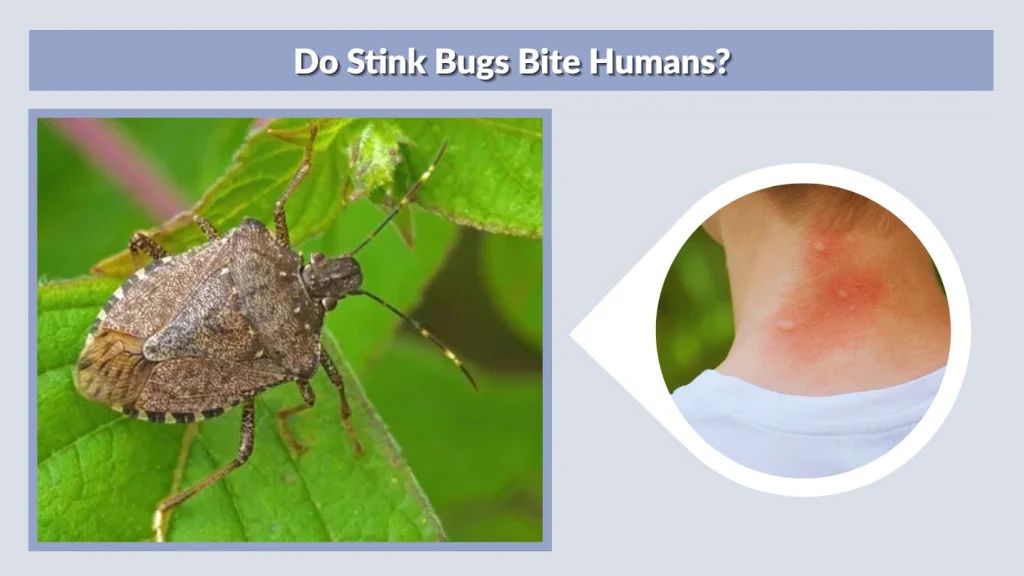
Despite common fears, stink bugs do not bite humans. Their mouths are designed for piercing plants and sucking sap, not for biting skin. However, when handled roughly, they can cause mild irritation due to the defensive chemicals they release.
Why People Think They Bite
- When stink bugs crawl on skin, their tiny legs and sharp mouthparts may feel like a prick.
- Some people experience redness or itching, not from a bite, but from contact with the bug’s odor glands.
- The defensive secretion can irritate sensitive skin or eyes, leading to mild discomfort.
In short, stink bugs can cause irritation without actually biting.
Do Stink Bugs Bite at Night or While You Sleep?

Stink bugs are not nocturnal biters like mosquitoes. They are more likely to rest near lights or warm spots during the night. If you find one near your bed, it’s likely seeking warmth, not trying to bite.
- They are attracted to indoor light sources in the evening.
- When temperatures drop, they enter homes through cracks and gaps, especially in fall and winter.
- Their nighttime activity can be annoying, but they pose no physical threat.
If one lands on you while sleeping, it’s a coincidence—not an attack.
Do Stink Bugs Bite Pets or Animals?
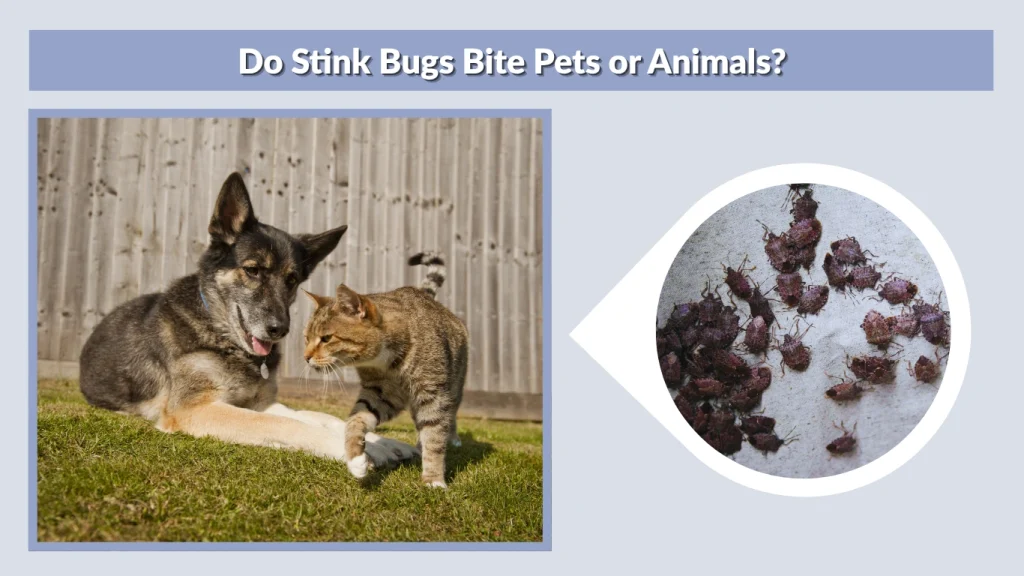
Stink bugs are also harmless to pets. Dogs and cats might chase or chew them out of curiosity, which sometimes causes drooling or mild vomiting due to the bug’s foul taste, not venom.
Safety Tips for Pet Owners
- If your pet eats one, don’t panic—offer water and monitor for stomach upset.
- Avoid using harsh insecticides indoors that could harm pets.
- Remove bugs using a vacuum or trap rather than sprays.
The worst outcome for pets is usually a bad taste and temporary nausea—not a bite or sting.
Do Different Types of Stink Bugs Bite?
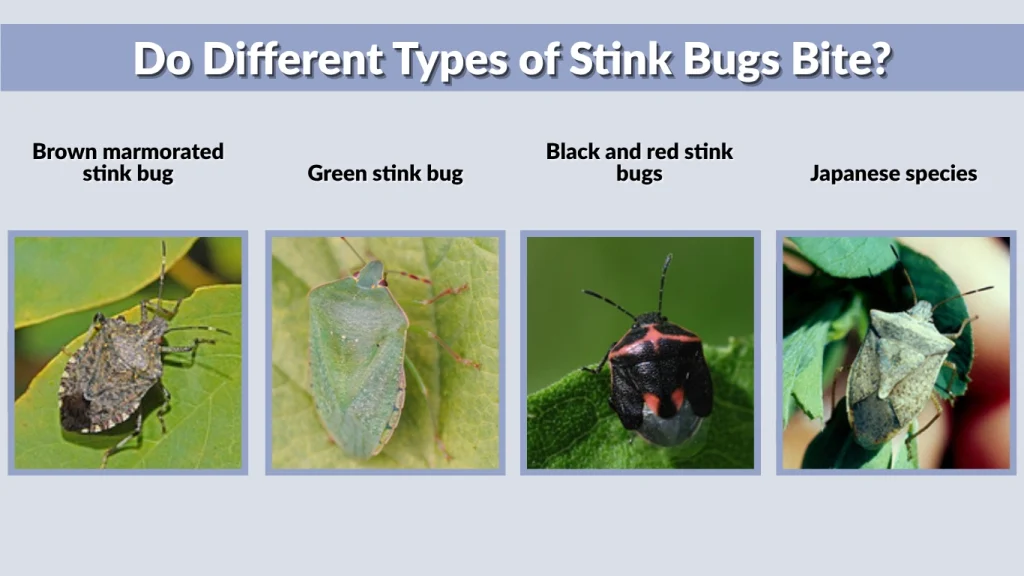
There are many species of stink bugs, but none are known to bite humans. Still, knowing the types helps you understand their behavior and identify infestations.
Common Types and Behaviors
- Brown marmorated stink bug: The most widespread species in North America; invades homes during cold months but doesn’t bite.
- Green stink bug: Common in gardens; damages fruits and vegetables but harmless to humans.
- Black and red stink bugs: Found in warmer climates; release a strong odor when touched but don’t sting.
- Asian, Chinese, and Japanese species: Introduced varieties that behave similarly—plant feeders, not human biters.
- Predatory stink bugs: Some feed on other insects but rarely show aggression toward people.
These variations share one key feature: a plant-feeding mouthpart, not a biting one.
Do Stink Bug Bites Hurt or Itch?

If you notice an itch or rash after contact with a stink bug, it’s not a true bite. Instead, it’s a skin reaction to their defensive secretion. This odor-causing compound contains aldehydes, which can irritate the skin or eyes.
Typical symptoms include:
- Mild itching or redness where the bug landed
- Temporary burning or tingling sensation
- Very rarely, small raised bumps resembling minor hives
People with sensitive skin or allergies may have stronger reactions, but these effects fade within a few hours to a day.
What Do Stink Bug “Bites” Look Like?
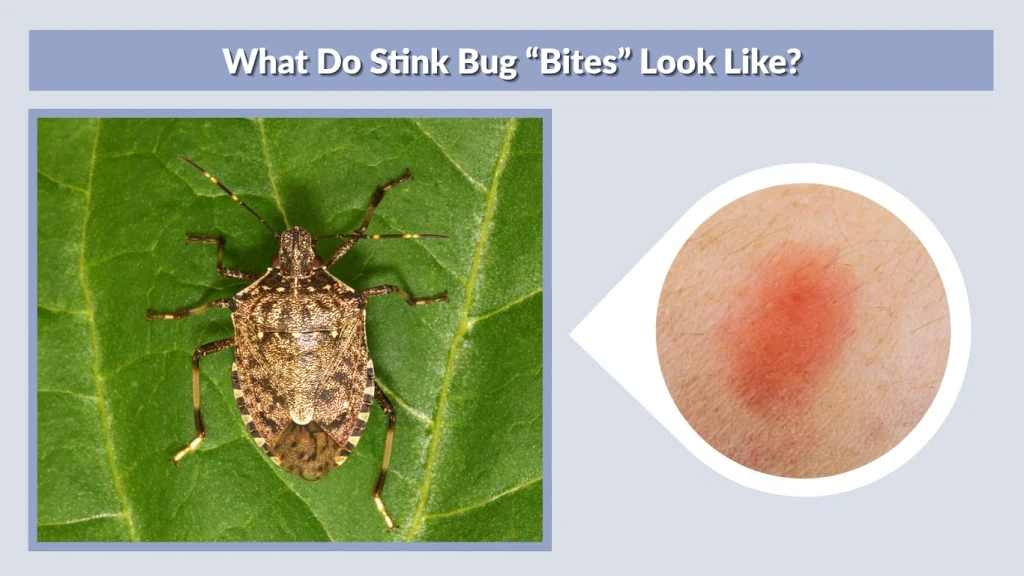
Stink bug “bites” don’t leave puncture marks like those from mosquitoes or spiders. However, the skin may develop irritation that looks similar to a rash or contact dermatitis.
Identifying Skin Reactions
- Slight redness or circular irritation
- No central puncture mark
- Appears within minutes of contact
- Fades quickly after washing
If swelling or rash spreads, it’s likely an allergic response to the chemicals, not an actual wound from a bite.
Do Stink Bugs Sting or Pinch?
Stink bugs neither sting nor pinch. Their mouthparts function like a straw, designed to pierce plant tissues and suck out nutrients. They cannot pierce human skin, so any sensation of pain is due to contact irritation.
Key differences between stink bugs and stinging insects include:
- No venom glands like bees or wasps
- No stinger or biting mandibles
- Defensive odor only for protection
In essence, their only “weapon” is their smell.
How Do Stink Bugs Bite (or Not Bite)?

The misunderstanding about stink bug bites comes from their feeding behavior. Stink bugs feed using a needle-like beak that punctures fruit, vegetables, and stems to extract sap. When they walk on people, that same beak may touch skin—but it doesn’t pierce it.
Scientific Explanation
- Their mouthpart is called a proboscis, specialized for plants.
- It’s too delicate to penetrate animal tissue.
- When threatened, they release odor instead of using physical defense.
So, even though they look intimidating, stink bugs lack the tools to bite.
What to Do If a Stink Bug “Bites” You

Even if you feel a sting-like irritation or rash after touching a stink bug, there’s no need to worry. Simple home care relieves discomfort quickly.
First Aid Steps
- Wash the affected area with soap and warm water to remove any chemical residue.
- Apply aloe vera or hydrocortisone cream to reduce itching.
- Use a cold compress if redness or swelling appears.
- Avoid scratching, which may worsen irritation.
If symptoms persist beyond 24 hours or you experience breathing difficulty, consult a doctor. Allergic reactions to stink bug odor are rare but possible.
Baby and Predatory Stink Bugs

Many people assume smaller or predatory varieties might behave differently, but the truth remains the same—neither baby nor predatory stink bugs bite humans. Their mouthparts and diet still focus on plants or other insects, not flesh.
Understanding Baby Stink Bugs
- Baby stink bugs, known as nymphs, hatch from clusters of small eggs on leaves.
- Nymphs feed on the same food sources as adults—plant juices and fruits.
- Their tiny beaks are even weaker than adult ones, making it impossible to puncture skin.
Predatory Species
A few stink bug species, such as the spined soldier bug, are considered beneficial predators. They feed on crop pests like caterpillars and beetles, not people. These predatory stink bugs are helpful in gardens and play a role in natural pest control.
If you spot them, avoid killing them—they’re actually allies against more harmful insects.
Expert Insight: Orkin and Scientific References
According to Orkin Pest Control and other entomology experts, stink bugs are entirely non-aggressive toward humans. They lack the ability or intent to bite, sting, or feed on animals.
Orkin’s data explains that the main problem with stink bugs is their odor and seasonal invasions, not their danger. When handled or crushed, they emit chemicals from glands located on their thorax. These chemicals can irritate skin or trigger mild allergic reactions but do not penetrate the skin.
Key Facts from Experts
- Stink bugs are nuisance pests, not health threats.
- Their odor can last several hours in enclosed spaces.
- They prefer warm, sheltered areas for overwintering—not human contact.
This confirms that stink bugs are harmless, though they can still cause discomfort if mishandled or crushed indoors.
Do Stink Bug Bites Cause Allergic Reactions?
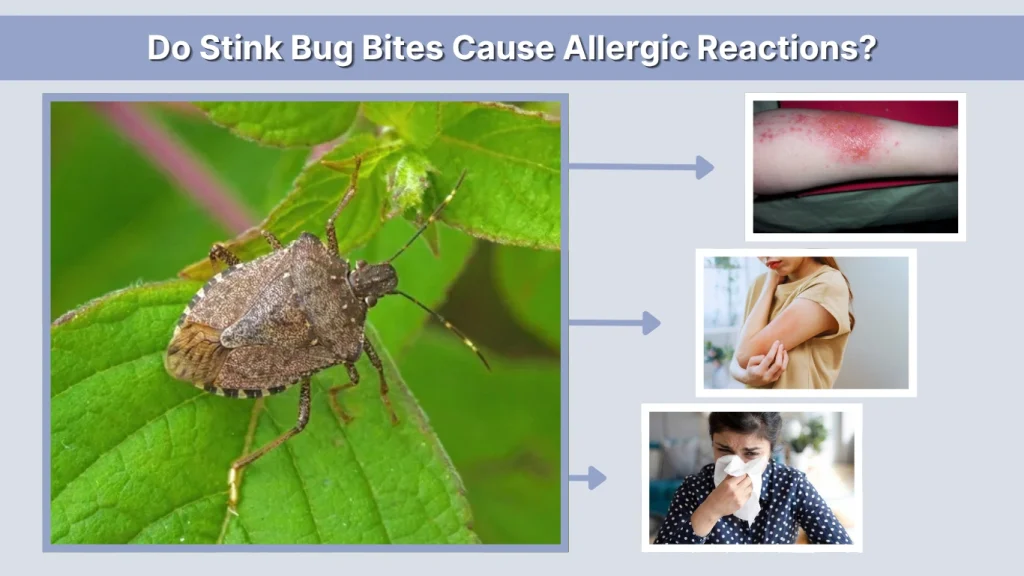
Though rare, some people experience allergic responses after exposure to stink bug secretions. The reaction is caused by compounds known as aldehydes, which may cause mild irritation.
Possible Symptoms Include:
- Redness or itching at the point of contact
- Mild burning or tingling
- Watery eyes or sneezing when exposed to many bugs indoors
These reactions are temporary and can be managed with over-the-counter treatments. For individuals with asthma or sensitive airways, staying away from concentrated stink bug odors is recommended.
Are Stink Bugs Dangerous to Humans?
Stink bugs are not dangerous—they don’t carry diseases, inject venom, or infest human food like roaches or ants. Their primary impact is unpleasant odor and minor nuisance.
Still, when infestations grow large, they can:
- Trigger allergies due to airborne odor particles.
- Contaminate surfaces with residue.
- Cause discomfort by flying near lights or landing on people.
To maintain comfort indoors, use natural repellents or call pest control for sealing and treatment.
Why Stink Bugs Release Odor Instead of Biting
The chemical defense mechanism is their main survival tool. When threatened, they release a pungent secretion made of trans-2-decenal and trans-2-octenal—two compounds responsible for the classic “stink bug smell.”
Purpose of the Odor
- Repels predators: Birds, spiders, and lizards avoid them after one smell.
- Warns other stink bugs: The scent signals danger to nearby bugs.
- Protects them from handling: Humans and pets often drop them after smelling the strong odor.
This defensive approach makes biting unnecessary for their survival.
How to Avoid Contact with Stink Bugs
Prevention is the best way to ensure these smelly visitors stay outside where they belong. Because they enter homes for warmth, focusing on barriers and cleanliness helps tremendously.
Simple Prevention Tips
- Seal cracks and gaps around doors, windows, and vents.
- Use window screens and repair any small tears.
- Turn off outdoor lights during fall evenings since light attracts them.
- Keep vegetation trimmed away from walls and windows.
- Store firewood and debris away from the house exterior.
By making your home less accessible, you prevent stink bugs from seeking refuge indoors.
Myths About Stink Bug Bites
There are several myths online suggesting that stink bugs bite or inject toxins, but these claims are false.
Common Misconceptions
- “They bite when threatened.”
False — they only release odor, not venom. - “Their bite causes rashes.”
False — rashes come from skin irritation, not a puncture wound. - “They bite at night while you sleep.”
False — stink bugs are attracted to warmth and light, not blood or skin.
Understanding these myths helps prevent fear and unnecessary use of harmful chemicals indoors.
Do Stink Bugs Bite Lips or Ears?
This unusual myth spread through online forums and social media, but it has no factual basis. Stink bugs cannot pierce human skin, much less delicate areas like lips or ears. If irritation occurs in these regions, it’s likely caused by contact with the bug’s odor secretion, not a bite.
If contact happens:
- Wash with mild soap immediately.
- Apply a soothing cream to reduce redness.
- Avoid touching eyes or face after handling them.
Basic hygiene prevents most discomforts associated with stink bug exposure.
Do Stink Bugs Bite Pets and Farm Animals?
Farm animals such as goats, chickens, or cattle generally ignore stink bugs. Even if they accidentally ingest a few, there are no reported cases of toxicity.
For dogs and cats:
- Eating one may lead to drooling, vomiting, or pawing at the mouth, caused by the bad taste.
- These effects pass within a few hours and don’t require medical treatment.
- Keep water available and discourage pets from chasing bugs indoors.
Stink bugs are unpleasant but not poisonous to pets.
FAQs
Do stink bugs bite when threatened?
No. When threatened, stink bugs emit a foul odor to defend themselves. Their mouths cannot pierce human or animal skin, so they rely on scent-based defense instead of biting or stinging.
Can stink bugs make you sick?
Not directly. They don’t carry diseases or parasites. However, their odor may cause mild allergic reactions or sinus irritation in people sensitive to strong smells.
What happens if a stink bug lands on you?
If one lands on you, it may release its odor out of fear. Simply brush it off gently or trap it in a cup and release it outside. Avoid crushing it to prevent smell transfer.
Do stink bugs bite babies or children?
No. Children may experience skin irritation after contact, but stink bugs cannot bite. Always wash the skin gently with soap and water if a child touches one.
How can you safely remove stink bugs indoors?
Use a vacuum cleaner with a disposable bag or set a bowl of soapy water near light sources to trap them. Avoid chemical sprays inside your home; natural repellents like peppermint oil work safely and effectively.
