
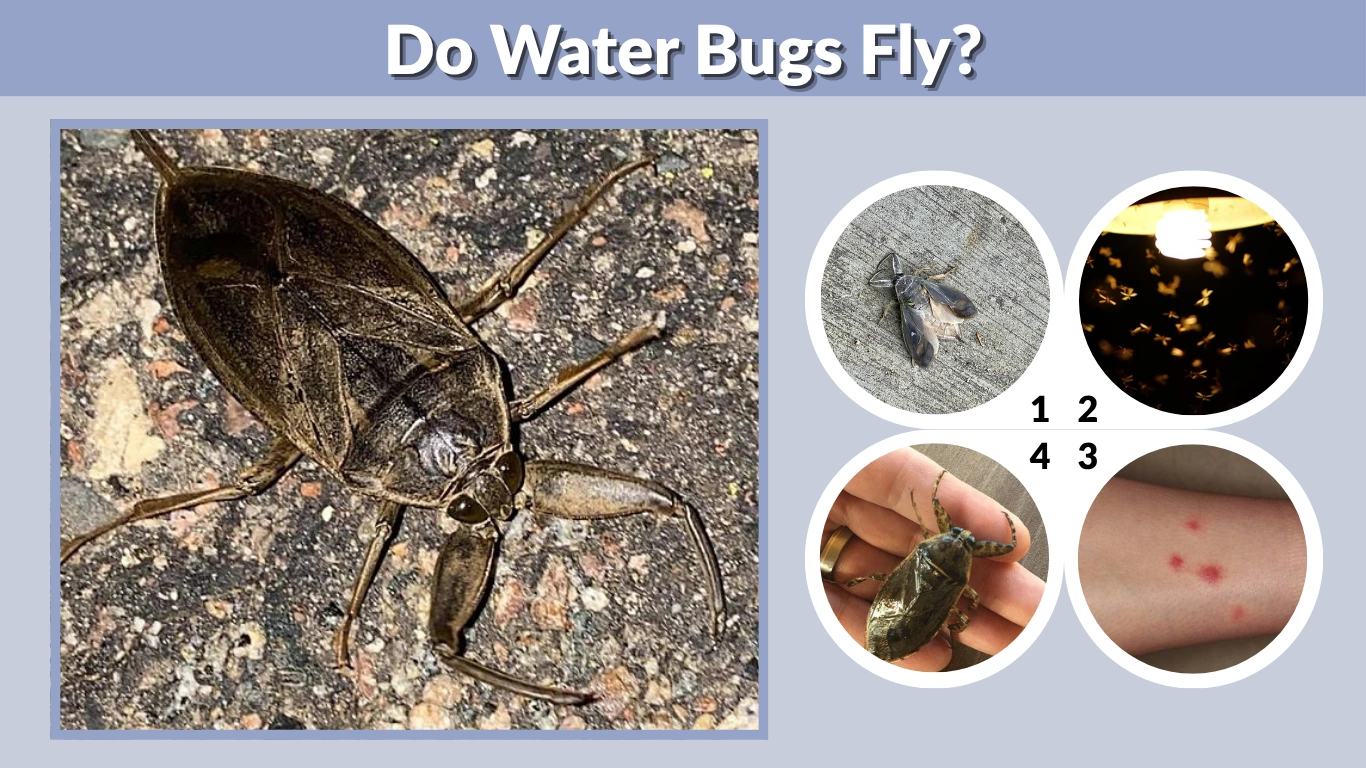
Water bugs are large, aquatic insects often mistaken for cockroaches. When one suddenly takes flight near a light or pool, it can cause panic and confusion — do they really fly? The answer depends on the species. Some water bugs can indeed take to the air, while others stay grounded. Understanding why and when they fly helps you manage encounters and prevent them from entering your home.
Understanding Water Bugs
What Are Water Bugs?
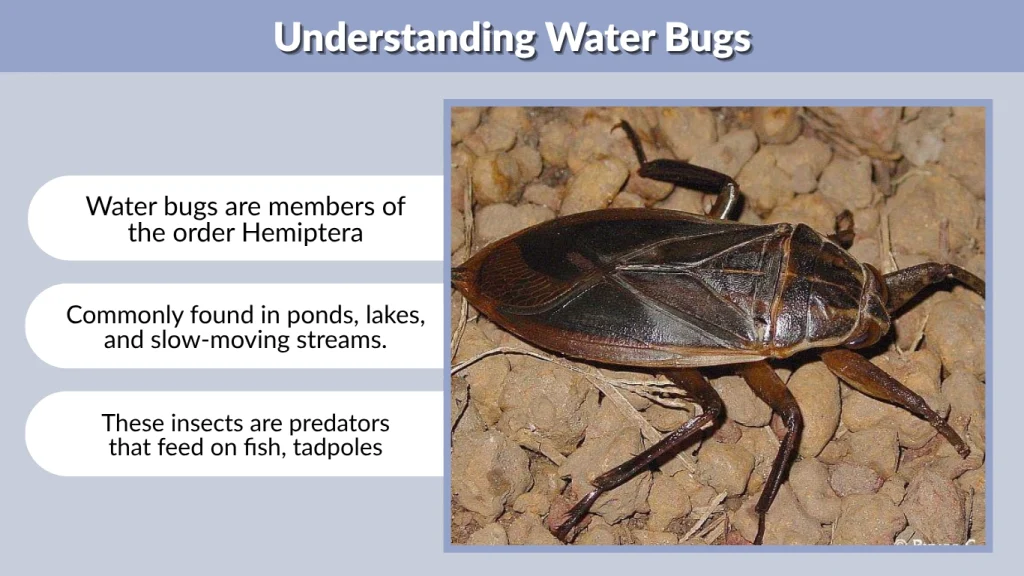
Water bugs are members of the order Hemiptera and are commonly found in ponds, lakes, and slow-moving streams. The most recognizable species, the giant water bug (Lethocerus americanus), can grow up to two inches long. These insects are predators that feed on fish, tadpoles, and other insects. Unlike cockroaches, true water bugs are not household pests — they are outdoor dwellers that thrive in aquatic habitats.
Common Misconceptions
Many people call large cockroaches “water bugs,” especially in humid regions. However, American or Oriental cockroaches are not true water bugs. While cockroaches prefer damp places like bathrooms and basements, true water bugs live near natural water sources. Understanding this difference helps you identify and manage them properly.
Do Water Bugs Really Fly?
Can All Water Bugs Fly?
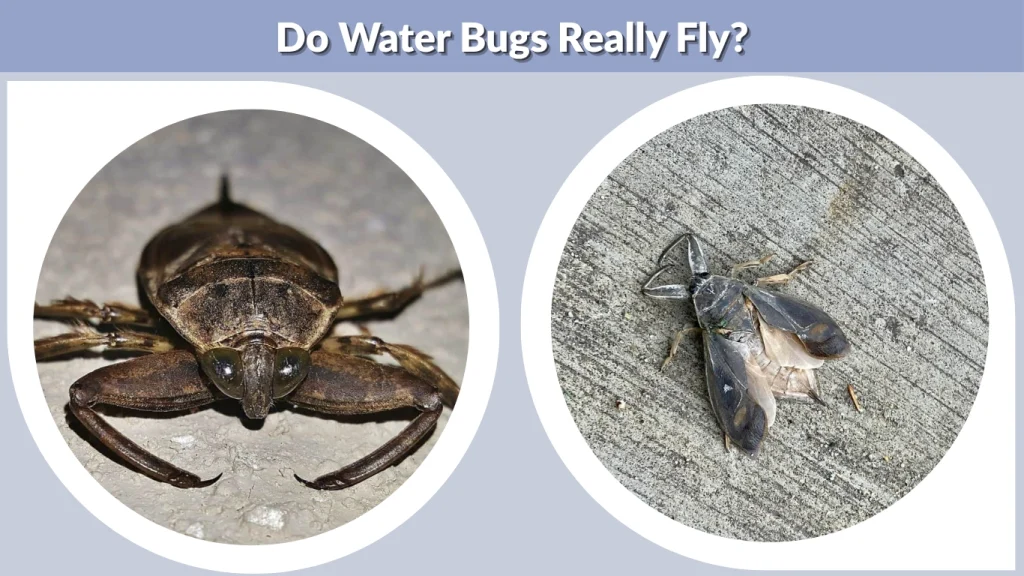
Not all water bugs are capable of flight. Some species, like the giant water bug, have fully developed wings that allow them to travel long distances, while smaller or “creeping” species rarely fly. Water bugs generally use their wings to relocate when their aquatic habitats dry up or when they search for mates. Flying is a survival skill, not a daily behavior.
How Water Bugs Fly
Water bugs have two sets of wings — a hard outer pair for protection and a flexible inner pair for flight. When ready to fly, they extend their hind wings, push off from the water’s surface, and glide into the air. They are powerful but clumsy fliers and often aim toward light sources, which is why they are seen around lamps or porch lights at night.
Giant Water Bugs and Flight
Do Giant Water Bugs Fly?
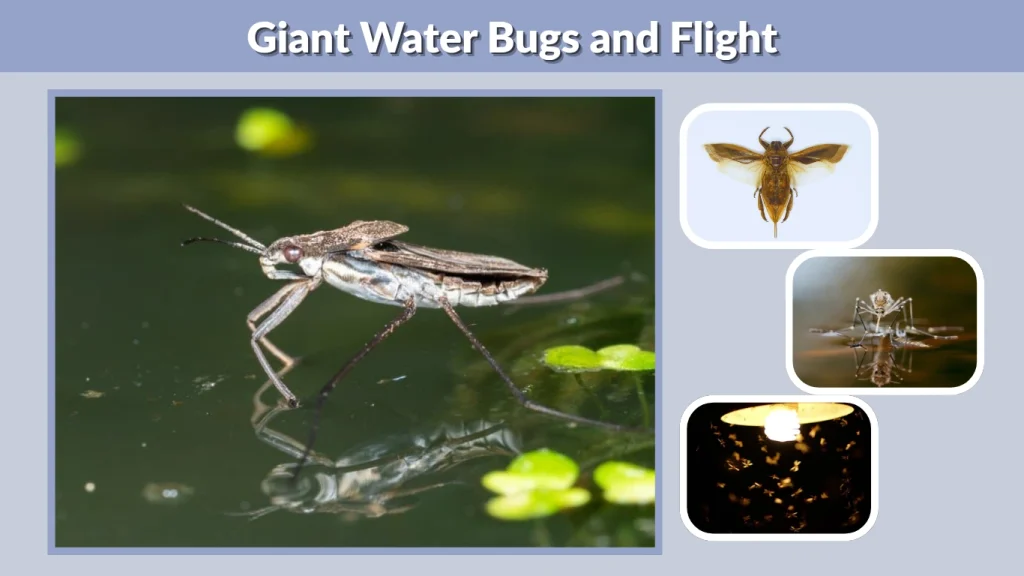
Yes. The giant water bug is the best-known flying species. These large insects use their wings to move between water sources, especially during breeding season or when ponds begin to evaporate. On warm nights, they’re often attracted to bright lights, which can lead them close to homes and swimming pools. Though their size can be intimidating, they don’t attack humans unless provoked.
When and Why They Fly
Flight is seasonal and mostly occurs during warm, humid nights. Giant water bugs fly for several reasons:
- To find new habitats when their environment dries out.
- To search for mates during late summer.
- To escape predators or competition.
This explains why you might see them after heavy rainfall or near outdoor lighting — conditions that encourage movement and visibility.
Why Do Water Bugs Fly?
Searching for Mates or Food
Flying allows water bugs to locate new food sources and breeding grounds. Because they are predators, they rely on insects, tadpoles, or small fish. If one pond becomes overcrowded or nutrient-poor, they take flight in search of better hunting grounds.
Environmental Triggers
Certain environmental conditions influence flight. Warm temperatures, high humidity, or declining water levels often prompt migration. Heavy rain or floods may also drive them from their aquatic homes toward drier, higher ground — which sometimes means near people’s homes or lighted areas.
Why Do Water Bugs Fly Toward Humans?
Attraction to Light and Heat
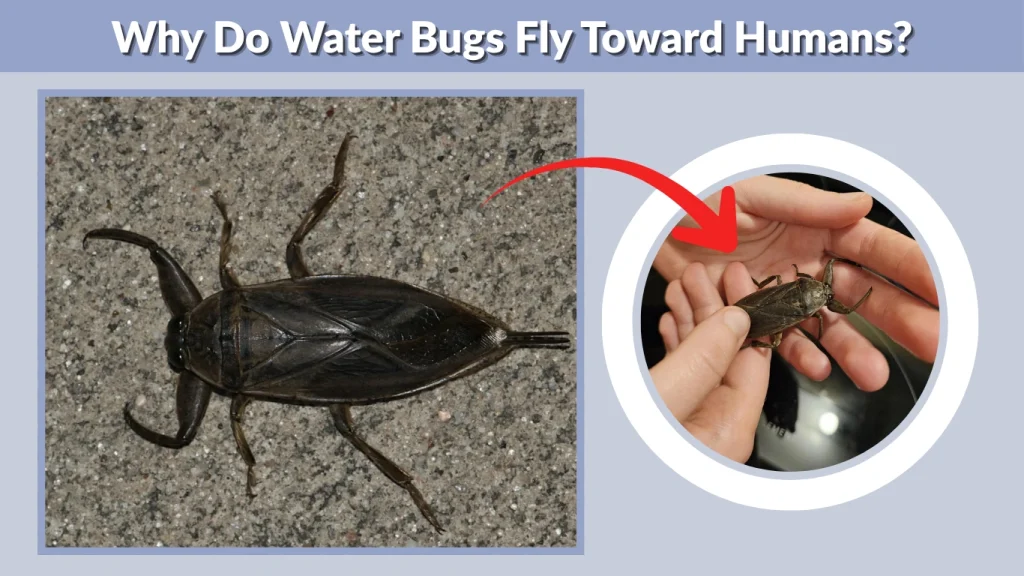
Water bugs don’t intentionally chase humans; instead, they are attracted to light and heat. Outdoor lighting, pool reflections, and even the glow from windows can lure them. At night, these bright cues resemble the moon’s reflection on water — which they naturally follow in the wild. This behavior makes it seem like they are flying directly at people, even though it’s accidental.
Common Indoor Confusion
When a large flying insect appears inside, people often assume it’s a water bug. In many cases, however, it’s a flying cockroach, not an aquatic bug. True water bugs rarely invade homes; they might only appear if a nearby pond or drain overflows. If you frequently see them indoors, it’s likely due to excessive moisture or an open light source near windows or vents.
Flying Water Bugs Indoors
Do Water Bugs Fly in the House?
It’s uncommon but possible. Water bugs may accidentally enter through open doors, vents, or windows near bright lights. Once inside, they seek damp areas such as bathrooms, basements, or laundry rooms. However, they cannot survive long without access to standing water and typically die off or leave within a few days.
Where Do Flying Water Bugs Come From?
Most flying water bugs come from outdoor habitats such as ponds, drainage ditches, or garden pools. During hot or rainy nights, they travel toward illuminated buildings. In coastal or humid regions, this happens more often because environmental moisture supports their breeding cycle. Keeping outdoor lights dim and sealing entry points can help prevent indoor encounters.
Differences Between Water Bugs and Roaches

Physical and Behavioral Comparison
People often confuse water bugs with cockroaches because of their similar color, size, and movement. However, they are very different in anatomy, behavior, and habitat. The table below highlights these key differences:
| Feature | Water Bug | Cockroach |
| Habitat | Lives in ponds, streams, and drains | Prefers kitchens, bathrooms, and basements |
| Color | Dark brown or grayish-black | Reddish-brown or tan |
| Body Shape | Broad and flat | Narrow and oval |
| Flight | Strong, outdoor flier | Weak glider indoors |
| Diet | Predatory (feeds on insects, fish) | Scavenger (feeds on crumbs and waste) |
| Bite Risk | Yes, defensively | Rarely, and only in extreme hunger |
Why Confusion Happens
Both insects are active at night and prefer moisture, which leads to frequent misidentification. If you see a flying insect in your home that’s drawn to light, it’s most likely a cockroach. True water bugs, being aquatic, rarely live indoors for long periods and usually appear near drains or pools.
Do Flying Water Bugs Bite?
Are Flying Water Bugs Dangerous?
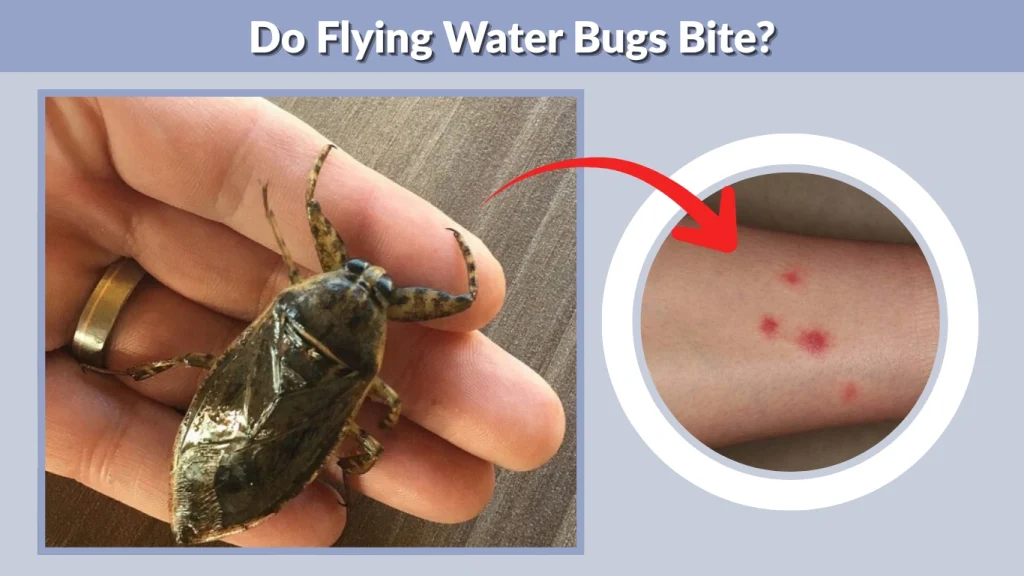
Flying water bugs, especially giant water bugs, can bite if handled or stepped on. Their sharp beak injects digestive enzymes meant to paralyze prey, which can cause short-lived pain and swelling in humans. These bites are not venomous and don’t transmit diseases. The discomfort is similar to a bee sting and fades within a few hours.
How to Avoid Getting Bitten
Water bugs are not aggressive and only bite in self-defense. To avoid being bitten:
- Don’t touch or swat them with bare hands.
- Use a container or net to remove them from water or walls.
- Turn off unnecessary outdoor lights to reduce attraction.
- Keep shoes on when walking near ponds or pools at night.
If bitten, wash the area with soap and water, apply an antiseptic, and use a cold compress for pain relief.
How to Prevent Flying Water Bugs Indoors
Outdoor Prevention
Since most flying water bugs originate outdoors, focus on environmental control first.
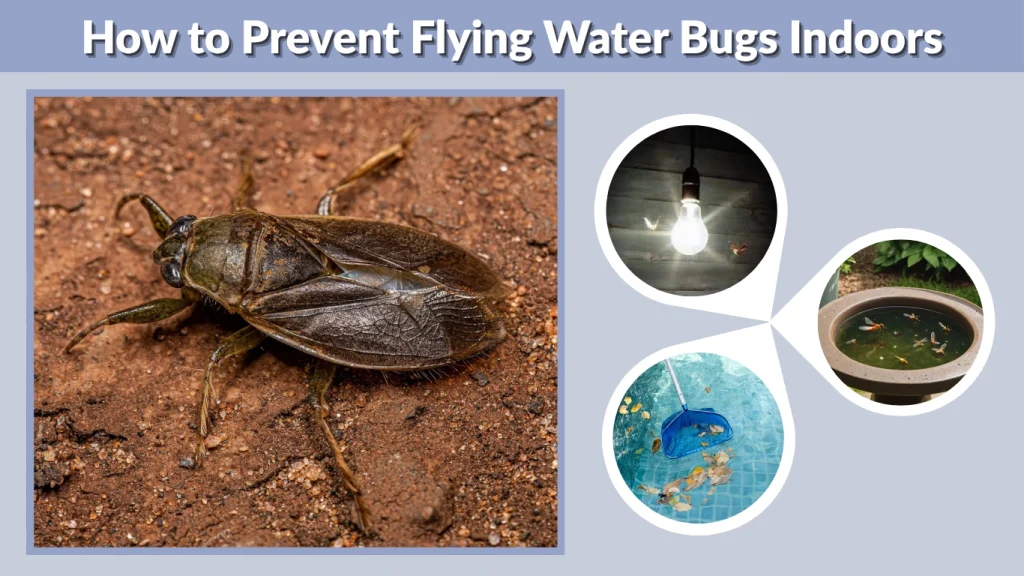
- Dim outdoor lights: Replace bright bulbs with yellow or LED lights that don’t attract insects.
- Eliminate standing water: Empty planters, buckets, and birdbaths regularly.
- Clean pools and ponds: Maintain proper chlorine balance and brush surfaces weekly.
- Trim vegetation: Overgrown plants near water provide shade and breeding spots.
A clean and dry outdoor environment reduces both water bug and mosquito activity.
Indoor Protection
If water bugs are drawn inside by light or moisture, simple household precautions can help.
- Seal cracks around windows, vents, and doors.
- Use fine mesh screens to block flying insects.
- Keep bathrooms and kitchens dry.
- Store food in airtight containers and clean up crumbs promptly.
- Cover drains during rainy seasons.
These steps not only deter water bugs but also discourage cockroaches and other pests from entering.
When to Call Pest Control
If you notice multiple large flying insects inside, especially after rainfall, you may be dealing with an outdoor infestation nearby. Professional pest control experts can identify the exact species and apply eco-friendly treatments around windows, foundations, and water sources. Regular maintenance ensures long-term protection without overusing insecticides.
Common Myths About Flying Water Bugs
Myth 1: Water Bugs Chase Humans
They don’t chase people. When they seem to fly directly toward someone, they’re actually heading for light or shiny surfaces. Their poor navigation makes them appear aggressive, but they’re simply disoriented.
Myth 2: All Water Bugs Can Fly
Only certain species — particularly giant water bugs — have strong wings suited for flight. Smaller varieties, like creeping water bugs, rarely or never fly.
Myth 3: Seeing One Means an Infestation
A single flying water bug indoors doesn’t mean you have an infestation. It likely wandered in from outside during humid weather or after heavy rain. Infestations are rare and usually linked to poor drainage or standing water nearby.
FAQs
Do all water bugs fly?
No, not all water bugs fly. Only certain species, like the giant water bug, have fully developed wings. Smaller or creeping varieties remain near water surfaces and rarely take flight.
Why do water bugs fly toward light or people?
They are drawn to bright light and reflective surfaces, mistaking them for the moon’s reflection on water. When flying at night, this attraction often makes them appear to aim directly at people.
Can giant water bugs fly long distances?
Yes. Giant water bugs are strong fliers capable of traveling several miles between ponds or wetlands. They use flight primarily for migration, reproduction, or when searching for new habitats.
Are flying water bugs dangerous or venomous?
No, flying water bugs aren’t venomous. Their bites can be painful but are harmless to humans. They don’t spread disease or actively seek to attack people.
How can I stop water bugs from flying into my home?
Keep outdoor lights dim, seal window gaps, and reduce standing water around your property. Using screens and maintaining cleanliness are the most effective long-term deterrents.
