
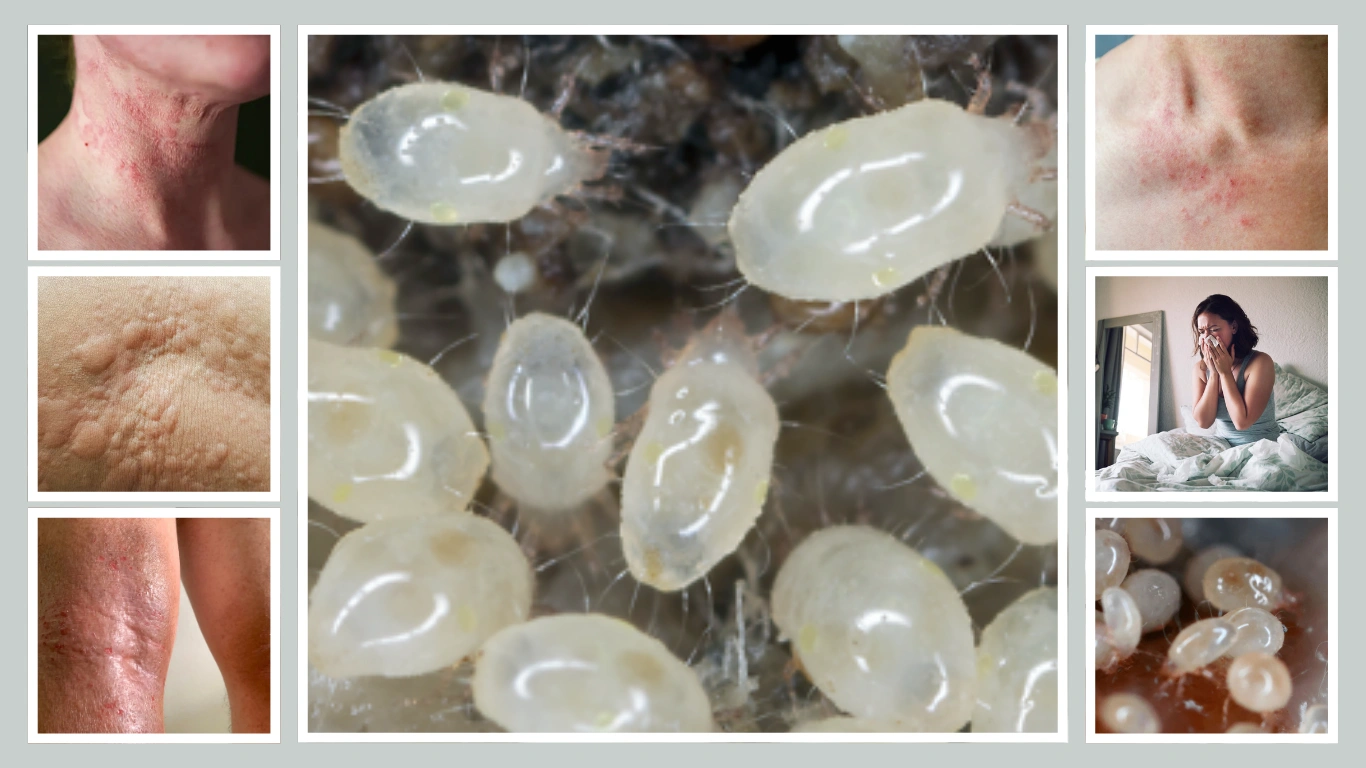
Woke up with itchy red bumps and wondering if dust mites are the cause? While dust mites are known for triggering allergies, there’s often confusion about whether they bite. Many people mistake skin irritations or rashes for dust mite bites—but the truth is more complex.
In this article, we’ll break down everything you need to know about dust mite bites: what they look like (with picture references), common symptoms, how to tell them apart from bed bug or flea bites, and what you can do to treat and prevent them. Whether you’re dealing with mysterious skin reactions or just want to be proactive, this guide will help you understand the facts behind dust mites and your skin.
Do Dust Mites Actually Bite?

Dust mites are tiny, microscopic creatures that thrive in warm, humid environments—especially in beds, pillows, carpets, and upholstered furniture. But here’s the key fact: dust mites do not bite.
Instead of biting, they feed on dead skin cells shed by humans and pets. The skin reactions many people associate with “dust mite bites” are actually allergic responses to their waste products, not bites themselves. These reactions can cause skin irritation, red patches, and itchy rashes, which are often mistaken for bites.
So, if you notice red, itchy marks and think dust mites are to blame, it’s more likely an allergic skin reaction than an actual bite.
What Do Dust Mite Bites Look Like?
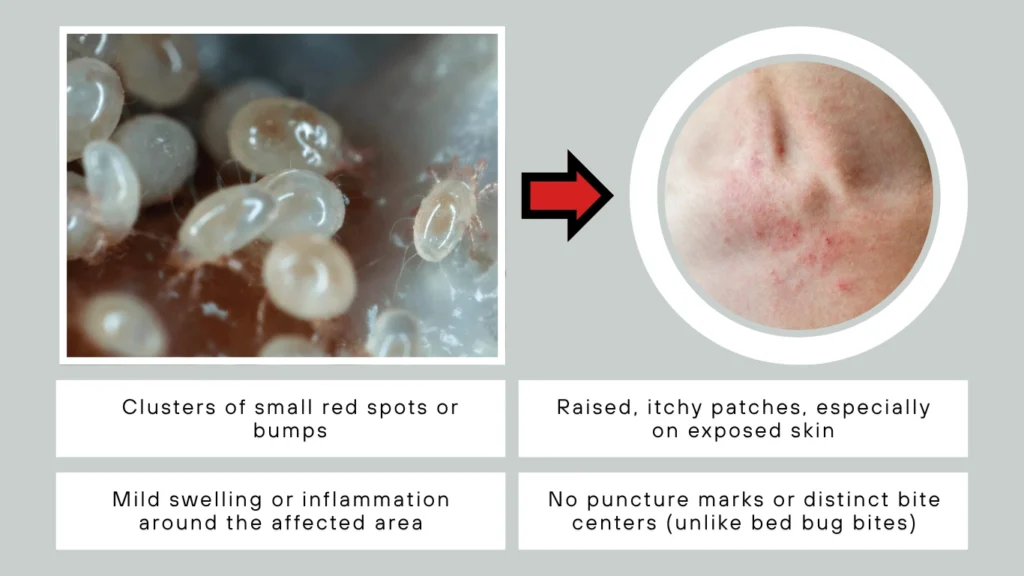
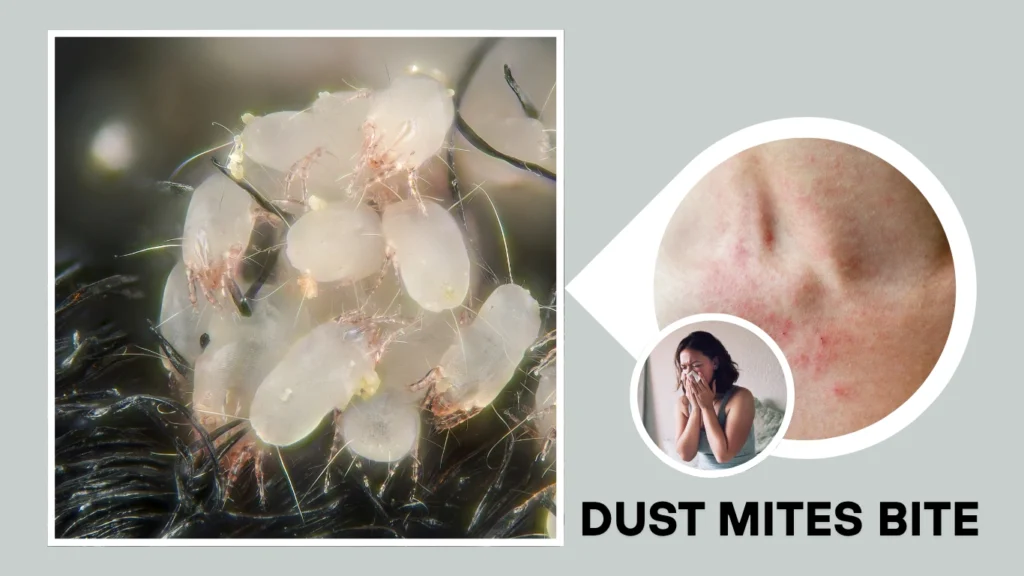
Although dust mites don’t bite, allergic reactions to them can look like small, red bumps or a rash. These can resemble bites from insects like mosquitoes or bed bugs, making it hard to tell the difference.
Here’s what dust mite-related skin reactions may look like:
- Clusters of small red spots or bumps
- Raised, itchy patches, especially on exposed skin
- Mild swelling or inflammation around the affected area
- No puncture marks or distinct bite centers (unlike bed bug bites)
These reactions usually appear on areas where your skin comes in direct contact with bedding—such as the face, neck, arms, and upper back. If you see recurring bumps in these areas, especially after sleeping, dust mite allergies might be the cause.
Dust Mite Bite Symptoms
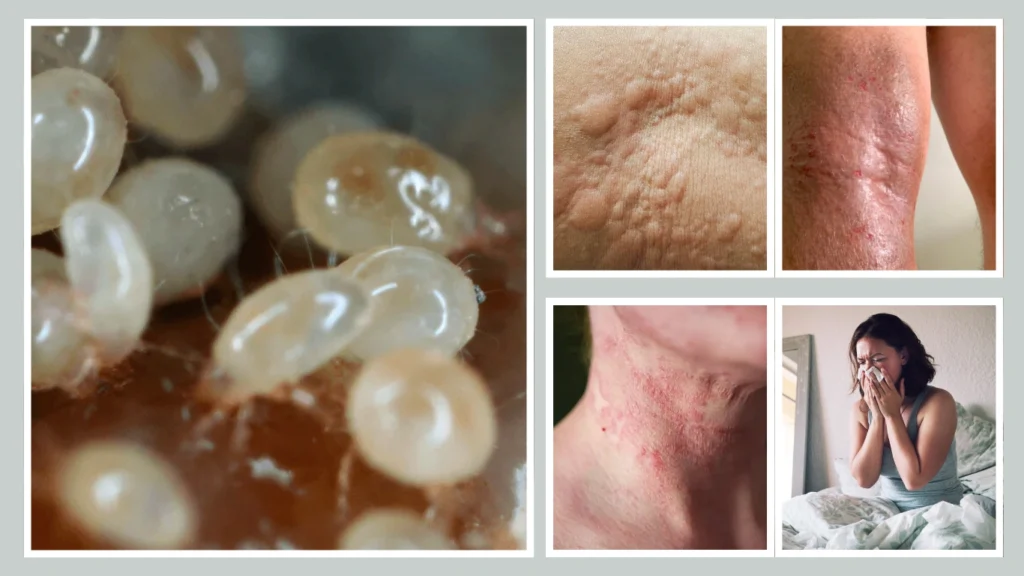
While dust mites don’t bite, exposure to their droppings and body fragments can lead to allergic skin and respiratory symptoms, especially in sensitive individuals. These reactions are often mistaken for insect bites due to their visible and itchy nature.
Common symptoms include:
- Itchy, red bumps or welts on the skin
- Eczema-like rashes that flare up overnight
- Dry, irritated skin patches, especially on the arms, face, or neck
- Runny nose, sneezing, watery eyes (especially in the morning)
- Coughing or wheezing for those with asthma
If you consistently experience these symptoms after sleeping or resting on furniture, dust mites could be the underlying cause—even if no actual “bite” occurred.
Dust Mite Bites Pictures
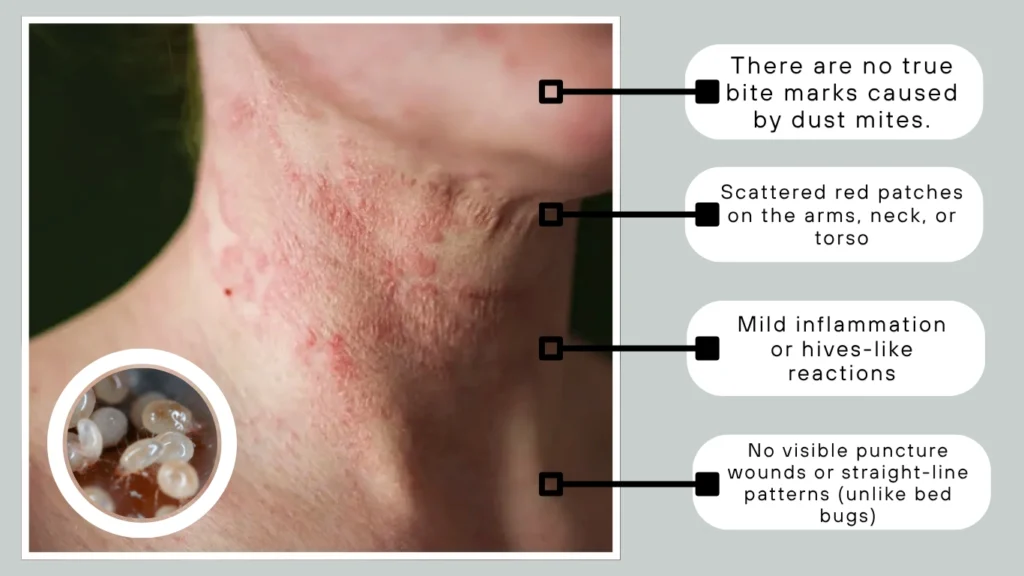
Because dust mite reactions mimic insect bites, many people search for dust mite bites pictures to compare. However, it’s important to remember:
- There are no true bite marks caused by dust mites.
- Any images online labeled as “dust mite bites” usually depict allergic rashes or skin irritation from their allergens.
Typical visuals include:
- Scattered red patches on the arms, neck, or torso
- Mild inflammation or hives-like reactions
- No visible puncture wounds or straight-line patterns (unlike bed bugs)
When reviewing such images, focus on the overall pattern and texture—dust mite reactions often appear in random clusters or diffuse redness rather than structured bite marks.
Dust Mite Bites on Humans
Human skin reacts differently to dust mites, but the most commonly affected areas include:
Face and neck: Often exposed to pillows and bedding
Arms and legs: Due to contact with mattresses or blankets
Back and chest: Particularly if sleeping shirtless or with minimal clothing
These reactions can occur overnight and may be mistaken for bed bug bites or skin conditions like eczema. If you notice itchy red marks in these areas without visible insects or bite patterns, it’s worth considering a dust mite allergy as the source.
Dust Mite Bites Rash
One of the most common skin reactions to dust mites is a rash, often appearing as:
- Red, blotchy patches
- Raised bumps that may feel dry or scaly
- Itching that worsens at night or after contact with bedding
This rash is not from biting but from an immune response to dust mite allergens. People with sensitive skin or eczema may experience flare-ups, especially on areas like the inner elbows, behind the knees, and the neck. The rash may fade during the day and return overnight, especially if no protective bedding is used.
Dust Mite Bites on Specific Body Parts
Dust mite-related skin reactions tend to occur where the body touches pillows, sheets, and blankets. Common locations include:
- Face: Redness, irritation, or small bumps on cheeks and forehead
- Neck & Shoulders: Rash-like patches that may be mistaken for bug bites
- Legs: Especially the thighs and calves, if uncovered during sleep
- Arms: Itchy spots or dry, inflamed patches
- Back: Random red marks or dry skin, often seen after sleeping shirtless
If you notice symptoms localized to these areas, your bedding may be the source of exposure.
8. Dust Mite Bites on Pets (Especially Dogs)
Just like humans, dogs can react to dust mites, although they don’t get bitten either. Instead, they experience allergic skin conditions called atopic dermatitis, which can look like:
- Excessive scratching, licking, or biting
- Red or inflamed skin, especially around paws, belly, and ears
- Hair loss or scabbing from constant irritation
If your dog seems itchy after lying on furniture or bedding, dust mites could be the culprit. Using pet-safe mattress covers and frequent vacuuming can help reduce exposure.
Dust Mite Bites vs Bed Bug Bites
One of the most common confusions is between dust mite reactions and bed bug bites. While they can look similar at first glance, there are key differences:
| Feature | Dust Mite Reactions | Bed Bug Bites |
| Cause | Allergic reaction to dust mite waste (not bites) | Actual bites from insects feeding on blood |
| Appearance | Red patches, rash, or eczema-like bumps | Red, swollen bumps with a dark puncture center |
| Pattern | Random or diffuse across exposed skin | Often in lines or clusters |
| Itchiness | Mild to intense itching | Intense itching, especially at night |
| Timing | Worsens overnight or early morning | Bites appear overnight or after sleeping |
| Common Areas Affected | Face, neck, arms, chest, back | Arms, neck, face, legs—any exposed area |
| Bite Center/Puncture | None | Visible bite mark or puncture spot |
| Other Symptoms | Sneezing, watery eyes, coughing (if allergic) | Welts, inflammation, occasional blistering |
| Insects Visible? | No—mites are microscopic | Yes—bed bugs may be seen on seams or crevices |
| Main Treatment | Anti-allergy meds, environmental cleaning | Bite care, bed bug extermination |
Dust Mite Bites vs Flea Bites
| Feature | Dust Mite Reactions | Flea Bites |
| Cause | Allergic reaction to dust mite allergens | Actual bites from fleas feeding on blood |
| Appearance | Red rash, flat or raised bumps, no puncture | Small red bumps with central puncture mark |
| Pattern | Scattered, widespread, often rash-like | Often in groups of 2–3 or scattered clusters |
| Itchiness | Mild to intense (due to allergic response) | Intense, sometimes immediate itching |
| Timing | Itch worsens with continued exposure | Bites appear shortly after flea contact |
| Common Areas Affected | Face, neck, arms, back (contact with bedding) | Lower legs, ankles, feet (from ground contact) |
| Bite Center/Puncture | None | Yes—small dot at center of each bite |
| Other Symptoms | Runny nose, sneezing, asthma-like signs possible | Swelling, irritation, possible scabbing |
| Insects Visible? | No—dust mites are microscopic | Yes—fleas may be seen on pets or carpets |
| Main Treatment | Anti-allergy creams, dust control in environment | Bite care, pet treatment, flea extermination |
House Dust Mite Bite Specifics
People often wonder about “house dust mite bites,” but again—dust mites don’t bite. However, exposure to high concentrations in household fabrics can cause symptoms that mimic bites:
- Red or pink blotches
- Itching without distinct bite marks
- Reactions worsen in rooms with thick carpets, heavy curtains, or stuffed bedding
- Can affect sleep quality and cause nasal symptoms too
Pictures showing “house dust mites bites” typically show rashes or hives caused by allergic irritation.
Treatment & Remedies for Dust Mite Bites
If you’re experiencing itchy, red marks due to dust mite exposure, here’s how to relieve symptoms:
Topical Treatments:
- Apply hydrocortisone cream to reduce inflammation
- Use antihistamine creams for itching relief
- Aloe vera or calamine lotion may soothe irritated skin
Home Remedies:
- Apply cold compresses to calm itchiness
- Oatmeal baths to relieve rashes and dryness
- Coconut oil for hydration and anti-inflammatory support
Environmental Control:
- Wash bedding weekly in hot water (130°F/54°C)
- Use dust mite-proof encasements on mattresses and pillows
- Vacuum carpets, drapes, and upholstery with a HEPA filter
- Use a dehumidifier to keep humidity below 50%
Healing Time & Recovery
Skin irritation from dust mite allergens usually improves quickly once exposure is reduced. Here’s what to expect:
- Mild reactions: Redness and itch may subside within 24–48 hours
- Moderate reactions: Rashes can take 3–5 days to heal
- Severe or recurring issues: May last longer if allergens remain in the environment
If symptoms persist despite cleaning and using protective covers, consult a dermatologist or allergist. They may recommend allergy testing or prescribe stronger treatments like corticosteroids or immunotherapy.
