
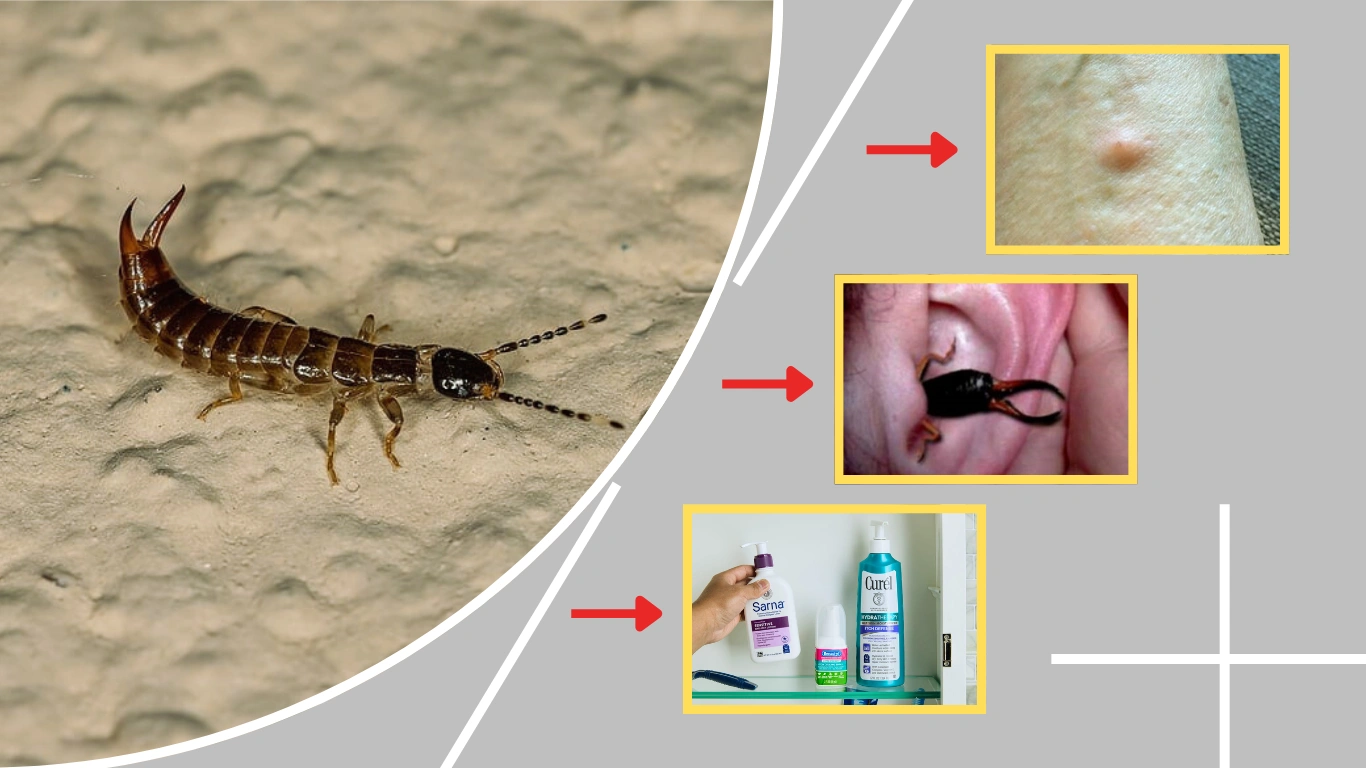
Earwigs are creepy-looking insects that often cause unnecessary panic, especially when people wonder if they bite. While they have sharp pincers that look intimidating, most earwig encounters are harmless. However, when they do pinch—or rarely bite—it can cause mild skin irritation, discomfort, or even confusion with other insect bites. In this article, you’ll learn everything about earwig bites, including symptoms, treatment, pictures, and how to prevent them. Whether you’re dealing with an itchy mark or just curious, this guide clears up the myths and shows you how to stay safe.
What Is an Earwig?
Earwigs are small, nocturnal insects known for their long, forcep-like pincers at the back of their abdomen. They belong to the order Dermaptera and are usually brown or black in color, measuring between 0.5 to 1 inch in length. Despite their scary appearance, earwigs are generally harmless to humans and are more of a nuisance than a threat.
They are commonly found in moist, dark environments like under rocks, mulch, or inside bathrooms and basements. Earwigs are omnivores, feeding on plants, other insects, and decaying organic matter. The belief that they crawl into human ears is largely a myth and not supported by scientific evidence.
Do Earwigs Bite?

Technically, earwigs don’t bite in the traditional sense. They don’t have venom or fangs like spiders or certain insects. However, they can pinch with their cerci—curved forceps at the end of their abdomen—when they feel threatened or are handled roughly.
These pinches might feel like a minor bite, especially if the skin is broken or irritated. In rare cases, the force of the pinch can cause small red marks or minor scratches, leading people to believe they’ve been bitten. But again, this is not a true “bite” and usually doesn’t lead to any serious harm.
Earwig Pinch vs. Bite: What’s the Difference?
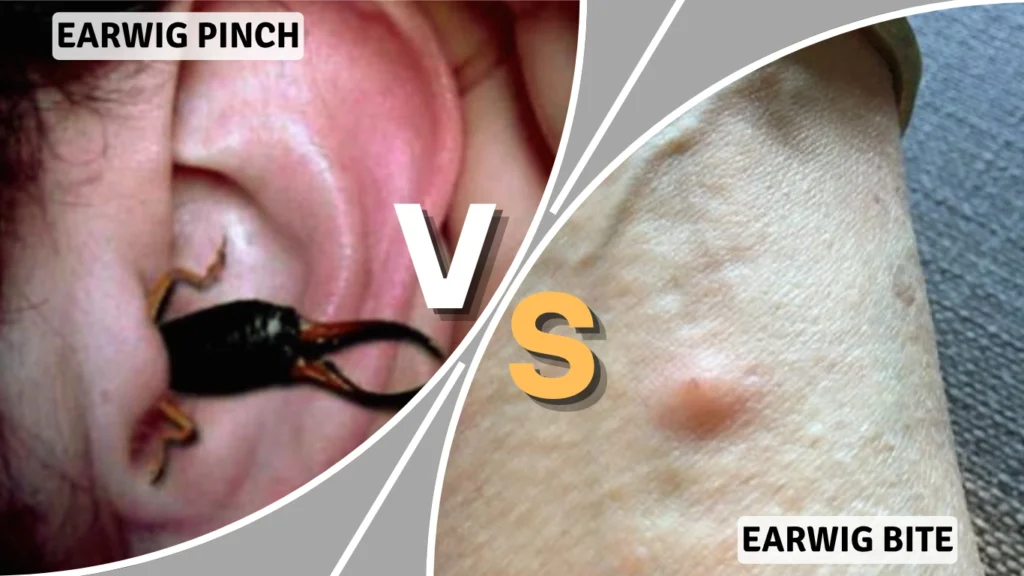
Many people confuse an earwig pinch with a bite due to the pain or mark it leaves behind. However, there’s a key difference—earwigs pinch using their cerci (pincer-like appendages), while a true bite would involve mouthparts piercing the skin, which earwigs do not typically do.
The pinch is a defensive reaction, not an act of aggression. If you accidentally trap an earwig in clothing or pick one up, it may latch on quickly with its pincers. Male earwigs usually have more curved cerci, making their pinches slightly more noticeable. While the sensation can be uncomfortable, it’s rarely dangerous and doesn’t involve venom or toxins.
Are Earwig Bites (or Pinches) Dangerous?
Earwig pinches are not considered dangerous to humans. They do not carry venom, bacteria, or diseases that can be transmitted through their pincers. In most cases, the skin may show mild redness, slight swelling, or an itchy bump—especially if you’re sensitive to insect-related irritations.
The only concern arises when the skin is broken, as this opens the door to potential secondary infections if not cleaned properly. People with sensitive skin or allergic reactions may experience more noticeable symptoms, but serious medical complications are extremely rare.
Symptoms of an Earwig Bite or Pinch

Here are the most common symptoms you might experience if pinched by an earwig:
- Mild redness or swelling at the site
- Slight pain or discomfort immediately after the pinch
- Small puncture marks or impressions, especially if the skin was caught between the pincers
- Itchiness or skin irritation, depending on sensitivity
- Temporary bruising in rare cases
These symptoms usually fade within a day or two. If the area becomes increasingly red, warm, or develops pus, it may be a sign of infection and should be checked by a doctor.
What Does an Earwig Bite Look Like? (Earwig Bite Pictures)
An earwig “bite” or pinch typically appears as a small red mark on the skin. The shape and severity can vary based on the force of the pinch and how sensitive your skin is. In some cases, the area may show:
- A pair of tiny puncture marks or pressure points
- Slight swelling or raised bump
- Localized redness
Unlike bites from mosquitoes or spiders, earwig marks are usually flat and short-lived. If the skin is scratched or irritated after the pinch, it might develop into a minor scab or welt. Including close-up pictures (if available) can help differentiate earwig pinches from other insect bites.
Do Earwig Bites Hurt?
Yes, an earwig pinch can hurt—but it’s more surprising than painful. The discomfort is generally mild and fades quickly. The pain level depends on:
- The size and strength of the earwig
- The sensitivity of the skin
- How long the cerci latch on
Most people describe it as a sharp pinch, not unlike getting snapped with a small hair clip. Children or individuals with thinner skin may feel it more intensely, but the pain is brief and not medically significant.
Treatment for an Earwig Bite or Pinch

If you’re pinched by an earwig, here’s how to treat the area safely:
Basic First Aid
- Wash the area with soap and warm water to remove any dirt or bacteria.
- Apply a cold compress to reduce swelling or redness.
- Use anti-itch cream or hydrocortisone if the area becomes irritated.
Optional Remedies
- Antihistamines can help if there’s mild allergic swelling or itchiness.
- Aloe vera gel can soothe discomfort naturally.
When to Seek Help
Visit a doctor if:
- The redness spreads
- Pus forms or the area feels hot
- You have a fever or persistent pain
Can an Earwig Bite Leave a Mark?
Yes, an earwig pinch can leave a temporary mark on the skin, especially if the pincers grip tightly or if your skin is sensitive. The mark may appear as:
- A small red spot or bump
- Light bruising or pinprick impressions
- Minor scratches if the skin was broken
These marks typically fade within 24–48 hours. However, scratching the area or not cleaning it properly may prolong healing or lead to a scab. In rare cases, minor scarring may occur if the skin was damaged and not treated correctly.
Why Does an Earwig Bite Itch?
Itching after an earwig pinch is often due to a mild histamine reaction—your body’s natural response to minor skin trauma. Other possible reasons include:
- Skin sensitivity or allergic tendencies
- Small break in the skin, which can dry and irritate
- Bacteria or dirt introduced at the pinch site
Applying an anti-itch cream, aloe vera, or even a cold compress can help reduce the itchiness. If the itching worsens or spreads, it could be a sign of infection or an allergic reaction, and you should monitor it closely.
Silverfish vs Earwig Bite
Although silverfish and earwigs may look somewhat similar, especially in dark or damp environments, they behave very differently:
- Silverfish do not bite or pinch. They lack pincers and are completely harmless to humans.
- Earwigs have pincers and can deliver a noticeable pinch if disturbed.
- Silverfish are shy and avoid humans, while earwigs may defend themselves when touched or trapped.
If you find a bug in your bathroom or basement and experience no bite or pinch, it’s more likely a silverfish. Understanding the difference helps prevent misidentification and unnecessary worry.
Ant Bite vs. Earwig Bite
At first glance, an ant bite and an earwig pinch might look similar, but there are key differences:
- Pain & Sensation: Ant bites often sting or burn, especially from fire ants, due to venom. Earwig pinches feel like pressure or a sharp squeeze but usually lack any burning sensation.
- Appearance: Ant bites can develop into white pustules or raised welts. Earwig pinches usually result in red marks or tiny indentations without pus.
- Cause: Ants actively bite to defend their colony. Earwigs only pinch when physically threatened.
Understanding these differences helps identify the true cause of any mysterious bite or mark.
How to Get Rid of Earwigs in Your Home
Controlling earwig infestations involves removing their hiding places and reducing moisture. Here’s how:
- Seal entry points: Caulk cracks, crevices, and foundation gaps.
- Eliminate moisture: Fix leaky pipes, use dehumidifiers, and avoid overwatering plants.
- Remove debris: Clear mulch, leaves, woodpiles, and other organic materials near your home’s foundation.
- Use traps: Rolled-up damp newspapers or cardboard tubes attract earwigs overnight.
- Insecticides: Apply earwig-specific insecticides along baseboards, basements, and exterior perimeters if the infestation is severe.
Routine prevention and dryness are key to keeping earwigs out of your living space.
Do Earwigs Go in Your Ear? (Myth Explained)
One of the oldest and most unsettling myths is that earwigs crawl into human ears to lay eggs or burrow into the brain. This idea is pure fiction.
- Origin of the Myth: The name “earwig” comes from Old English ēare (ear) and wicga (insect), likely inspired by their elongated body shape.
- Scientific Fact: There’s no evidence that earwigs intentionally enter ears. Like most insects, they prefer damp, dark places—just not your head.
- Rare Cases: On rare occasions, bugs of various types (including earwigs) have been found in ears, but it’s not common or specific to this insect.
FAQs
1. Can earwigs transmit diseases?
No, earwigs do not carry or transmit diseases to humans. Their pinch is mechanical, not venomous or infectious.
2. How often do earwigs bite humans?
Very rarely. Earwigs prefer to hide and avoid humans. They only pinch when handled or threatened.
3. What’s the fastest way to reduce itchiness?
Apply a cold compress and anti-itch cream such as hydrocortisone. Aloe vera or calamine lotion can also soothe irritation.
4. Are children more vulnerable to earwig bites?
Children may be more sensitive to skin irritation but are not at increased risk of danger. Teach them not to handle bugs directly.
5. Can pets get bitten by earwigs?
Yes, pets may be pinched if they nose around infested areas, but it’s not harmful. Just monitor the area for irritation and clean it gently.
