
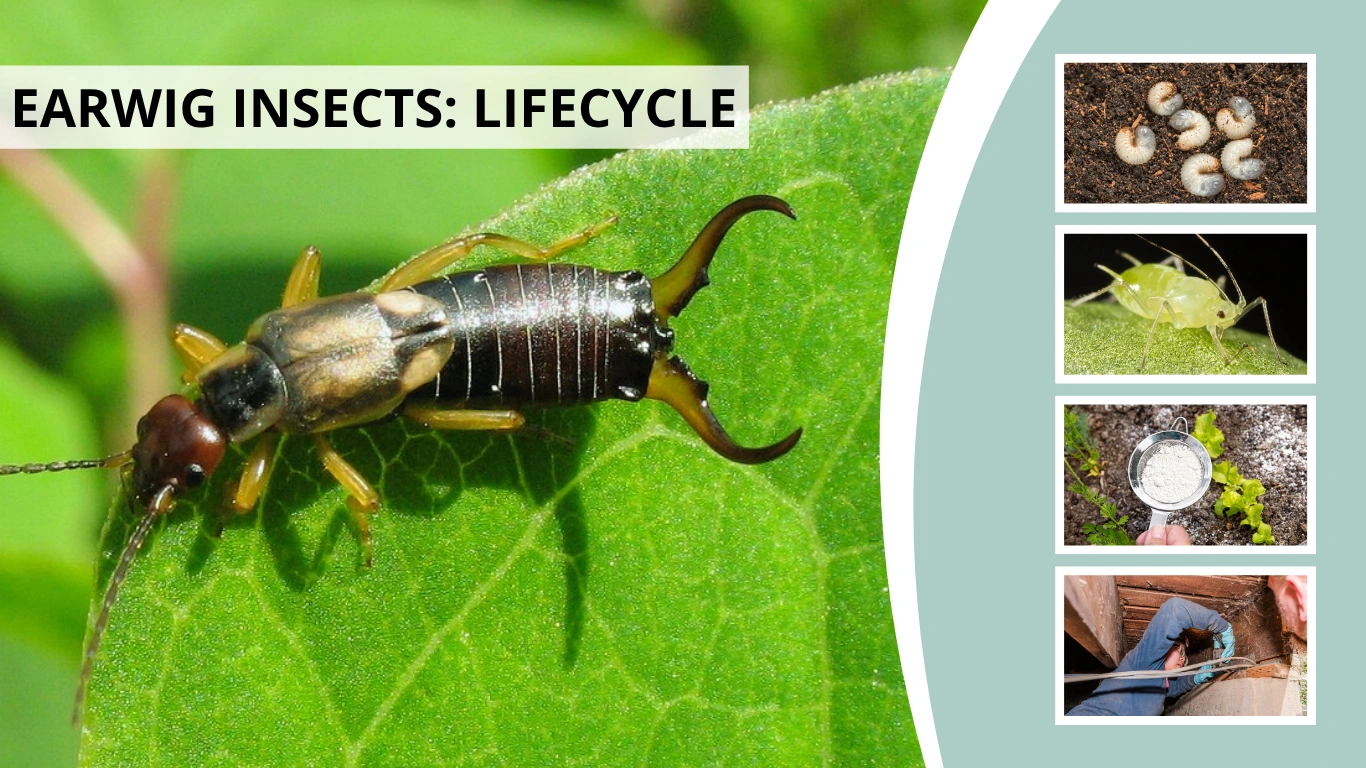
Earwigs are small insects that often spark curiosity and fear—mainly due to their intimidating pincers and the long-standing myth that they crawl into human ears. But these misunderstood bugs are more helpful than harmful. In this complete guide, you’ll learn what an earwig really is, how to identify it, whether it bites, how to get rid of them, and what they do in your house or garden. From life cycle to natural control tips, this article covers everything you need to know about earwigs based on real search trends and accurate science.
What Is an Earwig?

Earwigs are small, nocturnal insects best known for the forceps-like pincers on their abdomen. While their appearance can be alarming, earwigs are generally harmless and play a helpful role in nature by feeding on decaying matter and garden pests.
Classification and Overview
- Belong to the insect order Dermaptera
- Over 2,000 species worldwide
- Commonly called “pincher bugs” due to their rear pincers
Physical Features
Earwigs have elongated, flat bodies usually ranging from 5 to 25 mm in length. Their coloration varies from light brown to dark reddish-black. The most distinguishing feature is the pair of curved pincers (cerci) at the back—more curved in males and straighter in females.
Pincers: Function and Appearance
The pincers serve multiple purposes:
- Defense against predators
- Mating behavior and competition
- Folding and unfolding wings (in winged species)
Despite their intimidating look, these pincers are not strong enough to harm humans in any significant way.
Wings and Flight
Some species of earwigs possess functional hindwings folded underneath short forewings, but most are rarely seen flying. Flight is uncommon and usually only occurs when they are disturbed or migrating to a new habitat.
Other Common Names
In many regions, especially in the U.S. and Canada, earwigs are casually known as “pincher bugs” due to the prominent cerci. Both names refer to the same insect.
Why Is It Called an Earwig?
The name “earwig” has origins in Old English, combining the words ēare (ear) and wicga (insect). This unusual name gave rise to one of the most persistent myths in insect folklore—that earwigs crawl into human ears while we sleep. Though widely repeated, this belief has no scientific basis.
Name Origin and Myth
Historically, people believed earwigs would enter the ears of sleeping individuals and burrow into their brains. This fear led to the insect’s unsettling name. However, entomologists confirm that while an earwig could accidentally end up in an ear—just like any tiny bug—it is extremely rare and not part of their natural behavior.
Modern Understanding
Today, we know that earwigs prefer damp soil, mulch, and decaying wood—not human ears. The name is a product of superstition and has stuck simply because of how creepy the idea sounds.
Earwig Anatomy and Scientific Classification
Earwigs have a simple yet efficient body structure adapted for life in dark, moist environments. Their body parts each serve a role in survival, hunting, and mating.
Scientific Classification
- Kingdom: Animalia
- Phylum: Arthropoda
- Class: Insecta
- Order: Dermaptera
This order includes all true earwigs, with more than 2,000 species recorded globally.
Body Structure
Earwigs have three main body parts like other insects: head, thorax, and abdomen. Their elongated body is flattened and flexible, which allows them to hide in tight spaces.
Cerci (Pincers)
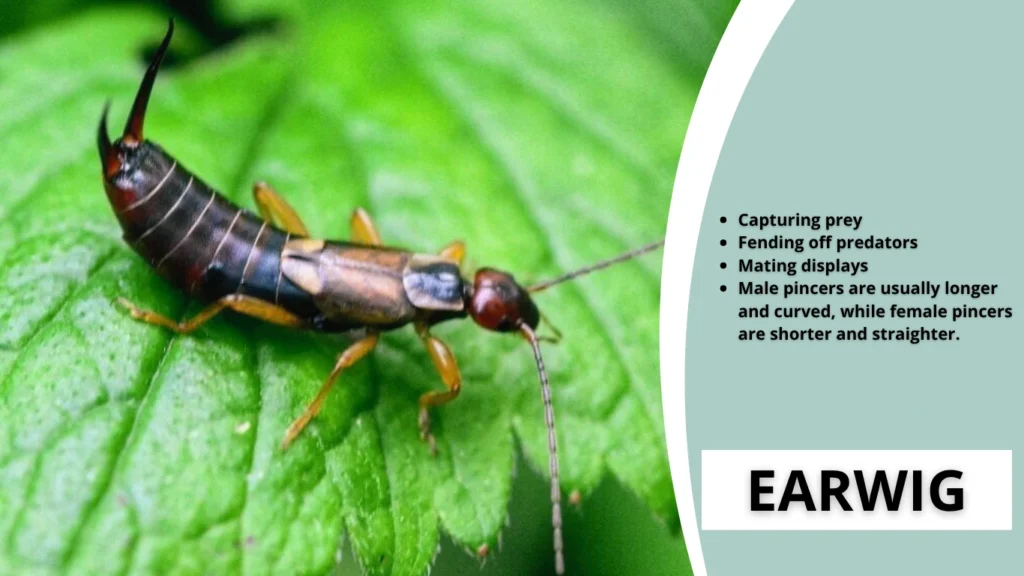
The pincers, or cerci, are the most iconic feature. They are used for:
- Capturing prey
- Fending off predators
- Mating displays
Male pincers are usually longer and curved, while female pincers are shorter and straighter.
Antennae and Legs
They have long, thread-like antennae for sensing their surroundings and six legs adapted for crawling through soil, leaves, and debris.
Types of Earwigs
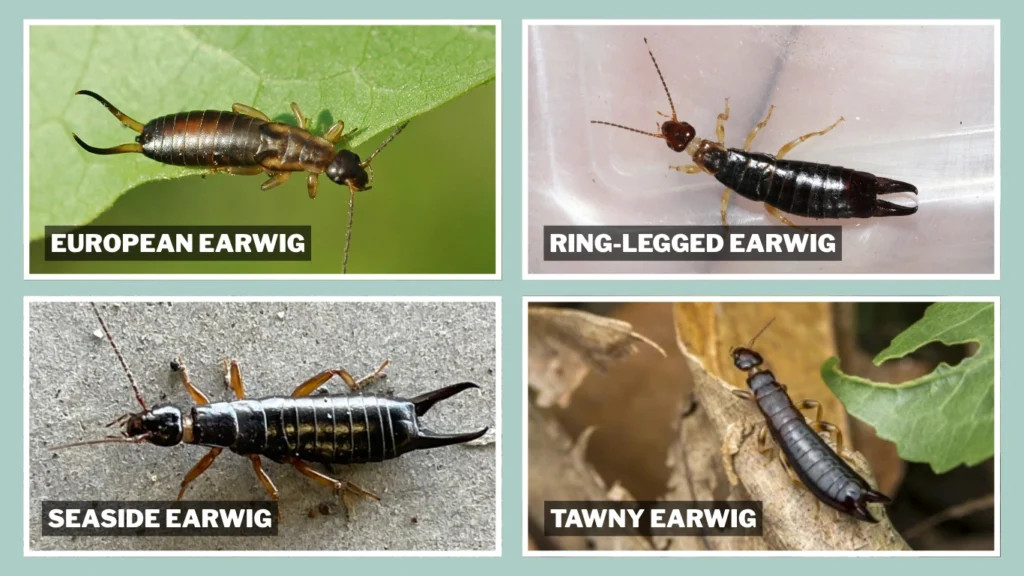
While over 2,000 species of earwigs exist globally, only a handful are commonly encountered by humans. These species vary in size, color, habitat, and behavior but share similar anatomical traits like pincers and elongated bodies.
Common Earwig Species
- European Earwig (Forficula auricularia): Most widespread species; commonly found in gardens and homes across Europe and North America.
- Ring-Legged Earwig (Euborellia annulipes): Small, wingless, and commonly seen in compost piles and under mulch.
- Seaside Earwig (Anisolabis maritima): Found near coastal areas, especially under rocks and seaweed.
- Tawny Earwig (Labidura truncata): Larger species often seen in warmer climates and gardens.
- Saint Helena Earwig (Labidura herculeana): Once the largest known species; now considered extinct.
These species can differ in coloration, behavior, and wing presence, but all possess functional cerci and follow a similar life cycle.
Earwig Life Cycle

Earwigs undergo incomplete metamorphosis, which means they do not have a pupal stage like butterflies or beetles. Instead, they go through three main stages: egg, nymph, and adult.
Stages of Development
- Egg: Laid in moist soil or under debris by the female, who guards and cleans them to prevent mold.
- Nymph: Resemble small adults but lack fully developed wings and pincers. They molt several times as they grow.
- Adult: Fully developed pincers and, in some species, functional wings. Adults continue the reproductive cycle.
Maternal Behavior
Female earwigs are one of the few insect mothers that show care for their young. They guard the eggs and early-stage nymphs, protecting them from predators and fungal infection until the first molt is complete.
Earwig Eggs and Nymphs

The reproductive behavior of earwigs is unique among many insects due to their maternal care. The development from egg to adult occurs entirely in moist, hidden environments like soil or leaf litter.
Earwig Eggs
Female earwigs lay clusters of 20 to 80 eggs in underground chambers during late winter or early spring. These eggs are:
- White or pale yellow
- Oval-shaped and smooth
- Laid in moist, protected soil
The mother stays with the eggs, regularly cleaning and guarding them until they hatch, which takes about 1 to 3 weeks depending on temperature and humidity.
Nymph Development
Once hatched, earwig nymphs look like miniature versions of adults, but:
- Their pincers are smaller and softer
- Wings (if any) are undeveloped
- They go through 4 to 5 molts before becoming adults
During their early life stages, nymphs remain with the mother for protection and begin independent feeding after their first molt.
Do Earwigs Have Wings and Can They Fly?

Many people are surprised to learn that some species of earwigs do have wings. However, their appearance and behavior can be misleading, as earwigs are rarely seen flying.
Wing Structure
Earwigs have:
- Short, leathery forewings that act as protective covers
- Large, fan-shaped hindwings folded underneath (in winged species)
These wings are intricately folded like origami and require the use of pincers to unfold properly.
Flight Behavior
Although capable of flight, earwigs:
- Rarely fly, even if they have functional wings
- Prefer to crawl through tight spaces and ground-level vegetation
- May fly short distances only when disturbed or migrating
Some common species, like the European Earwig, do possess wings but are typically grounded throughout their lives.
Are Earwigs Dangerous?
Despite their creepy appearance and fearsome pincers, earwigs are not dangerous to humans. They do not carry venom or transmit diseases and are not known to infest human bodies or bite aggressively.
Myths vs Reality
- Myth: Earwigs crawl into human ears and burrow into the brain.
- Reality: This is false. While it’s possible for any small insect to accidentally enter an ear, earwigs do not seek out ears and pose no medical threat.
Their pincers may look intimidating, but they are primarily used for defense and mating, not for harming humans.
Health Risks
- No venom or toxins
- No stingers
- Do not spread bacteria or viruses
Occasionally, a defensive pinch may cause slight discomfort or a small red mark, but it’s generally harmless.
Earwig Bites: Truth vs Fear
Earwigs do not bite in the way spiders or mosquitoes do. They lack fangs and venom glands. What people often refer to as an “earwig bite” is actually a pinch from their rear pincers.
Do Pinches Hurt?
- Mild pinch may be felt if the insect feels threatened
- Males with curved pincers may grip a bit harder
- Skin is rarely broken, and there’s typically no swelling
Treatment if Pinched
- Wash the area with soap and water
- Apply a cold compress if there is redness or discomfort
- Use antiseptic if the skin is scratched
There’s no need for medical treatment unless signs of infection develop, which is extremely rare.
Earwigs in the House

Earwigs often become unwanted houseguests, especially during hot, dry weather or after heavy rain. While they don’t damage the structure of a home, their sudden appearance can be unsettling.
Why Earwigs Enter Homes
- Seeking moisture during dry spells
- Looking for cool, dark shelter
- Attracted to lights at night
- Following plant material or firewood brought indoors
They typically enter through cracks, under doors, or around utility pipes and are commonly found in bathrooms, basements, kitchens, and laundry areas.
Where They Hide Indoors
- Under sinks and bathroom mats
- In damp basements and laundry rooms
- Inside folded towels, laundry piles, or cardboard boxes
They’re nocturnal and hide during the day, making their presence less obvious until nightfall.
Earwig Infestation: Causes and Signs

A single earwig indoors may not be cause for concern, but spotting multiple over several days may indicate a larger infestation or ideal habitat nearby.
Common Causes
- Excess humidity in basements or bathrooms
- Mulch, leaf litter, or woodpiles close to the home’s foundation
- Cracks and gaps in walls, windows, or doors
- Overwatering indoor plants creating damp soil
Signs of Infestation
- Frequent earwig sightings at night
- Clusters of insects under damp items or in crawl spaces
- Damage to indoor or outdoor plants
- Presence in kitchen, bathtub, or around drains
While not dangerous, large numbers can become a persistent nuisance if not addressed.
How to Get Rid of Earwigs

Managing earwigs effectively involves eliminating their hiding spots, reducing moisture, and sealing entry points. These steps can greatly reduce both indoor and outdoor populations.
Steps for Earwig Removal
- Reduce Moisture: Fix leaks, ventilate damp areas, and use dehumidifiers in basements or bathrooms.
- Seal Entry Points: Caulk cracks around windows, doors, and utility pipes.
- Clear Organic Debris: Remove mulch, leaf piles, wood stacks, and overgrown vegetation near the home.
- Outdoor Lighting: Switch to yellow bug lights to reduce nighttime attraction.
- Monitor: Use sticky traps or check damp areas regularly to track activity.
When done consistently, these methods help prevent further infestation and make your home less attractive to earwigs. Here is the in details guide about Earwig get rid.
DIY and Natural Earwig Control

For those avoiding chemical solutions, several effective do-it-yourself and natural remedies can control or repel earwigs safely around the home and garden.
Natural Remedies
- Oil & Soy Sauce Trap: Fill a shallow container with equal parts vegetable oil and soy sauce. Bury it flush with soil to attract and trap earwigs overnight.
- Neem Oil Spray: Acts as a natural insecticide; spray on plants or entry points.
- Diatomaceous Earth: Sprinkle around garden beds or inside wall gaps—kills earwigs by dehydrating them.
- Essential Oils: Scents like lavender, peppermint, and eucalyptus can deter earwigs. Mix with water and spray in problem areas.
- Crumpled Newspaper Trap: Leave damp newspaper rolls out overnight; in the morning, discard them with trapped earwigs.
These methods are pet-safe and ideal for indoor use or organic gardening.
Earwig Pest Control and Extermination
If natural remedies don’t work and the infestation is large, professional pest control may be necessary. Pest control services use targeted treatments to eliminate current populations and prevent future ones.
When to Call a Professional
- Continuous sightings indoors despite DIY efforts
- Large outdoor populations near entry points
- Infestations affecting indoor plants or food areas
Extermination Methods
- Perimeter spraying with insecticides
- Indoor crack and crevice treatment
- Granular treatments for gardens and mulch beds
Extermination Cost
Professional earwig extermination typically costs between $100 to $300, depending on home size, infestation severity, and frequency of service. Many services offer seasonal or quarterly treatment plans.
Earwig Habitat and Diet

Earwigs are primarily nocturnal and prefer moist, dark, and cool environments, both indoors and outdoors. Their habitat and diet contribute to their role as both scavengers and occasional garden pests.
Common Outdoor Habitats
- Under rocks, logs, mulch, and flowerpots
- In compost bins, garden beds, and woodpiles
- Around leaky hose spigots or damp foundations
Indoor Habitats
- Basements, bathrooms, laundry rooms
- Under sinks, dishwashers, and near drains
- In folded towels or laundry piles
What Earwigs Eat
- Insects: Aphids, mites, soft-bodied larvae
- Organic debris: Decaying plants and leaves
- Fruits and flowers: Especially tender seedlings and petals
They are opportunistic feeders and can be beneficial in small numbers by helping control garden pests.
Earwig Damage in Gardens
Though helpful in pest control, large numbers of earwigs can cause visible damage to plants—especially during warm, wet seasons when their population peaks.
Signs of Earwig Plant Damage
- Irregular holes in leaves and petals
- Nibbled flower buds, fruits, or seedlings
- Slime trails near feeding sites (sometimes mistaken for slug damage)
Commonly Affected Plants
- Zinnias, dahlias, marigolds
- Lettuce, strawberries, and corn silk
- Soft fruits like peaches and plums
Prevention Tips
- Remove excess mulch and debris
- Water plants early in the day to dry surfaces by night
- Set up traps near plant bases
- Use diatomaceous earth around sensitive plant beds
Common Comparisons: Earwig vs Other Bugs
Because of their size, shape, and nocturnal habits, earwigs are often confused with other insects. Understanding the differences helps in accurate identification and proper pest control.
Earwig vs Silverfish
- Appearance: Silverfish are silvery-gray, with a teardrop shape and long bristles at the rear. Earwigs are darker, more cylindrical, and have noticeable pincers.
- Movement: Silverfish are fast and wriggle like fish. Earwigs crawl slowly or scurry.
- Damage: Silverfish eat paper, glue, and fabrics; earwigs target organic matter and plants.
- Habitat: Both prefer moist, dark environments like bathrooms and basements.
Earwig vs Cockroach
- Appearance: Cockroaches are broader, have long wings, and lack pincers. Earwigs are thinner and have visible forceps.
- Speed: Cockroaches move very fast; earwigs are slower.
- Behavior: Cockroaches infest food areas and spread germs; earwigs do not infest pantries and are cleaner by comparison.
FAQs About Earwigs
Do earwigs really crawl into your ear?
No. This is a myth. Earwigs don’t seek out human ears and very rarely, if ever, end up in one accidentally.
Are earwig bites dangerous?
Earwigs do not bite. If pinched, it’s not venomous and usually doesn’t break the skin.
Can earwigs fly?
Some species can fly, but most rarely do. Their wings are folded under short forewings and are used infrequently.
What attracts earwigs to my home?
Moisture, organic debris, and lights at night. They enter through cracks or gaps during dry or hot weather.
How do I get rid of earwigs naturally?
Use traps, essential oil sprays, or diatomaceous earth. Reducing moisture and sealing entry points are also key.
