

The European earwig (Forficula auricularia) is one of the most widespread earwig species in the world, often recognized by its curved pincers and quick movements. While they may look intimidating, European earwigs play a complex role in homes and gardens. They can be both beneficial and disruptive depending on their population and location. Understanding their behavior, habitat, and risks helps homeowners and gardeners manage them effectively without unnecessary fear. This guide breaks down everything you need to know about European earwigs.
What Is the European Earwig?

Scientific Classification
The European earwig belongs to the order Dermaptera, a group known for insects with paired abdominal pincers. Its scientific name is Forficula auricularia, and it is one of the best-studied species within its family. Characterized by its long, narrow body and distinctive cerci, this earwig has become a recognizable insect across Europe, North America, and many parts of the Southern Hemisphere.
Key Characteristics
European earwigs are typically reddish-brown to dark brown with a flattened, elongated shape. Adults measure about 12–16 mm in length, not including the pincers. Male earwigs have strongly curved cerci, while females have straighter, more delicate pincers. Their head is rounded with simple mouthparts, and their body is segmented, giving them a flexible appearance. Despite their alarming look, earwigs are not aggressive and usually avoid human contact.
Can European Earwigs Fly?
European earwigs possess wings and are technically capable of flight. Their hind wings are large and intricately folded beneath short, leathery forewings. However, they fly only in rare situations. Because their wings are delicate and require significant effort to unfold, they prefer to stay grounded. Most movement occurs on foot, allowing them to quickly navigate through soil, mulch, and debris.
Identification Guide

Size, Appearance & Cerci Shape
Adults range from half an inch to slightly over an inch in length, depending on sex and nutrition. Males have thick, curved pincers that form a dramatic arch, while females have thinner, gently curved pincers. These cerci help with defense, capturing prey, and mating behaviors. Juvenile earwigs, known as nymphs, look similar to adults but are smaller, paler, and lack fully formed pincers.
Life Cycle & Metamorphosis
European earwigs undergo incomplete metamorphosis, progressing from egg to nymph to adult. Females lay clusters of eggs in protected soil chambers and show unusual maternal care for insects: they clean, defend, and warm their eggs until they hatch. Nymphs go through several molts, gradually developing mature body parts, wing pads, and distinct cerci. This life cycle allows them to adapt quickly to their environment.
Photos, Visual Markers & Common Lookalikes
European earwigs are sometimes confused with other dark, elongated insects such as rove beetles or ground beetle larvae. The easiest way to identify them is by their forceps-like pincers at the abdomen’s tip. Their short, shield-like forewings also differentiate them from beetles. Recognizing these traits helps you distinguish them from genuinely harmful pests.
Habitat, Range & Behavior

Natural Habitat
European earwigs thrive in moist, dark environments such as under rocks, mulch, logs, and garden debris. These locations protect them during the day, as they are primarily nocturnal and prefer coming out at night. They are especially attracted to areas rich in organic matter, where food and shelter are easily available.
Global Distribution
Although native to Europe, this earwig species has spread worldwide. It became established in North America by the early 1900s and is now common in the United States and Canada. It is also found in Australia, New Zealand, and parts of Asia. Their ability to adapt to different climates and environments has made them a resilient, widespread insect.
Niche & Ecological Role
European earwigs serve multiple roles in the ecosystem. They act as decomposers, feeding on decaying organic material and helping break it down into healthy soil components. They also eat small insect pests, contributing to natural pest control. However, their omnivorous diet means they may also feed on living plants, making them both beneficial and occasionally problematic in gardens.
Diet & Daily Behavior

What European Earwigs Eat
European earwigs are opportunistic feeders. Their diet includes dead plant matter, flowers, soft fruits, vegetables, and small insects such as aphids or mites. This versatility allows them to survive in a wide range of environments. In gardens, they may cause noticeable plant damage when populations grow too large.
Nocturnal Activity & Feeding Patterns
Earwigs are active primarily at night, when they search for food and moisture. Their preference for darkness helps them avoid predators and reduces dehydration. During the day, they hide in tight, cool spaces like soil cracks, garden pots, or mulch piles. This behavior is why homeowners often find them suddenly when moving items outdoors.
Predators & Threats
European earwigs have several natural predators that help regulate their populations. Birds, amphibians, spiders, centipedes, and certain beetles frequently feed on them. Even ground-dwelling mammals may consume earwigs while foraging through soil or garden debris. Their nocturnal habits help reduce exposure to predators, but they remain an important food source for many species. Natural predation keeps earwig numbers manageable in outdoor ecosystems.
Are European Earwigs Dangerous?

Do European Earwigs Bite or Pinch?
European earwigs do not bite humans, but they can pinch using their cerci when threatened. These pinches are generally mild and more surprising than painful. The pincers may leave slight redness or a temporary mark but rarely break the skin. Male earwigs have stronger cerci and may pinch harder than females, yet even these pinches are not medically significant.
Are They Harmful to Humans or Pets?
European earwigs are not poisonous or venomous. They do not carry diseases, and they pose almost no risk to humans or household pets. Cats or dogs may encounter earwigs accidentally and receive a harmless pinch. If a pet eats an earwig, it typically causes no adverse effects because these insects are not toxic. Their menacing appearance often leads to misplaced fear, but in reality, they are one of the least harmful insects commonly found around homes and gardens.
Do They Crawl into Ears? (Myth vs Reality)
The myth that earwigs crawl into human ears is widely believed but completely unfounded. The name “earwig” likely originated from old European folklore, not scientific behavior. While any small insect could theoretically enter an ear accidentally, European earwigs do not seek out humans or intentionally enter ears. Their natural hiding places are soil, mulch, and debris—not people.
European Earwigs Indoors
Why They Enter Homes
European earwigs may wander indoors in search of moisture, food, or shelter. Weather patterns—such as heatwaves, heavy rain, or drought—often drive them inside. Bathrooms, basements, kitchens, and laundry rooms are their favorite indoor locations because these areas remain cool and humid. They typically enter through cracks, gaps, vents, or poorly sealed doors.
Signs of an Infestation
Finding occasional earwigs inside is normal, but repeated sightings may indicate an abundance of moisture or an entry point that needs sealing. Common signs include earwigs hiding under mats, behind washing machines, or near drains. You may also find them in damp cardboard, potted plants, or piles of laundry left on the floor.
Are European Earwigs Harmful Indoors?
Indoors, European earwigs cause no structural damage. They do not chew walls, fabrics, furniture, or wiring. They do not breed indoors frequently, nor do they form colonies like termites or ants. Their presence tends to be temporary and harmless, though unpleasant for homeowners. Reducing humidity and sealing entry points usually resolves indoor activity quickly.
How to Get Rid of European Earwigs
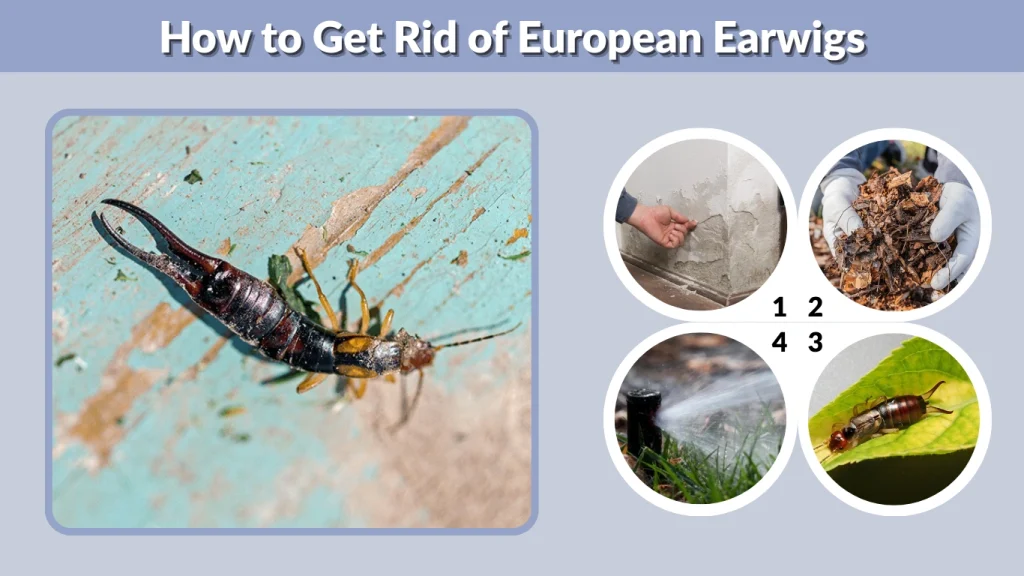
Indoor Control Methods
Controlling earwigs indoors begins with eliminating moisture. Fix leaky pipes, improve ventilation, use dehumidifiers, and keep sinks or showers dry. Remove clutter that provides hiding spaces, especially in basements or bathrooms. Seal cracks around windows, door frames, and foundation walls to limit entry. Sticky traps placed along baseboards or behind appliances can capture wandering earwigs.
Outdoor Treatment Strategies
Outdoors, earwigs thrive in damp, shaded environments. Reducing these conditions can significantly lower their population. Thin out heavy mulch, clear leaf litter, and remove piles of wood or debris. Water gardens during the morning instead of at night to prevent moisture buildup. Turning soil periodically can expose earwigs to sunlight and predators, naturally reducing their numbers.
Natural vs Chemical Control
Natural control methods are often effective and safer for gardens and pets. Oil and soy sauce traps, rolled newspaper bundles, and cardboard tubes work well as morning-disposal traps. If populations remain high, garden-safe insecticides or perimeter sprays can help, though they are best used sparingly. For severe or persistent infestations, professional pest control may be necessary to identify hidden moisture sources or large breeding sites.
Best European Earwig Traps
DIY Household Traps
Homemade traps are inexpensive and highly effective. A simple oil-and-soy-sauce mixture placed in a shallow container attracts earwigs, causing them to drown. Rolled, slightly damp newspapers or cardboard tubes create dark shelters where earwigs gather overnight. These traps can be collected and discarded each morning to gradually reduce populations.
Commercial Traps & Killers
Store-bought traps, such as sticky traps or baited lures, provide additional control. Sticky traps work well indoors, while outdoor bait stations can reduce earwig numbers around foundations. Some insecticidal granules or sprays are designed specifically for earwigs, offering quick results when applied correctly around problem areas.
Prevention Tips
Indoor Prevention
Preventing earwig entry starts with maintaining a dry home. Repair plumbing leaks, run exhaust fans, and use dehumidifiers in damp rooms. Seal cracks along foundation walls, window frames, and door thresholds to keep earwigs out. Store cardboard items off the floor and avoid leaving damp towels or laundry piled in corners.
Outdoor Prevention
Outdoor prevention focuses on maintaining a clean, dry yard. Keep vegetation trimmed away from the home and avoid piling mulch thickly near foundations. Remove fallen leaves, dead plants, and rotting wood that earwigs use for shelter. Storing firewood at least a few feet from the house reduces hiding spots and lowers the chance of accidental indoor migration.
FAQs
What does a European earwig look like?
A European earwig is a slender, reddish-brown insect with noticeable pincers at the tip of its abdomen. Males have thick, curved cerci, while females have straighter ones. They also have short forewings, hidden hindwings, and long antennae, making them easy to recognize when compared to similar insects.
Do European earwigs bite or harm humans?
European earwigs do not bite humans, and their pincers rarely cause more than mild discomfort. They are not venomous or poisonous, and they do not spread diseases. Most interactions are harmless, with pinches occurring only when the insect feels trapped or threatened, making them low-risk household pests.
Why do European earwigs come into houses?
European earwigs enter homes mainly seeking moisture, shelter, and temperature stability. Bathrooms, basements, and kitchens attract them because these spaces remain cool and damp. Seasonal weather changes—like heatwaves or heavy rain—can increase indoor sightings, but their presence is temporary and not a sign of structural infestation.
Are European earwigs harmful to gardens?
European earwigs can damage young plants, flowers, and tender vegetables when populations grow large. However, they also eat aphids and other pests, making them partially beneficial. Their impact depends on numbers—small populations help gardens, while larger groups may require control methods to prevent plant damage.
How can I get rid of European earwigs effectively?
Effective control starts with reducing moisture indoors and outdoors. Indoors, seal cracks, run dehumidifiers, and set sticky traps. Outdoors, thin heavy mulch, remove debris, and place oil-based traps overnight. For persistent problems, garden-safe insecticides or professional pest control may be needed to eliminate breeding sites and reduce populations.
