

German cockroaches are small, fast, and one of the most stubborn pests you can find indoors. But there’s a lot more to them than just their size.
In this article, I’ll share 17 important facts that reveal how they live, where they hide, and why early action is the key to stopping them.
1. They Are One of the Most Common Household Pests
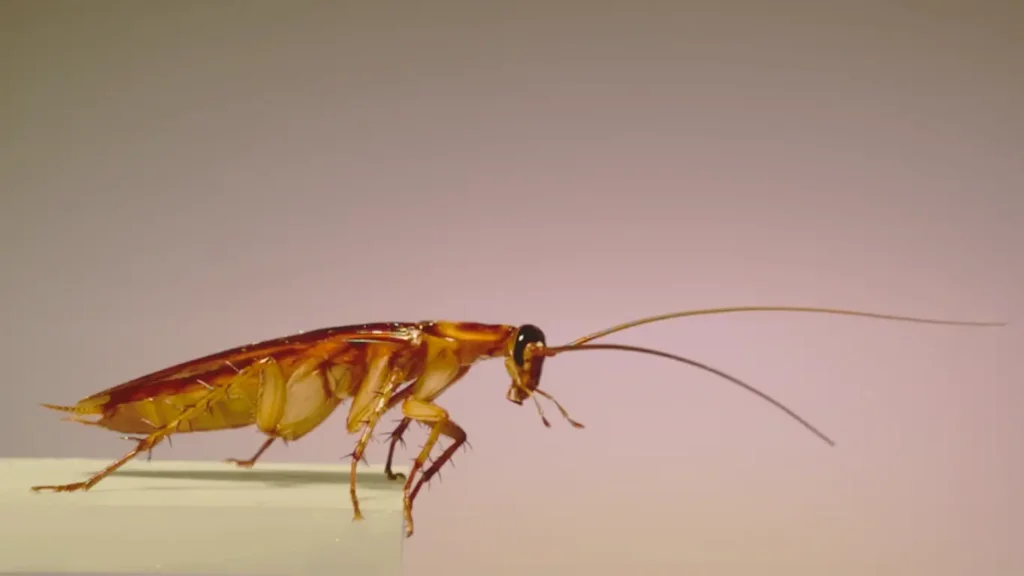
The German cockroach is known as one of the most widespread indoor pests in the world. These tiny invaders are commonly found in homes, restaurants, hotels, and anywhere food is prepared or stored. Unlike some other cockroach species, German cockroaches prefer to live indoors all year round.
They are especially common in apartments and buildings where it’s easy to move from one unit to another through pipes and walls. Once they get inside, they hide in warm, dark places like under stoves, inside cabinets, or behind fridges.
Because they are so good at hiding and breeding quickly, many people don’t even know they have a problem until the infestation grows large. That’s why early detection is so important.
2. German Cockroaches Are Surprisingly Small but Fast
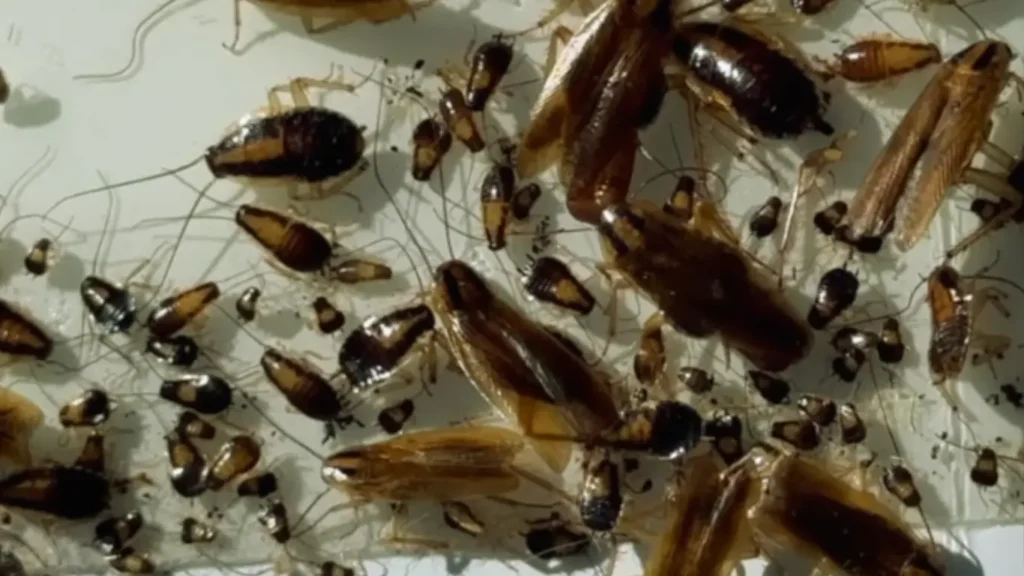
German cockroaches are smaller than many people expect. Adults are usually about 1/2 inch long, which makes them hard to spot unless you look closely. Their small size helps them squeeze into tiny cracks and tight spaces around your home—especially in kitchens and bathrooms.
But don’t let their size fool you. These cockroaches are very fast movers. If you turn on a light suddenly, you might see one dart across the floor or disappear under a cabinet. They use their speed to escape danger and search for food at night.
This quick movement, along with their small body, makes them one of the hardest pests to catch and one of the easiest to miss until it’s too late.
3. They Have Two Dark Stripes Behind Their Head

One of the easiest ways to identify a German cockroach is by the two dark stripes on its back. These stripes run from just behind the head down to the base of the wings. They are clearly visible on adult roaches and are one of the best signs to tell them apart from other species.
These markings are not just for looks—they’re a key feature that pest experts use for identification. If you’re not sure what kind of roach you’ve seen, look for these two straight lines. American and Oriental cockroaches don’t have them.
Even baby German cockroaches (nymphs) show these stripes faintly as they grow. So whether you see a big one or a small one, the lines are a strong clue.
4. Their Scientific Name Is Blattella germanica

The scientific name of the German cockroach is Blattella germanica. This name helps scientists and pest control professionals identify them clearly. Despite the name, these cockroaches are not actually from Germany—they are believed to have originated from Southeast Asia.
The name “German” likely came from early European studies of the insect, but today they are found all over the world. From city apartments to rural kitchens, these roaches have adapted to live anywhere humans do.
Knowing the scientific name is useful when researching treatments or reading pest guides. If you see Blattella germanica on a pest control label or report, it’s referring to this common indoor cockroach.
5. Female German Cockroaches Carry Egg Cases Until Hatching
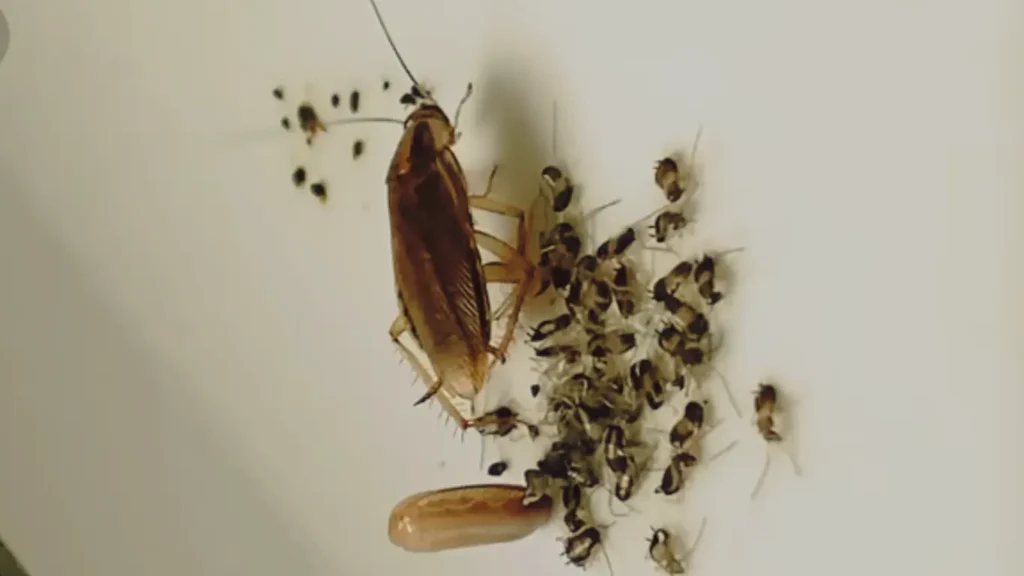
One of the unique things about German cockroaches is how the female carries her egg case. Instead of hiding it somewhere, she keeps it attached to her body until the eggs are nearly ready to hatch. This gives the eggs extra protection and raises the chance of survival.
The egg case, called an ootheca, is a small, brown capsule that sticks out from the back of the female. Inside, there can be 30 to 40 eggs, all growing at the same time.
Carrying the eggs means that even if you only see one roach, she might be bringing dozens more with her. That’s why it’s so important to act fast if you spot a female with an egg case.
6. Each Egg Case Can Hold Up to 40 Eggs

German cockroaches reproduce very quickly, and part of the reason is the size of their egg cases. Each ootheca can hold 30 to 40 eggs, which is more than many other cockroach species. A single female can produce several of these during her lifetime.
Once the eggs hatch, tiny baby cockroaches—called nymphs—come out and begin growing. Within just a few weeks, they become adults and start laying more eggs of their own.
This fast cycle makes it easy for a small infestation to grow into a big problem. Even if you only see one or two cockroaches, there could be hundreds more coming soon, hiding behind walls or inside cabinets.
7. They Reproduce Extremely Fast
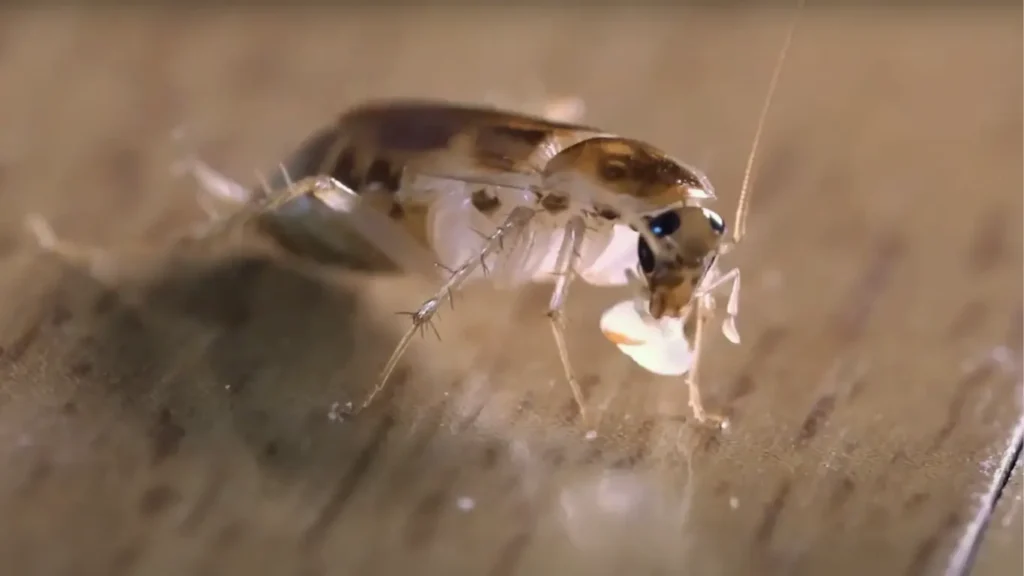
German cockroaches are known for how quickly they multiply. From egg to adult, it takes only about 2 to 3 months under the right conditions. And once they become adults, they start reproducing almost right away.
A single female can produce thousands of offspring in just a few months. This is why infestations grow so fast and are hard to control once they begin. Even if you get rid of a few visible roaches, the hidden eggs and young ones can restart the cycle quickly.
That’s why treatment must target all life stages—eggs, nymphs, and adults—to truly stop the infestation.
8. Baby German Cockroaches Are Called Nymphs

When German cockroach eggs hatch, the tiny insects that come out are called nymphs. These are baby cockroaches, but they don’t look exactly like the adults. Nymphs are darker in color, smaller in size, and don’t have wings.
As they grow, they go through several stages, shedding their skin each time. This is called molting. After each molt, they look more and more like adult roaches. In warm places with food and water, nymphs can grow into adults in just 6 to 8 weeks.
Seeing nymphs in your home is a serious warning sign. It means cockroaches are not just visiting—they’re breeding and living somewhere inside.
9. They Go Through Multiple Growth Stages Called Instars

German cockroaches don’t grow all at once. They go through a step-by-step process called instars. Each instar is a stage between molts. A nymph molts about six times before becoming a full-grown adult.
With every stage, the young cockroach gets bigger, changes color, and slowly develops features like wing pads. This slow and steady growth is what helps them survive. If one stage is interrupted—like with traps or insect growth regulators—the cycle can be broken.
Understanding instars is important if you’re trying to get rid of them. You may think they’re gone, but if you miss just one stage, the cycle can start all over again.
10. German Cockroaches Rarely Fly Despite Having Wings
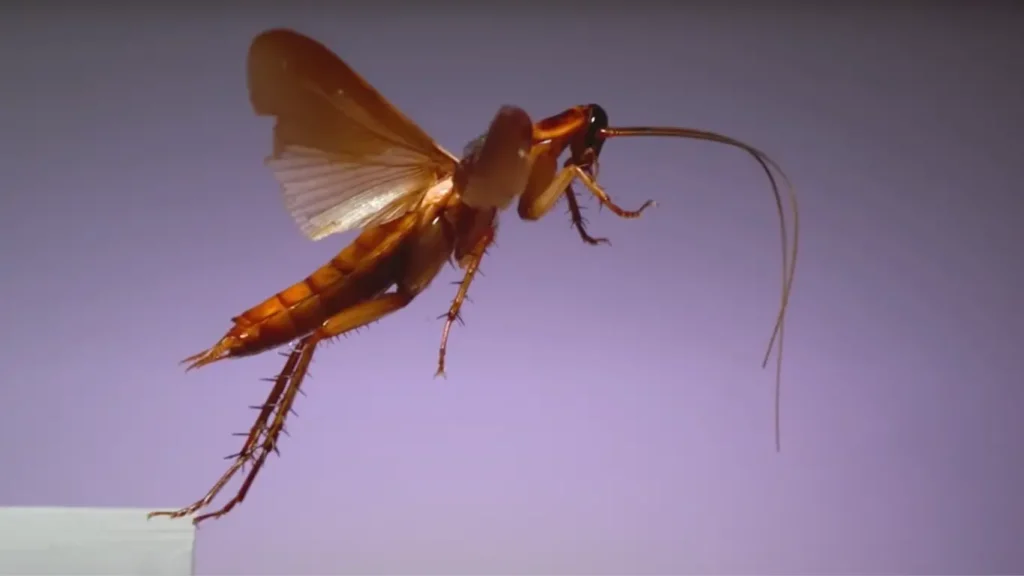
It may surprise some people to learn that German cockroaches have wings. Adult roaches, both male and female, have fully developed wings that cover their backs. But even with wings, they almost never fly.
Instead of flying, German cockroaches prefer to run. They are very fast and can dart into cracks and under furniture in seconds. Their wings are mostly used for balance or short glides if they fall from a height.
So, if you see a cockroach flying across the room, it’s probably not a German cockroach. More likely, it’s an American or Asian roach. German roaches are ground runners—not flyers.
11. They Leave Behind Droppings That Look Like Black Pepper
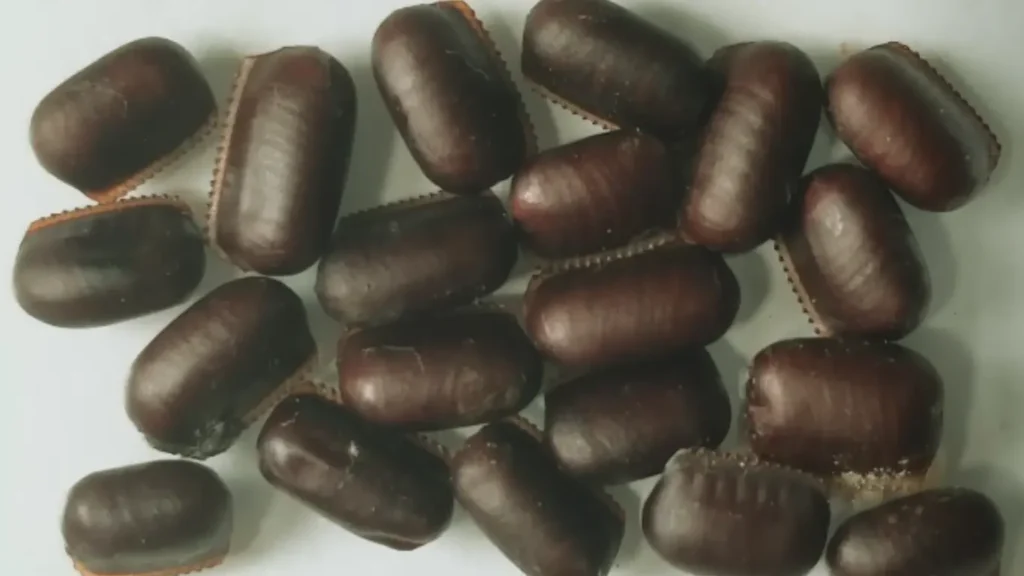
One of the early signs of a German cockroach problem is their droppings. These tiny black specks often look like ground black pepper or coffee grounds. You’ll usually find them in kitchen drawers, under the sink, behind appliances, or in cabinet corners.
These droppings are not just messy—they can also contain bacteria and allergens. The more droppings you see, the bigger the infestation might be. Sometimes, people clean the mess without realizing it’s from roaches.
If you find this kind of residue in your kitchen or bathroom, it’s a clear sign that German cockroaches are hiding somewhere nearby.
12. German Cockroach Nests Are Hidden in Warm, Humid Places
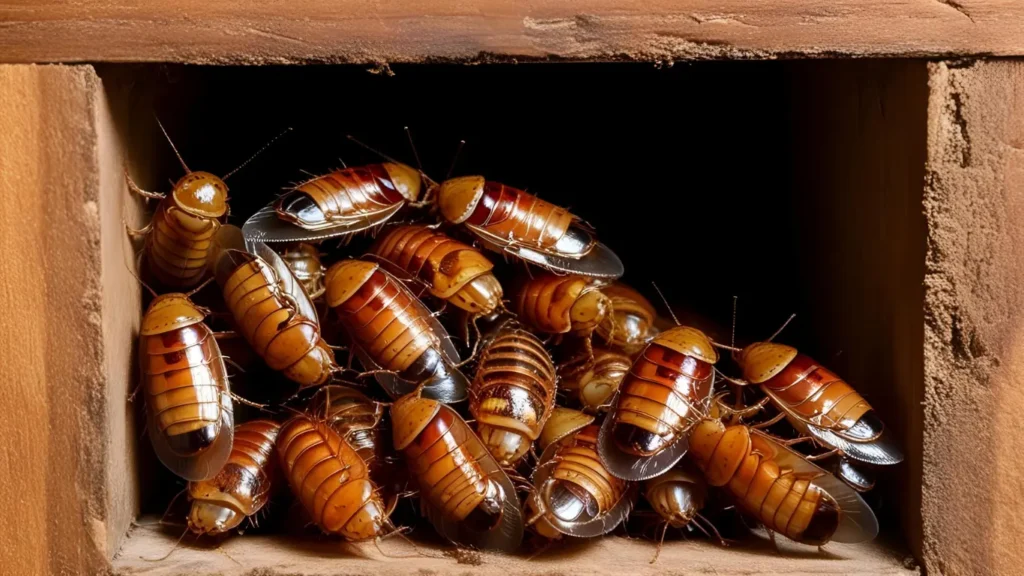
German cockroaches don’t build visible nests like birds or ants, but they do gather in warm, dark, and humid spaces. Their hiding places are usually near food and water, like behind the stove, under the fridge, or inside kitchen cabinets.
A “nest” is really just a cluster of cockroaches at different life stages—adults, nymphs, and even eggs—all hiding together. These spots are filled with droppings, shed skins, and sometimes a musty smell.
Because they prefer tight spaces, their nests are often deep inside walls, behind appliances, or in drawer cracks, making them hard to reach without deep cleaning or treatment.
13. Their Lifespan Ranges From 100 to 200 Days
German cockroaches don’t live very long compared to other insects, but in that short time, they cause a lot of trouble. On average, they live for about 100 to 200 days, depending on the temperature, food supply, and safety of their hiding place.
During their lifespan, a single female can produce multiple egg cases, leading to hundreds of offspring. Since they grow fast and reproduce often, even a short life can have a big impact.
That’s why waiting to deal with them is risky. If you don’t act early, their population can grow quickly in just a few months.
14. They Can Cause Allergies and Trigger Asthma

German cockroaches don’t just bring discomfort—they can also affect your health. Their droppings, shed skins, and saliva can all trigger allergies and asthma, especially in children and older adults. These particles can mix with the air and get into your nose or lungs without you even noticing.
People who are sensitive may suffer from sneezing, coughing, skin rashes, or even breathing problems. In homes with large infestations, these health issues can get worse over time.
Keeping your home clean and pest-free isn’t just about comfort—it’s also about protecting your family’s health, especially if anyone has asthma or allergy problems.
15. German Cockroaches Can Carry Harmful Bacteria
German cockroaches often crawl through dirty areas, like trash bins, drains, and sewer lines. As they move around, they can pick up bacteria, germs, and even parasites on their legs and bodies. When they enter your home, they may spread these germs on your kitchen counters, food, and dishes.
Some studies show that German cockroaches can carry bacteria like Salmonella, E. coli, and Staphylococcus, which can cause food poisoning or other health problems.
This is why it’s so important to keep them away from food areas. Their presence isn’t just gross—it can be a serious health risk.
16. Infestations Can Start from Just One Female
It only takes one female German cockroach to start an infestation. If she is carrying an egg case, she could bring 30 to 40 eggs into your home. Within weeks, those eggs hatch into nymphs, and in just a couple of months, they become adults ready to reproduce again.
If the environment is warm and there’s enough food and moisture, this small start can turn into hundreds or even thousands of cockroaches hiding throughout your home.
That’s why you should never ignore even a single cockroach sighting. It might be the first sign of a much larger problem building in the background.
17. They Are Harder to Eliminate Than Many Other Roaches

German cockroaches are one of the most difficult roach species to get rid of. Why? Because they reproduce quickly, hide well, and can develop resistance to some pesticides. Unlike other roaches that live outdoors or move slowly, German cockroaches stay close to food and water sources inside your home.
They squeeze into tiny cracks, breed in hidden spaces, and often go unnoticed until their numbers grow. Traditional sprays may only kill the ones you see—not the eggs or the hidden nymphs.
To truly eliminate them, you need a full plan: cleaning, sealing entry points, using bait and insect growth regulators, and sometimes calling professional pest control. They’re stubborn, but with the right steps, you can take back your space.
