
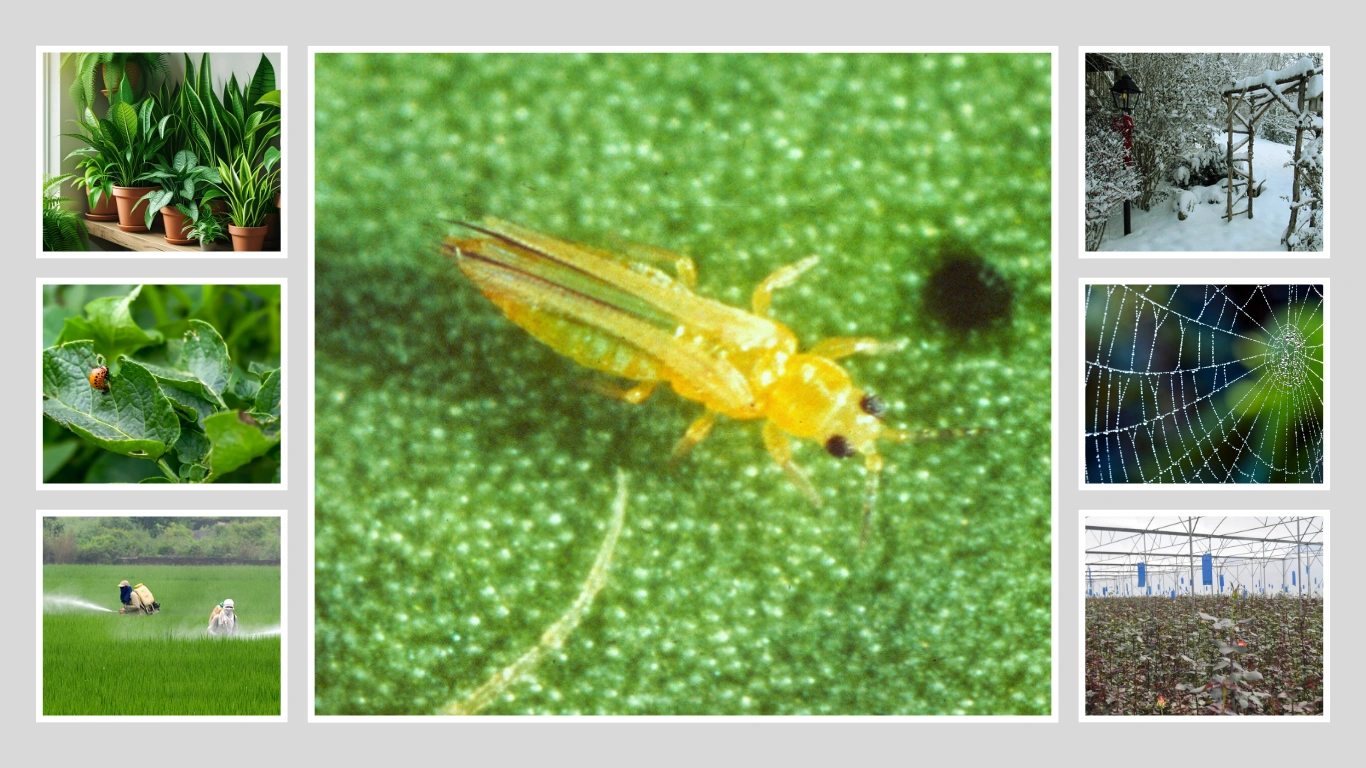
Thrips are tiny yet troublesome insects that can wreak havoc on gardens, greenhouses, and crop fields. Their small size makes them hard to detect, but the damage they cause is easy to spot—silver streaks, curled leaves, and deformed flowers. In this FAQ guide, we’ll answer 20 of the most common questions about thrips, from how they behave to the best ways to control them effectively. Whether you’re a gardener or grower, these answers will help you protect your plants and act fast.
1. Can thrips infest indoor houseplants?

Yes, thrips can easily infest indoor plants, especially those placed near windows or brought in from outdoors. They thrive in warm, dry indoor environments. If left unchecked, they can spread from one plant to another, damaging leaves, flowers, and new growth by feeding on plant cells and causing deformities.
2. How do thrips spread from plant to plant?

Thrips spread by crawling or flying short distances, often helped by wind or air currents. They can also hitchhike on clothing, tools, or other infested plants. In greenhouses or close-planted gardens, their ability to move quickly allows them to infest multiple plants in a short period.
3. Are all thrips harmful, or are some beneficial?

Not all thrips are harmful. While many are plant feeders and cause damage, some species are beneficial predators that feed on mites, aphids, and other small insects. These predatory thrips play a helpful role in integrated pest management systems, particularly in organic farming and greenhouse environments.
4. Can thrips be mistaken for other pests?
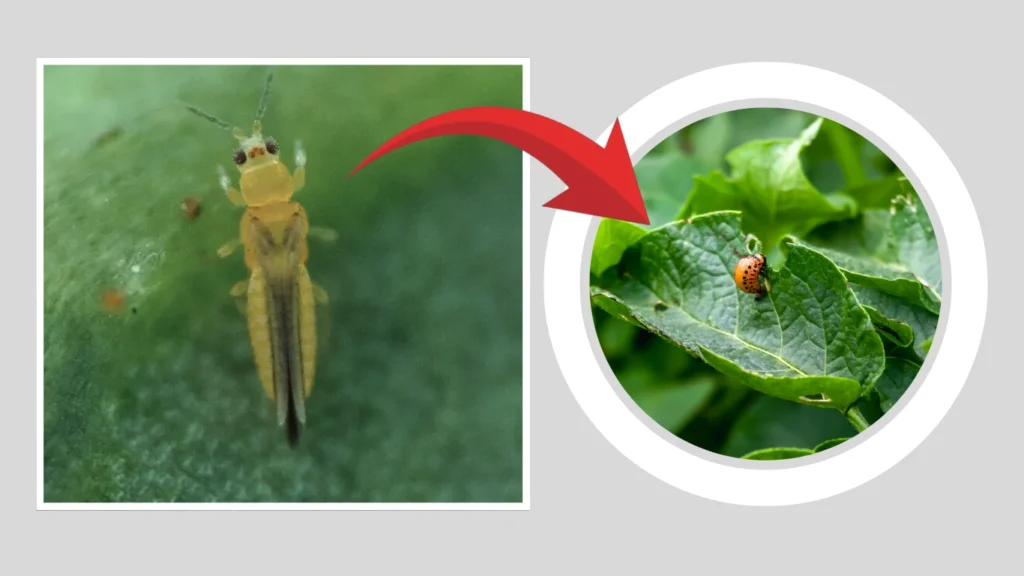
Yes, thrips are often mistaken for spider mites, aphids, or fungus gnats. Their small size and rapid movement make them hard to spot. The silvering or stippling they cause can resemble mite damage, but close inspection usually reveals their slender bodies and fringed wings.
5. Can thrips develop resistance to insecticides?
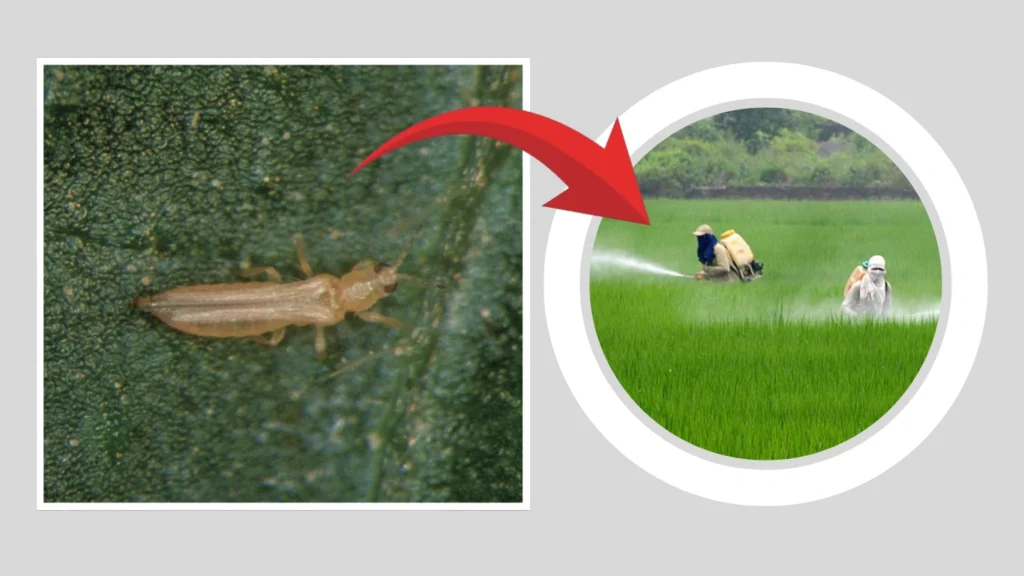
Thrips are known for developing resistance to many chemical insecticides over time, especially with repeated use of the same product. This makes rotation of active ingredients and the use of integrated pest management (IPM) strategies—such as natural predators and cultural control—essential for long-term thrips control.
6. Do thrips die off in winter naturally?

In colder climates, most thrips species cannot survive harsh winters outdoors. However, some overwinter in the pupal stage in soil or plant debris. In mild climates or protected environments like greenhouses, they can persist year-round, making winter sanitation and soil cleanup crucial to prevent early spring outbreaks.
7. What attracts thrips to certain plants?
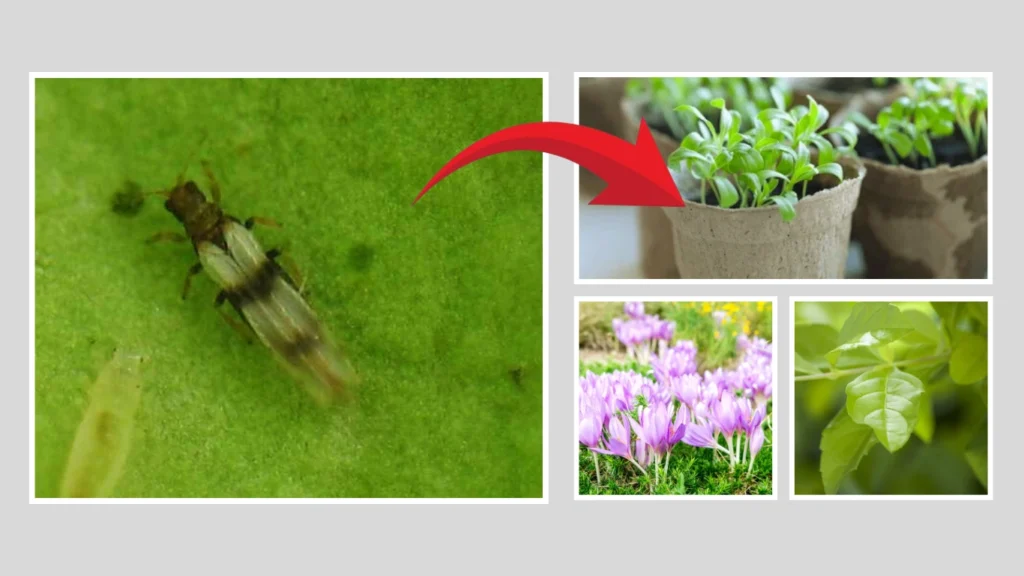
Thrips are attracted to plants with tender new growth, light-colored flowers, and soft leaves. Over-fertilized plants with lush foliage are particularly vulnerable. Some species are also drawn to yellow and white blooms, which is why yellow sticky traps are effective for monitoring their presence.
8. How long does it take for thrip eggs to hatch?

Thrip eggs usually hatch within 2 to 7 days, depending on temperature and humidity. Warmer temperatures speed up development, allowing for multiple generations in a short time. Since eggs are inserted inside plant tissue, they are protected and difficult to eliminate using surface sprays alone.
9. Can thrips infest fruits and vegetables in storage?

Thrips rarely infest stored fruits or vegetables once they are harvested, but they can be accidentally transported on produce. Their damage usually occurs in the field, especially on fruits like strawberries and citrus. Inspecting and washing produce helps reduce the risk of spreading them indoors.
10. What predators naturally control thrips in organic gardens?

Several natural enemies help control thrips in organic systems. These include minute pirate bugs (Orius spp.), predatory mites (Amblyseius swirskii), and green lacewing larvae. These predators feed on thrip eggs, larvae, and adults, helping to maintain balance without the need for chemical sprays.
11. Can thrips live in potting soil?

Yes, some thrips species enter the soil during their prepupal and pupal stages, especially Western Flower Thrips. While they don’t feed during this stage, they complete their transformation into adults there. This makes potting soil a hidden reservoir for reinfestation if not properly treated or replaced.
12. What does thrip damage look like?
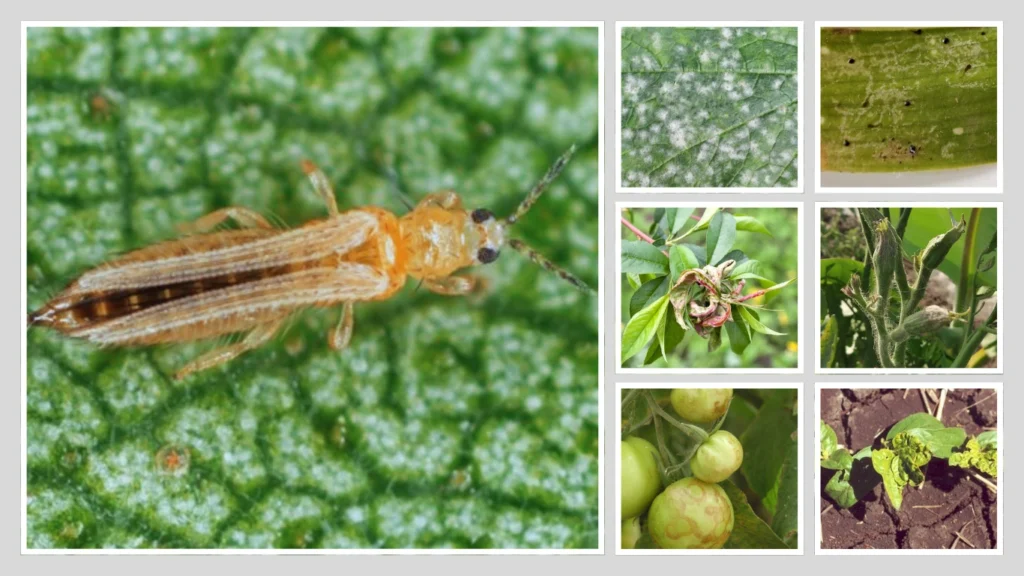
Thrip damage appears as silver streaks, tiny black specks (feces), leaf curling, and flower distortion. You may also see stunted growth or browning edges. On fruits, thrips may leave rough scars or bronzing. The damage often resembles drought stress or nutrient deficiency but worsens over time.
13. Are thrips pollinators?

Some species of thrips do act as accidental pollinators, especially those found inside flowers. However, their pollination role is minor compared to bees or butterflies. In most cases, thrips are considered pests due to the feeding damage they cause on flowers, leaves, and developing fruits.
14. Do thrips make webs like spider mites?
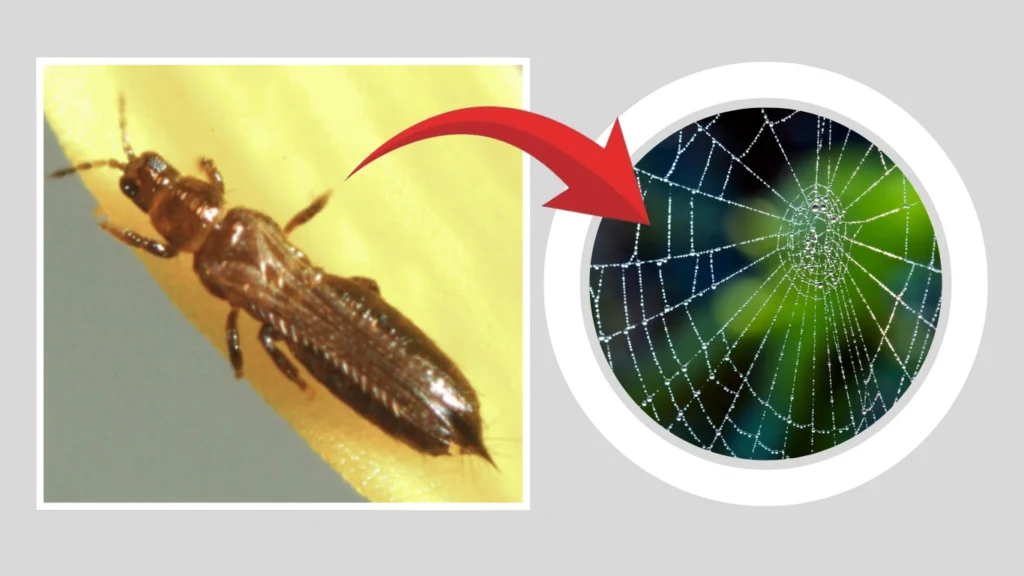
No, thrips do not make webs. If you see fine webbing on plants, you’re likely dealing with spider mites. Thrips cause silvering and distortion but do not spin webs. However, thrips and spider mites can sometimes appear together and cause compounded damage.
15. Can thrips overwinter in bulbs or tubers?
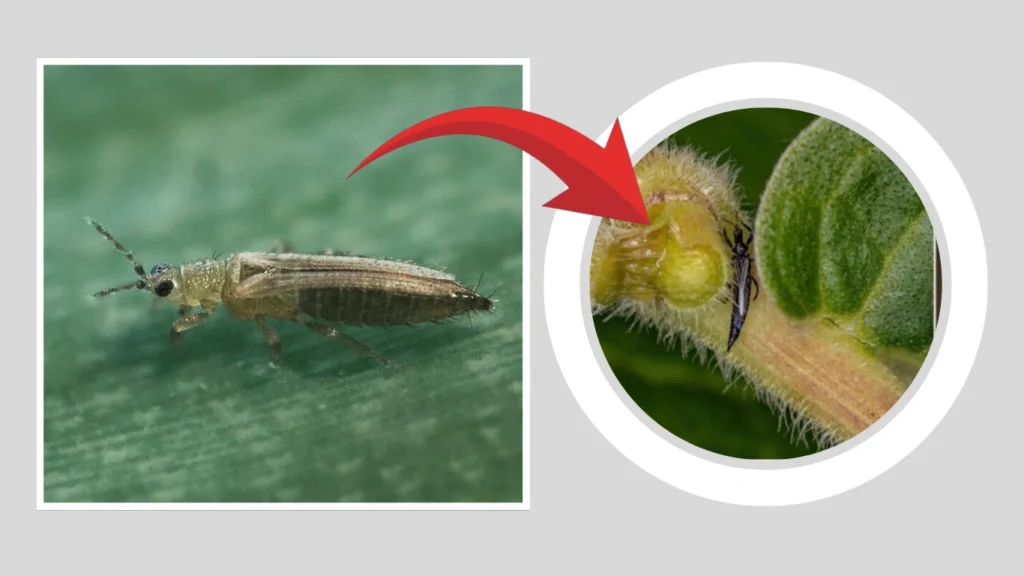
Yes, some thrips—like Gladiolus Thrips—can overwinter in stored bulbs, tubers, or corms. They hide in the crevices or under protective scales and resume activity when conditions warm up. Proper bulb storage, inspection, and pre-planting treatments can help prevent reintroduction into gardens or flower beds.
16. Have thrips lost their left mandible?

Yes, thrips have a unique feeding adaptation. They possess an asymmetrical mouthpart, with only one functioning mandible (typically the left). The mandible pierces the plant, and a straw-like structure sucks up fluids. This one-sided design is rare among insects and part of what makes them efficient feeders.
17. Can thrips be white in color?

Yes, some thrips—especially larvae or nymphs—can appear white or pale yellow. Newly emerged adults may also look whitish before darkening. However, white insects could also be whiteflies or aphids, so it’s important to examine body shape and movement for accurate identification.
18. Are thrips soft-bodied insects?

Yes, thrips are soft-bodied, especially in their larval stages. This makes them vulnerable to insecticidal soaps, neem oil, and predators. Their delicate structure also makes them difficult to detect, as they hide easily and avoid desiccation by feeding in flower folds or leaf undersides.
19. Do thrips eat leaves or just flowers?

Thrips feed on both leaves and flowers. On leaves, they scrape the surface and suck out cell contents, leading to silver streaks or browning. In flowers, they damage petals, prevent blooming, or deform reproductive parts. Some species prefer foliage, while others focus on buds and flowers.
20. Are thrips attracted to certain colors?

Yes, thrips are strongly attracted to yellow and blue. That’s why sticky traps in those colors are commonly used for monitoring. The bright hues mimic flowers or fresh plant growth. Reflective mulches and avoiding yellow materials around crops can reduce thrips attraction in gardens.
