

Cockroaches are some of the most resilient and misunderstood insects on Earth. From their bizarre survival abilities to their role in spreading disease, these pests are full of surprising traits. Whether you’re dealing with an infestation or just curious about them, these 24 cockroach facts reveal their behavior, biology, and impact on our homes—and why they’re so hard to eliminate once they move in.
1. Cockroach Scientific Classification
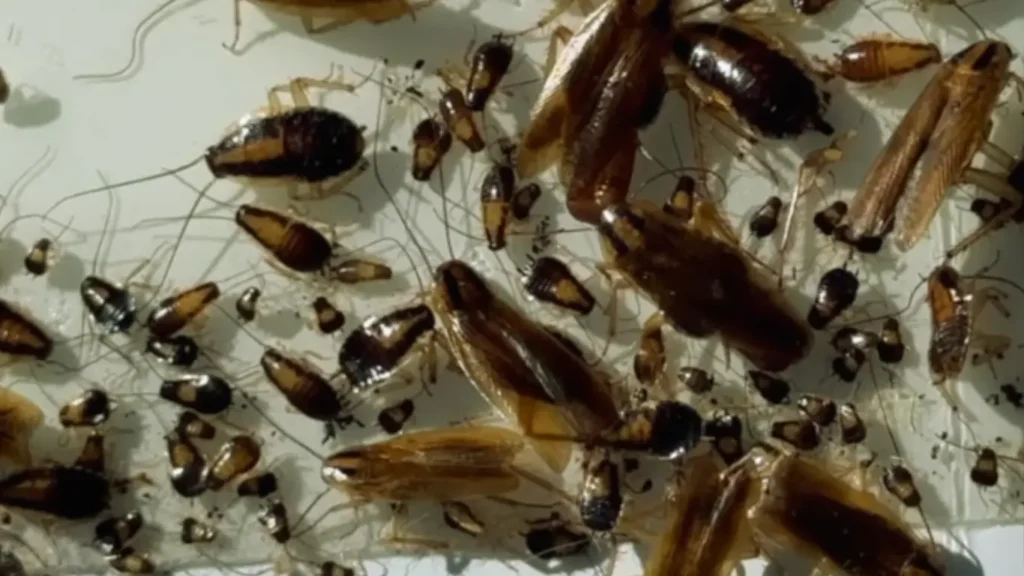
Cockroaches belong to the order Blattodea, which they share with termites. There are over 4,500 species worldwide, but only about 30 are considered pests. Their classification highlights their ancient lineage, dating back more than 300 million years.
2. How Long Do Cockroaches Live?

Most cockroaches live 6 months to 2 years, depending on the species and environmental conditions. The German cockroach, for example, has a lifespan of about 100 to 200 days, while the American cockroach may live over a year.
3. Cockroach Life Cycle Explained

Cockroaches go through three stages in their life: egg, nymph, and adult. After hatching, nymphs molt several times before reaching maturity. This incomplete metamorphosis helps them adapt quickly and reproduce fast, especially in warm, food-rich environments.
4. What Do Cockroaches Eat?

Cockroaches are omnivores and scavengers, meaning they eat almost anything—grease, starches, meat, glue, paper, and even dead insects. Their diverse diet helps them survive in both clean and filthy environments, making them incredibly hard to starve out.
5. Can Cockroaches Survive Without a Head?

Yes, cockroaches can live for up to a week without their head. They breathe through spiracles in their bodies, not their mouth or nose. Eventually, they die of dehydration, since they can’t drink without their mouth.
6. Why Are Cockroaches So Hard to Kill?
Cockroaches have strong survival instincts and resistance to many pesticides. They can hold their breath, survive without food for a month, and even adapt to chemical treatments over time, making them one of the toughest pests to eliminate.
7. Do Cockroaches Bite Humans?

While rare, cockroach bites can occur, especially in severe infestations. They may nibble on fingernails, eyelashes, or dead skin while scavenging. Their bites are usually harmless but can cause redness, irritation, or infection if not cleaned properly.
8. Cockroach Reproduction Facts
Cockroaches reproduce quickly and efficiently. A single female German cockroach can produce hundreds of offspring in her lifetime. Some species carry egg cases called ootheca, which contain up to 40 embryos, allowing rapid population growth in ideal conditions.
9. Can Cockroaches Fly?
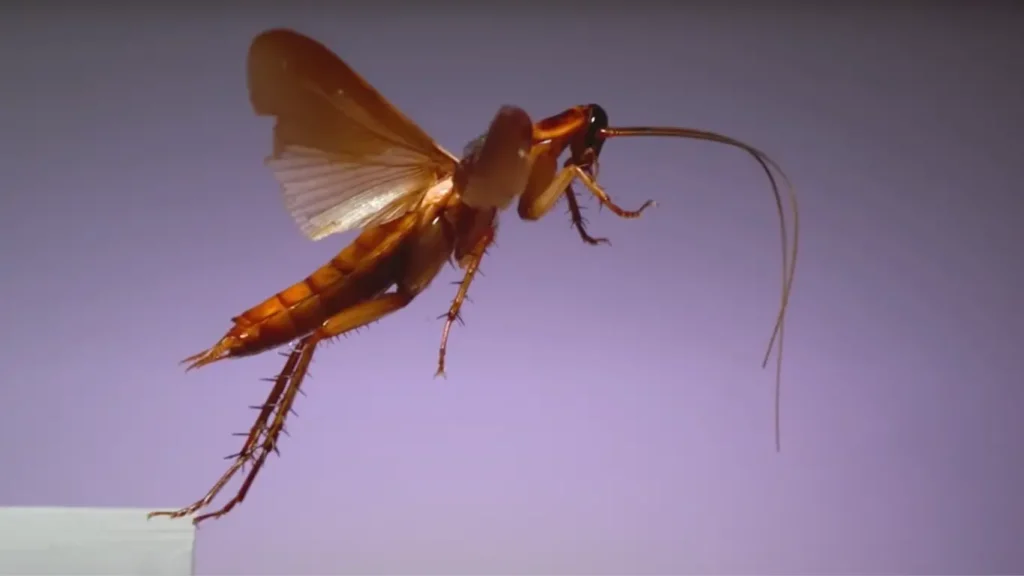
Not all cockroaches can fly, but some species—like the American cockroach—can glide short distances. Others, like the German cockroach, have wings but rarely fly. Flight depends on species, temperature, and environment, usually as an escape response.
10. Where Do Cockroaches Hide in Homes?

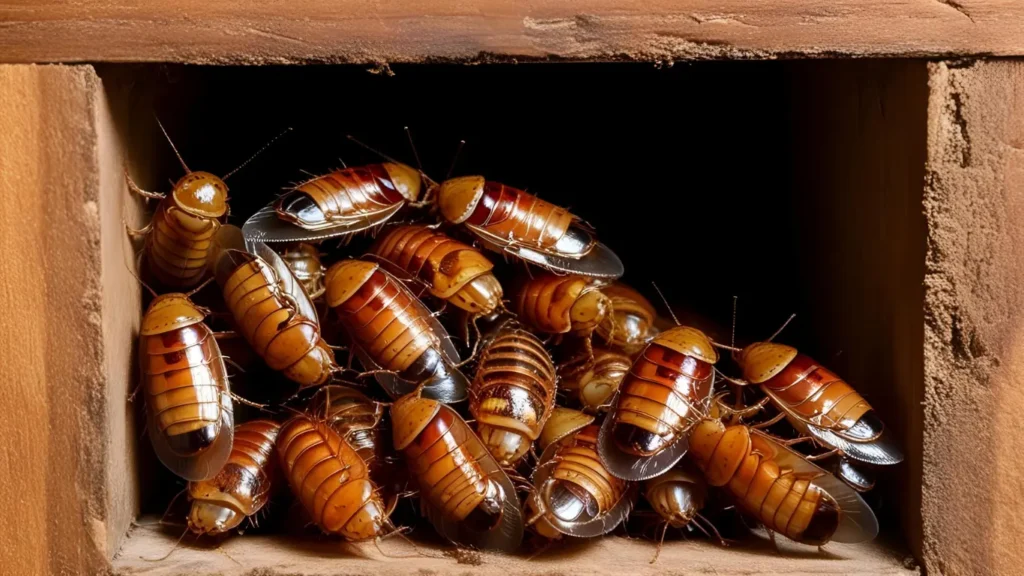
Cockroaches prefer dark, warm, and humid areas, often hiding in kitchens, bathrooms, under appliances, or inside wall cracks. Their flat bodies allow them to squeeze into tight spaces, making it difficult to detect or reach them during the day.
11. Signs of a Cockroach Infestation
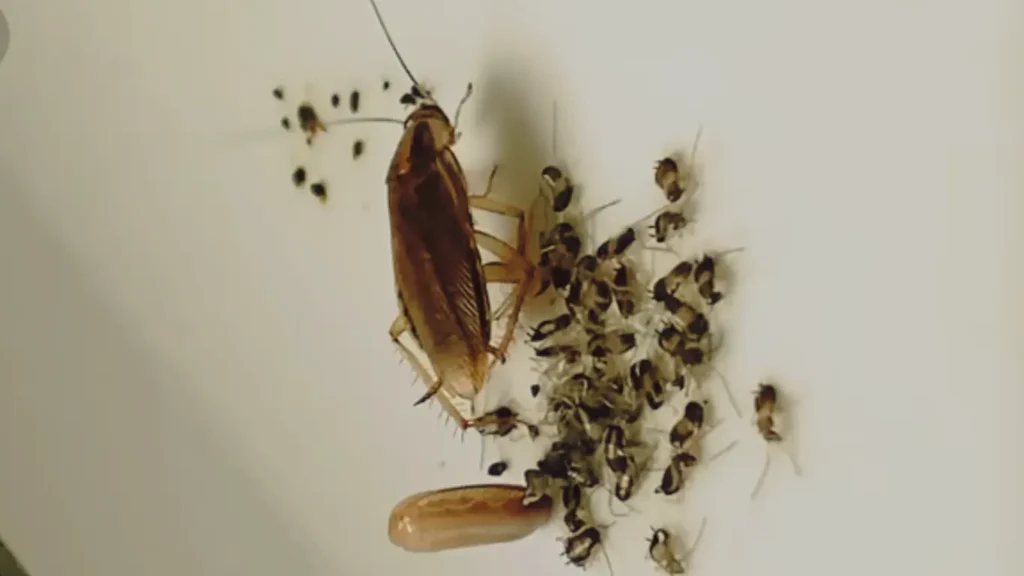
Common signs include droppings that resemble black pepper, a musty odor, shed skins, and smear marks. You might also spot live cockroaches at night. Seeing even one during the day may indicate a large hidden population.
12. Types of Common Household Cockroaches

The most common indoor cockroach species include the German cockroach, American cockroach, Oriental cockroach, and Brown-banded cockroach. Each prefers slightly different conditions, but all thrive in warm, moist, and food-accessible environments like kitchens and bathrooms.
13. How Fast Can Cockroaches Run?

Cockroaches are extremely fast runners, capable of reaching speeds up to 3 miles per hour. Their quick reflexes help them evade predators and humans, allowing them to dart into cracks and crevices in the blink of an eye.
14. Can Cockroaches Swim?

Cockroaches can’t truly swim, but they float and paddle on water using their legs. They can survive submerged for several minutes by holding their breath. Some species are more adapted to moist environments and may even live in drains.
15. Are Cockroaches Dangerous?

Yes, cockroaches can be harmful to human health. They spread bacteria like Salmonella, trigger allergies, and worsen asthma. Their droppings and shed skins contaminate food and surfaces, making infestations a serious concern for hygiene and health.
16. Do Cockroaches Carry Diseases?

Yes, cockroaches can carry over 30 types of bacteria, including E. coli and Salmonella. They pick up pathogens while crawling through garbage, drains, and feces, then spread them to food, surfaces, and utensils in your home.
17. How to Prevent Cockroach Infestations
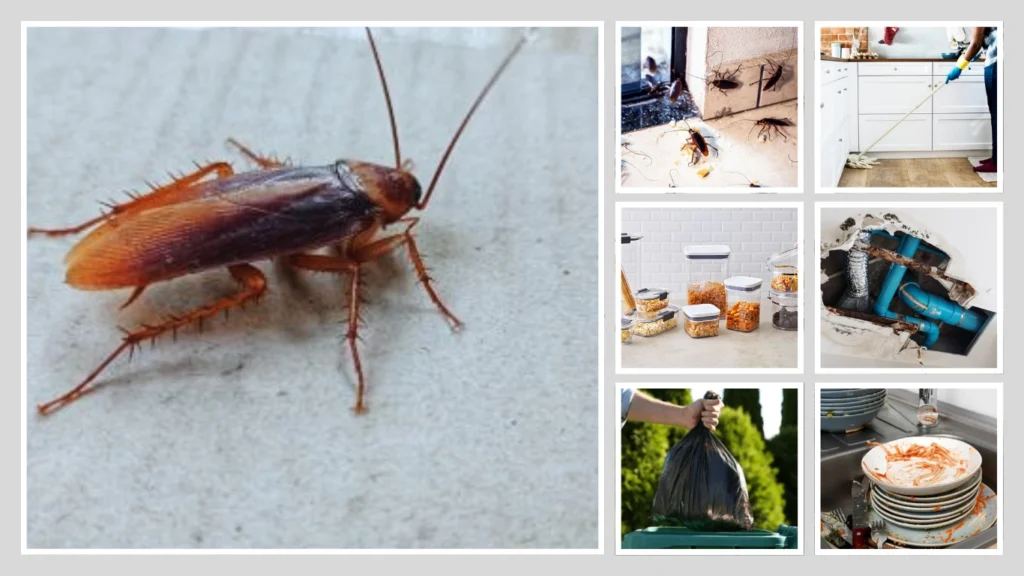
Prevent infestations by sealing entry points, keeping your home clean, and storing food in airtight containers. Fix water leaks, take out trash regularly, and avoid leaving dirty dishes overnight. Prevention is easier than getting rid of an infestation.
18. Natural Cockroach Repellents

Natural repellents like bay leaves, peppermint oil, and cucumber peels can deter cockroaches. Diatomaceous earth and boric acid are also effective non-toxic options. These methods may not kill large infestations but can help keep cockroaches away.
19. Cockroaches and Allergies

Cockroach droppings, saliva, and shed body parts are common indoor allergens. They can trigger asthma attacks, especially in children. Urban areas with heavy infestations often have higher rates of cockroach-related allergy and asthma issues.
20. What Attracts Cockroaches to Your Home?
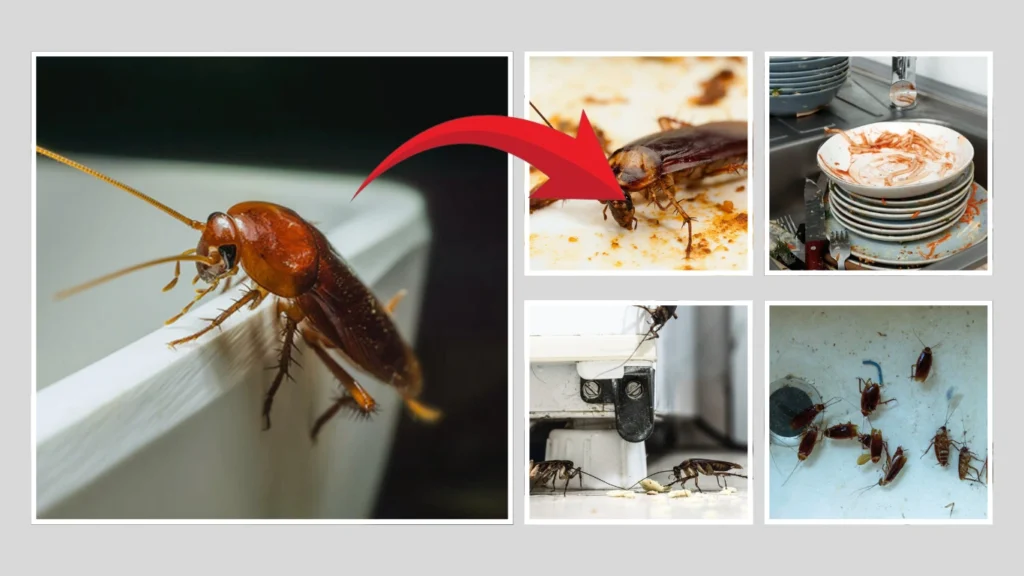
Cockroaches are drawn to food crumbs, grease, moisture, and clutter. Leaky pipes, uncovered trash, and even pet food can attract them. They thrive in dark, hidden places with easy access to food and water sources.
