
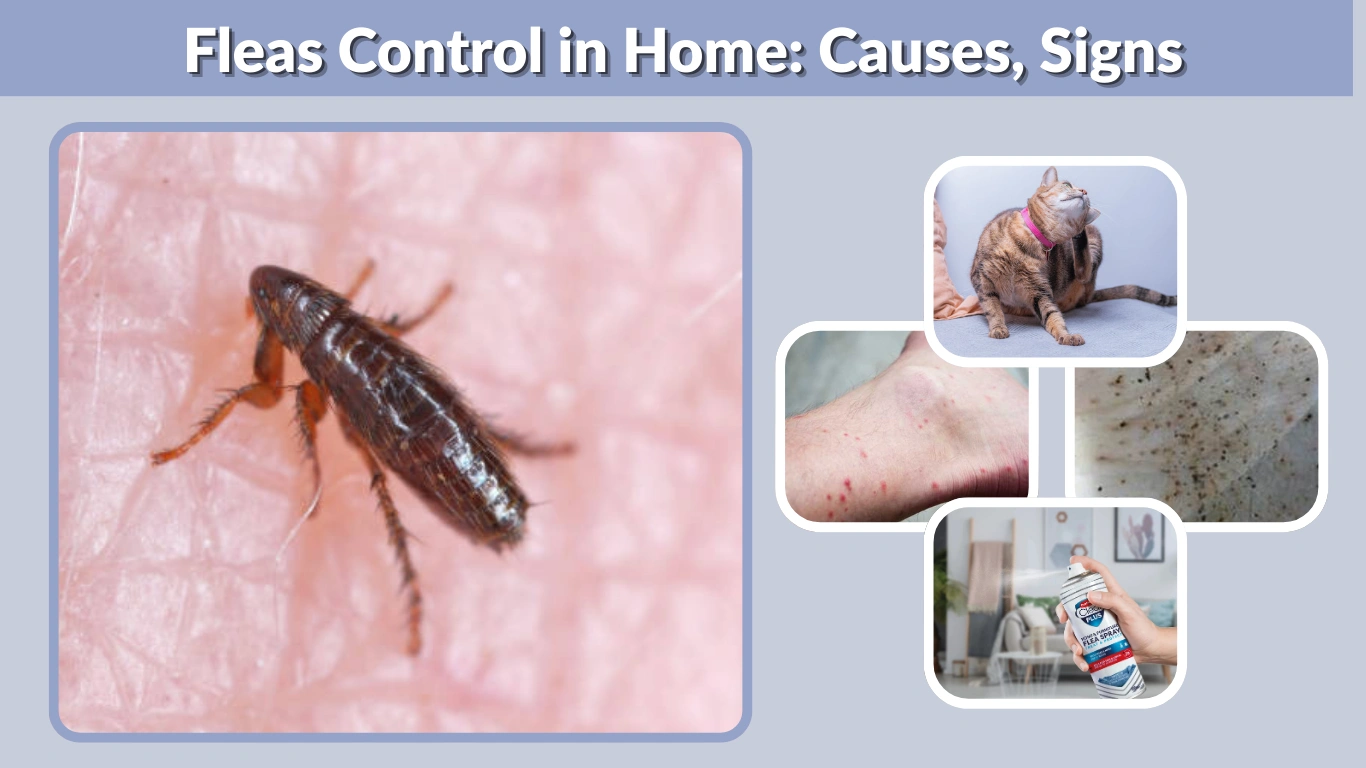
Fleas are tiny pests that can quickly turn into a serious problem inside your home. These small, jumping insects feed on the blood of animals and sometimes humans, making them uncomfortable for both pets and people. Fleas often enter homes through pets, clothing, or even from nearby outdoor areas. Once inside, they can reproduce rapidly and spread throughout carpets, furniture, and bedding. Understanding how fleas infest homes and learning effective control methods can help you eliminate them and keep your living space clean and comfortable.
What Are Fleas?
Fleas are small parasitic insects that survive by feeding on the blood of mammals and birds. Although they are tiny, fleas are very resilient and can spread quickly if the conditions inside a home are favorable.
Physical Characteristics
Fleas are very small insects, usually measuring about 1–3 millimeters long. They have flat bodies that allow them to move easily through animal fur or fabric fibers. Their color ranges from dark brown to reddish-brown, which helps them blend into pet fur and carpets.
One of the most remarkable features of fleas is their powerful jumping ability. Fleas can jump more than 100 times their body length, allowing them to move quickly between pets, furniture, and floors. Because of this ability, they can easily spread from one area of the house to another.
Fleas are also wingless insects, but their strong legs compensate for the lack of wings by helping them jump long distances.
Flea Life Cycle
Understanding the flea life cycle is important when trying to control an infestation. Fleas go through four stages of development, and each stage can occur in different areas of the home.
- Eggs – Adult fleas lay tiny white eggs on pets, carpets, bedding, or furniture. These eggs often fall off the host animal and scatter around the home.
- Larvae – The eggs hatch into larvae that hide in dark areas such as carpets, cracks in floors, and pet bedding. They feed on organic matter, including flea droppings.
- Pupae – In this stage, the larvae form cocoons where they develop into adult fleas. The pupal stage can last several days or even weeks depending on environmental conditions.
- Adult Fleas – Once fully developed, adult fleas emerge from the cocoon and search for a host to feed on.
Because different life stages exist at the same time, flea infestations can be difficult to eliminate without addressing every stage of the life cycle.
Where Fleas Usually Live
Fleas can live in many parts of the home, especially in areas where pets spend time. Some of the most common hiding places include:
- Pet fur and bedding
- Carpets and rugs
- Upholstered furniture
- Cracks in floors and baseboards
- Blankets and cushions
Since fleas prefer warm and humid environments, they often thrive indoors where temperatures remain stable.
How Fleas Enter Your Home
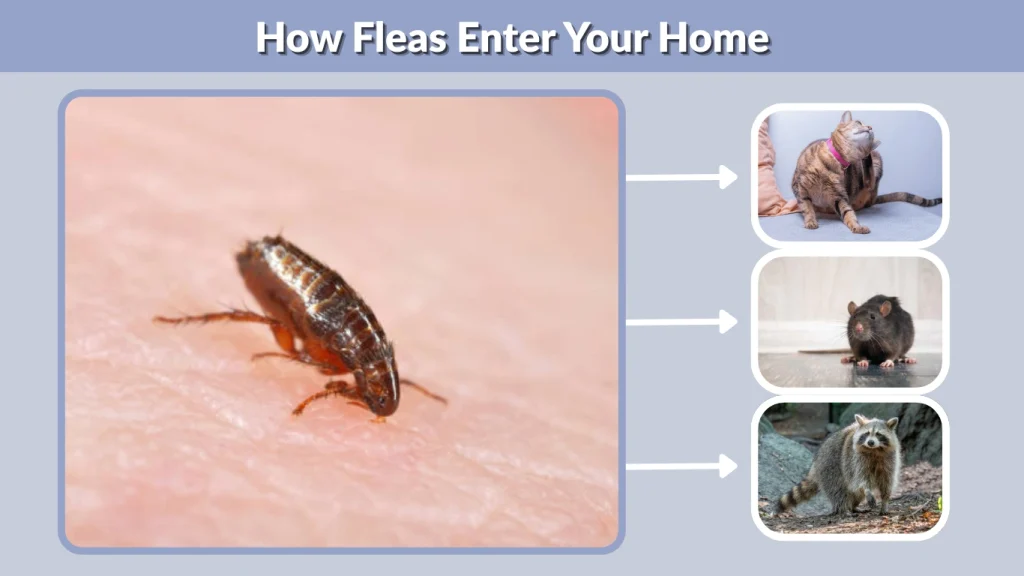
Fleas rarely appear inside homes without a source. Understanding how they enter your house can help you prevent future infestations.
Pets Bringing Fleas Indoors
The most common way fleas enter homes is through pets such as dogs and cats. When pets spend time outdoors, they may pick up fleas from grass, soil, or other animals.
Once the pet returns indoors, fleas can quickly spread to carpets, furniture, and bedding. Even indoor pets can become hosts if they interact with other animals that carry fleas.
Wildlife Around the House
Wild animals living near your home can also introduce fleas into the environment. Animals such as:
- Rodents
- Raccoons
- Stray cats and dogs
- Squirrels
may carry fleas that eventually find their way indoors. If these animals live under decks, near garbage areas, or inside attics, the chances of fleas spreading increase.
Fleas in the Yard
Sometimes fleas originate from infested yards or gardens. Flea larvae and eggs can survive in shaded soil, tall grass, and piles of leaves.
People may unknowingly bring fleas inside on their shoes, clothing, or bags after spending time in outdoor areas where fleas are present. Once inside the house, fleas can quickly reproduce and spread to multiple rooms.
Signs of Fleas in the Home
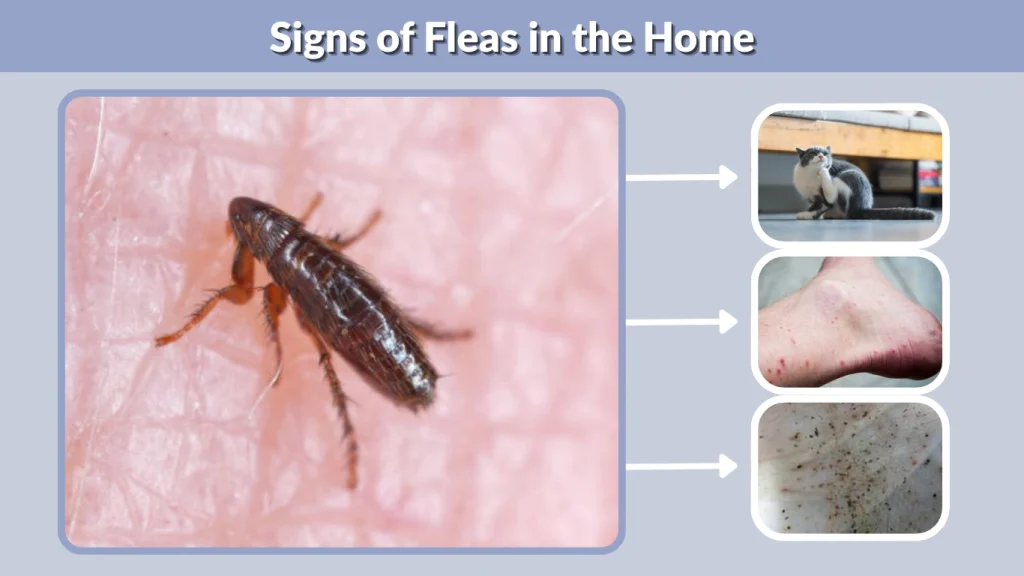
Detecting fleas early is important to prevent a major infestation. There are several signs that may indicate fleas are present in your home.
Frequent Pet Scratching
One of the earliest signs of fleas is excessive scratching or biting by pets. Dogs and cats often scratch themselves repeatedly when fleas are present on their skin.
Pets may also show other symptoms such as:
- Restlessness
- Red or irritated skin
- Hair loss in certain areas
- Frequent licking or chewing of the fur
Checking your pet’s fur closely may reveal small dark insects moving quickly through the hair.
Flea Bites on Humans
Fleas can also bite humans, especially when their usual hosts are not available. Flea bites often appear as small, red, itchy bumps on the skin.
These bites commonly occur around:
- Ankles
- Lower legs
- Feet
The itching caused by flea bites can be uncomfortable and may lead to skin irritation if scratched excessively.
Flea Dirt (Droppings)
Another sign of flea activity is the presence of flea dirt, which looks like tiny black specks. These specks are actually flea droppings made from digested blood.
Flea dirt can often be found:
- On pet skin or fur
- On pet bedding
- On carpets or furniture where pets rest
If you place these black specks on a wet tissue, they may turn reddish-brown, confirming that they are flea droppings.
Seeing Fleas Jumping
Another clear sign of a flea infestation is seeing fleas jumping around the house. Because fleas are excellent jumpers, they can move quickly across carpets, rugs, and furniture.
You may notice tiny dark insects jumping when you walk across a carpet or when your pet lies on the floor. Fleas often hide deep inside carpet fibers and come out when they sense movement, warmth, or vibrations. If you frequently see small insects jumping in these areas, it is likely that fleas are present in your home.
Why Fleas Are a Problem in Homes
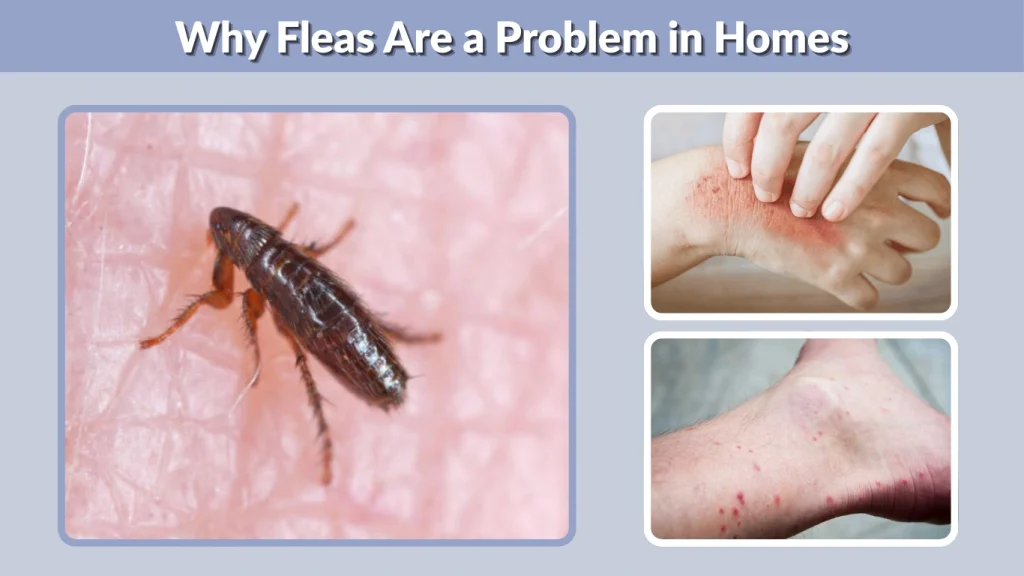
Fleas may be small, but they can create serious problems if they are not controlled quickly. Their ability to reproduce rapidly makes infestations difficult to manage once they spread throughout the home.
Health Risks
Flea bites can cause itching, redness, and skin irritation. Some people may experience allergic reactions to flea saliva, which can lead to more severe itching and swelling.
In rare cases, fleas can also carry certain bacteria and parasites. Although this is uncommon in most households, it is still important to control flea populations to reduce potential health concerns.
Impact on Pets
Pets are usually the first victims of flea infestations. Fleas feed on the blood of animals, which can cause discomfort and skin problems.
Common effects of fleas on pets include:
- Constant scratching and irritation
- Red or inflamed skin
- Hair loss in affected areas
- Skin infections caused by excessive scratching
In severe infestations, especially in young or small animals, fleas can even lead to anemia due to blood loss.
Rapid Infestation
One of the biggest challenges with fleas is how quickly they reproduce. A single female flea can lay dozens of eggs every day, which fall into carpets, bedding, and furniture.
Within a short time, hundreds of fleas can develop in different life stages throughout the home. This is why flea problems often seem to appear suddenly and spread rapidly if not addressed early.
How to Control Fleas in the Home
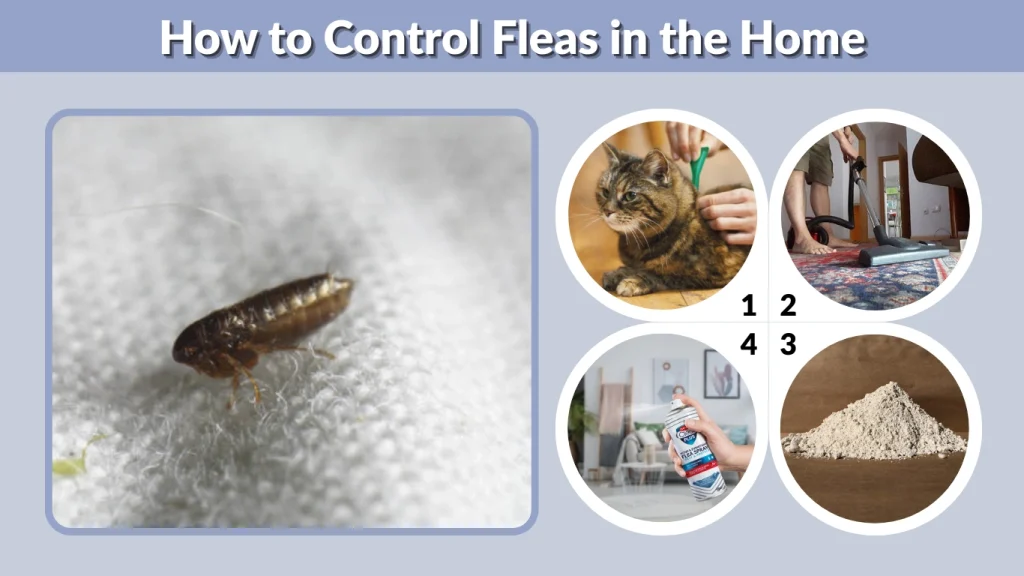
Eliminating fleas requires a combination of treating pets, cleaning the house, and using flea control products. Addressing only one area may not completely solve the problem because fleas exist in different life stages.
Treat Your Pets First
If you have pets, the first step is to treat them for fleas. Since pets are usually the primary hosts, removing fleas from them helps stop the infestation from spreading.
Common flea treatments for pets include:
- Flea shampoos
- Topical flea medications
- Oral flea treatments prescribed by veterinarians
- Flea collars
Regular grooming and bathing can also help remove fleas and flea eggs from your pet’s fur.
Deep Cleaning the House
Thorough cleaning is essential for removing fleas and their eggs from your home. Flea eggs and larvae often hide in soft surfaces such as carpets and fabrics.
Important cleaning steps include:
- Vacuuming carpets, rugs, and furniture regularly
- Washing pet bedding with hot water
- Cleaning blankets, cushions, and curtains
- Emptying the vacuum bag immediately after cleaning
Frequent cleaning helps remove eggs and larvae before they develop into adult fleas.
Use Flea Control Products
In some cases, additional flea control products may be necessary to eliminate the infestation. These products can help target fleas hiding in difficult areas.
Common options include:
- Flea sprays for carpets and furniture
- Flea powders applied to floors and rugs
- Flea foggers or “flea bombs” for larger infestations
When using these products, it is important to follow safety instructions carefully, especially if pets or children are present.
Natural Flea Control Methods
Some homeowners prefer natural solutions for flea control. While these methods may not work as quickly as chemical treatments, they can still help reduce flea populations.
Popular natural options include:
- Diatomaceous earth, which damages the outer shell of insects
- Baking soda and salt mixtures applied to carpets
- Certain essential oils that may repel fleas
These remedies can be used as part of a broader flea control strategy.
Controlling Fleas in the Yard
Since fleas often originate outdoors, treating the yard can help prevent them from entering your home again.
Keeping the outdoor environment less attractive to fleas is an important step in long-term control.
Keep Grass Short
Regularly mowing the lawn helps reduce shaded, humid areas where fleas thrive. Fleas prefer cool and moist environments, so trimming grass and increasing sunlight exposure can discourage them from living in the yard.
Remove Yard Debris
Leaves, wood piles, and other organic debris can provide shelter for fleas and the animals that carry them. Keeping the yard clean and removing unnecessary clutter can help reduce flea habitats.
Use Outdoor Flea Treatments
Outdoor flea control products are available to treat lawns and garden areas. These treatments can reduce flea populations in soil and grass before they enter the home.
Limit Wildlife Activity
Preventing wildlife from entering your yard can also reduce the risk of fleas. Sealing garbage containers, blocking access to crawl spaces, and removing food sources can discourage animals that may carry fleas.
How to Prevent Fleas from Returning
Once you eliminate fleas, maintaining a clean and well-managed home can help prevent future infestations.
Regular Pet Grooming
Regularly brushing and bathing pets allows you to check for fleas before they spread. Using veterinarian-recommended flea prevention products year-round can also protect pets from new infestations.
Routine Vacuuming
Frequent vacuuming removes flea eggs and larvae from carpets and furniture. Cleaning high-traffic areas and pet sleeping spots is especially important.
Year-Round Flea Prevention Products
Many flea prevention treatments are designed to protect pets throughout the year. Using these products consistently can stop fleas from establishing themselves in the home.
Maintain a Clean Home Environment
Keeping the home clean and reducing clutter can eliminate hiding places for fleas. Proper storage, regular cleaning, and moisture control all help create an environment that is less attractive to pests.
Conclusion
Fleas can quickly become a frustrating household problem, especially when pets are involved. These tiny insects reproduce rapidly and can spread throughout carpets, furniture, and bedding if not controlled early.
By recognizing the signs of fleas, treating pets promptly, deep cleaning the home, and maintaining good prevention practices, homeowners can successfully eliminate flea infestations. Taking proactive steps both inside and outside the home will help ensure a cleaner, healthier, and flea-free living environment.
